




Transforming Sales Losses into Assets: A New Approach to Performance Analysis
Introduction
Sales performance analysis is crucial for any organization aiming to enhance its competitive edge. In the fast-paced business environment, companies often perceive lost sales as unfortunate events without delving into their root causes. This tendency can exacerbate existing inefficiencies and lead to repeated failures in sealing deals. Recognizing the inherent value in these losses is essential for continuous improvement.
The Reality of Lost Sales
In many sales environments, losing a deal is treated as a mere unfortunate outcome rather than an opportunity for learning. Metrics like ‘price issues’ or ‘timing problems’ are frequently cited, but the deeper, underlying causes often remain unexplored. Companies that overlook in-depth analysis risk stagnation in their closing rates, leading to a repetitive cycle of losses fueled by individual biases and experiences.
Risks of Ignoring Lost Sales
The failure to address lost deals effectively poses significant risks. Over-reliance on individual sales skills can stifle overall organizational growth and lead to a decline in competitive capacity. Without a systematic approach to learn from these losses, businesses may find themselves in a continual state of reactivity rather than proactive improvement.
Reframing Losses as Assets
Softbrain advocates for a paradigm shift where failures are not merely viewed as losses but as vital learning assets that can enhance future deals. By analyzing objective data surrounding each lost sale, organizations can identify structural challenges and develop repeatable, scientific approaches that increase win rates.
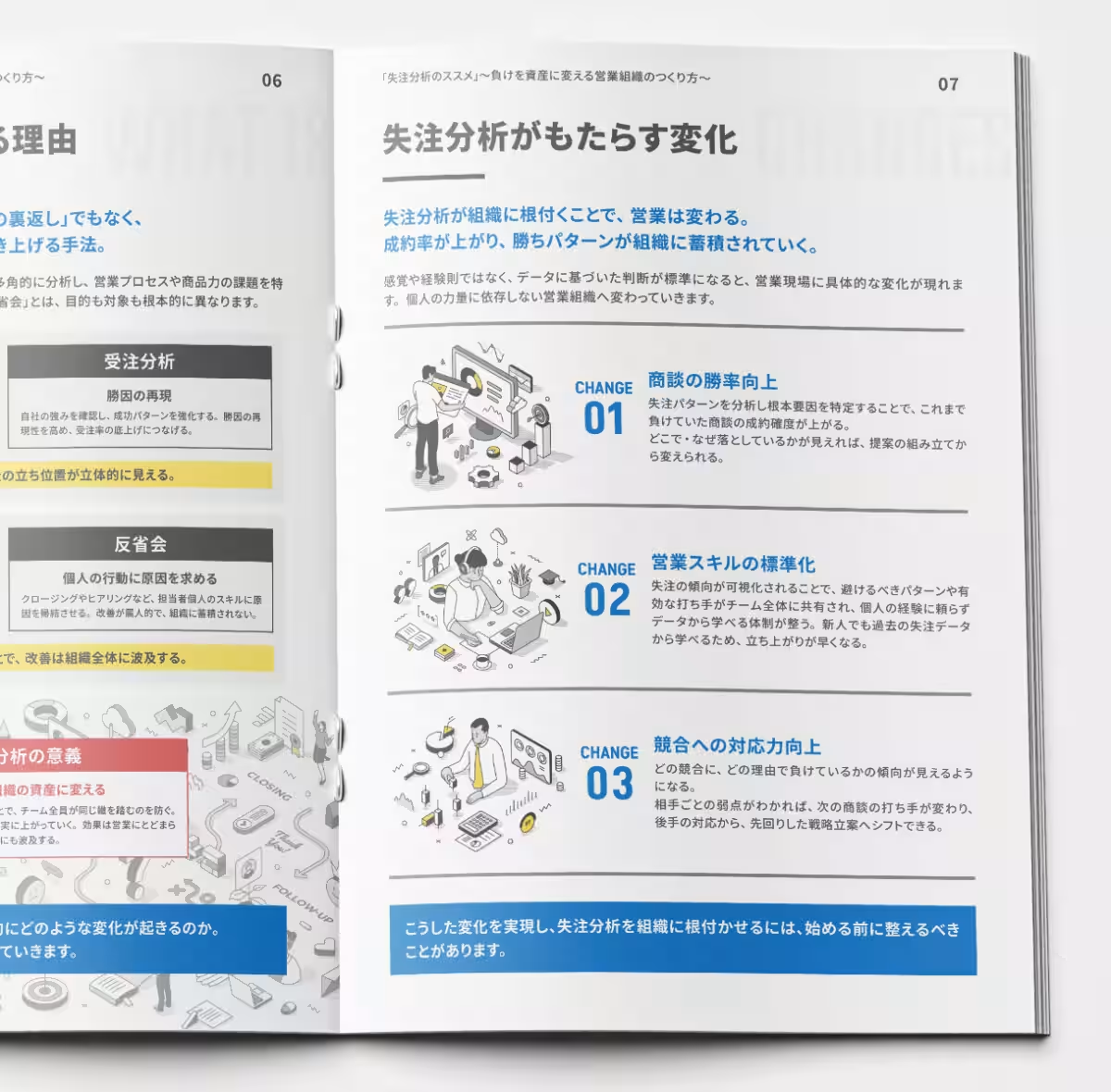
Changes Brought by Loss Analysis
Conducting a comprehensive analysis of lost sales can unveil transformative insights for a sales team. Rather than allocating blame, companies can leverage the findings to create targeted strategies, ultimately resulting in a higher conversion rate. This research-first mindset facilitates ongoing growth, independent of individual sales prowess.
Preparing the Organization for Change
Before initiating a thorough loss analysis, organizations need to ensure they are adequately prepared. This includes establishing the right environment, team mindset, and adequate tools necessary for implementing the analysis effectively.
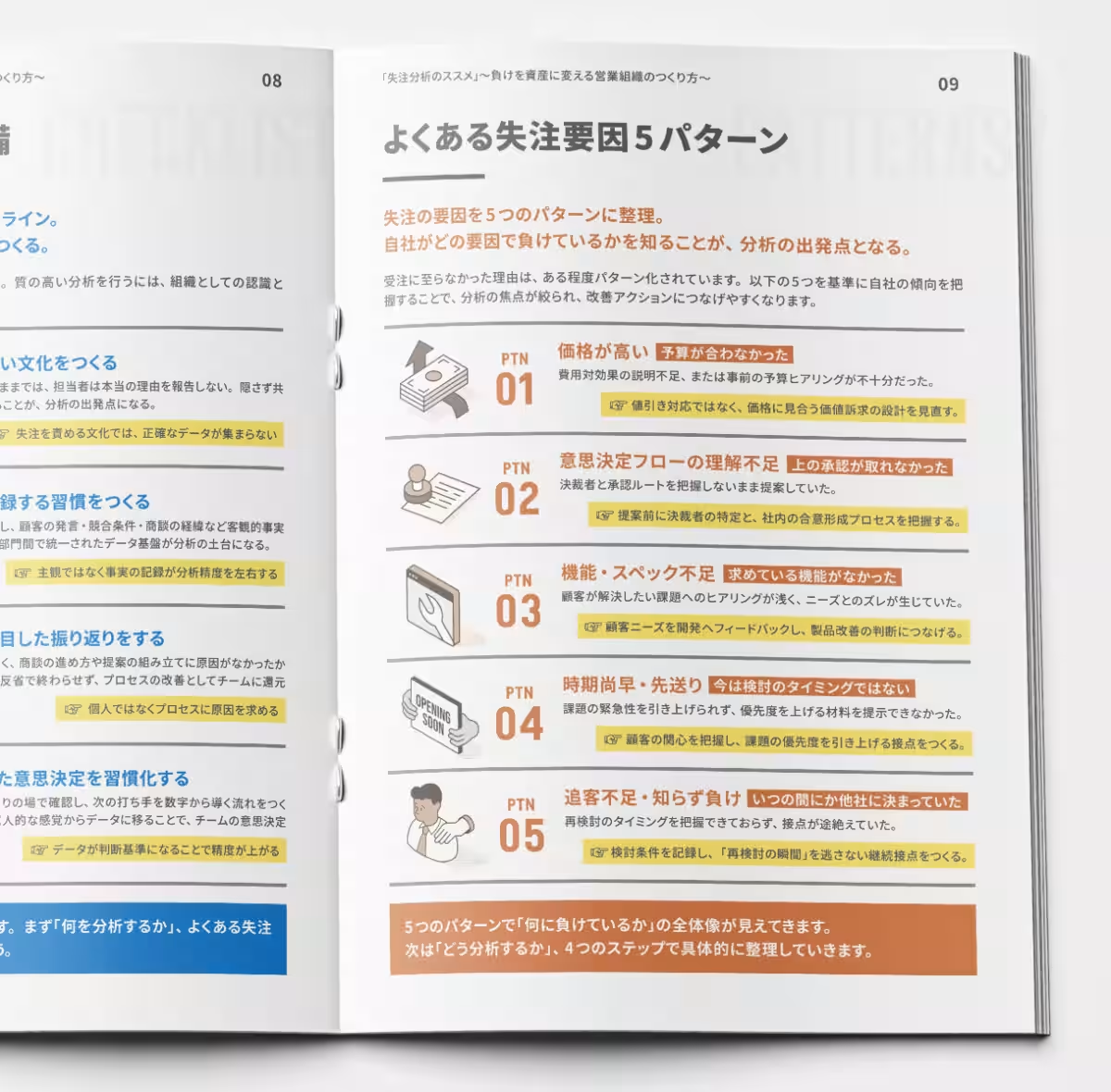
Common Causes of Lost Sales
Several frequent reasons for lost sales need to be identified and understood, including:
1. Price Sensitivity: When customer expectations exceed the value offered, deals are inevitably lost.
2. Timing Issues: The alignment of product availability or service with prospective customer readiness can often derail negotiations.
3. Competitive Alternatives: Potential customers may turn to competing offerings that appear more appealing.
4. Communication Failures: Misunderstandings can happen when product benefits are not clearly conveyed.
5. Mismatch in Solutions: When the offered solution does not align with the client’s specific needs, sales outcomes can be adversely affected.
Four-Step Process for Analyzing Losses
To effectively analyze lost sales, Softbrain outlines a four-step process:
1. Data Collection: Gather comprehensive data on lost opportunities, including customer feedback and competitor benchmarks.
2. Categorization: Classify the losses based on common themes to assist in identifying patterns and areas for improvement.
3. Analysis: Evaluate the data to pinpoint specific causes and their impact on sales effectiveness.
4. Implementation of Insights: Use the findings to revise sales strategies, training programs, and customer engagement tactics.
Creating a Functional Environment for Analysis
Successfully utilizing loss analysis hinges on cultivating an organizational culture that values learning and transparency. Creating a non-punitive environment encourages sales teams to share insights and experiences, which can inform future strategies.
The Role of SFA in Transforming Analysis
Soft Sales Manager (SFA) plays a pivotal role in revolutionizing the approach to loss analysis by providing the necessary tools and frameworks for effective data handling. Implementing SFA can streamline the analysis process, aiding organizations in visualizing problem areas effectively and addressing them in real-time.
Success Stories of Improved Conversion Rates through Loss Analysis
There are numerous success stories available wherein companies have witnessed significant improvements in their closing rates as a direct result of implementing rigorous loss analysis. By sharing these case studies, potential adopters can understand the transformative potential hidden within each failed deal.
Acknowledging the Need for a Comprehensive SFA Tool
Finally, it is vital to have a robust SFA tool that not only assists in managing sales processes but also supports in-depth loss analysis. Softbrain provides a suite of solutions designed to empower organizations to maximize efficiency and increase sales productivity.
Conclusion
Transforming lost sales into valuable insights is a game-changer for organizations seeking to enhance their sales strategies. By adopting a proactive analytical approach, sales teams can foster continuous growth, ensuring that future engagements are informed by past experiences. Sales managers and executives are encouraged to leverage the insights contained within this research to bolster their organizations’ sales efforts and overall performance.


Topics Business Technology)

【About Using Articles】
You can freely use the title and article content by linking to the page where the article is posted.
※ Images cannot be used.
【About Links】
Links are free to use.