


Unveiling the HIV/AIDS Historical Archive Project: Collecting Memories for Future Generations
Introduction
In a significant move to commemorate the experiences and struggles associated with the HIV/AIDS epidemic, the certified NPO Place Tokyo has launched the "HIV/AIDS Historical Archive Project." This initiative seeks to collect and share vital testimonies from individuals who lived through the early chaotic years of the epidemic, particularly the decades of the 1980s and 1990s, when effective treatments were still in their infancy.
Project Overview
The project has debuted a dedicated website featuring seven interview videos that can be accessed freely by anyone interested. This platform is not just a repository of memories; it serves as a critical space for education and awareness, ensuring the hard-learned lessons from that era are not forgotten.
The seven video testimonies include:
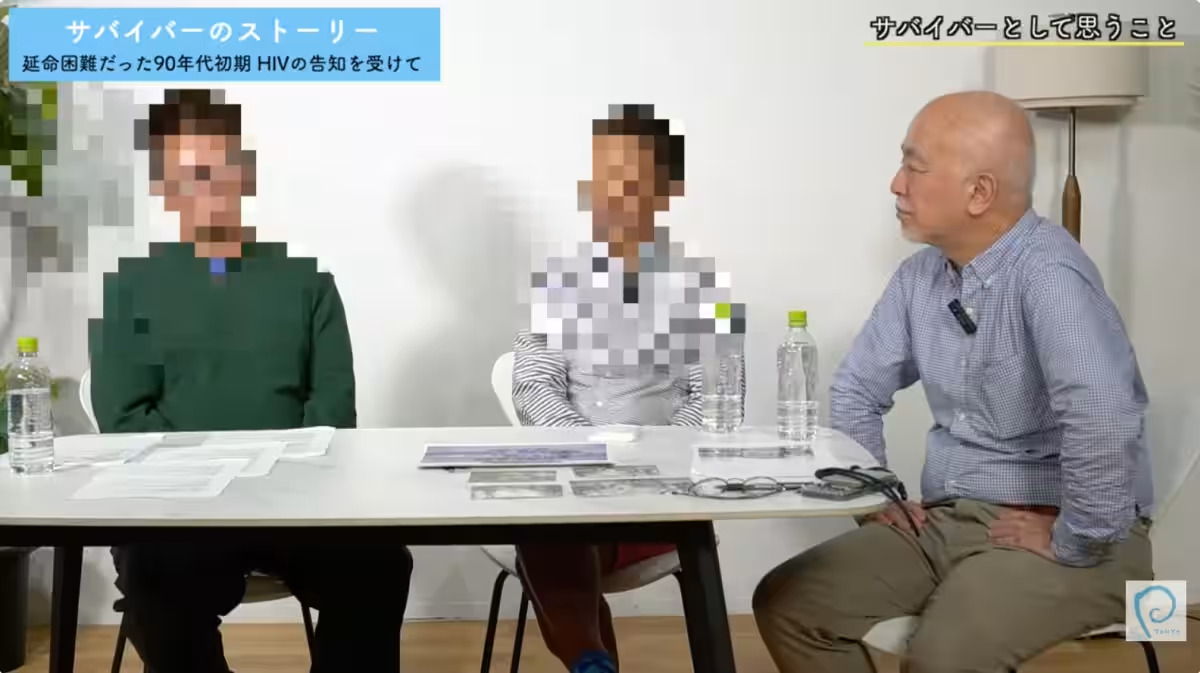
1. Survivor Stories
2. The Establishment of Place Tokyo and the Yokohama International AIDS Conference of 1994
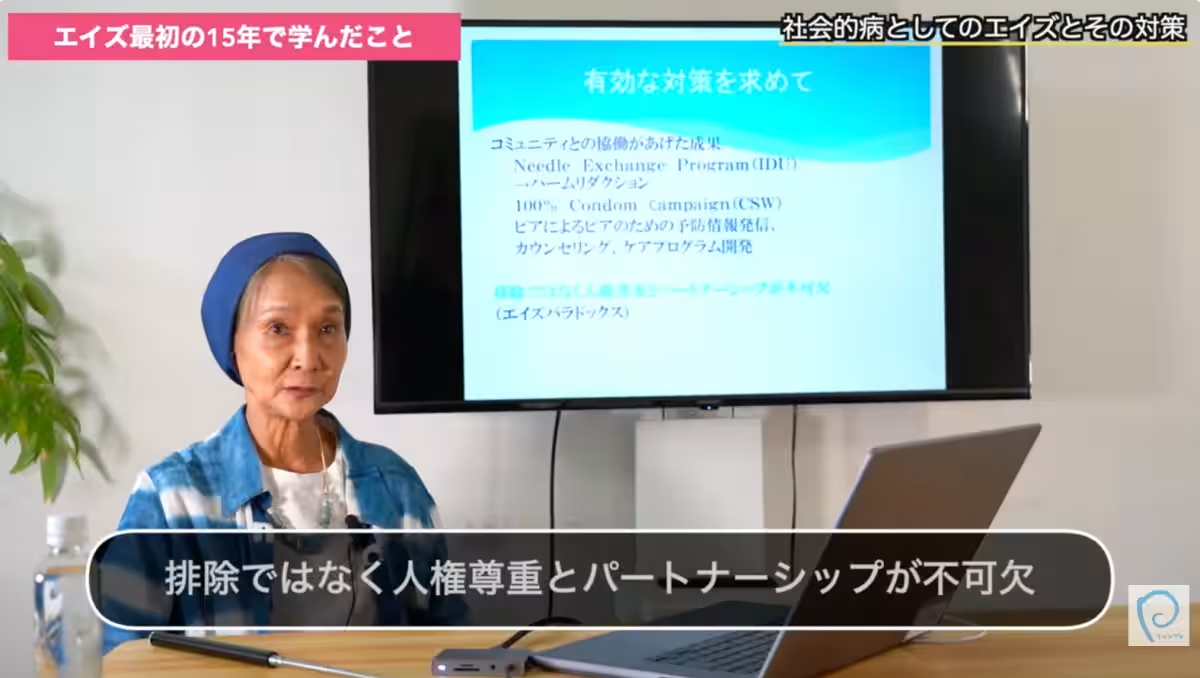
3. AIDS as a Social Illness: From Chaos to Coexistence
4. The Developments Post-1996 in Tackling AIDS
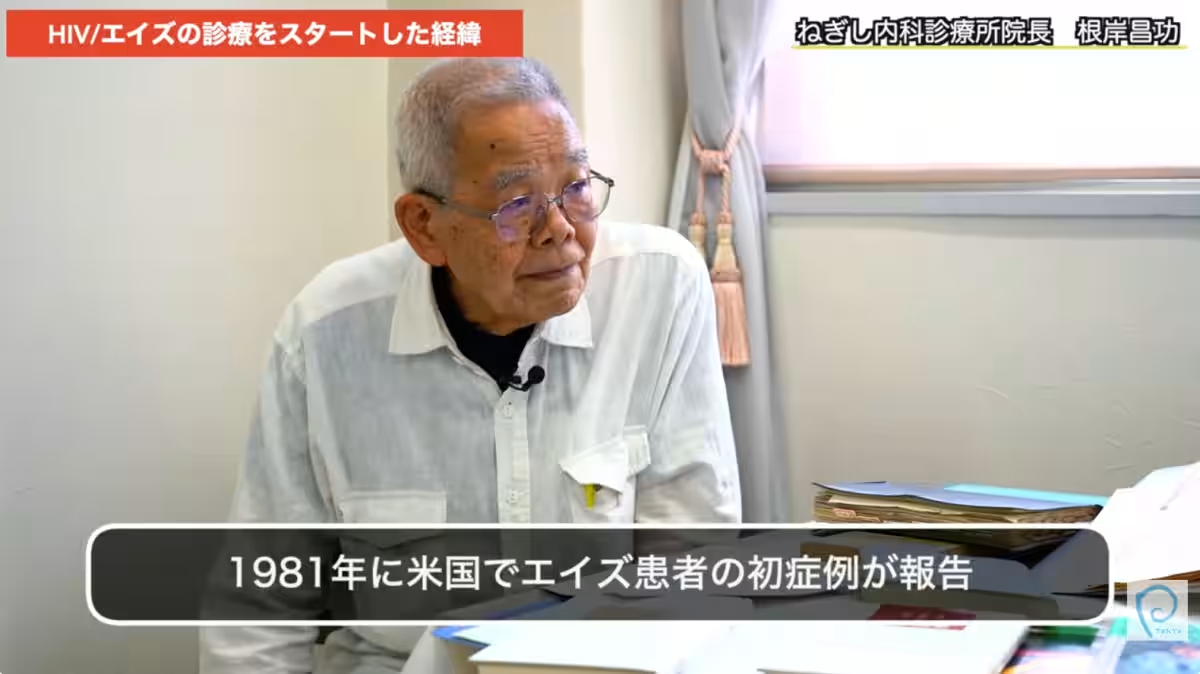
5. Reflections from Frontline HIV/AIDS Medical Practitioners
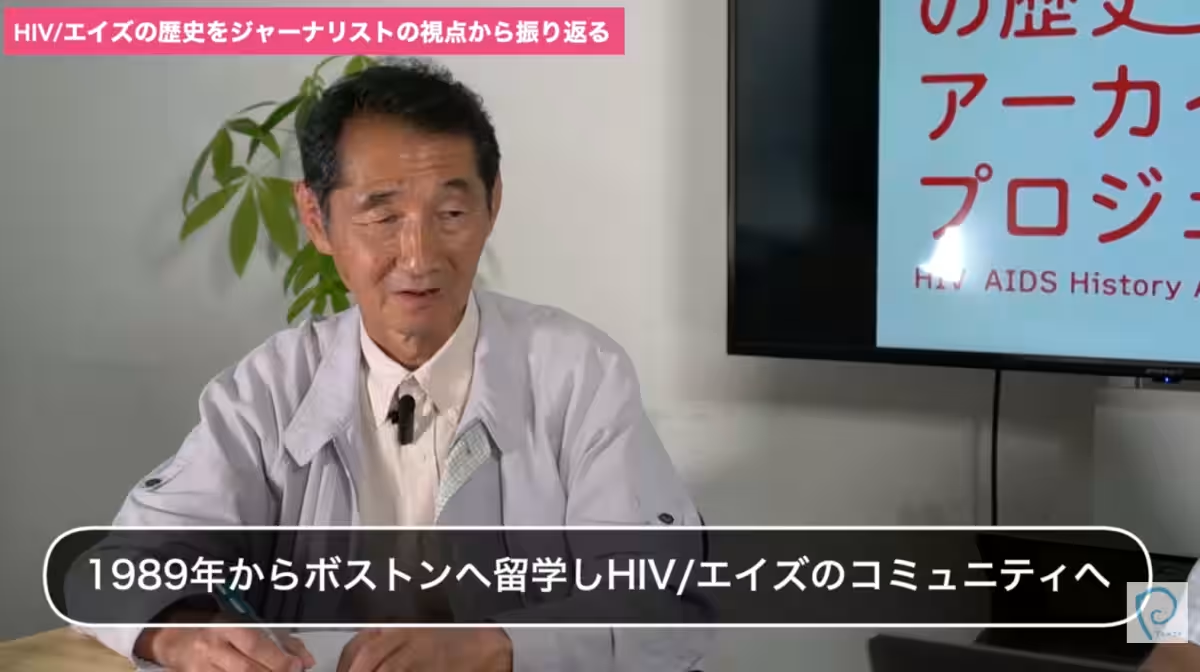
6. Journalistic Perspectives on the History of HIV/AIDS
7. A Retrospective on HIV/AIDS from 1981 to 2000
Among the survivors featured in the first video are two individuals who were diagnosed with HIV in the 1990s, sharing their personal narratives and the societal challenges they faced. Their stories add a human dimension to the statistics, illustrating the plight and resilience of those affected.
Background and Purpose
The HIV/AIDS epidemic has been a defining public health crisis for over four decades, and as medical science has advanced, the societal landscape surrounding the disease has evolved. Many people now living with HIV can expect to lead healthy, normal lives thanks to advancements in treatment. However, the devastating reality remains that between the early 1980s and 1990s, countless lives were lost before effective treatments could be developed.
As time passes, the recollections and experiences of those who survived during those harrowing times are at risk of fading away. The HIV/AIDS Historical Archive Project stands as an essential initiative to document and preserve these narratives that provide context and insight into not only the medical advancements but also the societal responses and attitudes towards the disease.
Impact and Future Prospects
This archive isn’t only about preserving history; it's a tool for education and advocacy. By showcasing these stories, the project hopes to facilitate a better understanding of the complexities surrounding HIV/AIDS, thereby combating stigma and misinformation that persists today. The archive can serve as a vital educational resource for future generations, enabling them to learn from the experiences of the past.
The documented video interviews will become invaluable historical resources, contributing to the collective memory of society and ensuring that the legacy of those who fought against HIV/AIDS lives on. This initiative is expected to help bridge generational gaps in understanding the epidemic's history and foster greater empathy and awareness among the public.
About Place Tokyo
Place Tokyo, established in 1994, has played a pivotal role in advocating for HIV prevention and support for those living with the virus. The organization continues to expand its outreach and educational efforts, actively working towards improving healthcare access for both the LGBTQ+ community and individuals living with HIV. Information about the organization and its various projects can be found on its official website: Place Tokyo.
The project’s tagline, "Connecting Memories of HIV/AIDS for the Future," encapsulates its mission to ensure that the painful yet significant experiences of the past are recorded, remembered, and respected.
For additional information or inquiries, interested parties can contact Place Tokyo via email at [email protected], or by phone at 03-3361-8964 during business hours.
The stories shared through this project are not just a reflection of the past but serve as a foundation for a more informed and compassionate future.


Topics Health)


【About Using Articles】
You can freely use the title and article content by linking to the page where the article is posted.
※ Images cannot be used.
【About Links】
Links are free to use.