



Understanding the Rise of Cyber Crimes Targeting the Elderly in Japan
Understanding the Rise of Cyber Crimes Targeting the Elderly in Japan
Avast, a consumer cyber safety brand under Gen (NASDAQ: GEN), has recently released the "Avast Safe Tech Report," revealing disturbing trends regarding cyber crimes aimed at elderly individuals in Japan and across 10 other countries. The study underscores how the rapid digitization of society creates vulnerabilities, exposing seniors to online threats without adequate protective measures in place.
Key Findings from the Avast Safe Tech Report
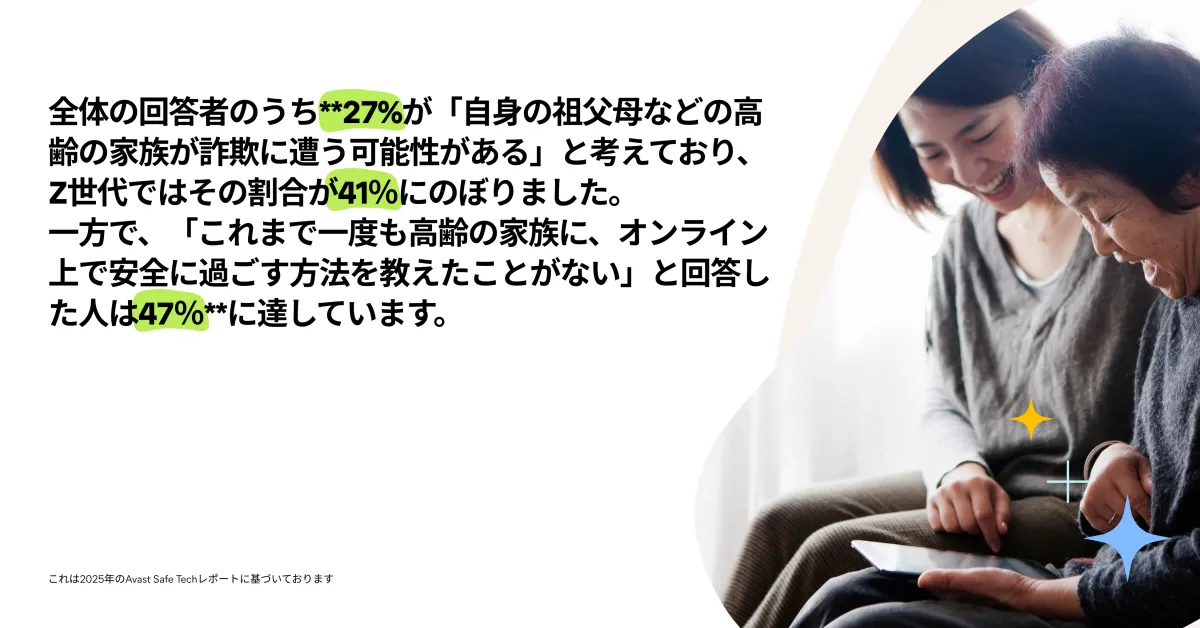
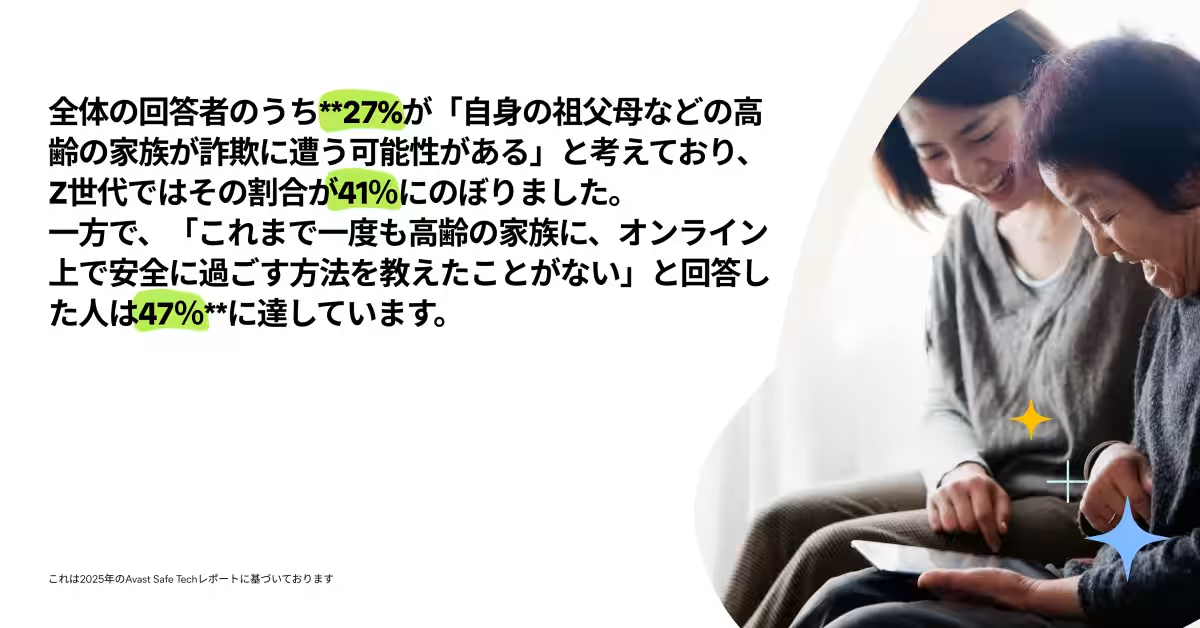
The survey, which covered participants from Australia, Brazil, Czech Republic, France, Germany, Italy, Japan, Mexico, New Zealand, the United Kingdom, and the United States, revealed several critical statistics about the elderly's online safety concerns. Alarmingly, 76% of respondents reported having elderly family members, yet 27% indicated that these family members had experienced some form of online fraud. Common methods of scams primarily involved emails and phone calls, with each method being cited by 47% of those surveyed.
Further insights revealed that 41% of Generation Z respondents expressed anxiety that their elderly family members might fall victim to online fraud. Despite this concern, 47% admitted they had never discussed online safety measures with their older relatives. This indicates a gap between awareness and action, demonstrating the need for proactive communication regarding cybersecurity.
Inadequate Awareness and Response
According to the report, 62% of adults have attempted to warn their elderly family members about the risks of online behaviors and scams. Yet, only half of those who received such warnings changed their behaviors in response. In stark contrast, nearly half (47%) of seniors still rely on outdated practices, such as writing down passwords on paper, which can expose them to more significant risks in an increasingly digital world.
Leila Birge, the director of Avast's Fraud Research Lab, emphasized that while recognizing scams is critical, it is even more essential for seniors to feel confident enough to ask questions. She noted that technological advancements happen so rapidly that it can be challenging for any generation to discern what is authentic versus what poses a threat. Therefore, equipping seniors with the ability to question suspicious scenarios and take a moment to pause is paramount.
How Families Can Protect Their Elderly Loved Ones
Avast advocates for families to hold discussions about online fraud and cyber risks, referred to as "Safe Tech Talks." Here are some outlined measures to improve cyber safety among older family members:
1. Conduct Safe Tech Talks: Set aside time to discuss online safety practices and share knowledge on recognizing suspicious messages or calls. Consider posting reminders in central locations within the home, emphasizing safety measures.
2. Enhance Password Practices: Encourage seniors to use long, unique passwords across accounts. Recommended passwords should be at least 15 to 20 characters long, including a mix of uppercase, lowercase, numbers, and symbols. Utilizing password managers can further bolster security.
3. Recognize Warning Signs: Advise vigilance over unexpected emails or calls imitating banks, medical institutions, or tech support, especially when they create a sense of urgency.
4. Know Common Scams Targeting the Elderly: Familiarize seniors with prevalent scams such as phishing, tech support fraud, romance scams, fake invoices, phishing for software updates, and health insurance scams.
5. Employ Advanced Security Tools: Utilize security software, such as Avast's Fraud Guardian, to protect devices, and ensure that software and applications are always up-to-date.
6. Work as a Team: Encourage the family to collectively address cyber safety. Create a plan for what to do if suspicious messages are received, fostering an environment where verification is normalized before action is taken.
By incorporating these practices into daily routines, families can enhance their elders' safety online just as they would check that doors are locked or fire alarms are functional. There should be no hesitation in asking questions related to cybersecurity; it's far better to inquire and avoid regrets later.
For further details about Avast's 2025 Safe Tech Report and tips on starting Safe Tech Talks, feel free to visit Avast's blog.
About the Avast Safe Tech Report
This survey was conducted online by Dynata, commissioned by Gen, between April 30 and May 9, 2025, involving 1,000 adults aged 18 and above in Japan. The findings were weighted according to age, gender, and region to ensure national representation.
Avast's Free Antivirus Features
Avast's offerings include the Fraud Guardian, designed to detect scams by providing 24/7 AI guidance on suspicious websites, messages, emails, and offers.
About Avast
As one of the brands under Gen (NASDAQ: GEN), Avast delivers protection from online threats to mobile, PC, and Mac users worldwide. The company has been recognized by various evaluators for its quality of service and has committed to fighting against stalking software, ransomware, and other security issues.
Topics Other)
【About Using Articles】
You can freely use the title and article content by linking to the page where the article is posted.
※ Images cannot be used.
【About Links】
Links are free to use.