



The Impact of the Revised Subcontract Act on Supply Chain Efficiency: Insights from CADDi's Survey
Understanding the Revised Subcontract Act and Its Impact
In preparation for the implementation of the revised Subcontract Act in January 2026, CADDi Inc., a startup focused on the digital transformation of the manufacturing industry, conducted a survey of 90 individuals from 77 different manufacturing companies. The aim was to gauge their awareness and concerns regarding this significant regulatory change.
What is the Revised Act?
The Subcontract Act is being updated to the Small Business Transaction Improvement Act, which will emphasize the prevention of payment delays to small enterprises involved in manufacturing contracts. This is viewed as a critical step towards enhancing transaction fairness within the supply chain. However, the alteration introduces additional burdens, including new employee criteria and mandatory retention of negotiation records, heightening operational challenges for those in the field.
Highlights from the Survey
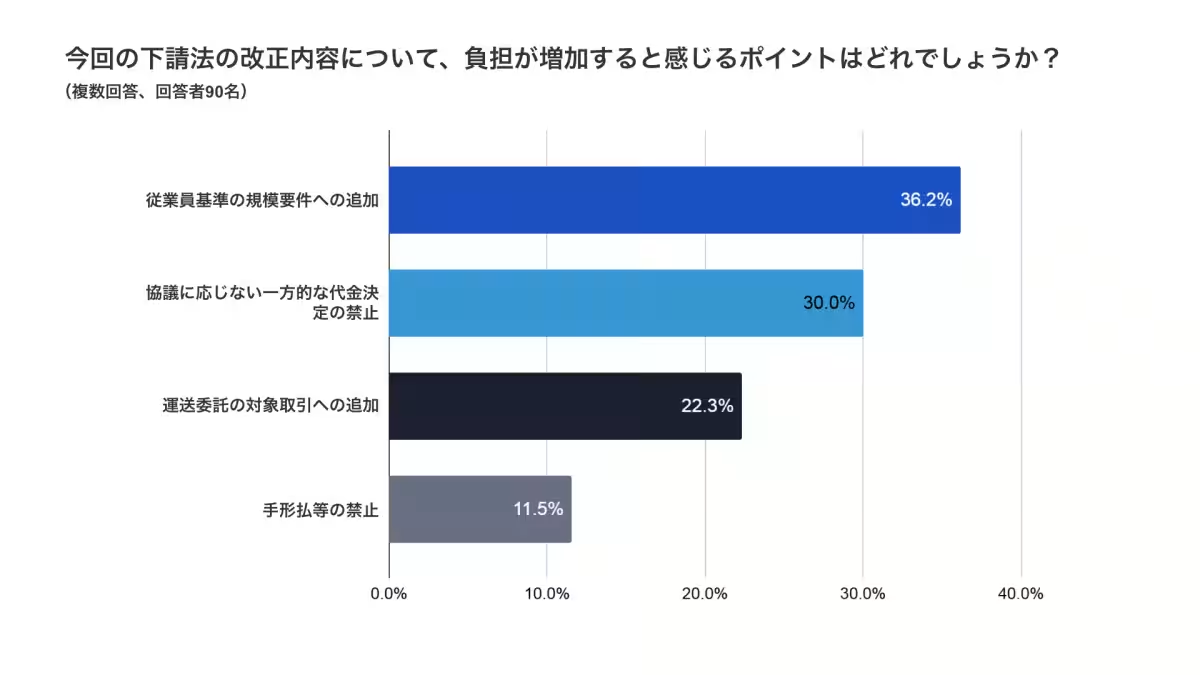
Participants were asked about their chief concerns resulting from the impending law changes:
- - 36.2% expressed anxiety regarding the newly established employee criteria.
- - Concerns surrounding unilateral pricing decisions ranked 30% as a significant worry.
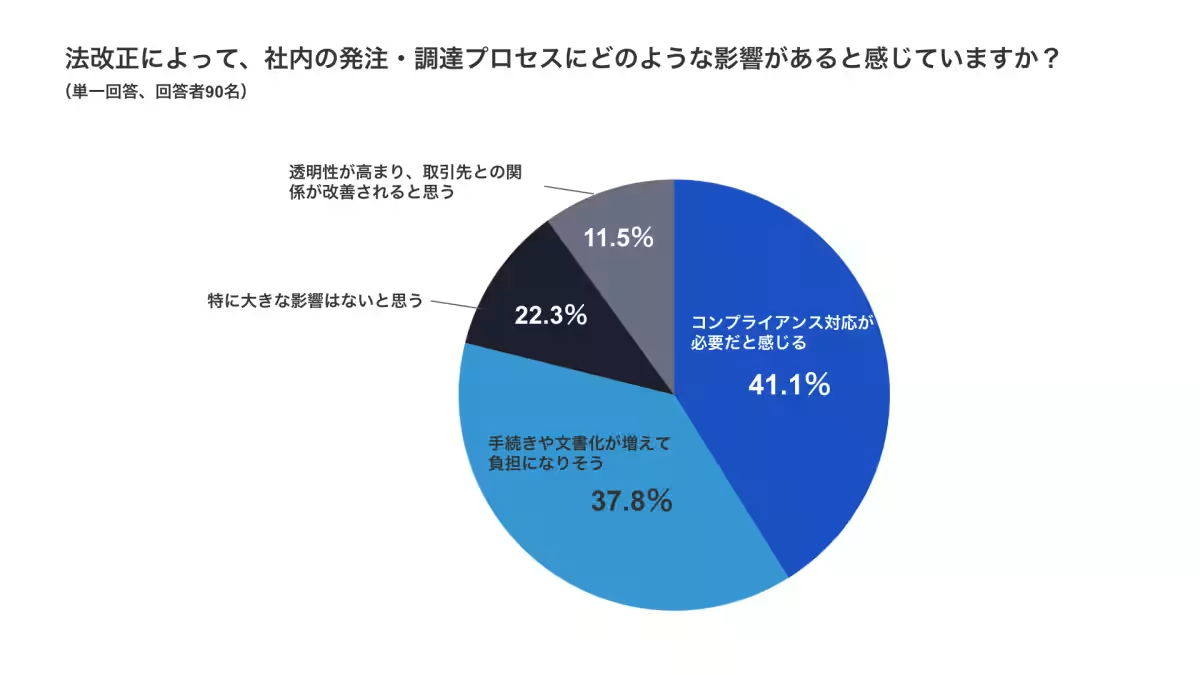
- - More than 41% anticipated challenges related to compliance, while 37.8% expected documented burdens to increase.
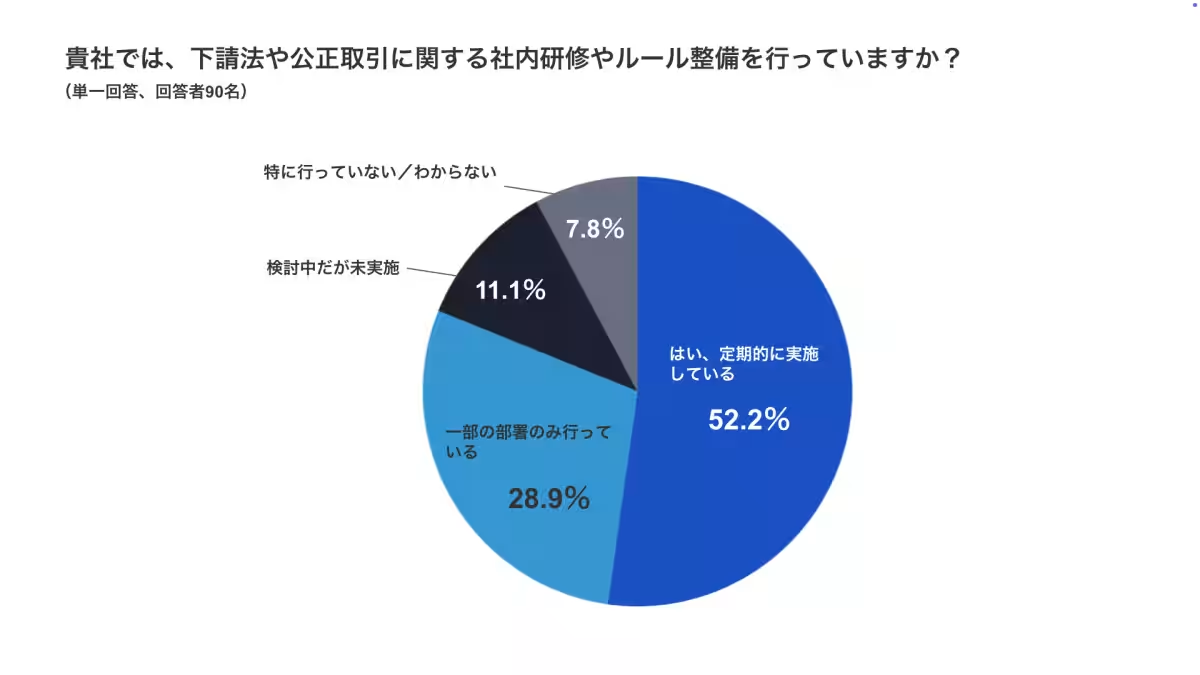
Interestingly, organizations have differing approaches to training. Approximately 52.2% of the surveyed entities conduct regular internal training on the Subcontract Act and fair trade practices, but around 40% reported inconsistent practices across departments.
Path to a Healthy Supply Chain
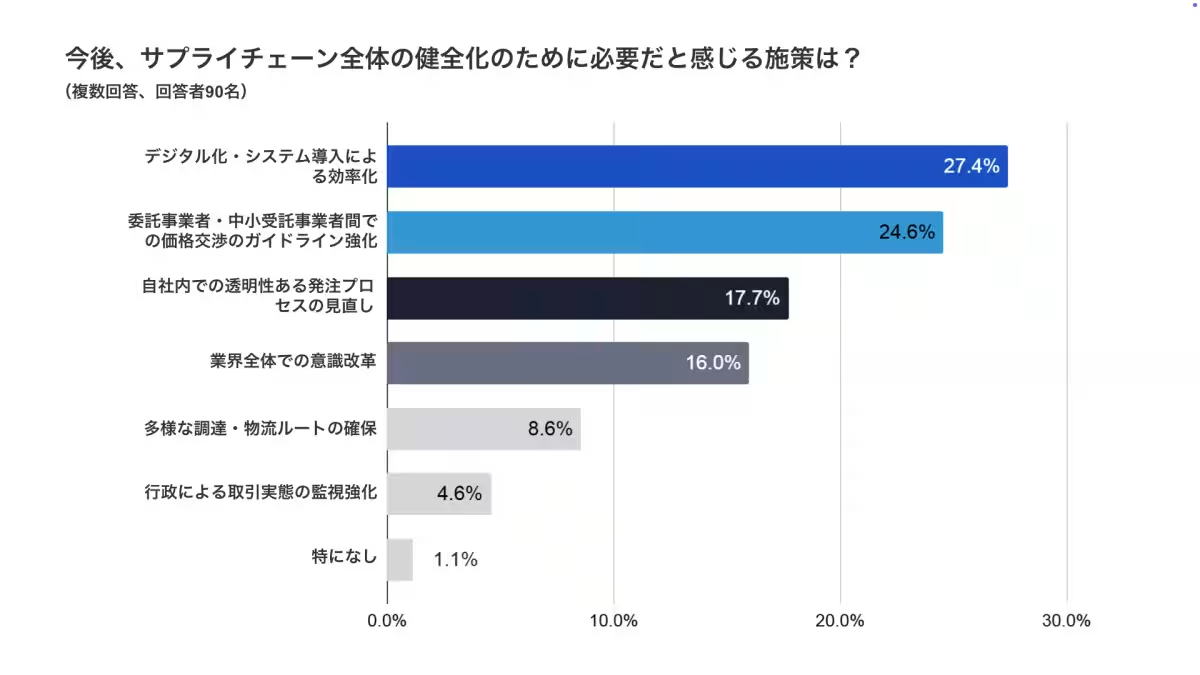
CADDi's report indicates digitalization as the most favored strategy for achieving a robust supply chain, with 27.4% of companies endorsing it. This number surpasses preferences for strengthening guidelines (24.6%) and revising the ordering process (17.7%). This finding underscores a strong belief in the necessity of creating an execution foundation through digital infrastructure rather than merely adhering to expanded rules.
Key Concerns Addressed
The survey results show a clear need for organizations to recognize the growing complexity of compliance efforts. The increasing regulatory scope and the necessity for proper documentation signal that traditional methods — relying solely on personnel or awareness shifts — are no longer sufficient. The consensus among companies is clear: implementing digital solutions is key to streamlining processes and standardizing operations for competitiveness.
Moving Forward
As the anticipated revisions to the Subcontract Act approach, companies must contemplate whether they will merely experience an increase in administrative burdens or seize the opportunity to elevate the transparency and sophistication of their transactions through data. The pivotal question remains: can technology be integrated into their management strategies effectively?
Ultimately, the outcomes of this impending legal transition hinge upon how organizations choose to confront these regulatory changes. Will they focus solely on compliance, or will they embrace the potential for a transformative shift towards a more efficient, transparent, and robust operational framework?
Conclusion
In summary, the impending changes introduced by the revised Subcontract Act necessitate a proactive and strategic response from the manufacturing industry. The findings from CADDi's survey provide essential insights into the immediate concerns and potential solutions for companies striving to navigate this complex landscape. By prioritizing digital transformation and efficiency over mere compliance, organizations will be better positioned to thrive in an increasingly demanding regulatory environment.
- ---
About CADDi Inc.
CADDi Inc. aims to unlock the potential of the manufacturing industry through the development of a data-driven AI platform designed to optimize production processes. Founded in November 2017, the company has raised a total of 25.73 billion yen in equity funding and is actively expanding its services across several countries, including Japan, the United States, Vietnam, and Thailand.
For further details, visit CADDi's official website.

Topics Consumer Products & Retail)
【About Using Articles】
You can freely use the title and article content by linking to the page where the article is posted.
※ Images cannot be used.
【About Links】
Links are free to use.