



Understanding the Current Status of GX Implementation in SMEs: Insights from Forval's April BLUE REPORT
Exploring Small and Medium Enterprises' Progress in Green Transformation (GX)
In the ever-evolving landscape of business, small and medium enterprises (SMEs) are gradually navigating the complexities of sustainability through Green Transformation (GX). A recent survey conducted by Forval GDX Research Institute, under the leadership of CEO Masanori Nakajima, unveiled crucial insights into the current status of GX implementation among SMEs. The findings are published in the latest edition of their BLUE REPORT, launched on March 13, 2026.
GX Awareness and Recognition
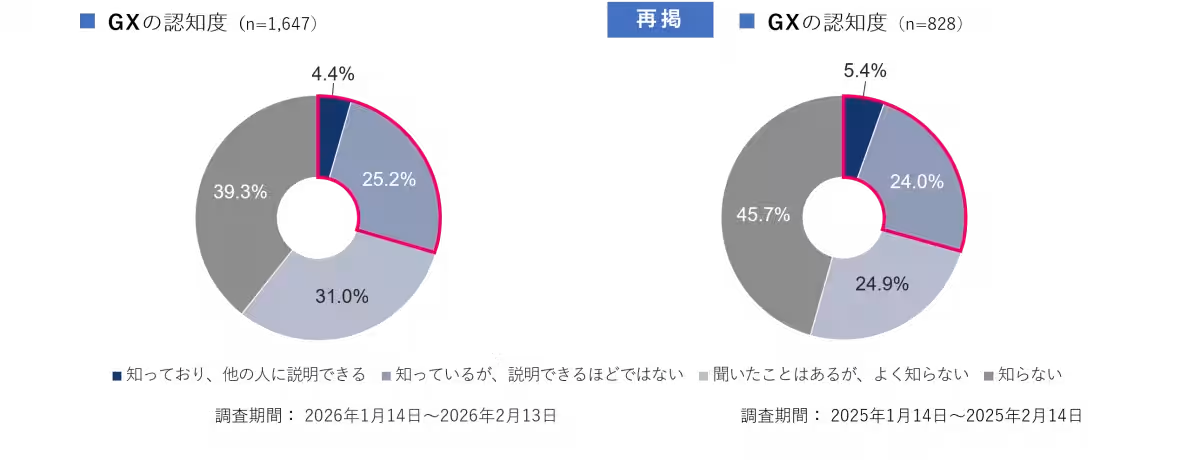
The survey highlights a concerning trend; while 29.6% of SMEs are aware of GX, this figure is significantly low compared to the digital transformation (DX) initiatives, where awareness is more pronounced. Out of those surveyed, only a fraction—4.4%—is capable of explaining GX to others, while the majority (25.2%) recognize the term but lack deeper understanding. Strikingly, around 70.3% of SMEs remain either unaware or only vaguely familiar with the concept.
Implementation Gaps
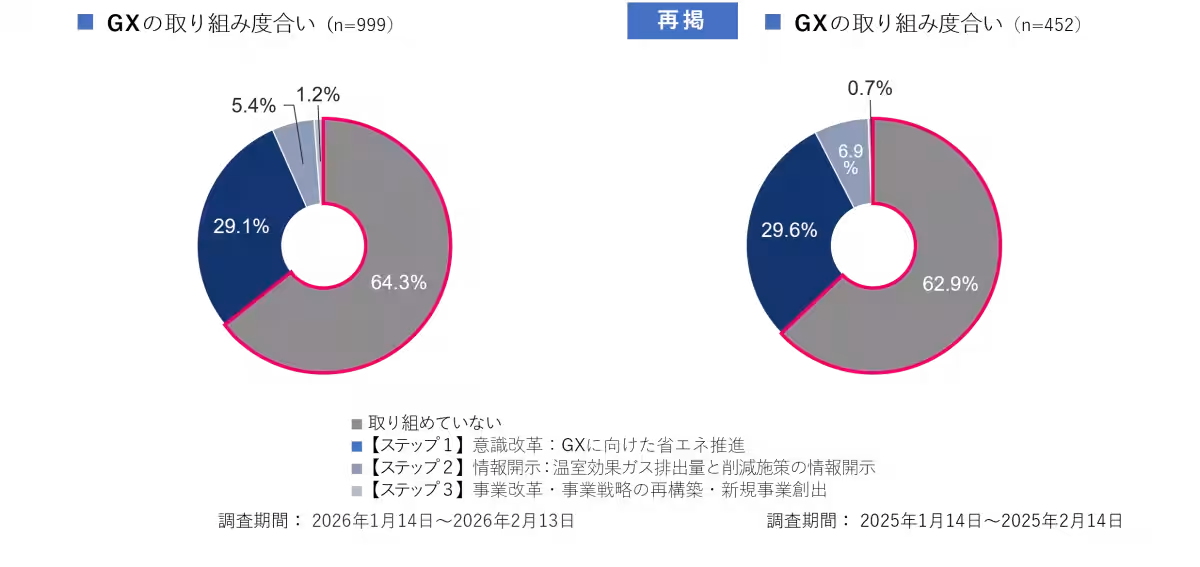
When it comes to actual implementation, only 35.7% of SMEs reported actively engaging with GX initiatives. The majority (64.3%) admitted to not taking any actionable steps toward GX. For those that are involved, efforts primarily focus on raising awareness and promoting energy-saving measures (Step 1 at 29.1%), followed by information disclosure on greenhouse gas emissions (Step 2 at 5.4%) and limited engagement in restructuring business strategies (Step 3 at 1.2%). These figures highlight a concerning disparity in engagement levels, especially when compared to previous years' data which indicated little to no significant changes in their approach to GX.
Future Intentions for GX
Despite the challenges, an encouraging 88.5% of respondents expressed willingness to continue supporting GX initiatives. This sentiment was reflected in their responses: 5.6% indicated they would make substantial efforts, while 29.7% stated they would make moderate efforts. The majority (53.2%) preferred to maintain their current GX activities, suggesting that while interest exists, a proactive shift towards expansion is yet to be realized.
The Landscape Ahead
The report further indicated that the limited understanding of GX among SMEs hinders their ability to embrace the concept fully. With the profound implications of environmental sustainability, recognition of GX’s potential impact on operational efficiency and cost reduction is crucial. Firms need not only to acknowledge the importance of GX but also to embed its principles within their corporate ethos to ensure long-term, sustainable growth.
Furthermore, the ability to leverage GX for securing investments and identifying new business opportunities cannot be overlooked. While the advantages are clear, the commitment to resource allocation remains a point of hesitation for many firms, resulting in slow progress.
Addressing the Challenges
To catalyze progress in GX implementation, raising awareness of its necessity across the entire economic landscape is imperative. SMEs must grapple with the question of why undertaking GX initiatives is vital. Moreover, embedding the understanding that GX is a pathway toward sustainable economic practices is crucial. The narrative surrounding GX must extend beyond mere environmental compliance, showcasing it as a strategic business approach that can enhance overall profitability and resilience.
Conclusion
The findings from Forval's BLUE REPORT underline the importance of elevating awareness and action toward GX in SMEs. Although recognition is low, the willingness to engage in GX initiatives highlights a window of opportunity. For the future, it remains essential for small and medium enterprises to grasp the transformative potential of GX—not only as a reactive measure to societal expectations but as a proactive strategy integral to economic growth.
By fostering a culture of sustainability, SMEs can not only contribute to environmental goals but also pave their way toward remaining competitive and financially viable in an increasingly demanding marketplace.


Topics Consumer Products & Retail)

【About Using Articles】
You can freely use the title and article content by linking to the page where the article is posted.
※ Images cannot be used.
【About Links】
Links are free to use.