




Esaka Regains Top Spot in Osaka's Rental Property Ranking for 2026
Esaka's Resurgence: The Leading Neighborhood in Osaka's Rental Market
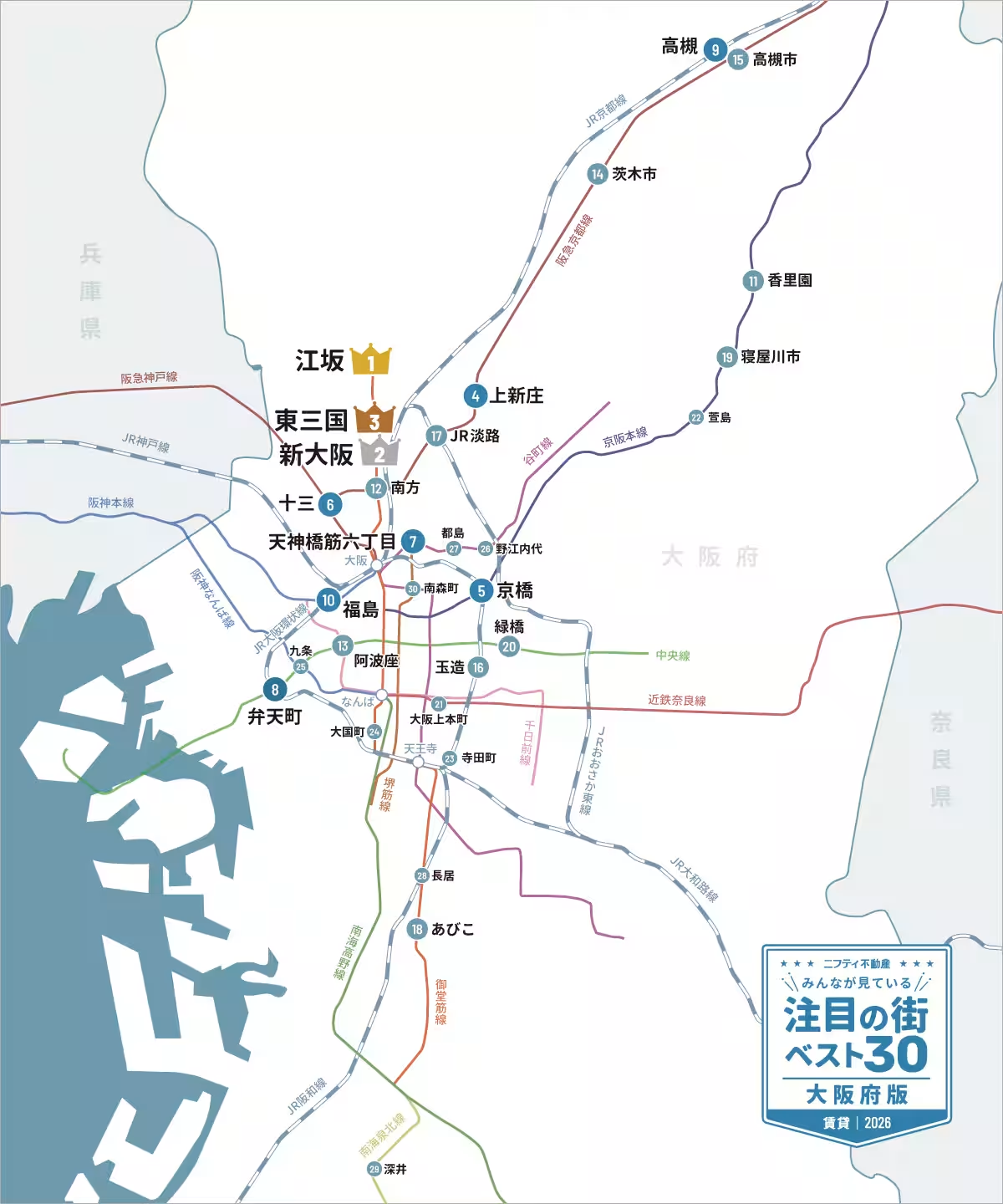
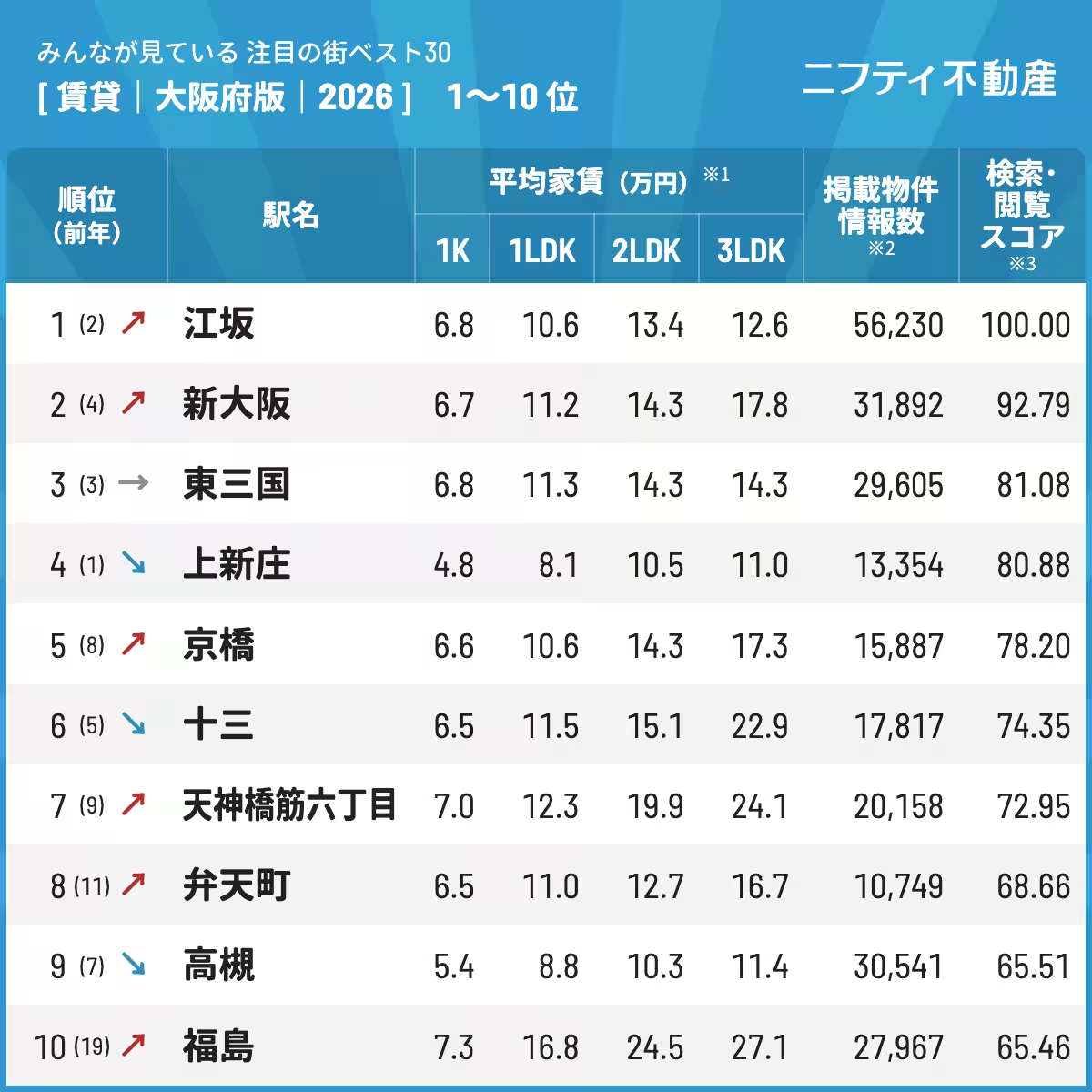
In a recent ranking of neighborhoods in Osaka's rental market, Esaka has reclaimed its position as the top choice for potential renters in 2026, after previously ranking second. This ranking is based on extensive search and viewing scores from users seeking rental properties on the Nifty Real Estate platform, which boasts over 14 million listings.
The analysis considers various factors, including transportation convenience, rental prices, and overall living environment, showcasing the most desirable neighborhoods for renters.
Top Three Neighborhoods
1. Esaka
2. Shin-Osaka
3. Higashi-Mikuni
Continuing from previous years, the top three positions are dominated by neighborhoods serviced by the Osaka Metro Midosuji Line, with the area between Shin-Osaka and Esaka emerging as a primary focus for both living and commuting.
A Closer Look at Esaka
Esaka, located in Suita City, is notable for its excellent transport links via both the Osaka Metro Midosuji Line and the Kitakyushu Express Line. It offers quick access to major stations: just two stops away from Shin-Osaka in approximately four minutes, and ten minutes directly to Umeda.
What sets Esaka apart is its vast collection of rental property options. With approximately 58,000 listings, it outnumbers Shin-Osaka's by about 1.8 times, making it the top neighborhood in terms of the number of available properties for four consecutive years.
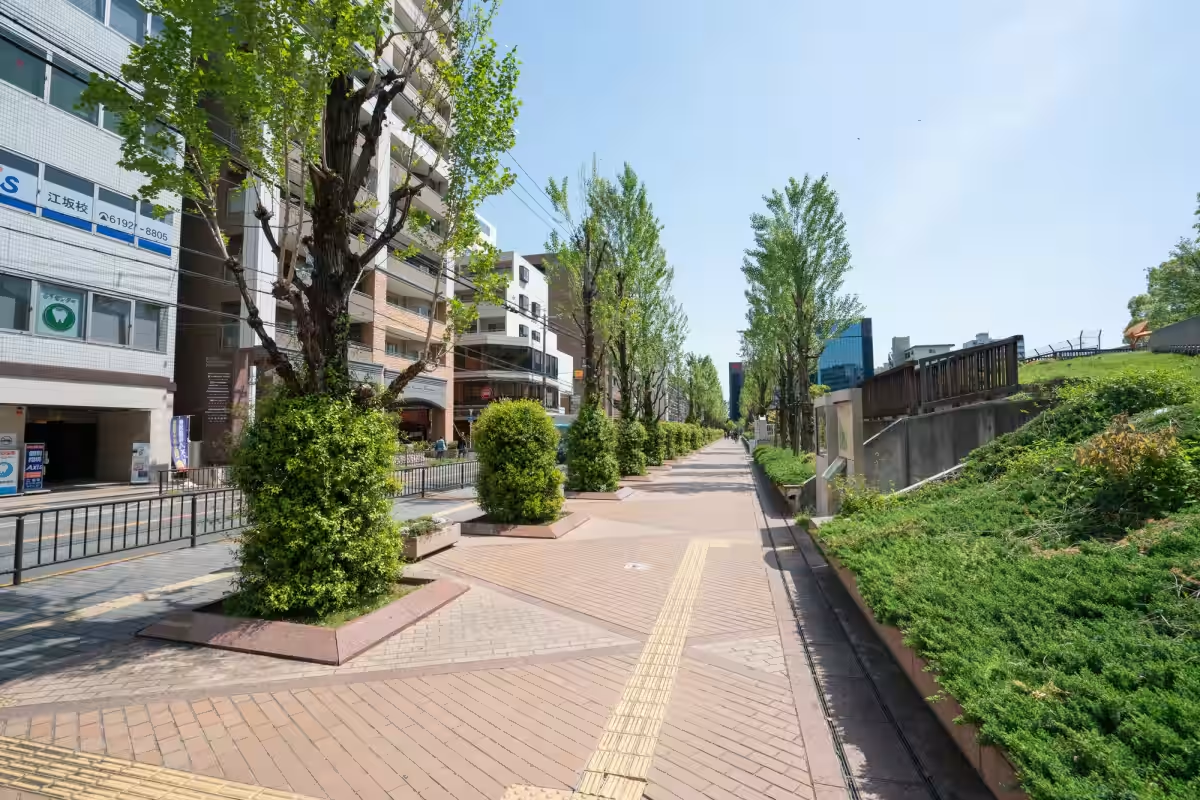
Moreover, Esaka's vicinity includes a wealth of supermarkets, dining venues, and commercial facilities, allowing residents to conveniently meet their daily needs. Its natural beauty is highlighted by the lush Esaka Park, providing a unique blend of urban living and greenery. The affordable average rent, combined with the abundance of properties on offer, cements Esaka’s reputation as the go-to choice for many renters.
Shin-Osaka's Growth
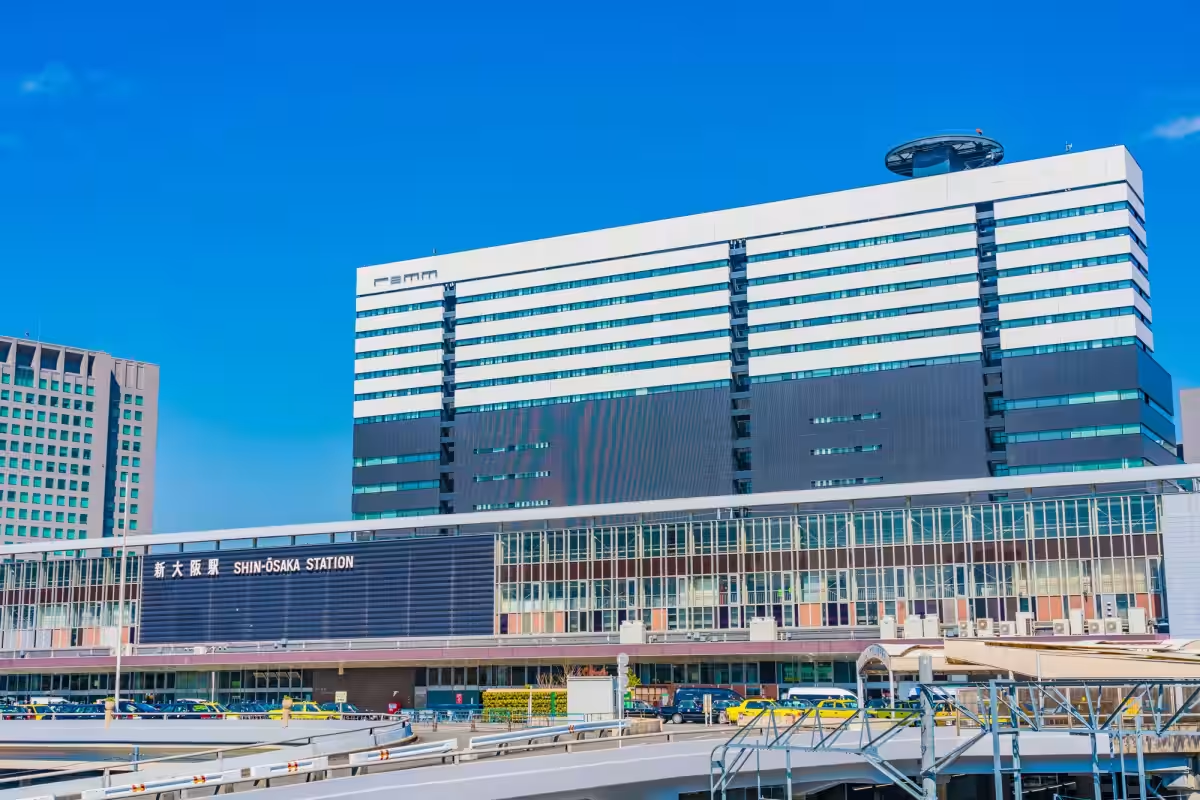
In second place is Shin-Osaka, situated in the Yodogawa Ward. The area has advanced two spots from its previous ranking. It serves as a major transportation hub, connecting the Tokaido and Sanyo Shinkansen as well as the JR Kyoto and Osaka East Lines. Notably, it connects directly to Umeda station in about six minutes and provides effortless access to Tokyo and Hakata by Shinkansen.
The area is undergoing significant infrastructural improvements, notably the creation of a new line connecting Osaka Station's Umeda area with Namba Station and Nankai Shin-Imamiya Station. This project, set to open in spring 2031, will significantly enhance transportation to Kansai International Airport.
With over 31,000 listings, Shin-Osaka follows closely behind Esaka, offering renters a great variety of accommodations. Its favorable location and property diversity make it increasingly popular among users.
Higashi-Mikuni Maintains a Steady Appeal
Ranking third, Higashi-Mikuni (also in Yodogawa Ward) continues to hold a place in the top three for three consecutive years. It is conveniently located just an 8-minute ride to Umeda station and shares borders with Shin-Osaka, situated in a quiet residential setting just a stone’s throw away from urban conveniences.
In addition to its strategic location, it offers government support for families raising children, making it an attractive area for many households.
Rising Stars in Osaka's Rental Market
Two neighborhoods have made remarkable strides in this year's ranking, even though they didn’t make it to the top three: Kawari-en and Kujo.
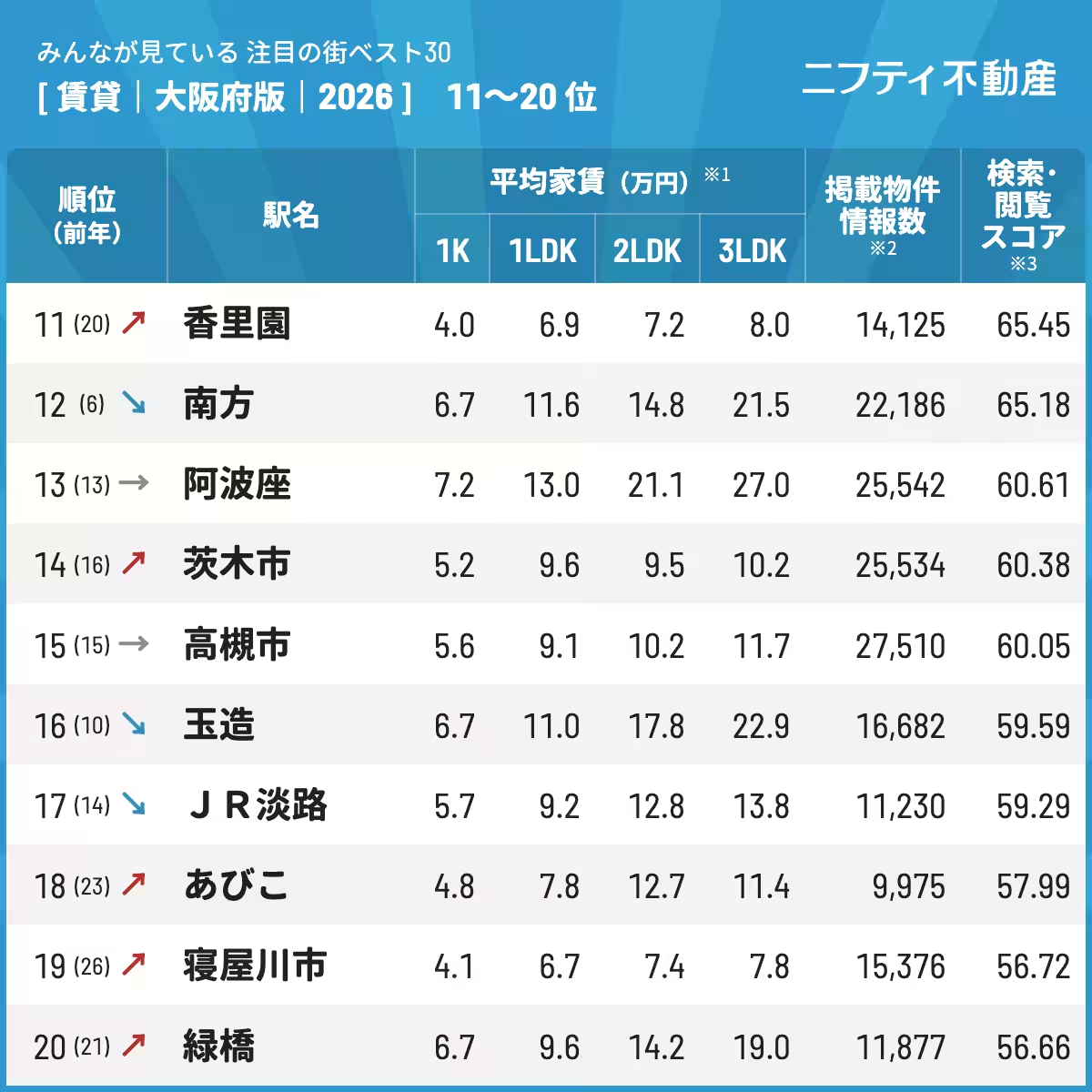
– Kawari-en skyrocketed from 20th to 11th place, celebrated for its affordability (around ¥40,000 for a 1K unit) and robust local amenities, including medical facilities and grocery stores.
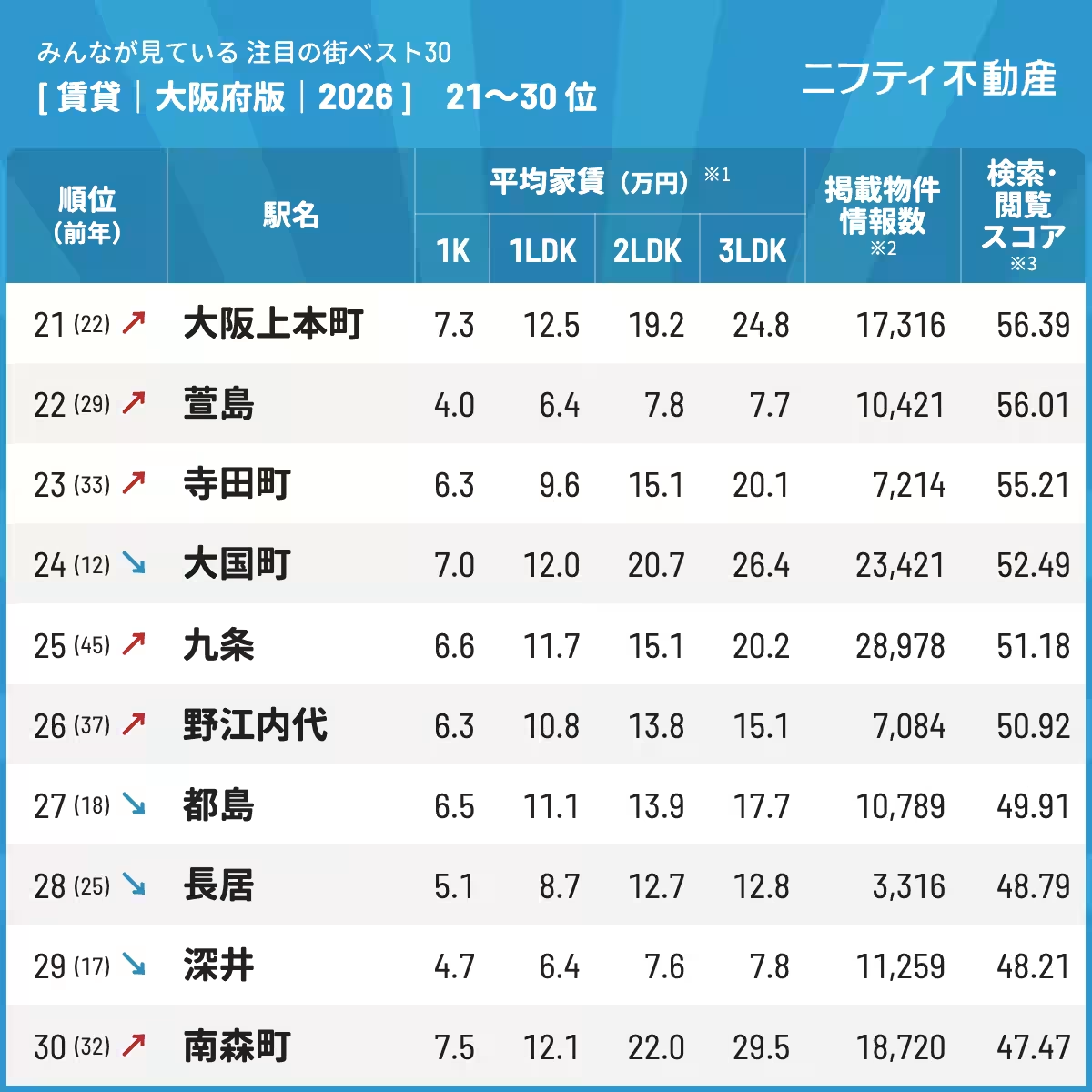
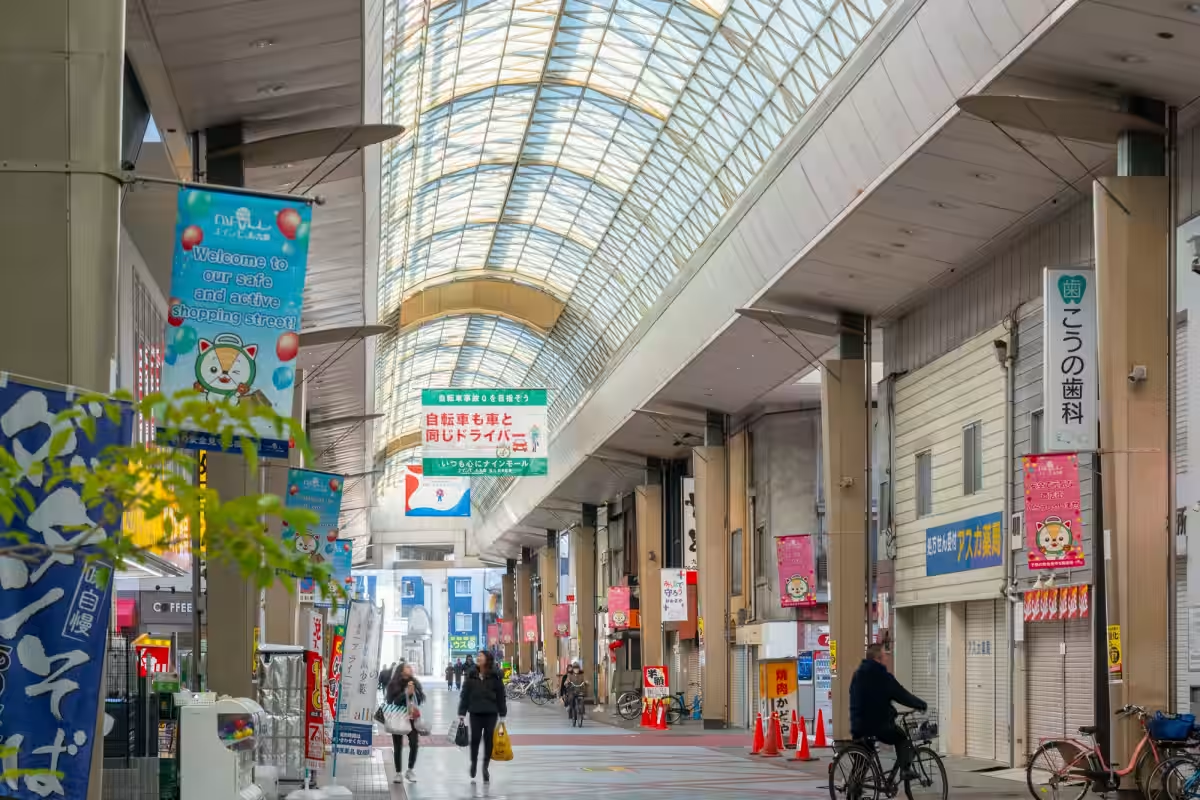
– Kujo, once ranked 45th, has jumped to 25th, bolstered by its accessibility via the Osaka Metro Chuo Line and Hanshin Namba Line. Its rich local culture is encapsulated by the vibrant Kilala Kujo shopping street, which hosts various shops and eateries.
Closing Thoughts: The Future of Osaka's Rental Market
As the rankings demonstrate, the trends in Osaka’s rental market illuminate an ongoing preference for areas that balance accessible transportation with affordable living costs. The emergence of rising neighborhoods highlights the dynamic shifts in preferences among renters, making the city’s rental landscape both competitive and diverse.
As the demand for attractive living environments continues to shape Osaka, monitoring these trends will be crucial for both renters and real estate professionals alike.

Topics Consumer Products & Retail)


【About Using Articles】
You can freely use the title and article content by linking to the page where the article is posted.
※ Images cannot be used.
【About Links】
Links are free to use.