



The Changing Landscape of Solar and Storage Sales: Insights from Recent Survey
Introduction
In a recent report from Kokusai Kogyo Co., Ltd., which focuses on effective economic diagnostics for solar energy and battery installations, it was revealed that the landscape for door-to-door sales of solar panels and batteries is changing dramatically. Conducted with 111 individuals who have experience in home sales within the last three years, the survey aimed to explore the evolution of sales styles and the increasing importance of collaboration in the industry.
Key Findings
1. Increasing Difficulty in Sales
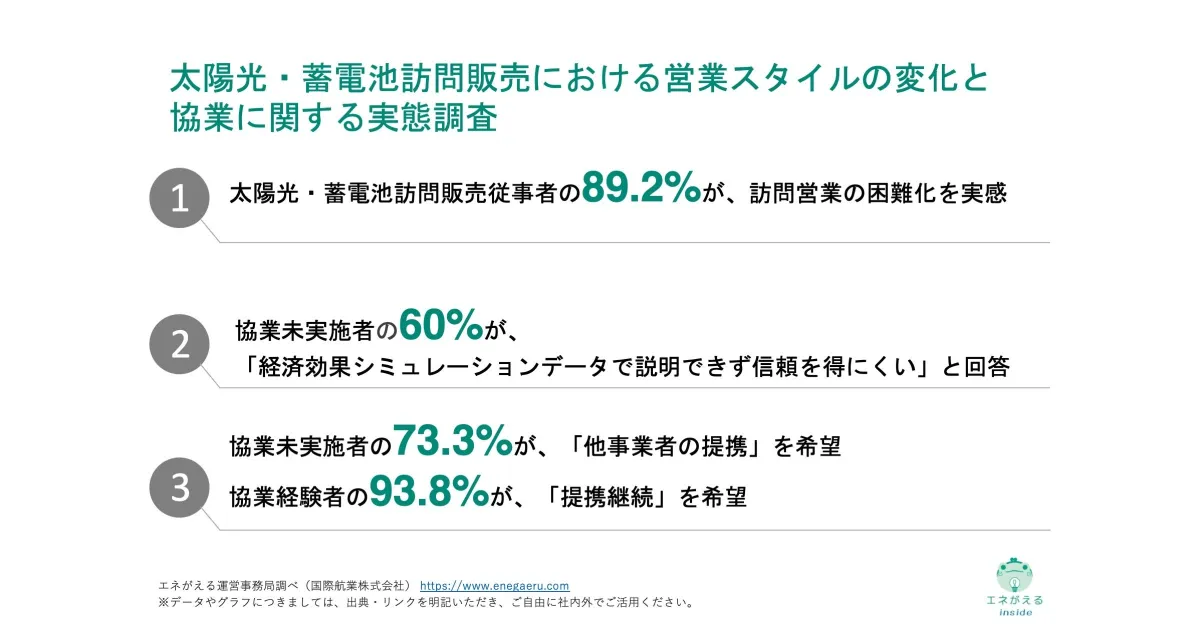
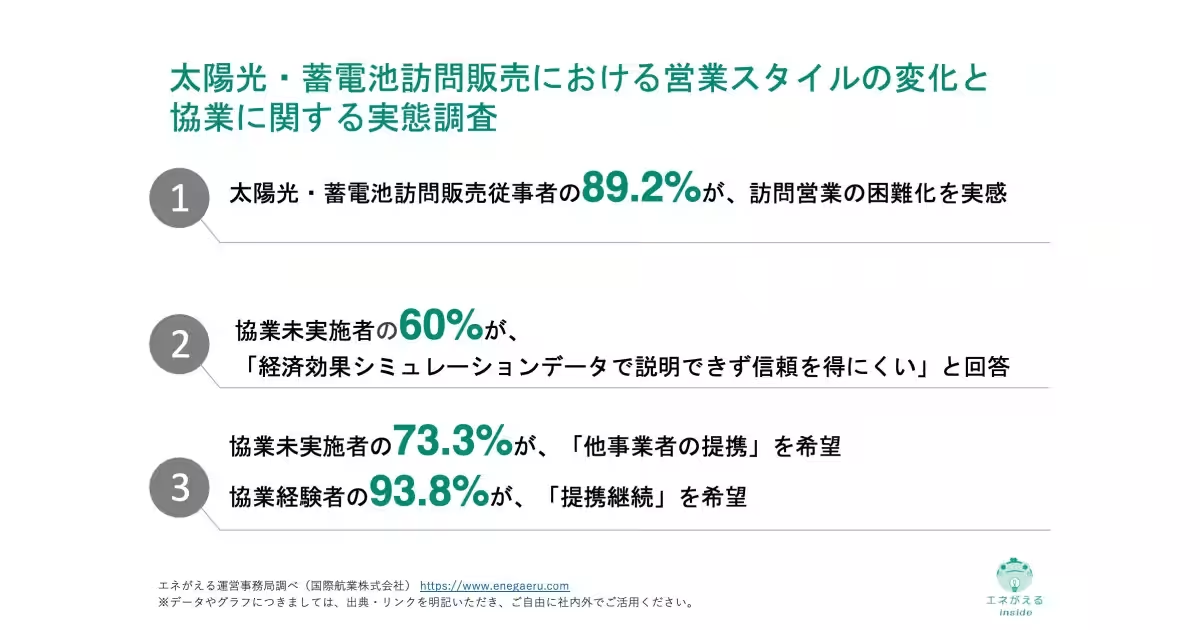
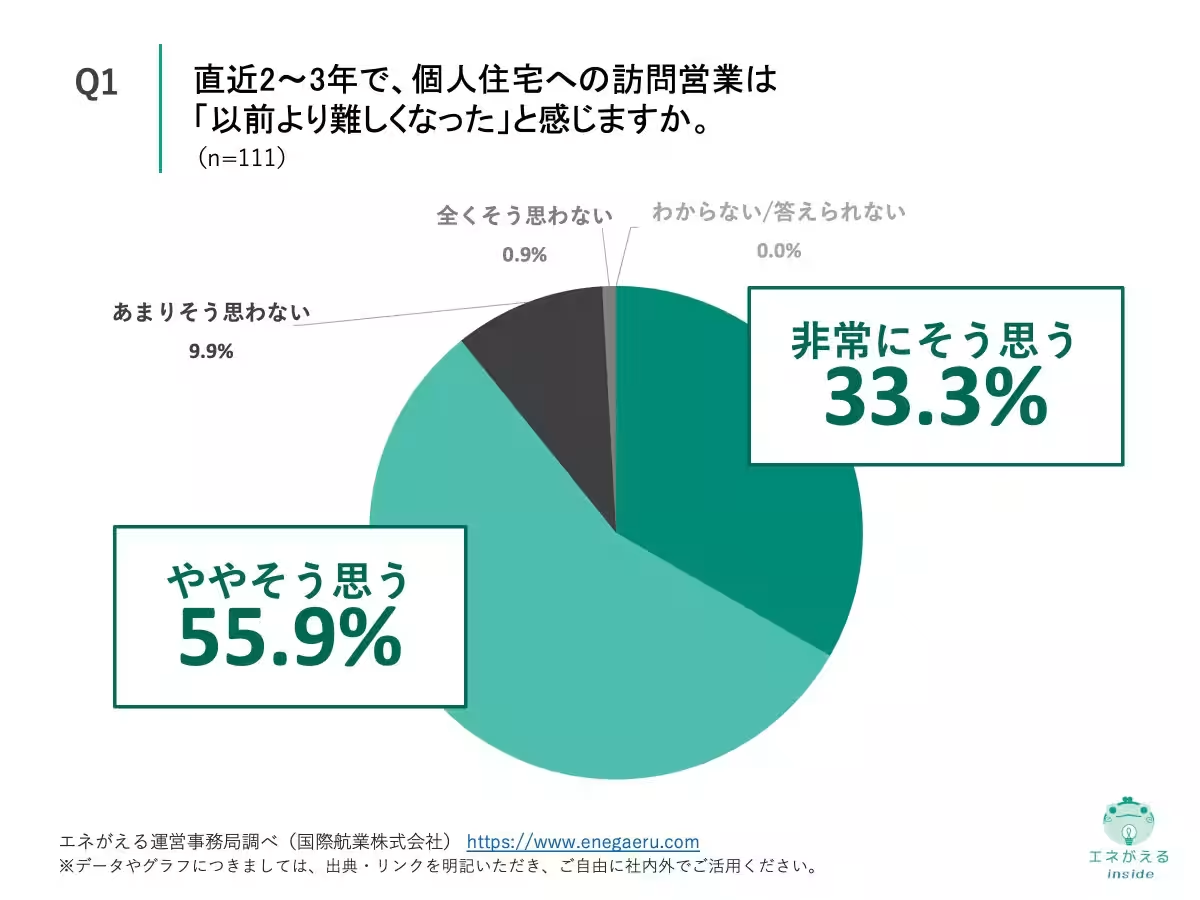
An overwhelming 89.2% of respondents felt that selling solar panels and batteries through home visits had become significantly more challenging over the past few years.
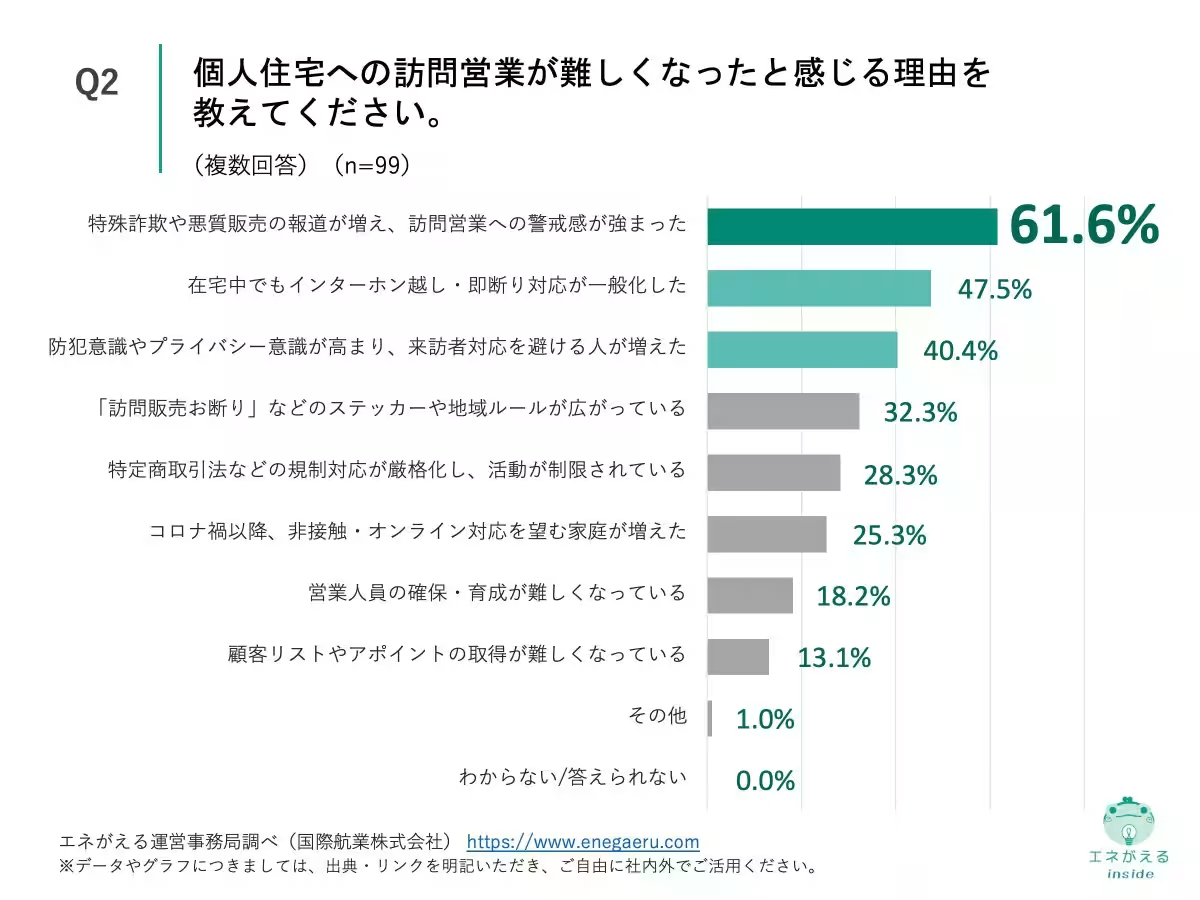
- Reasoning Behind the Difficulty: When asked about their feelings towards the increase in sales difficulty, the primary concerns included the rise in reports of fraud and aggressive sales tactics, leading to a heightened sense of caution among consumers. In particular, 61.6% reported that negative media coverage has contributed to a wary public.
- Other significant factors included:
- 47.5% noted that people have become accustomed to rejecting door-to-door sales, even from intercoms.
- 40.4% indicated that rising concerns for privacy and safety have prompted many to avoid interaction with visitors.
2. The Push for Collaboration
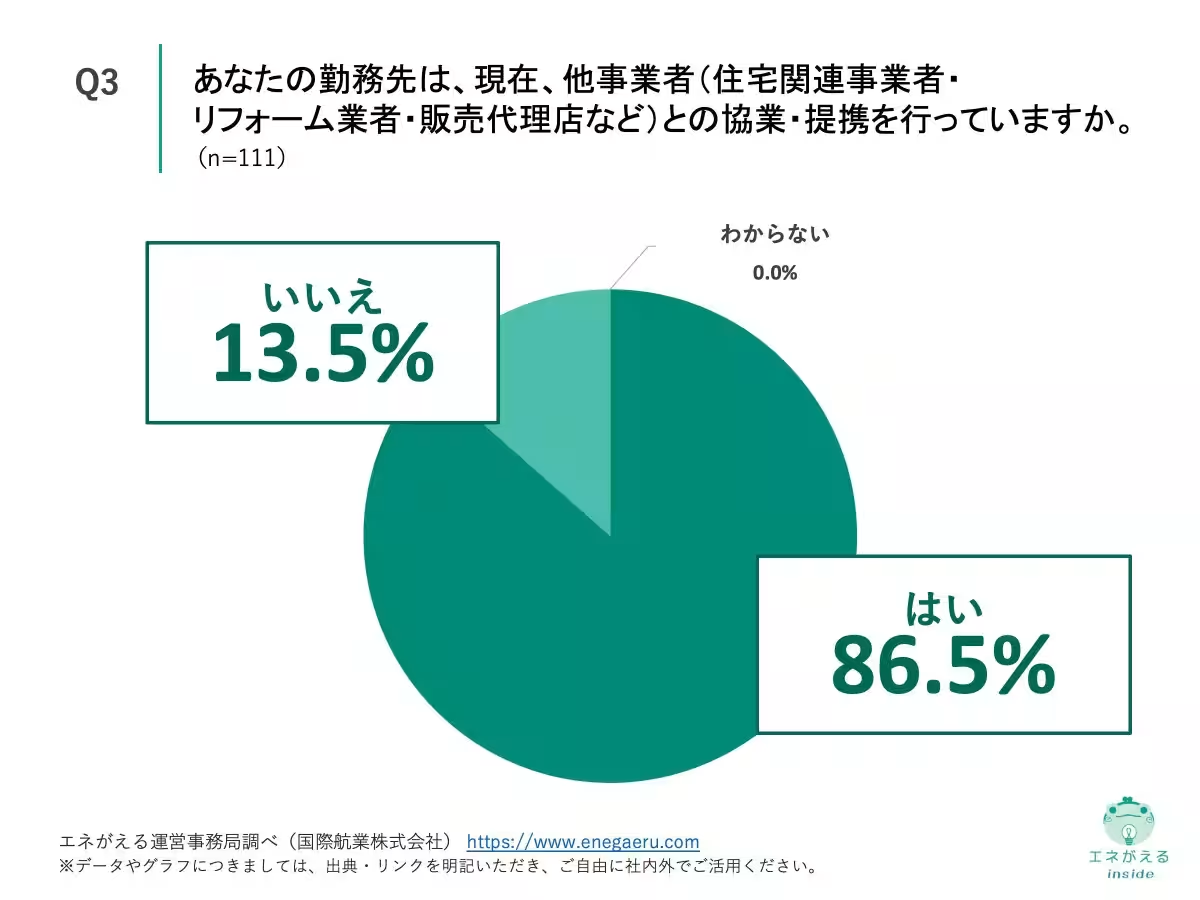
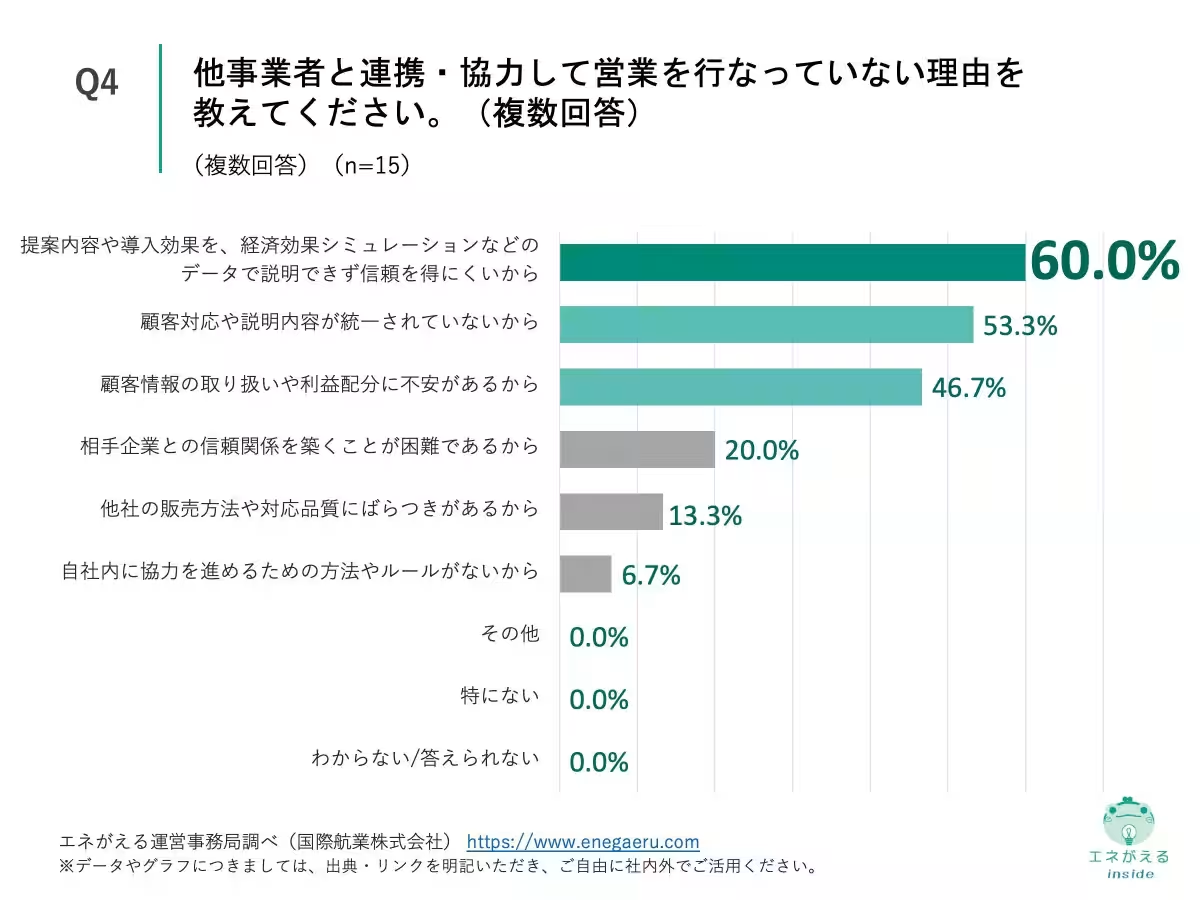
The survey results indicated that 86.5% of participants are currently engaged in collaborations with other businesses (like home construction or renovation firms). However, substantial barriers remain for those who haven't pursued such partnerships. Most notably, 60.0% pointed out that the inability to present economic benefit simulations undermines trust with potential partners.
3. Aspiration for Future Partnerships
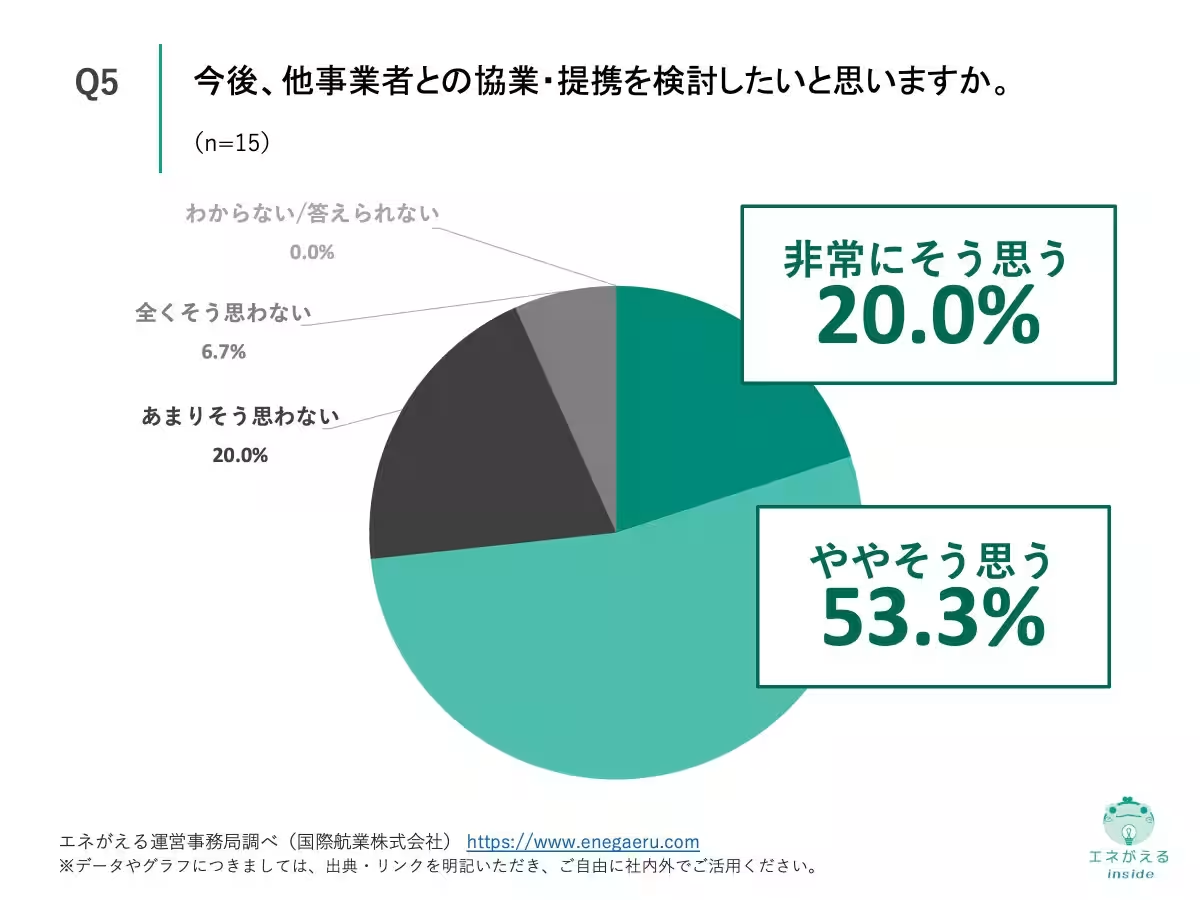
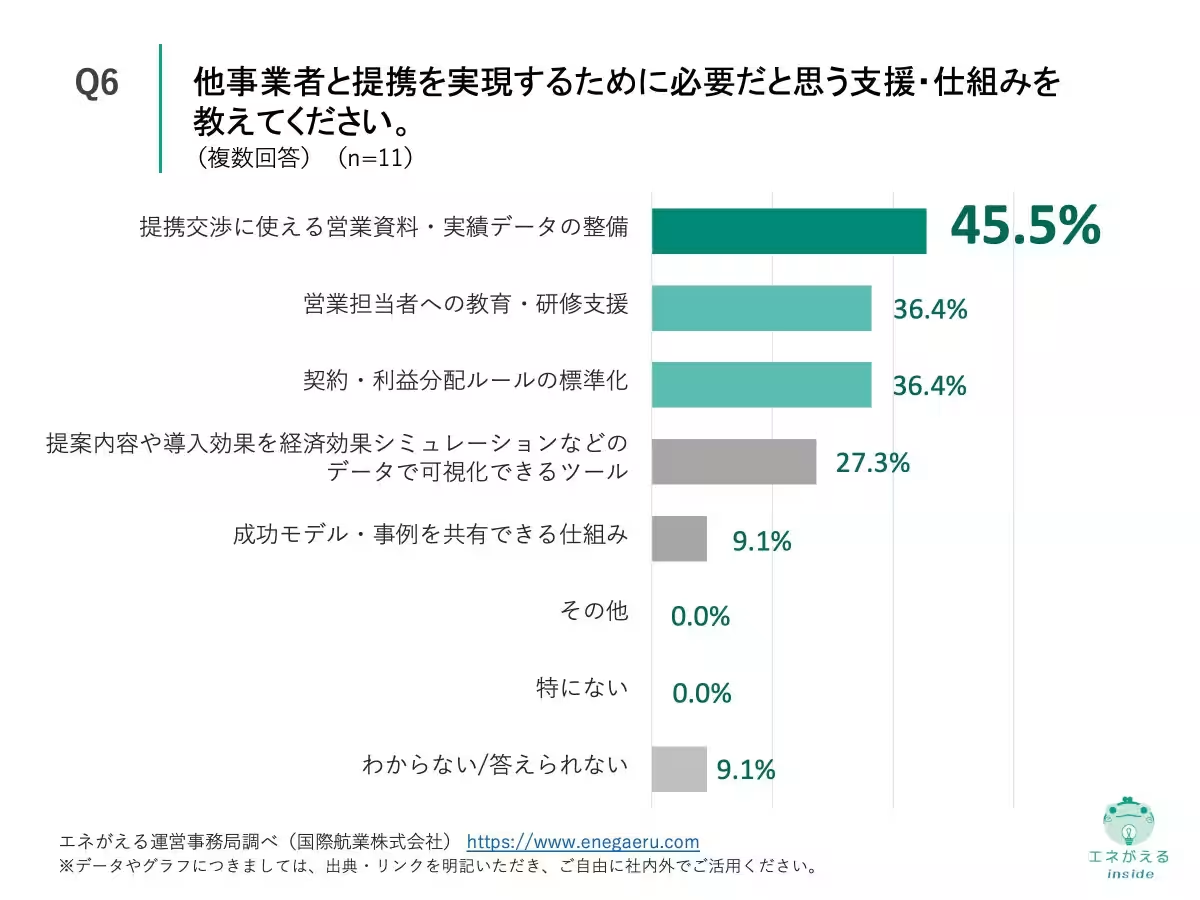
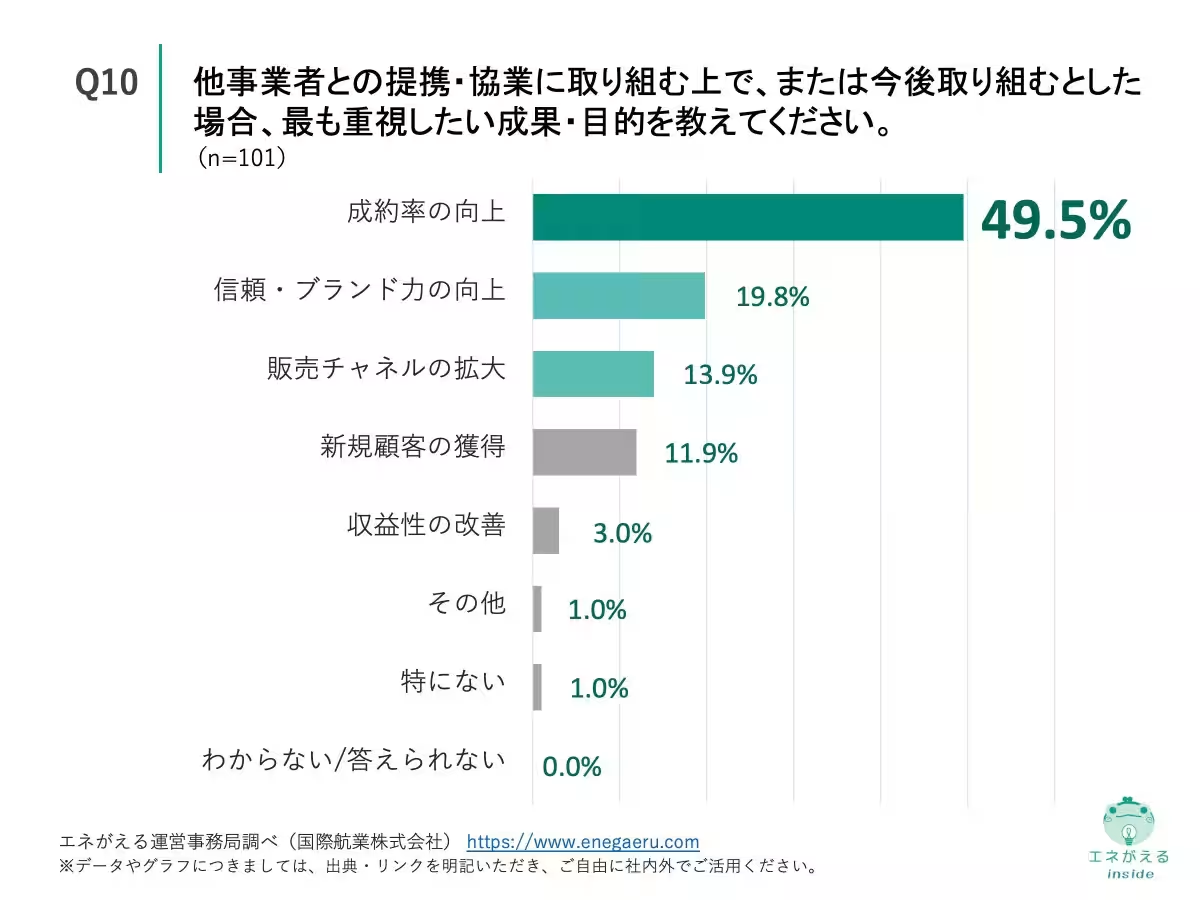
Despite challenges, a majority of those not engaged in collaborations (73.3%) expressed a genuine interest in forming partnerships in the future. Many believe that refining sales materials and datasets could greatly facilitate these negotiations.
4. Need for Trust
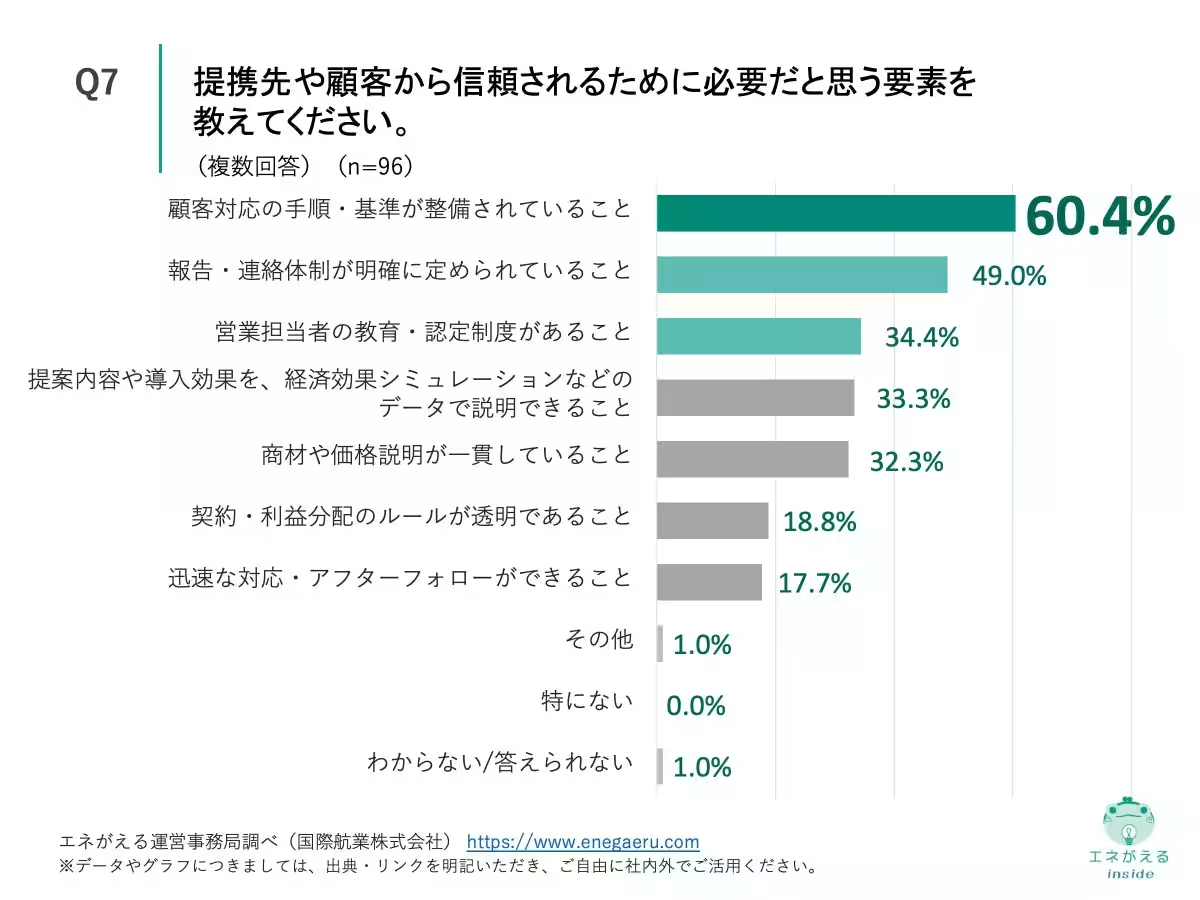
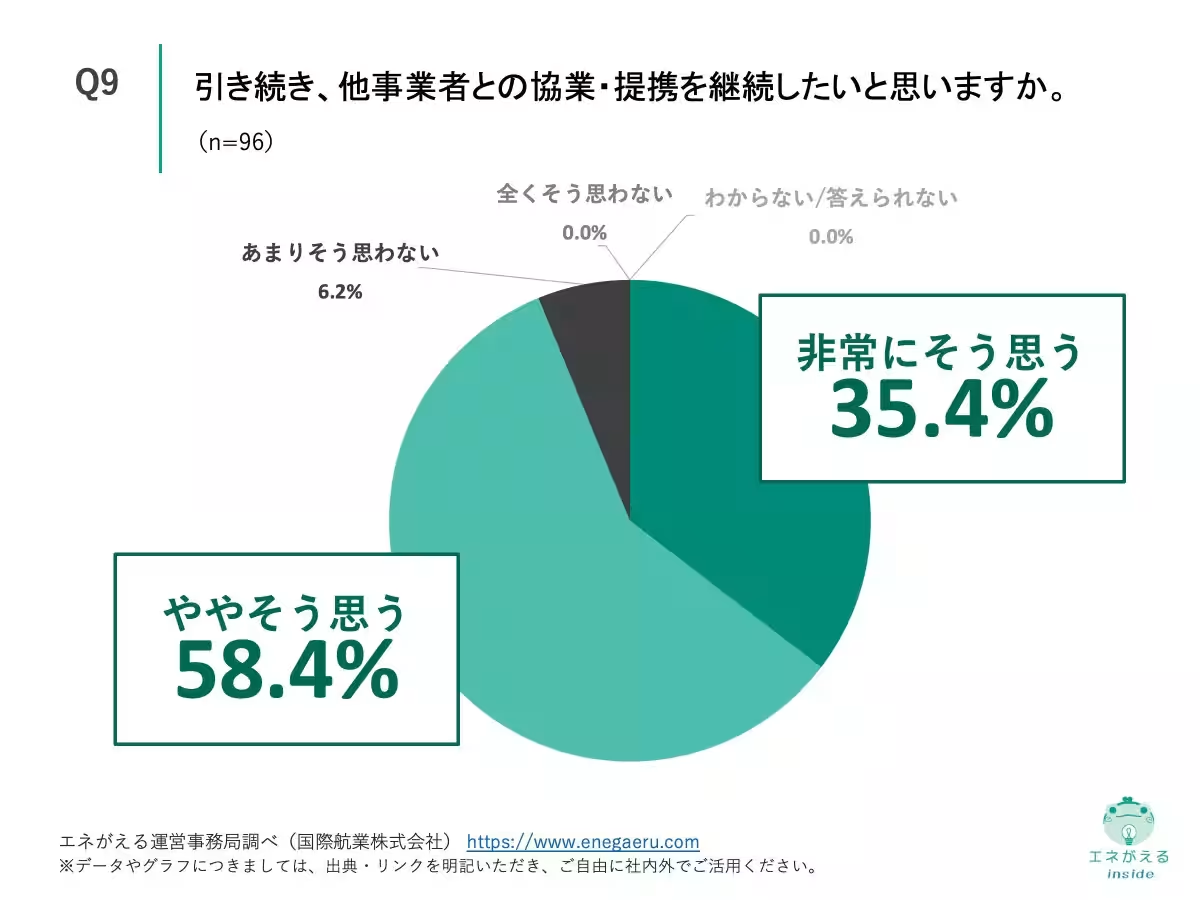
Among those currently in collaborations, 93.8% expressed the desire to continue these partnerships. Key to maintaining trusted relationships lies in ensuring that customer service procedures are well-defined and that communication paths are clear. In fact, 60.4% of collaborations indicated that robust customer interaction protocols are critical to establishing trust.
The Role of Data in Sales
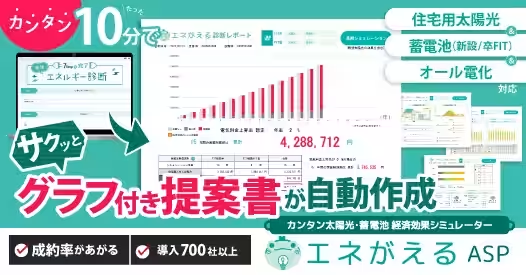
Modern challenges in the solar energy sales environment point to a critical requirement for quantifiable data to back up proposals. The increase in caution among consumers due to fraudulent activities emphasizes the need for transparent and reliable sales practices. Using tools that effectively simulate economic advantages can serve to bolster customer confidence and facilitate smoother negotiations.
Conclusion
The landscape for selling solar energy solutions is changing rapidly, with marked challenges arising primarily from heightened consumer caution. In light of these insights, it is clear that companies in the solar and battery markets must adapt by embracing stronger partnerships and leveraging data to establish credibility. As they develop better systems for customer engagement and collaboration, the potential for improving sales outcomes in a more transparent and cooperative framework looks promising.
For those in the industry, the call to action is clear: invest in the right tools, foster partnerships, and equip teams with the necessary data to win customer trust. These steps will be essential for navigating the shifting tides of solar energy sales effectively.
Topics Consumer Products & Retail)
【About Using Articles】
You can freely use the title and article content by linking to the page where the article is posted.
※ Images cannot be used.
【About Links】
Links are free to use.