




The Burden on Managers: A Deep Dive into the Tasks They Dread
The Burden on Managers: A Deep Dive into the Tasks They Dread
Introduction
In the fast-paced corporate world, managers juggle numerous responsibilities that encompass everything from strategic planning to personnel management. A recent study by Prostoic focused on the realities faced by over 400 managers, revealing a startling truth: many of them are burdened with tasks they believe should not fall under their purview. This article explores the findings of this study, highlighting the time-consuming “non-essential tasks” that plague modern managers.
Research Background
Prostoic, a Tokyo-based firm, sought to understand the workload and frustrations faced by managers in the current corporate climate. Their investigation stemmed from concerns over how much time is siphoned off from essential management responsibilities due to the necessity of handling tasks that are not inherently managerial. The goal was to scrutinize these burdens, illustrating where organizational inefficiencies lie, and encouraging a reevaluation of work distribution.
Study Overview
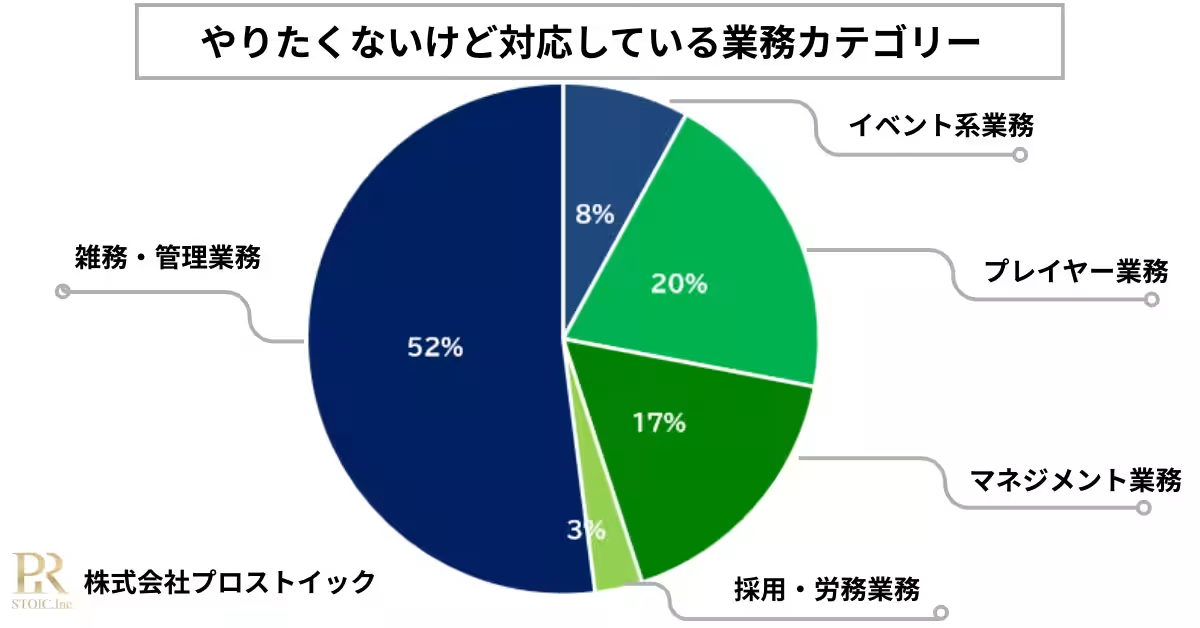
The survey primarily categorized the tasks into four groups: clerical and management tasks, management responsibilities, player duties, and HR-related tasks. The data indicated a significant over-reliance on managers dealing with repeatable tasks that detract from higher-level strategic roles, ultimately suggesting a reshaping of how workload is apportioned.
Key Findings
Among the staggering results, 52% of the managers reported spending their time on mundane management tasks. Typical examples included manual data entry and necessary approval processes that, while critical to operations, were exceedingly time-consuming. Such responsibilities create a vicious cycle where managers find themselves diverted from core management tasks due to the overwhelming need to handle operational issues directly. Furthermore, many expressed feeling compelled to jump into frontline roles due to a lack of staffing or competency in executing these critical functions.
Detailed Analysis of Task Categories
1. Clerical and Management Tasks
These tasks encompass repetitive, automated processes that, while crucial, could easily be delegated or automated. Many managers reported the need to manage basic data flows, which detracted from their ability to engage in more strategic pursuits.
2. Player Duties
This category brings to light the tendency of managers to engage directly in frontline operations. While including themselves in on-the-ground tasks is sometimes necessary, it often stems from a belief that their presence is the only way to keep work flowing smoothly, highlighting an area ripe for managerial reform.
3. Management Responsibilities
Engagement in the growth and performance of team members is a core task for managers. However, excessive burdens from non-essentials limit their ability to fully support their team’s development. Many reported struggling to juggle motivational efforts with an overwhelming workload, identifying a mismatch that requires urgent addressing.
4. HR-related Tasks
Involved in recruitment and personnel management, these tasks often put managers in challenging positions, especially when employees seek one-on-one consultations regarding sensitive issues. Many feel unprepared to handle such responsibilities alone, leading to heightened stress levels.
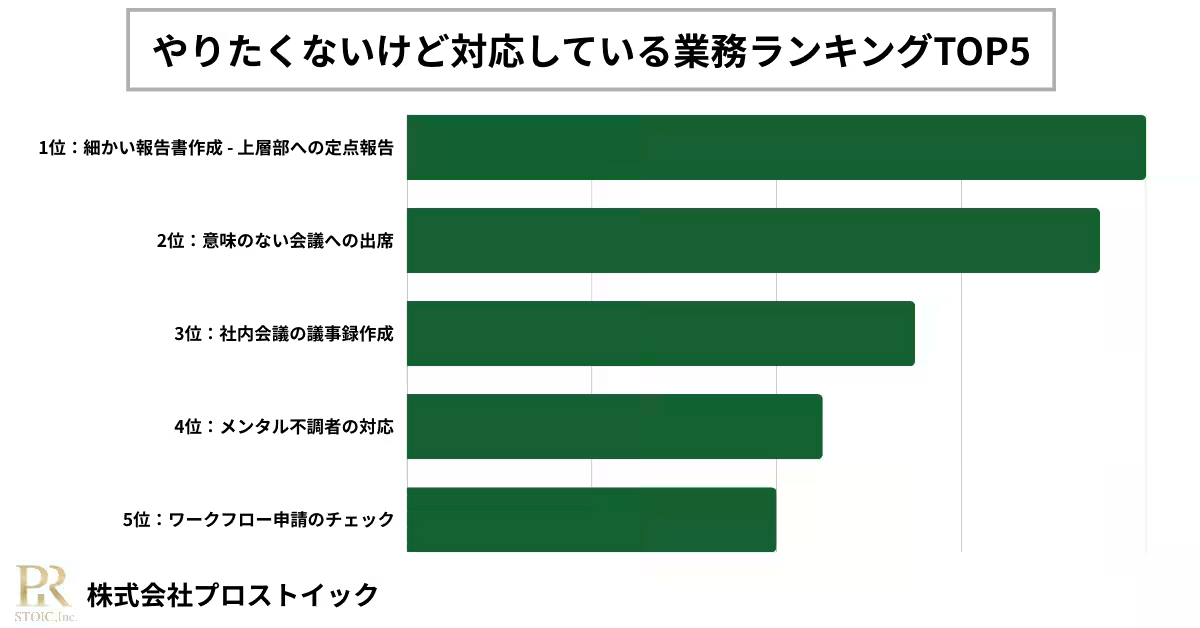
The Top Five Tasks Causing Frustration
5. Workflow Approval Processes
The time-consuming task of checking and approving workflows was highlighted, with many expressing frustration over the lengthy signature and acknowledgment process required for even mundane requests.
4. Addressing Mental Health Issues
Managers are often expected to function as informal counselors for team members experiencing difficulties, creating an additional non-standard burden that impacts their performance.
3. Meeting Minutes
Many managers find themselves compiling notes from meetings—a task that should ideally be delegated yet often falls on their shoulders due to procedural gaps within teams or lack of delegation.
2. Unproductive Meetings
Attendance at repetitive or aimless meetings was a common complaint, with managers voicing concerns about being compelled to participate without any concrete outcome.
1. Detailed Reporting Requirements
Lastly, the demand for detailed reporting for upper management often draws ire. Managers report significant time spent generating reports that should ideally be accessible through standardized corporate tools.
Conclusion
The findings from Prostoic’s study generate a clarion call for organizations to rethink how responsibilities are allocated among management. With the overwhelming burden of non-core tasks weighing heavily, many managers are at risk of losing sight of their primary duties as leaders. Implementing systems that allow for greater delegation and support could alleviate these pressures, ultimately leading to a more productive and engaged workforce. As Prostoic continues to address these systemic challenges, the focus remains on fostering a culture where managers can thrive, centered around strategic leadership rather than operational overwhelm.


Topics Business Technology)

【About Using Articles】
You can freely use the title and article content by linking to the page where the article is posted.
※ Images cannot be used.
【About Links】
Links are free to use.