



Survey Findings Reveal Common Issues After Buying Used Condominiums
Survey Findings on Issues Following Used Condominium Purchases
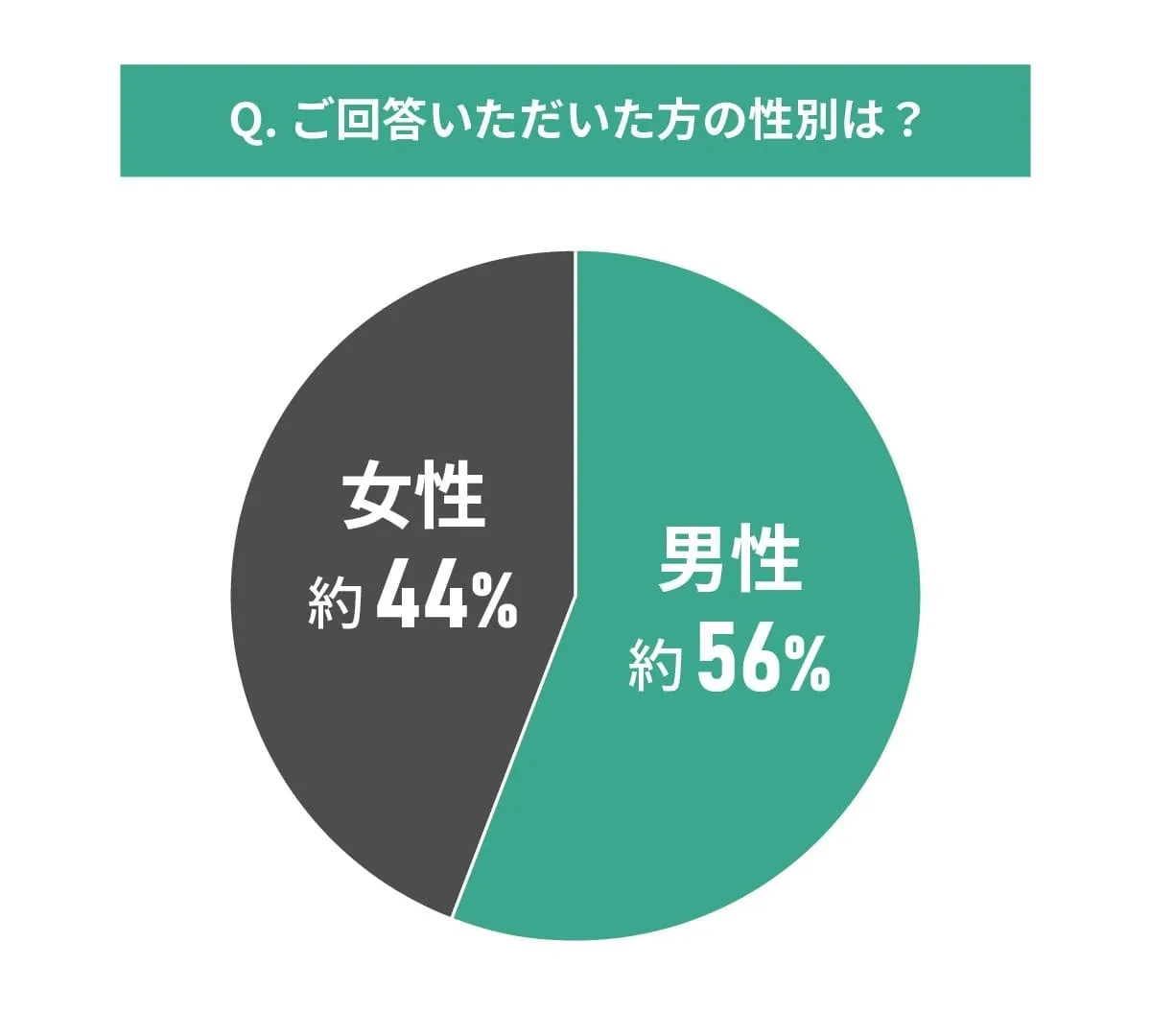
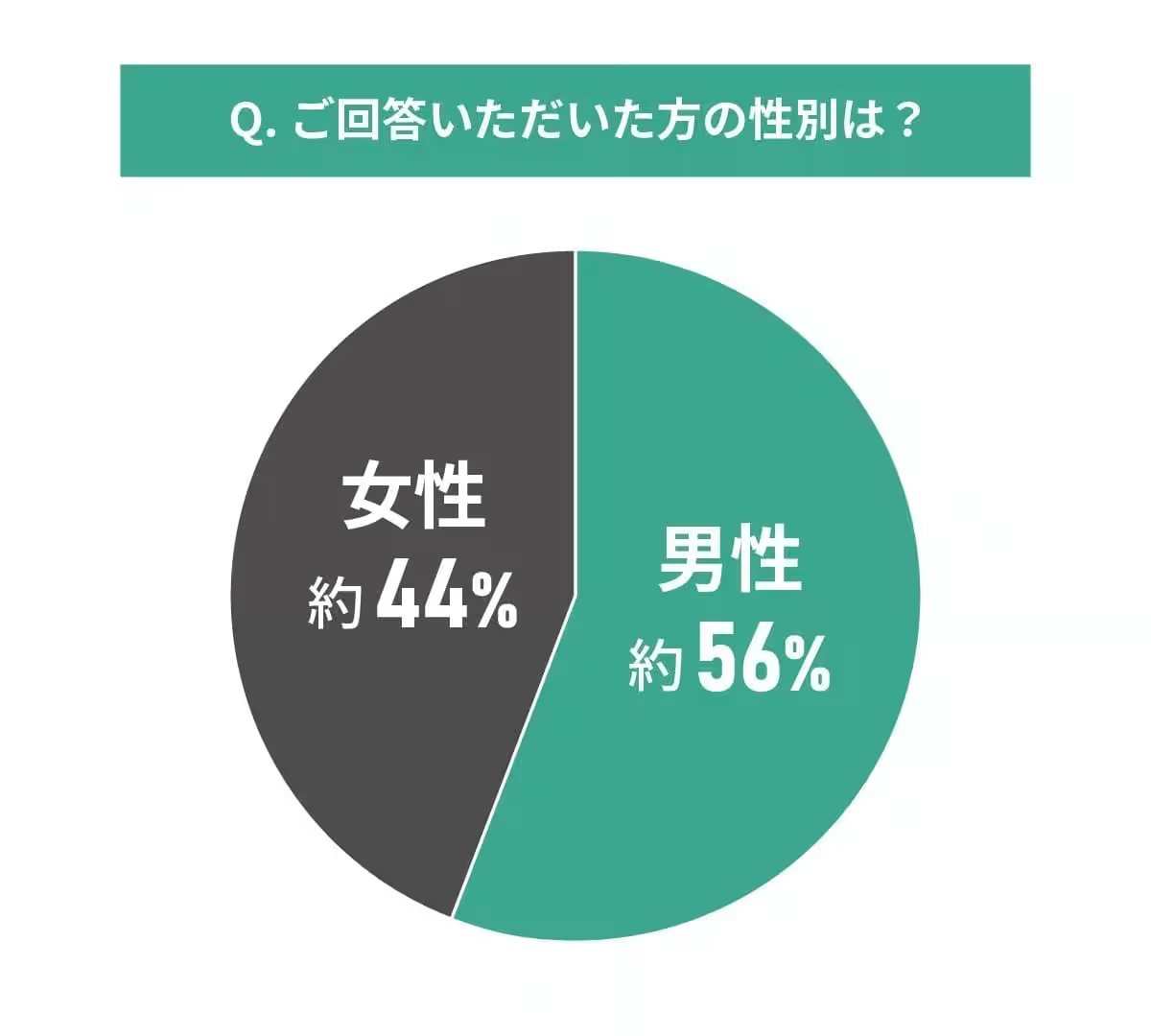
In January 2025, MEMOCO, a company based in Shibuya, Tokyo, partnered with Sumunara to conduct a survey on issues that arise after purchasing used condominiums. This study involved 108 respondents—60 men and 48 women—who shared their experiences regarding any troubles faced post-purchase.
Survey Methodology and Demographics
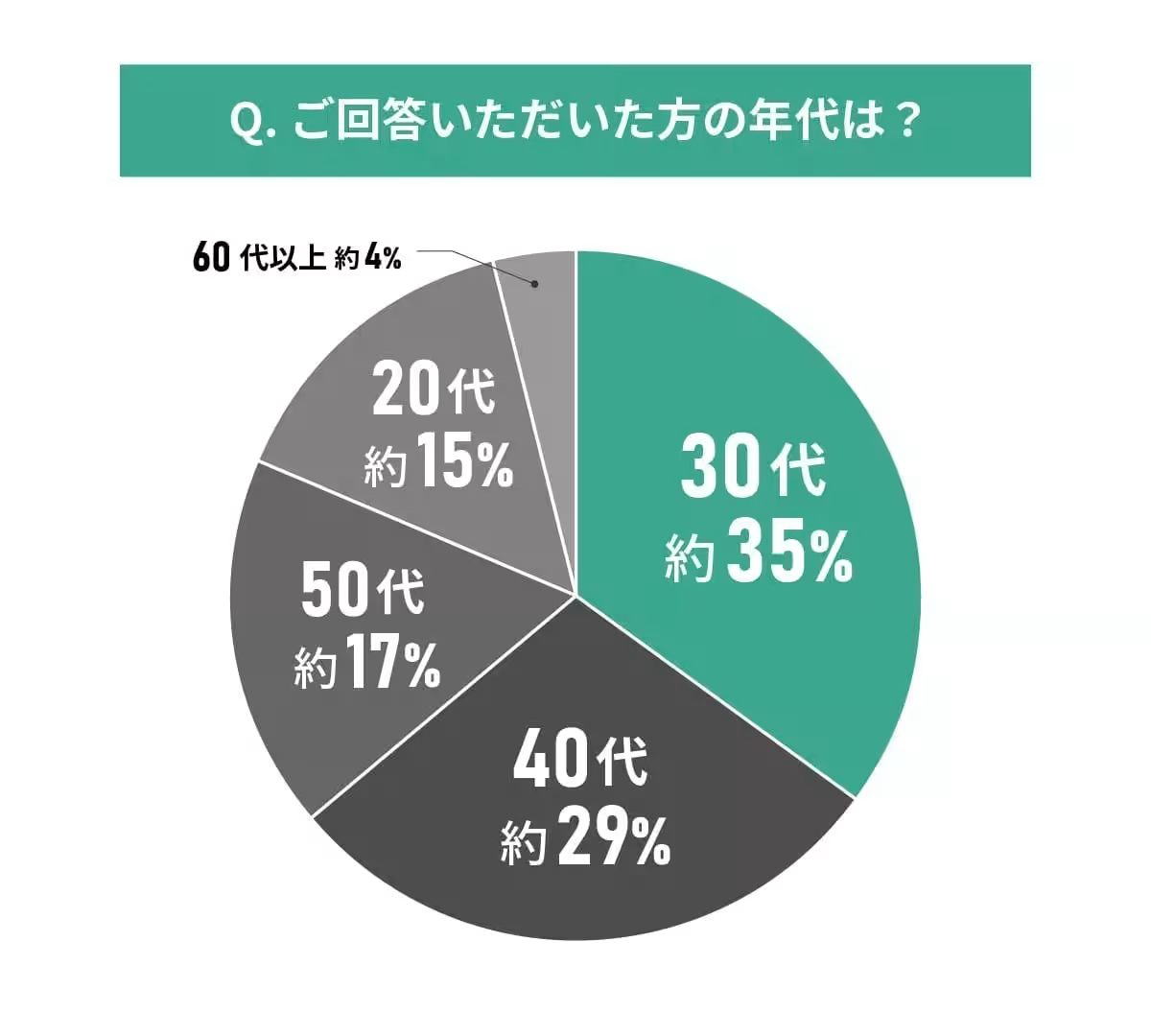
Conducted over the course of several months from January 29 to November 11, 2025, the survey gathered insights through online research. Notably, the age distribution of respondents was diverse:
- - 20s: Approximately 15%
- - 30s: Approximately 35%
- - 40s: Approximately 29%
- - 50s: Approximately 17%
- - 60s and above: Approximately 4%
Encountered Issues Post-Purchase
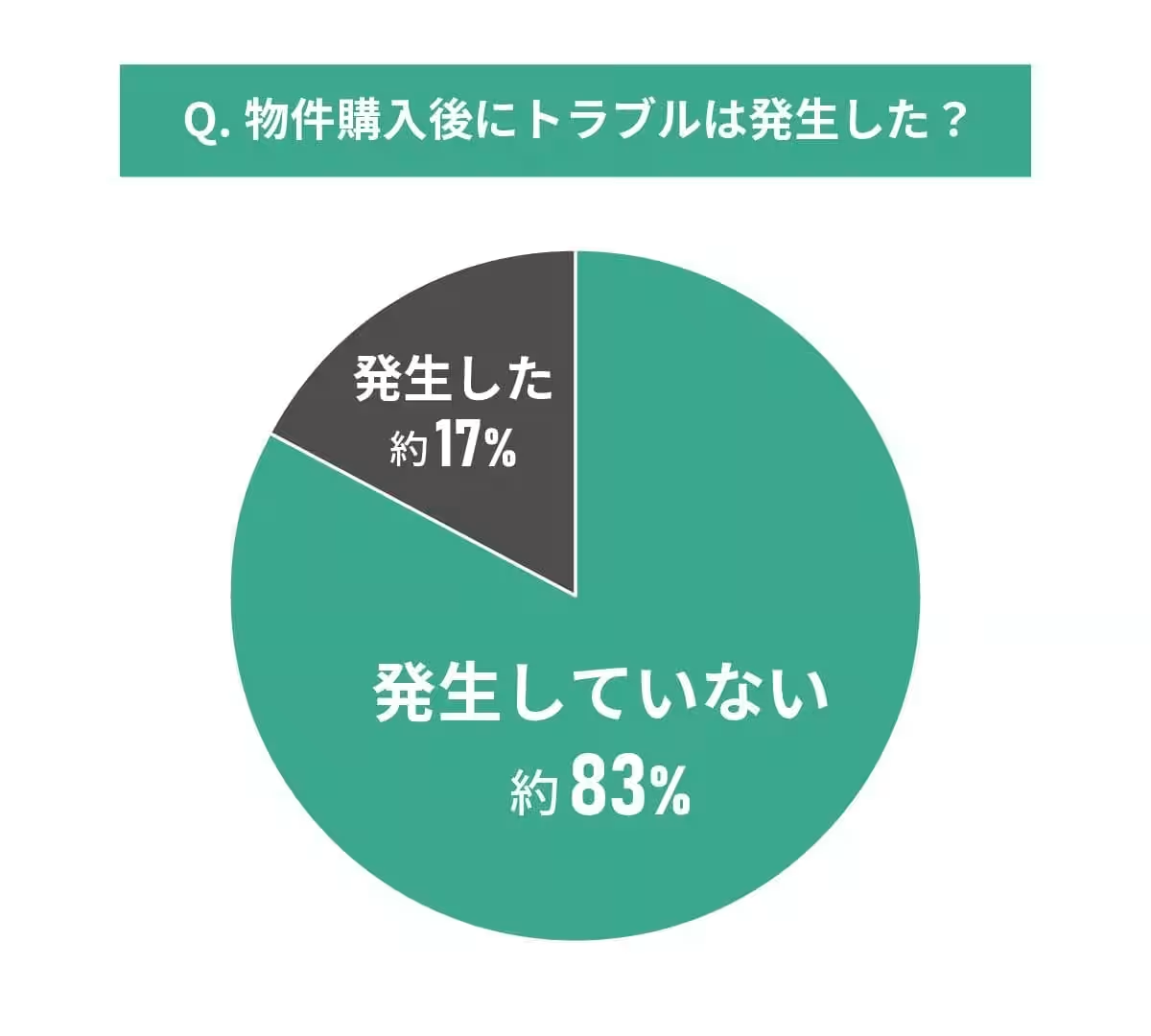
The survey revealed that about 83% of respondents experienced no issues after their purchase, while approximately 17% reported some form of trouble. This indicates that the majority of buyers navigate life without significant disruptions, suggesting effective property inspections and support from real estate agents prior to purchase. However, the fact that one in six buyers encountered issues highlights the necessity for diligent pre-purchase verification of potential risks.
Types of Problems Reported
Among the 18 respondents who faced troubles, several common issues were identified:
1. Noise Complaints: This was the most frequently reported issue. Because condominiums often share walls, disturbances from neighbors can be significant. Prospective buyers should check soundproofing capabilities and consider their lifestyle that could contribute to noise.
2. Management Fees and Repair Costs: Increases in management fees and reserve funds can occur without prior notice during the purchase process. These ongoing costs can substantially impact long-term financial planning, especially in older buildings that may face major repairs soon after purchase.
3. Building and Equipment Deficiencies: Aging properties may have more frequent malfunctions. Many issues can be detected during meticulous inspections. Understanding the scope of any warranty before purchase is crucial.
4. Other Ownership Responsibilities: Buyers must also consider responsibilities such as participation in management associations and adherence to shared facility rules, which can be clarified during pre-purchase discussions.
Would They Choose a Different Property?
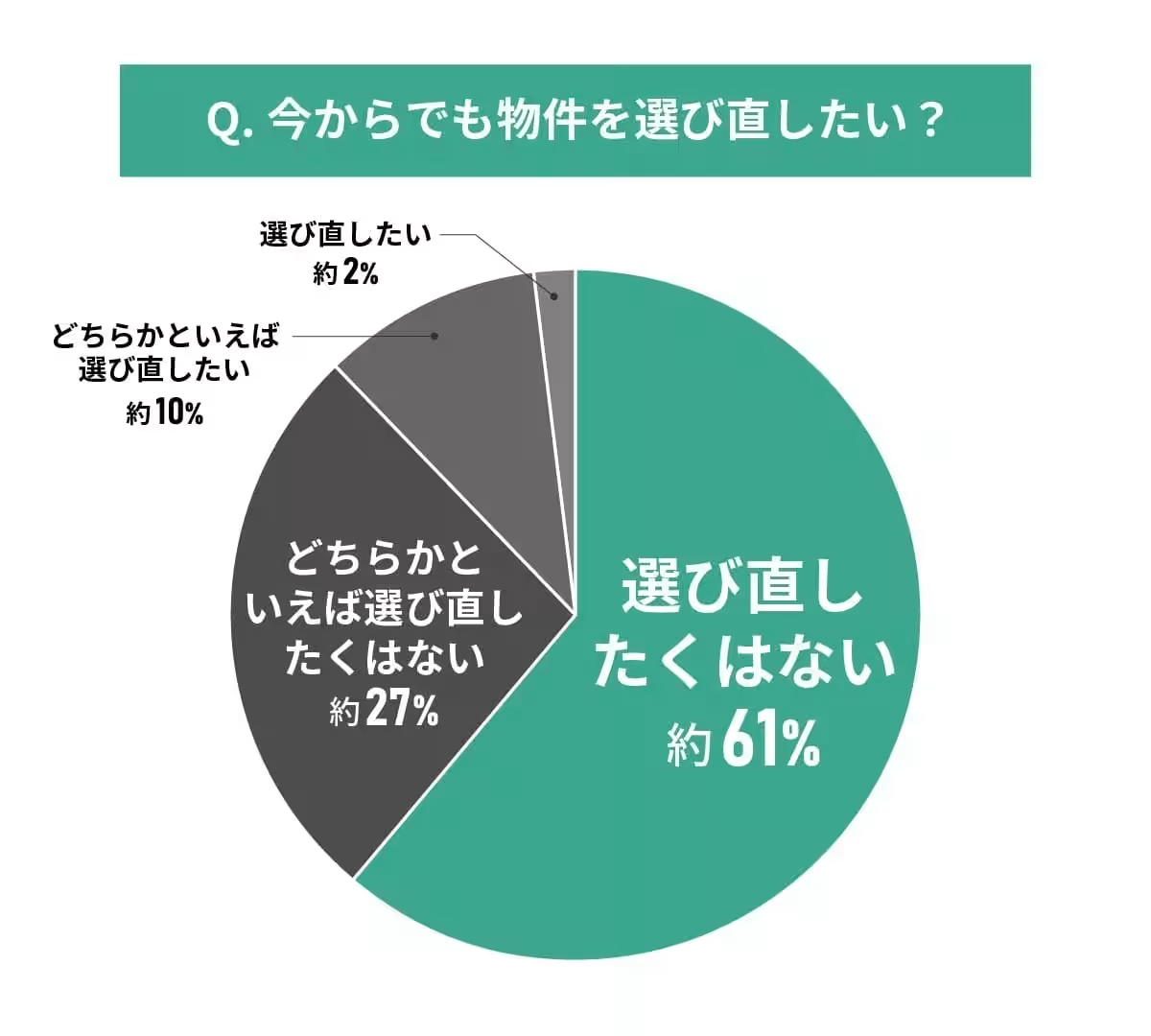
When asked whether they would reconsider their property choice today, responses were as follows:
- - Do not want to choose again: About 61%
- - Generally do not want to choose again: About 27%
- - Generally want to choose again: About 10%
- - Want to choose again: About 2%
This reveals that around 88% are satisfied with their current properties, reflecting a high level of contentment even after encountering some issues. Notably, many buyers did not feel compelled to start over, illustrating successful property selections overall.
Reasons for Satisfaction
Respondents who indicated they did not wish to reconsider highlighted several reasons:
- - High Satisfaction Levels: Many feel their homes meet their needs in terms of location, layout, and price. Dissatisfaction often arises from minor issues or those that have been resolved.
- - Resolution of Issues: For many, problems are manageable, or the positives of their property outweigh the negatives.
- - Practical Concerns: The costs and labor involved in moving discouraged many from wanting to choose a different property.
- - Environmental Factors: Concerns about adjusting to new neighborhoods or maintaining educational environments for children also played a role.
Reasons for Wanting to Reevaluate Choices
Conversely, respondents who expressed a desire to reconsider their options cited:
- - Severity of Issues: Significant problems, such as severe noise disturbances or financial burdens, prompted considerations for change, particularly unanticipated costs.
- - Desire for Better Conditions: Some buyers sought more favorable conditions based on evolved preferences post-purchase.
- - Preventive Reasoning: Concerns regarding future issues, especially those related to noise, led some to wish for a proactive approach in resolving potential risks.
Anxiety Related to Trouble Management
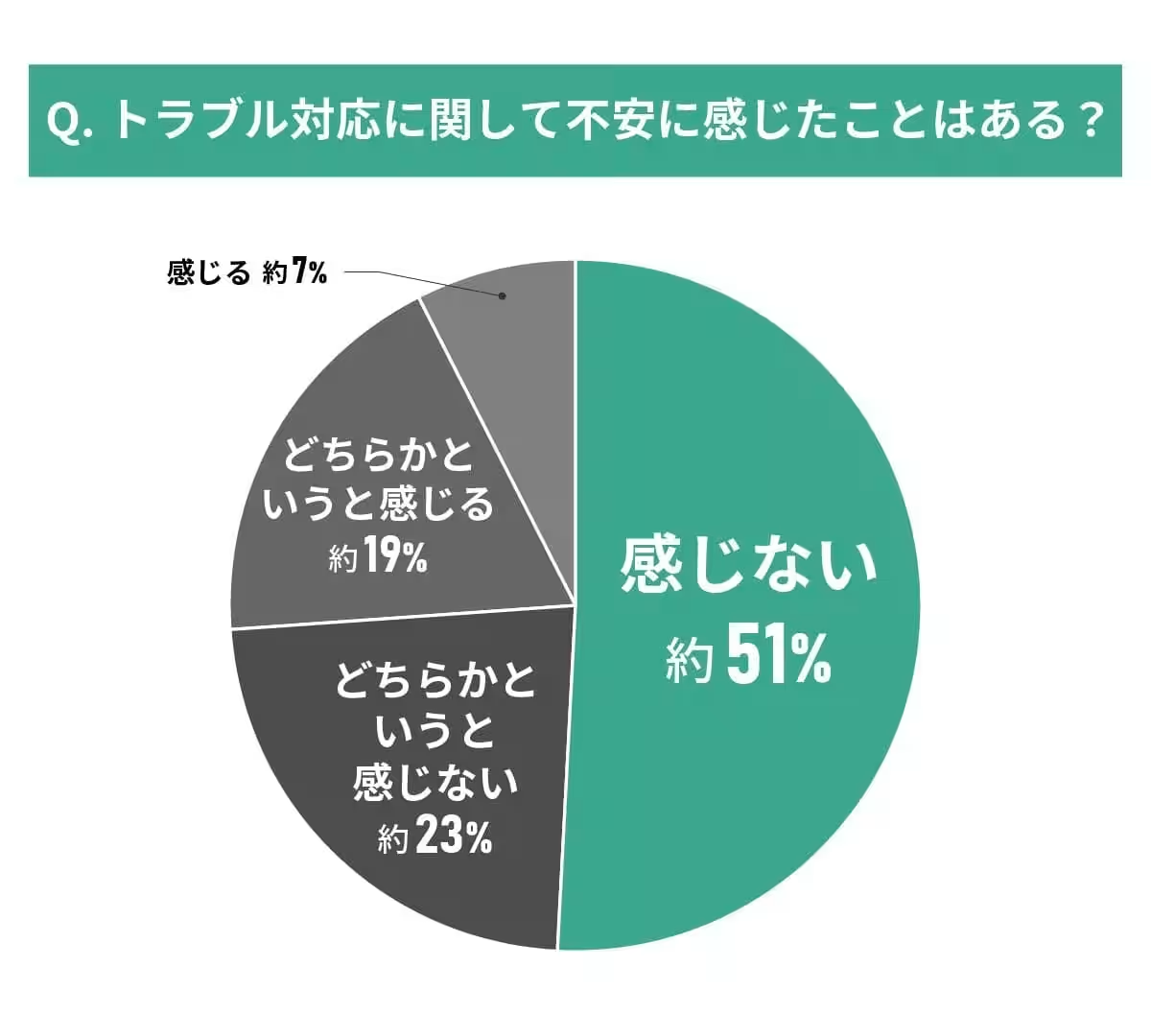
When addressing concerns about managing post-purchase problems, responses were as follows:
- - Do not feel anxious: About 51%
- - Generally do not feel anxious: About 23%
- - Generally do feel anxious: About 19%
- - Do feel anxious: About 7%
Approximately 74% indicated they do not feel anxious, demonstrating that most buyers are comfortable with their living conditions. The effectiveness of property management and support systems plays a crucial role in this perception. Nonetheless, around 26% experienced some level of anxiety, indicating a need for strong communication with property management.
Characteristics of Anxious Respondents
Analysis of those feeling anxious revealed:
- - Recent Trouble Encounterers: Individuals experiencing issues showed apprehension regarding resolution processes and negotiations, especially concerning noise which can be complex to manage without mediation.
- - Future Worries: Concerns about ongoing property value and potential issues can influence buyers, which is relatable following any significant purchase.
- - Lack of Experience in Problem-Solving: First-time buyers or those with minimal homeownership experience displayed greater anxiety about managing issues. Awareness of management policies and support channels can help mitigate these concerns.
Key Takeaways for Avoiding Issues
The survey outlines essential points for prospective used condominium buyers:
- - Thorough Pre-Purchase Checks: Buyers should inspect not only the property condition but also noise levels from adjoining units and the management of shared spaces.
- - Understanding Management Fees and Repair Plans: Awareness of historical and anticipated increases in management costs is vital, especially concerning major repairs.
- - Familiarity with Regulations: Reviewing management rules concerning noise, pet ownership, and renovations ensures compatibility with personal lifestyles.
- - Assessing Management Companies: Evaluate the management company’s track record and activity within the association, as effective management correlates with quicker resolutions to potential issues.
Conclusion
The survey insights highlight that approximately 83% of buyers enjoy a smoothly functioning living experience post-purchase, with about 88% satisfied with their choices. Most respondents demonstrate proficient property selection skills; however, 17% faced challenges, particularly noise issues, rising costs, and maintenance snags. Despite some inconveniences, buyers aren't quick to abandon their purchases, as resolution is often within reach or overshadowed by the property’s benefits.
Embarking on the journey to buy a used condominium demands careful deliberation and thorough research to achieve high satisfaction levels. This survey serves as a beacon for individuals contemplating such significant investments, stressing the necessity of informed decision-making.
Topics Consumer Products & Retail)





【About Using Articles】
You can freely use the title and article content by linking to the page where the article is posted.
※ Images cannot be used.
【About Links】
Links are free to use.