



Exploring Osaka: The City of Hot Pot with a Rich Culinary Culture
Osaka: A Land Rich in Hot Pot Culture
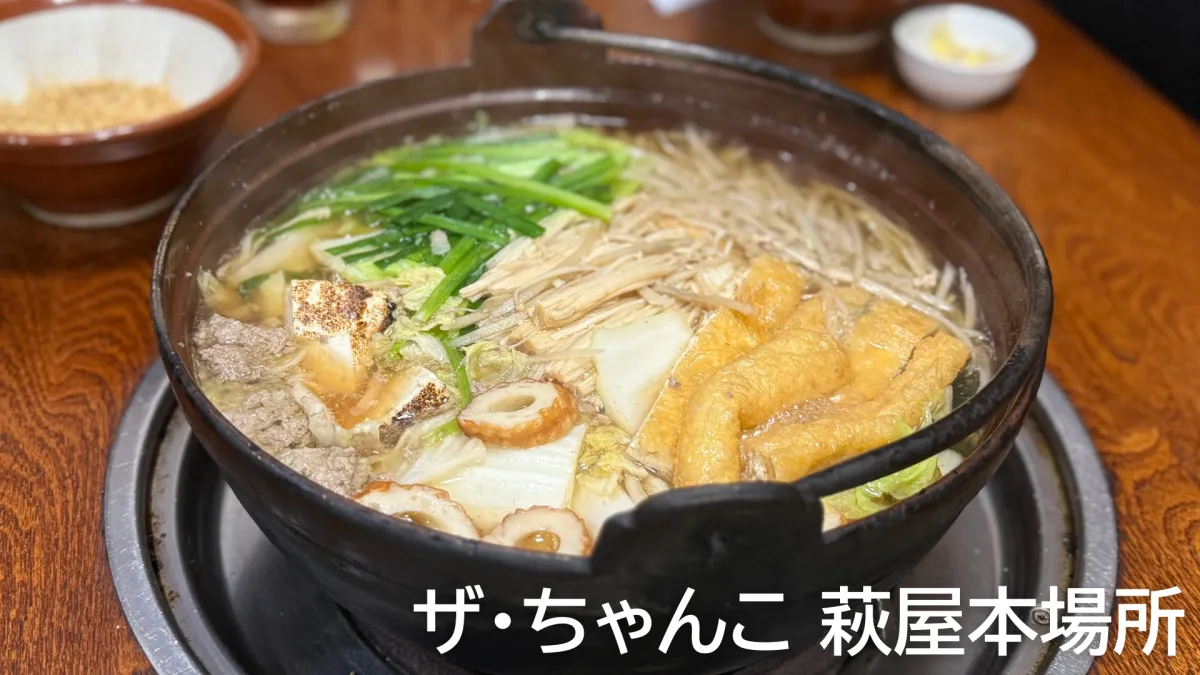
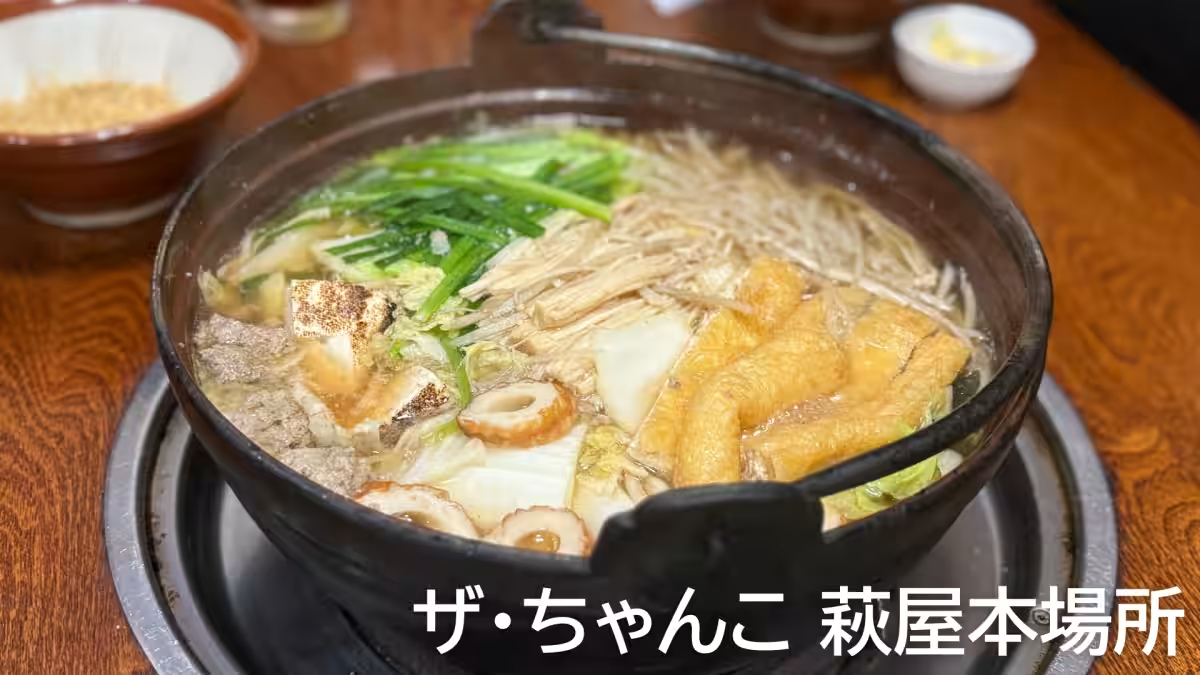
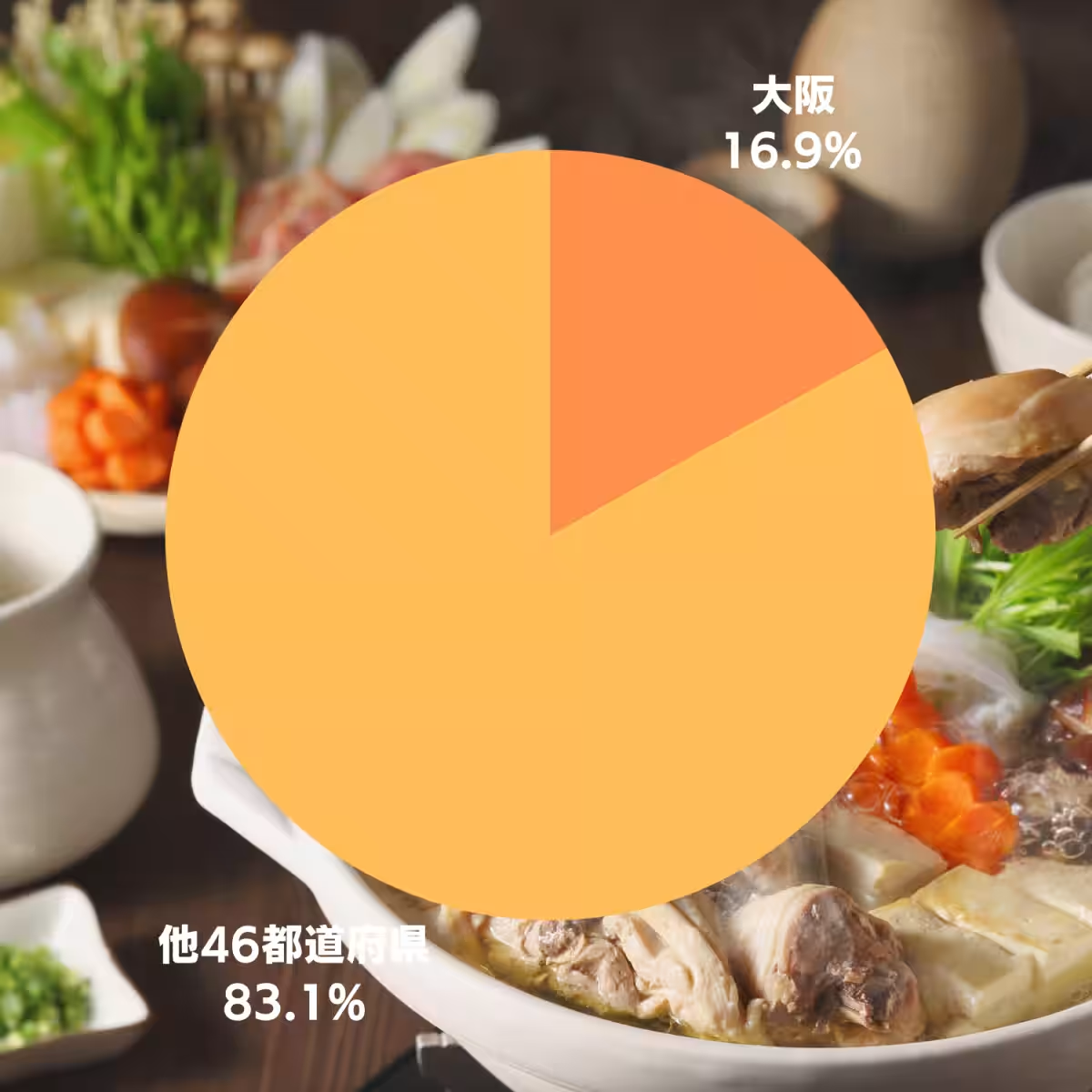
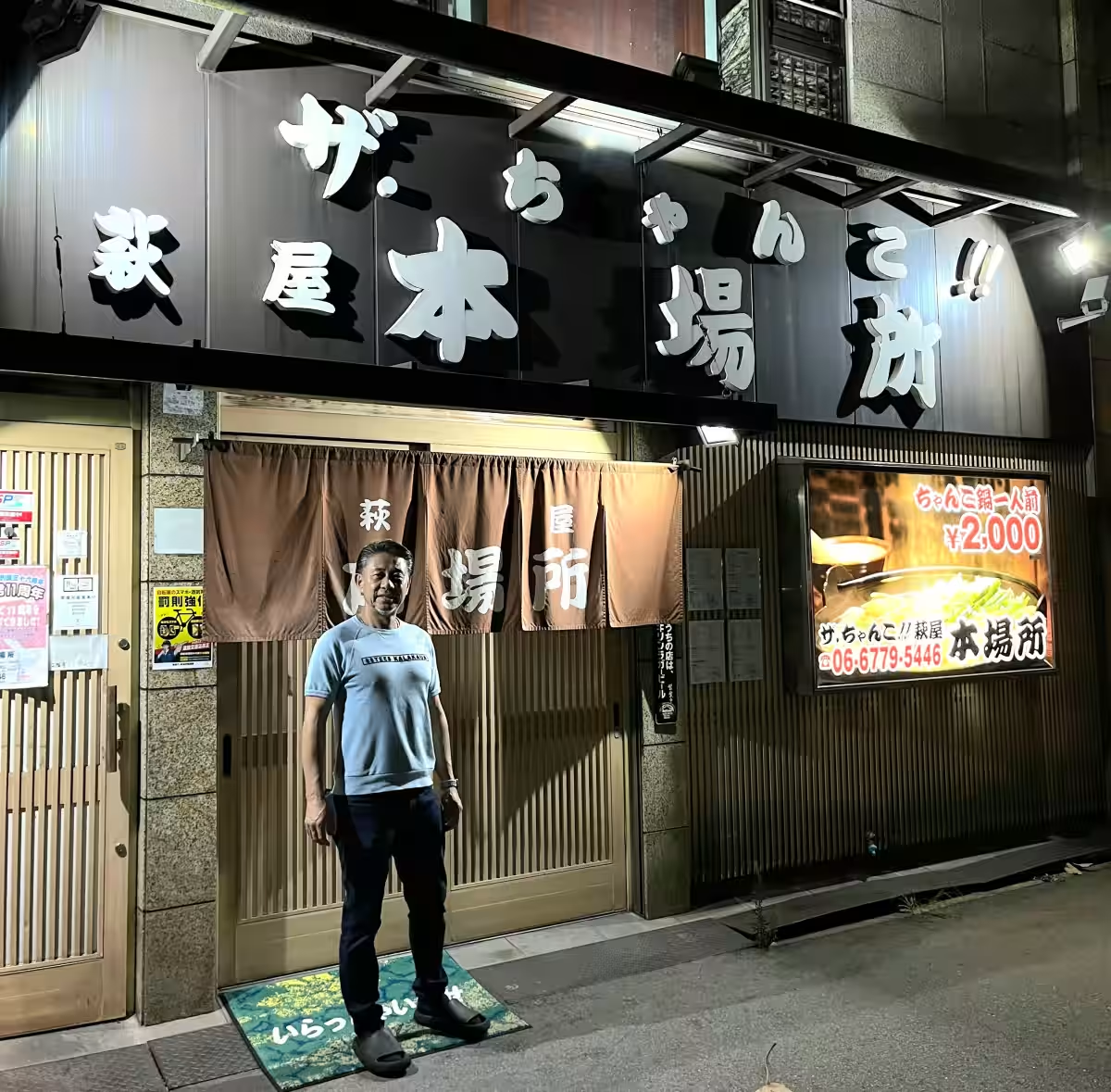
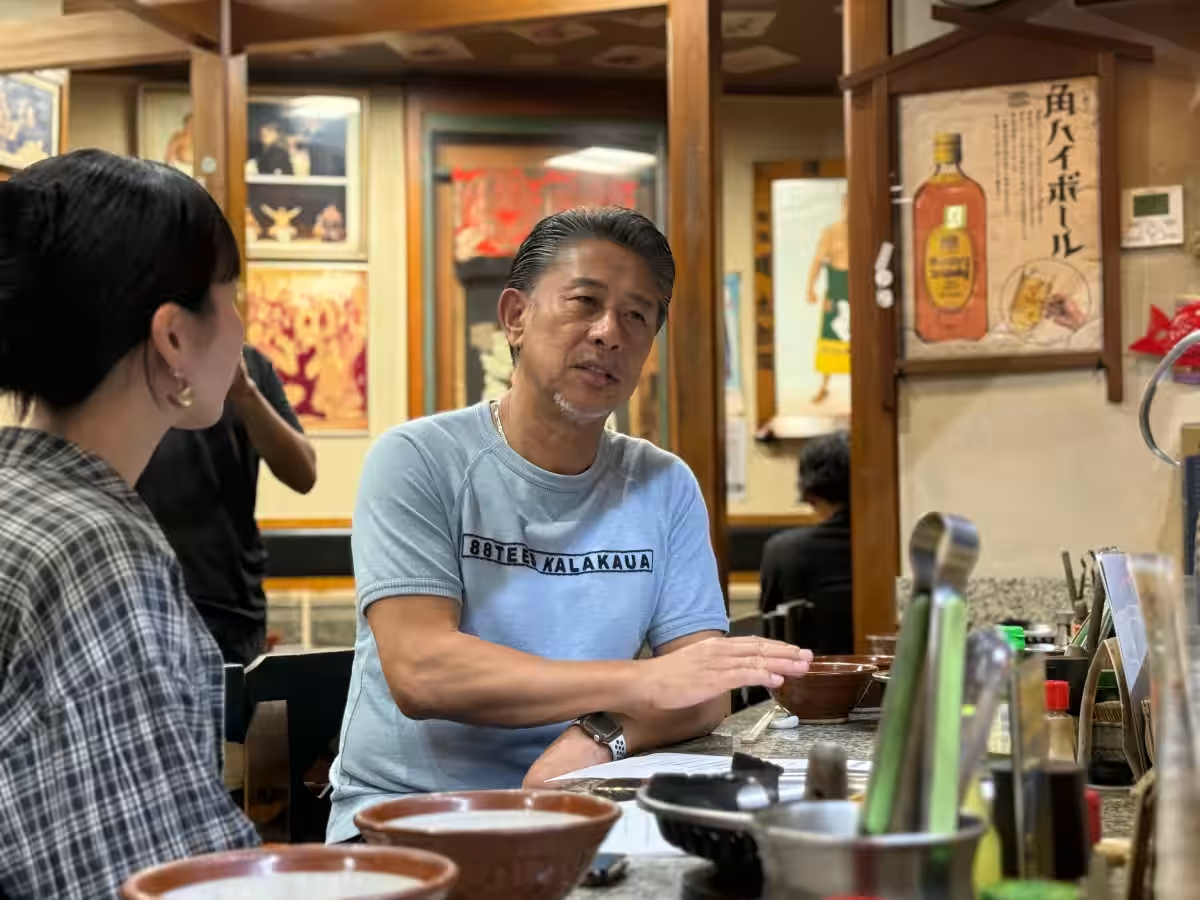
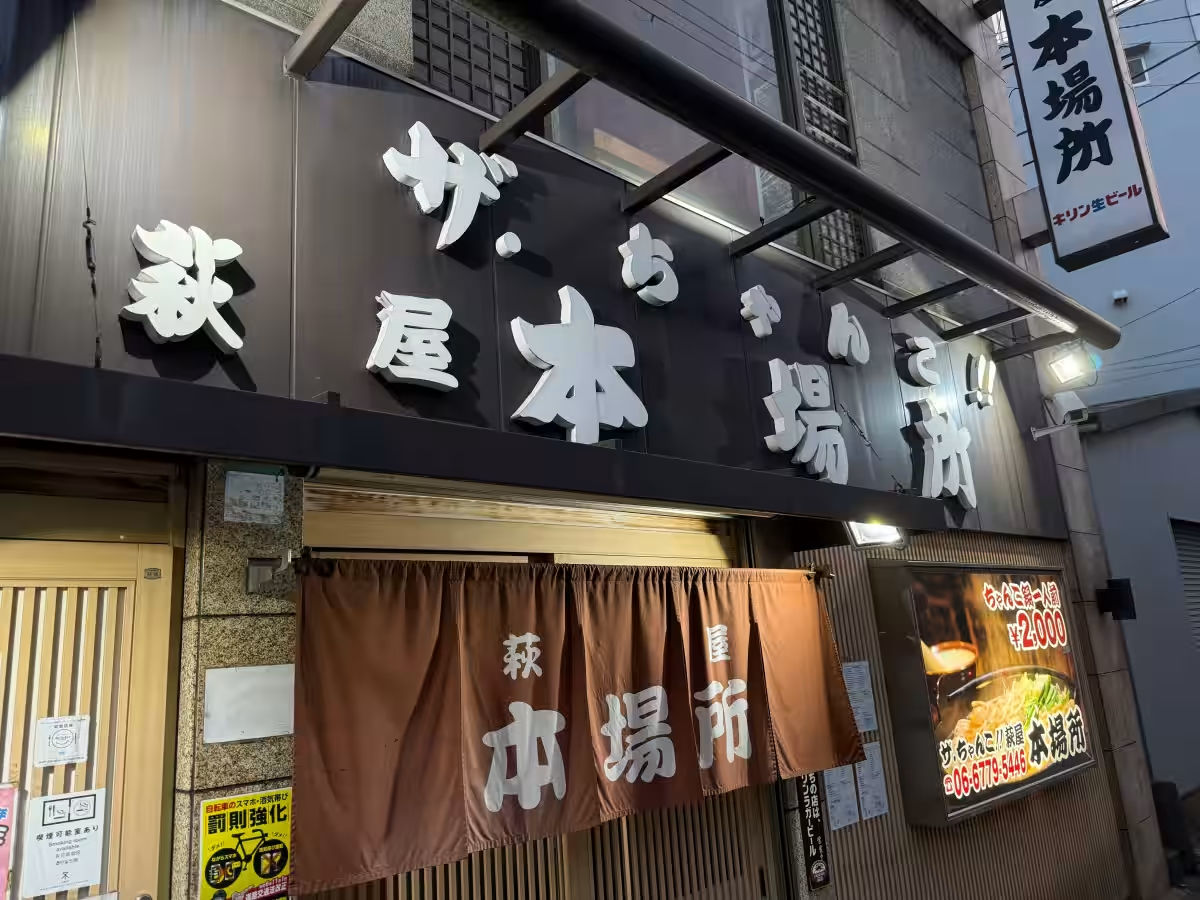
Osaka, known as the capital of food, has earned the title of the “city of hot pot.” Recent analyses reveal that the city accounts for 16.9% of Japan's new hot pot restaurant openings in 2024, reflecting a growing inclination towards this culinary delight across the nation. To understand this phenomenon, we interviewed Masahito Kobayashi, the owner of the long-established restaurant "The Chanko Hagiya Honbasho," which specializes in chanko nabe.
The Rise of Hot Pot in Japan
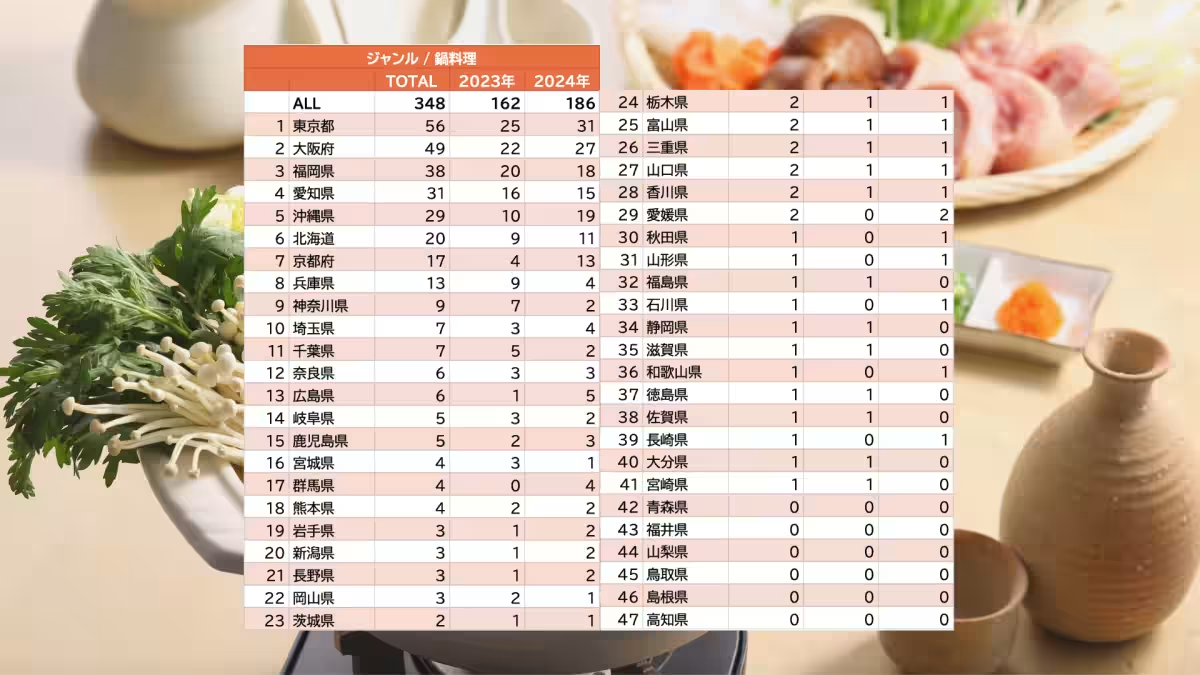
According to a report by Review Inc., the total number of new hot pot restaurants in Japan rose from 162 in 2023 to 186 in 2024, showcasing a growth of 24 establishments. Only four regions—Tokyo, Osaka, Okinawa, and Kyoto—experienced a significant increase of five or more openings compared to the previous year. Kyoto led the way with a remarkable increase of nine new establishments.
As tourism begins to rebound, both domestic and international travelers are flocking back to major cities, and Osaka is reaping the benefits. The city's diverse dining options continue to attract visitors eager to indulge in local cuisine, with hot pot being a favored choice due to its communal nature and variety.
A Deeper Look into the Osaka Nabe Scene
As the hot pot scene expands, Osaka has firmly established itself as a hot pot hub. In 2024, Osaka's new hot pot restaurant openings are expected to mirror the city's culinary richness:
- - 2023: 22 openings (15.7% of national share)
- - 2024: 27 openings (16.9% of national share)
The critical factors driving the surge in hot pot establishments include:
1. Diversity in food culture and dining experiences
2. The connection between tourism and food culture
3. Osaka's status as an economic and business center
4. Variety and local adaptations of hot pot
5. Competition and marketing strategies that attract clientele
Osaka's identity as a “kuidaore” (a phrase meaning to ruin oneself by extravagance in food) city creates a fertile ground for varied food cultures, making it appealing to both locals and tourists alike.
Insights from The Chanko Hagiya Honbasho
To illuminate the pulse of Osaka’s hot pot industry, we visited Masahito Kobayashi at The Chanko Hagiya Honbasho, which has been operating for 19 years and carries a legacy established by the previous owner:
- - Address: 1-14-23 Daido, Tennoji, Osaka City
- - Tenure: Founded 44 years ago
Kobayashi’s Unique Journey
Originally from Kobe and raised in Kyoto, Kobayashi transitioned from the construction industry to the culinary world. His mother ran a restaurant, and as he got married, he naturally gravitated towards cooking for friends and family, leading him to take over the family business when the previous owner retired.
The Appeal of Hot Pot
Kobayashi believes the strong affinity for hot pot among Osaka's residents stems from a culture of communal dining, where sharing food enhances social interaction. The affordability of hot pot compared to other regions also plays a significant role. For instance, enjoying “tecchiri” (a type of pufferfish hot pot) in Kansai can cost around ¥5,000 per person, while prices in Tokyo may escalate to nearly ¥30,000.
A Commitment to Quality
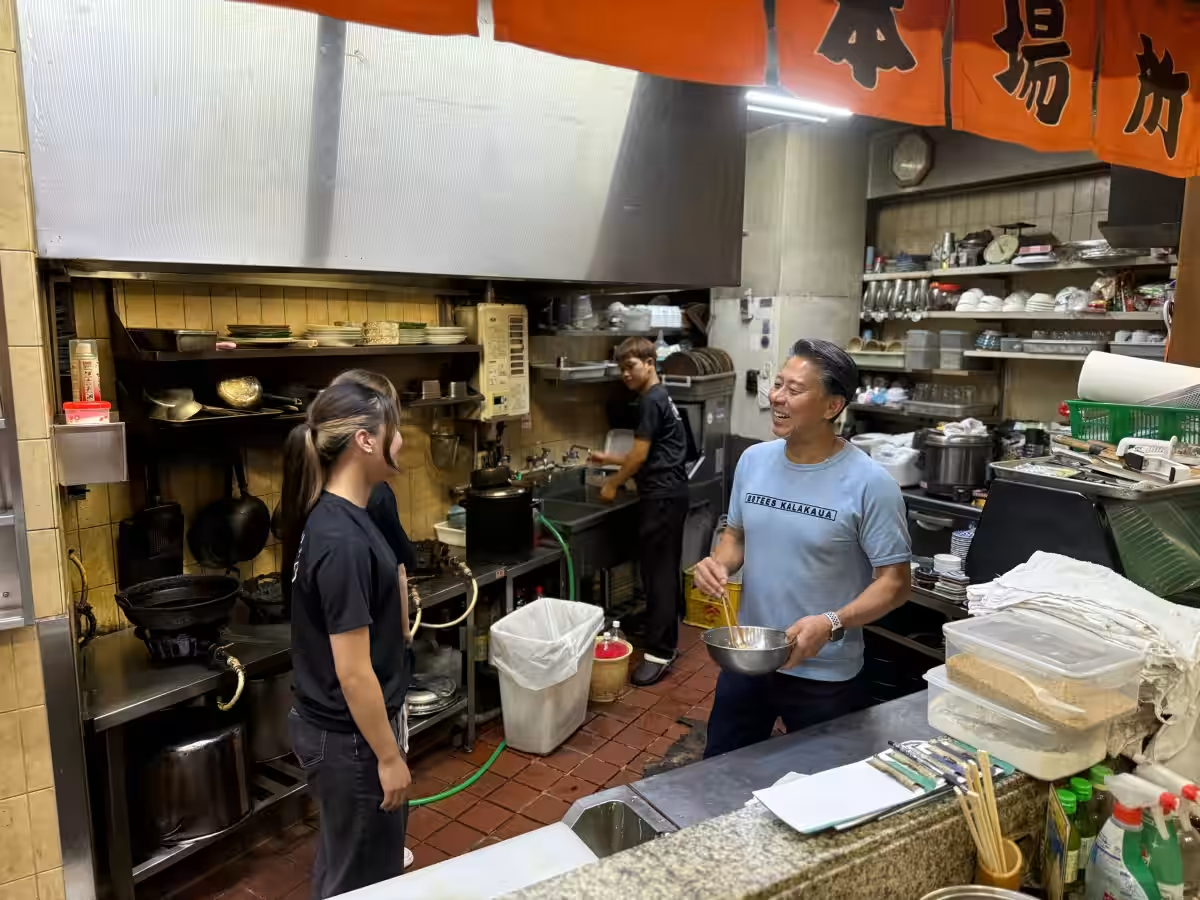
At his restaurant, Kobayashi emphasizes healthy ingredients and a meticulously planned dish structure. His commitment to traditional recipes and ingredients has remained unchanged, and he proudly states that the selection includes vegetables and fish not commonly consumed, promoting both taste and nutrition.
Navigating Economic Challenges
The rising cost of living has undeniably impacted his business, compelling him to adjust prices for the first time while striving to maintain customer loyalty and affordability. Kobayashi highlights how during challenging times, especially through the COVID-19 pandemic, he felt supported by local friends who frequented the restaurant, helping it to survive.
An Era of Connection and Community
Kobayashi encourages aspiring restaurateurs to cherish relationships, emphasizing that personal connections are essential to thriving in the competitive food industry. The spirit of togetherness, enriched by the communal dining experience, intertwines seamlessly with Osaka's hot pot culture, driving its growth and popularity.
As Review Inc. continues its mission to document the real-life stories behind the data, it is evident that the essence of Osaka's hot pot culture is deeply rooted in the connections between people, their traditions, and the evolving culinary landscape. Beyond intricate menus and vibrant locations, what truly warms the hearts of Osakans is a genuine sense of community fostered around shared hot pots.

Topics Consumer Products & Retail)




【About Using Articles】
You can freely use the title and article content by linking to the page where the article is posted.
※ Images cannot be used.
【About Links】
Links are free to use.