



Exploring Urban Food Systems with Mushrooms: The Launch of KINOKO SOCIAL CLUB
Urban Food Systems and Mushrooms: The KINOKO SOCIAL CLUB
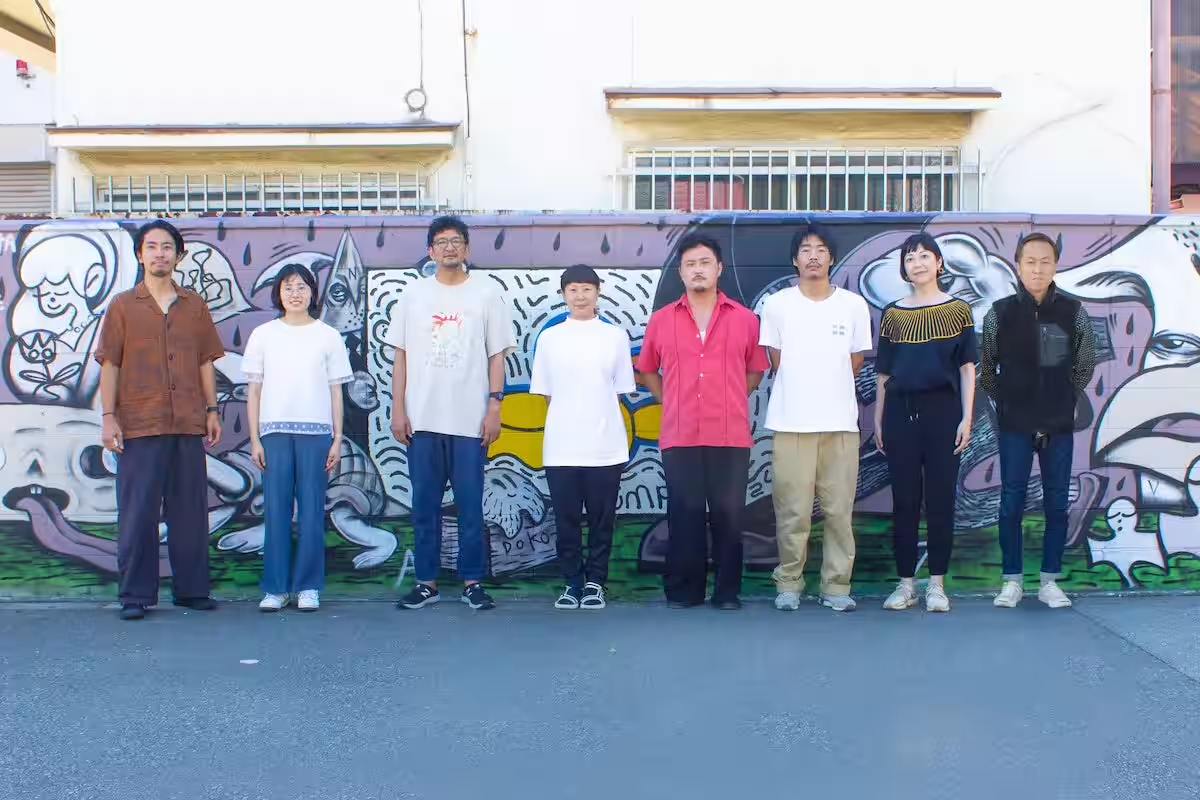
On May 14th, the KINOKO SOCIAL CLUB opened its doors in Kiyosumi Shirakawa, Tokyo, envisioning a new urban food system rooted in sustainability and community engagement. This innovative community space is brought to life by Monosus Co., Ltd., known for its work in creating perfect synergies between food and employment, and Food Hub Project, an agricultural corporation fostering social farming practices in Kamiyama, Tokushima for nearly a decade.
Concept of KINOKO SOCIAL CLUB
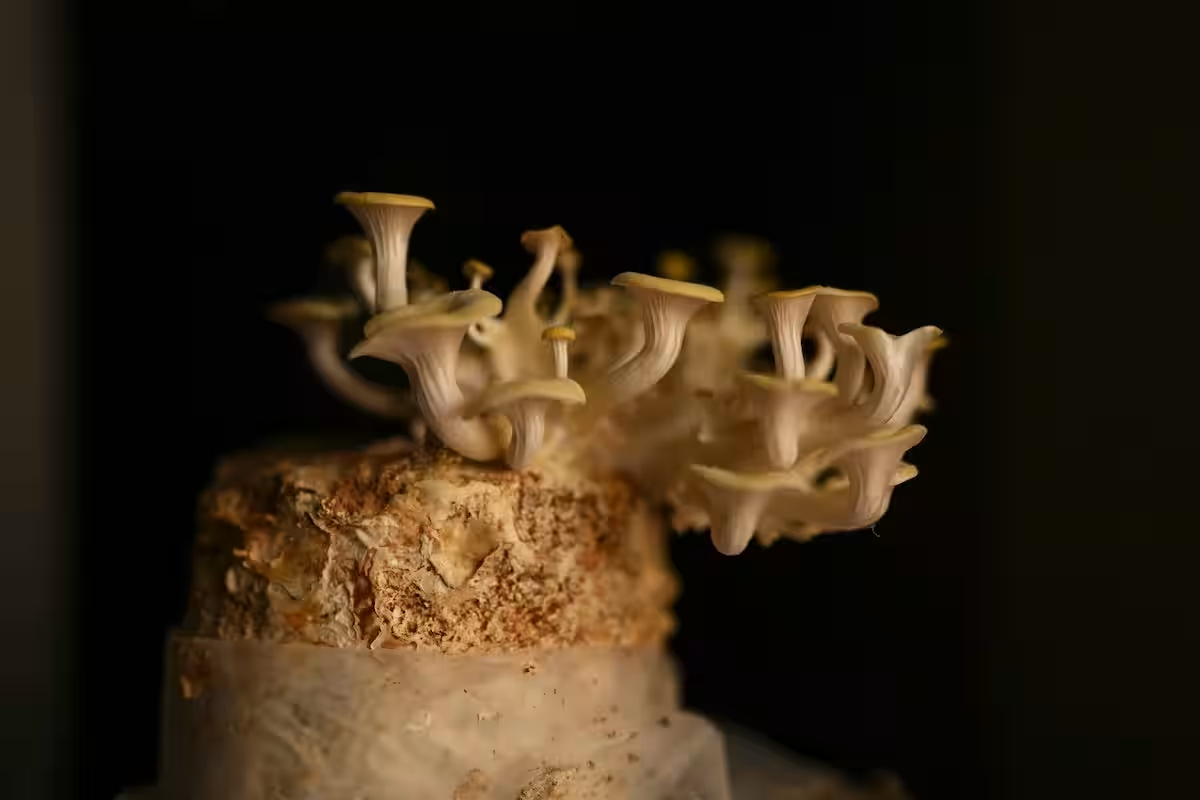
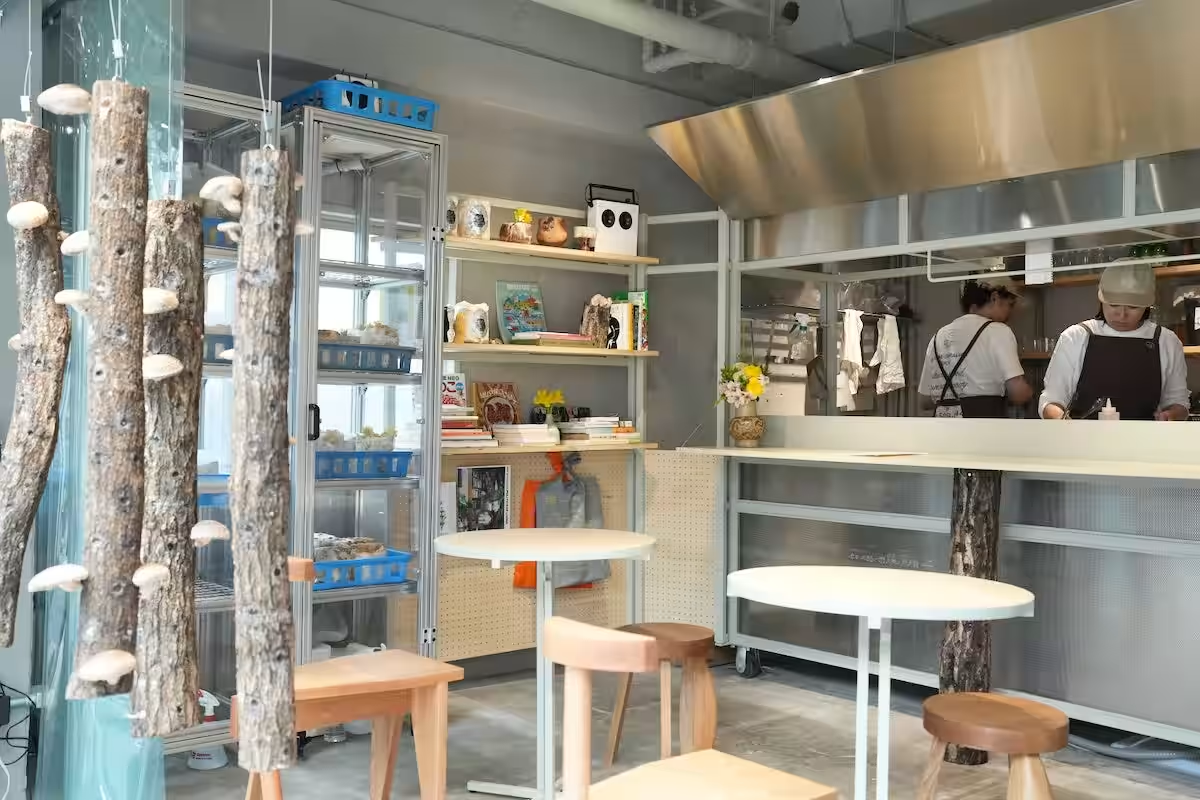
Kinoko, which means mushroom in Japanese, symbolizes the intersection of urban food production, a circular economy, and cultural exchange. The KINOKO SOCIAL CLUB facilities transform coffee grounds collected from local coffee shops into mushroom cultivation beds, initiating a closed-loop system that champions sustainability. The community space will not only serve as a cafe and workshop venue but will also host learning programs and art events aimed at nurturing a vibrant food culture in the urban community.
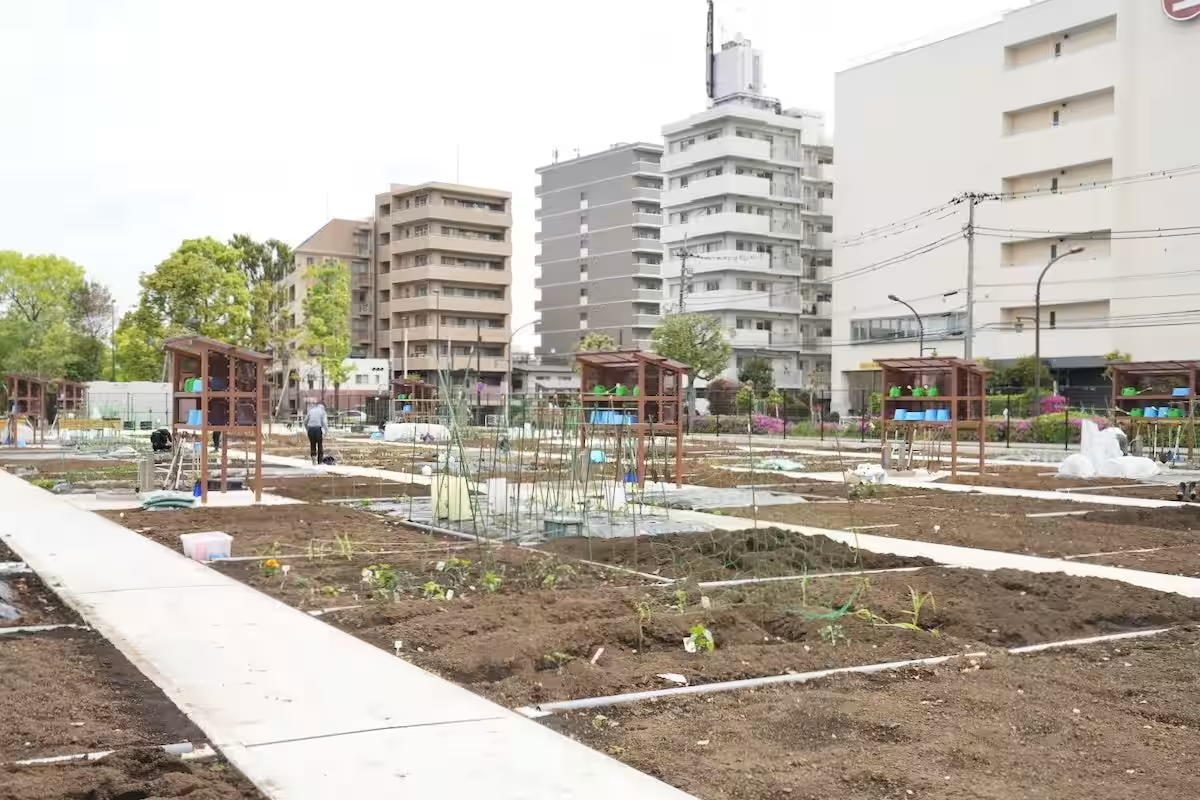
The Kiyosumi Shirakawa area is a historical hub of creativity and craftsmanship, recently recognized for its burgeoning coffee and art scene. However, it faces significant waste disposal challenges, particularly concerning coffee grounds, while climate change and population decline pose additional challenges to food production. The KINOKO SOCIAL CLUB's goal is to shift urban centers from being mere consumption sites to becoming crucial players in food production. By establishing a local supply chain within Kiyosumi Shirakawa, the project aims to address pressing urban issues through cross-cultural collaboration among researchers, artists, technological innovators, architects, and community members.
Factory Operations
The transformation of coffee grounds into mushroom cultivation is cornerstone to KINOKO SOCIAL CLUB's operation. Partnering with various coffee shops in the Kiyosumi Shirakawa area, they collect used coffee grounds and develop mushroom substrate from them. The mushrooms are then harvested and served in the café, and the spent substrate is returned to local urban farms as a soil amendment, thus closing the loop.
Circular Partnerships
Collaborating Coffee Shops
- - Allpress Espresso Tokyo Roastery & Cafe
- - +Angle Coffee Works
- - TOKAKU Coffee
In collaboration with Tenyu Landscape Construction, which manages several urban farms in Koto City, the spent substrate helps improve soil health, thus integrating urban agriculture into the community.
Unique Retrieval Methods
The KINOKO SOCIAL CLUB also features custom-designed bicycles from Tokyo Bike, used for collecting coffee grounds efficiently, underscoring their commitment to green transport solutions. Since 1997, Tokyo Bike has fostered daily interactions and community engagement through bicycles as means of transport rather than just sport.
Upcycled Culinary Tools
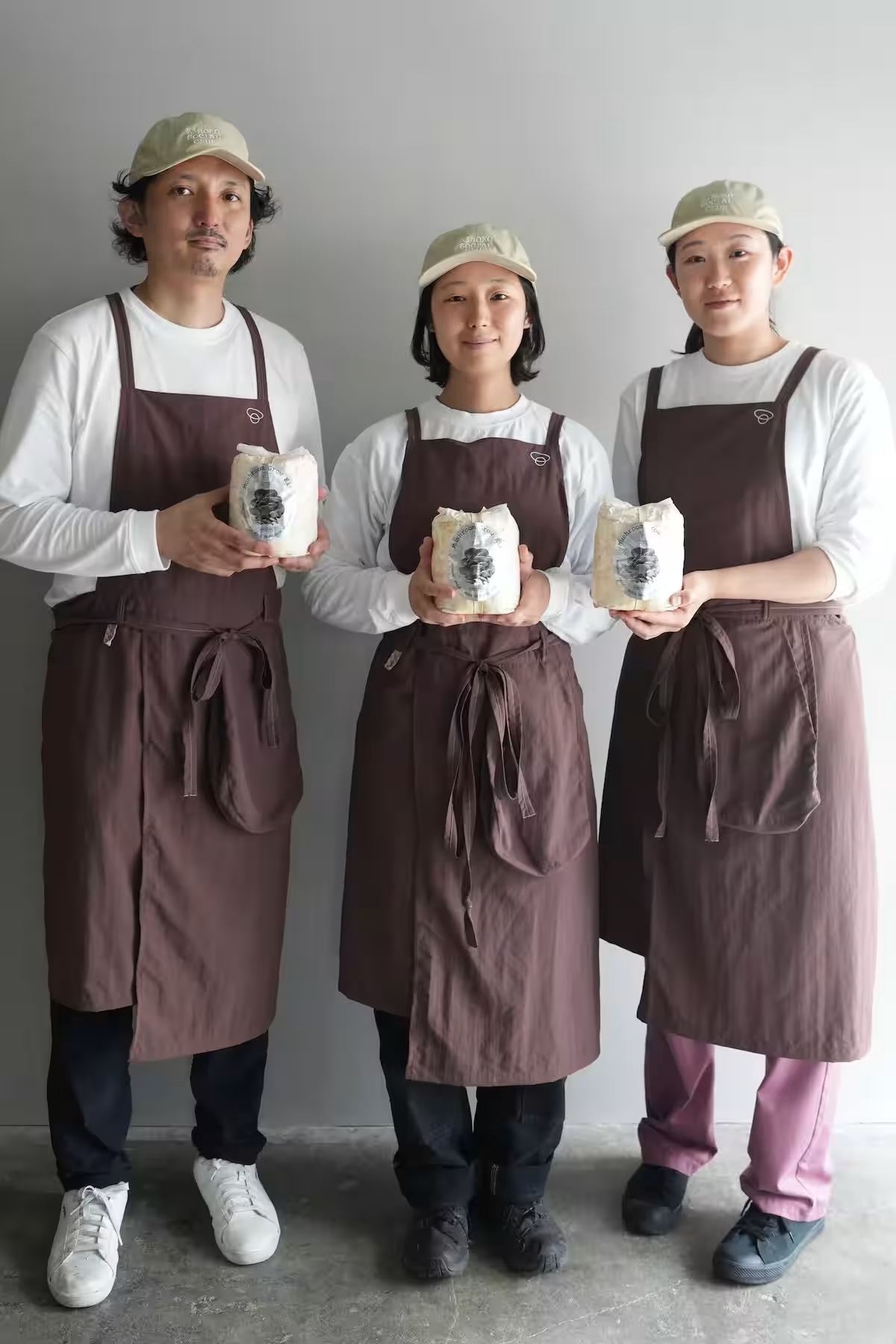
Also intriguing are the custom aprons made from upcycled materials sourced from Yama to Michi, a hiking gear manufacturer, designed uniquely for the café environment.
Culinary Ventures
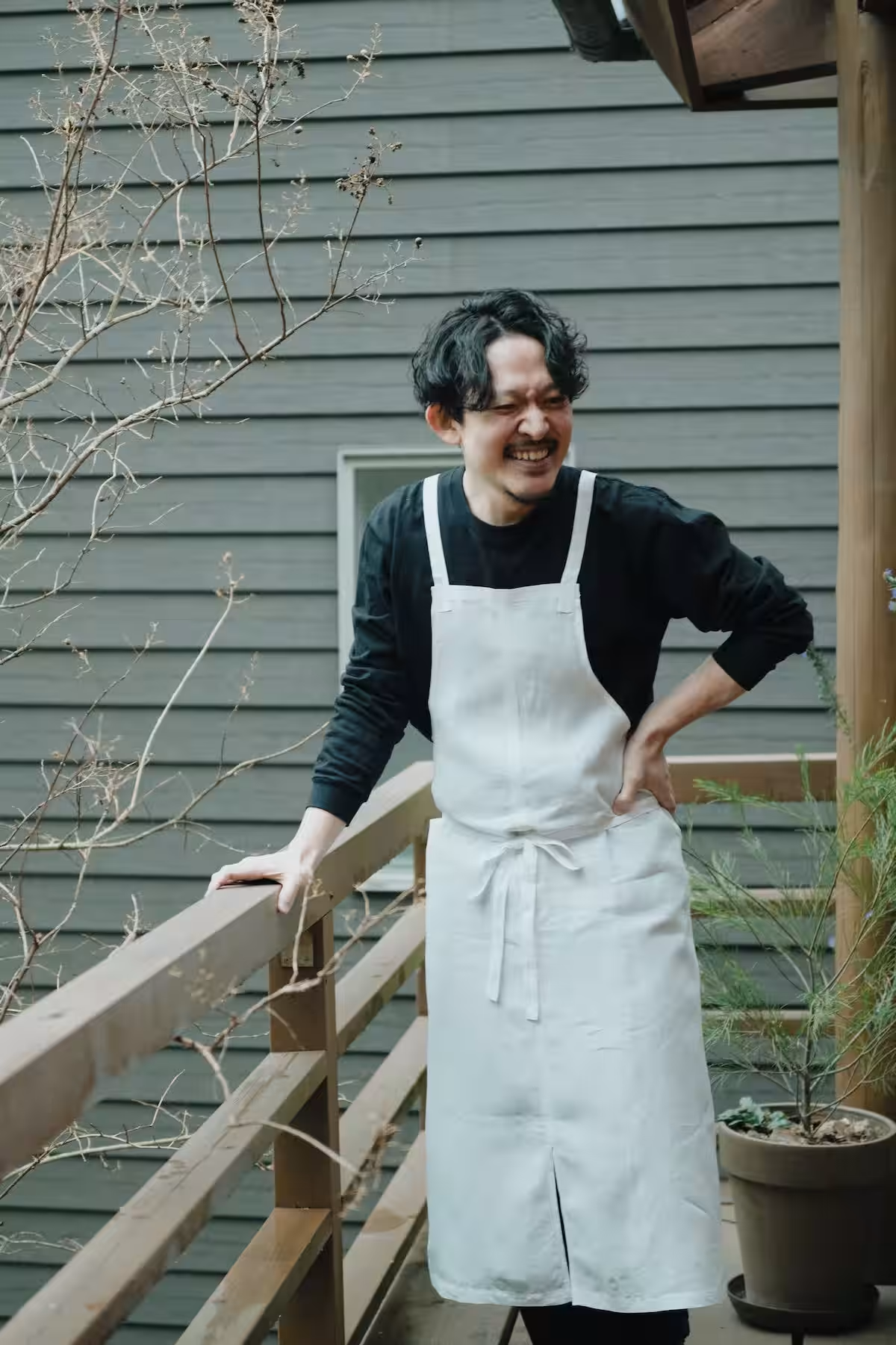
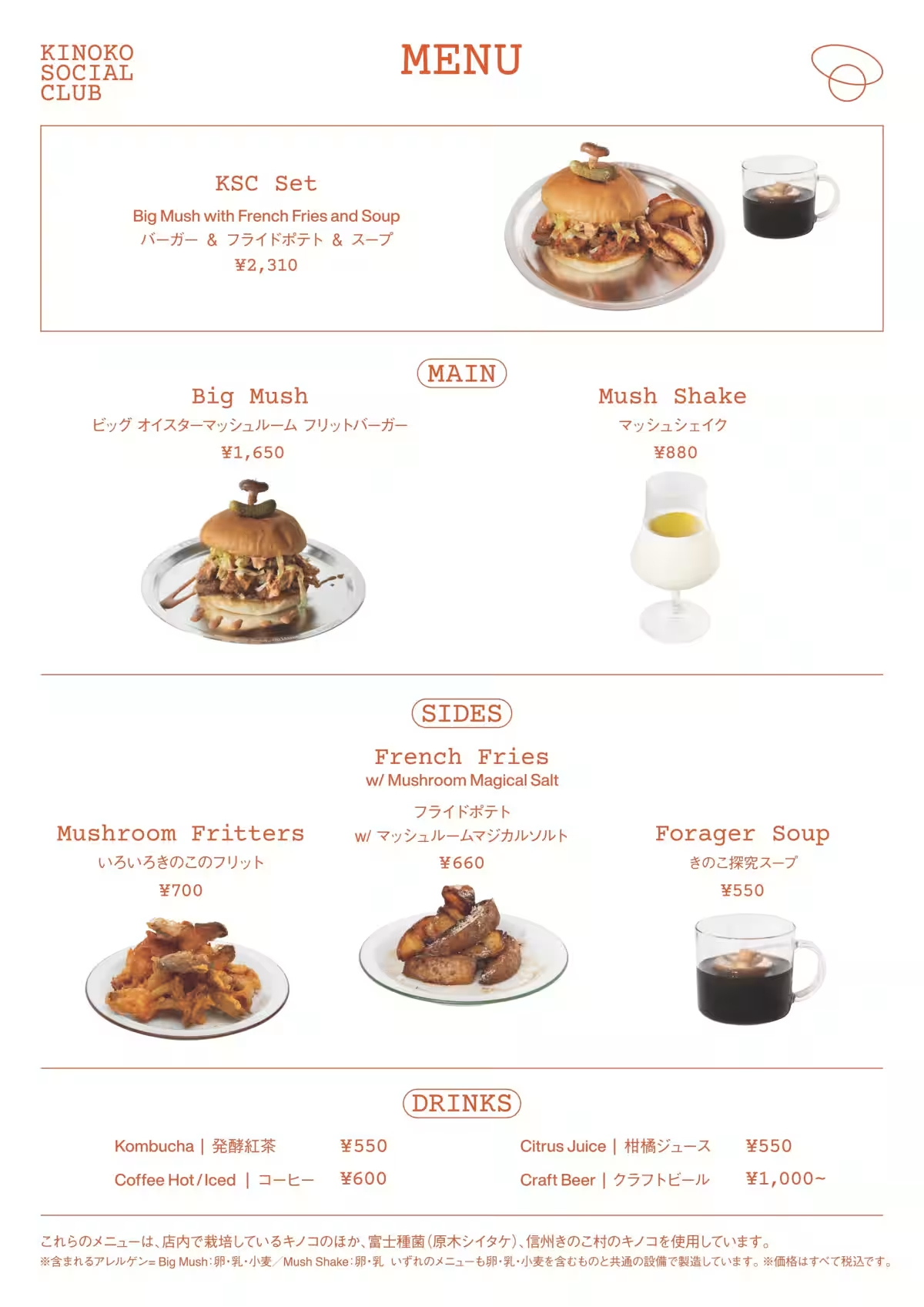
Through collaboration with top chefs from various backgrounds, KINOKO SOCIAL CLUB aspires to redefine how mushrooms are consumed. Under the leadership of Chef Hiroki Sone from the Blind Donkey, the menu includes exciting mushroom dishes that focus on accessibility and taste, whether dining at the restaurant or exploring pop-up locations.
Signature Menu Highlights
- - KSC Set: Seasonal dishes showcasing freshness and creativity.
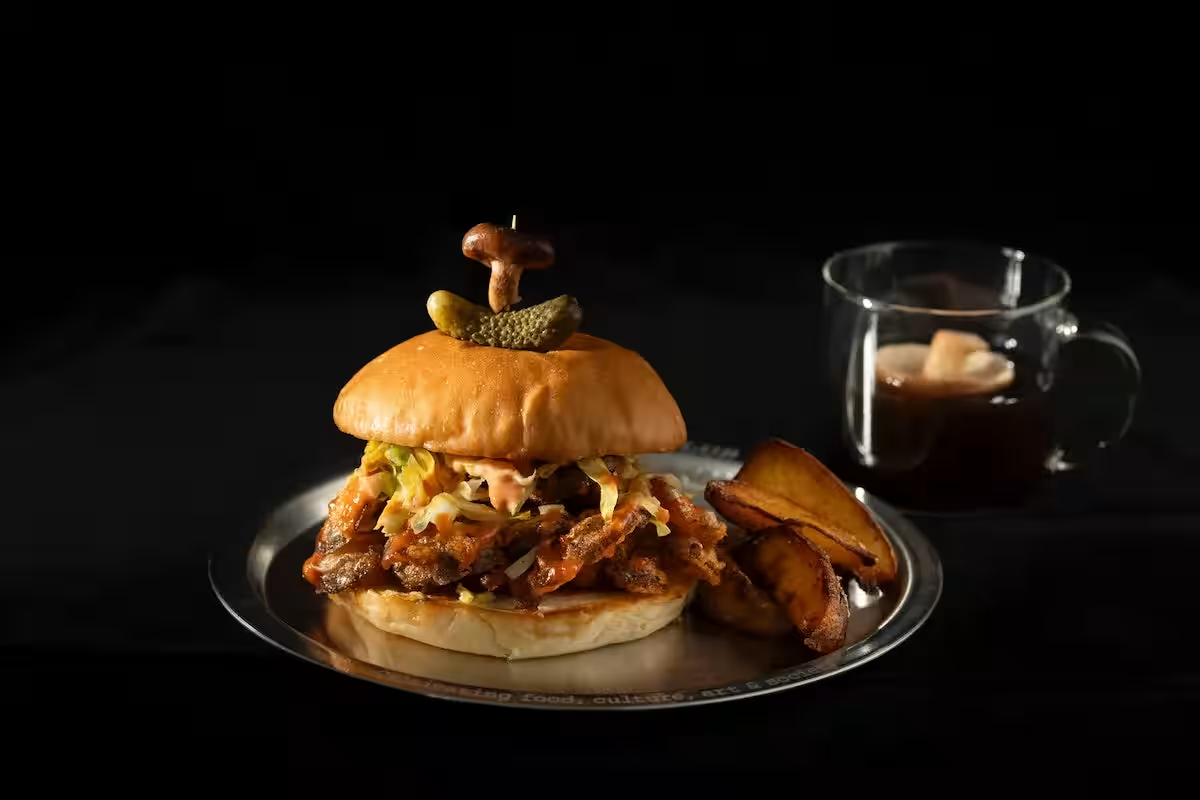
- - Big Mush Burger: A delightful offering of fried oyster mushrooms in a gourmet burger.
- - Mushroom Fritters: A blend of locally sourced mushrooms, fried to perfection.
The drink selections synergize well with meals, featuring kombucha, craft beer, and freshly brewed coffee with a unique twist.
About Us
Monosus and the Food Hub Project express their commitment to community by rigorously engaging in building a sustainable food environment. They believe that a shared approach can yield benefits beyond mere nourishment, enriching local heritage and community bonds. With their roots firmly in collaborative practices, this venture encourages creativity, commitment to sustainability, and the evolution of food experiences in urban settings.
For more information, visit Monosus and the Blind Donkey.



Topics Consumer Products & Retail)
【About Using Articles】
You can freely use the title and article content by linking to the page where the article is posted.
※ Images cannot be used.
【About Links】
Links are free to use.