



Study Reveals Alarming Reality of Household Chores Burden on Housewives
The Struggles of Housewives: A Closer Look at Household Chores
In a recent survey conducted by Mitsumore, an online comparison and ordering service based in Tokyo, alarming statistics about housewives and their burden of household chores were revealed. Just two in ten housewives feel they get adequate rest, while the harsh truth is that many end up managing their households alone, even when they wish for more support. The survey was conducted with 261 married women and highlights the current realities surrounding domestic responsibilities and the usage of cleaning services.
Key Findings of the Survey
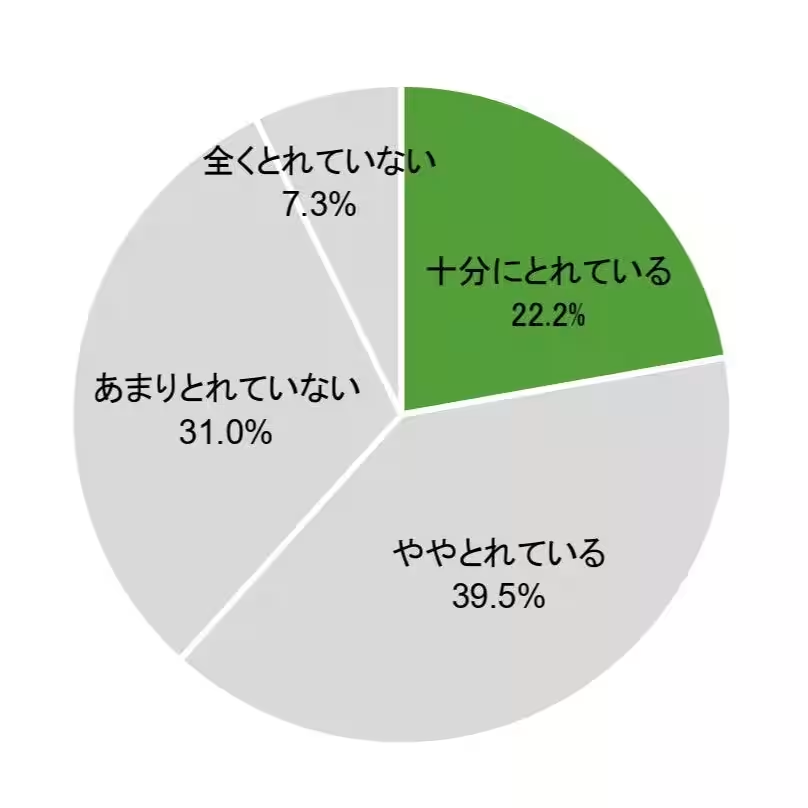
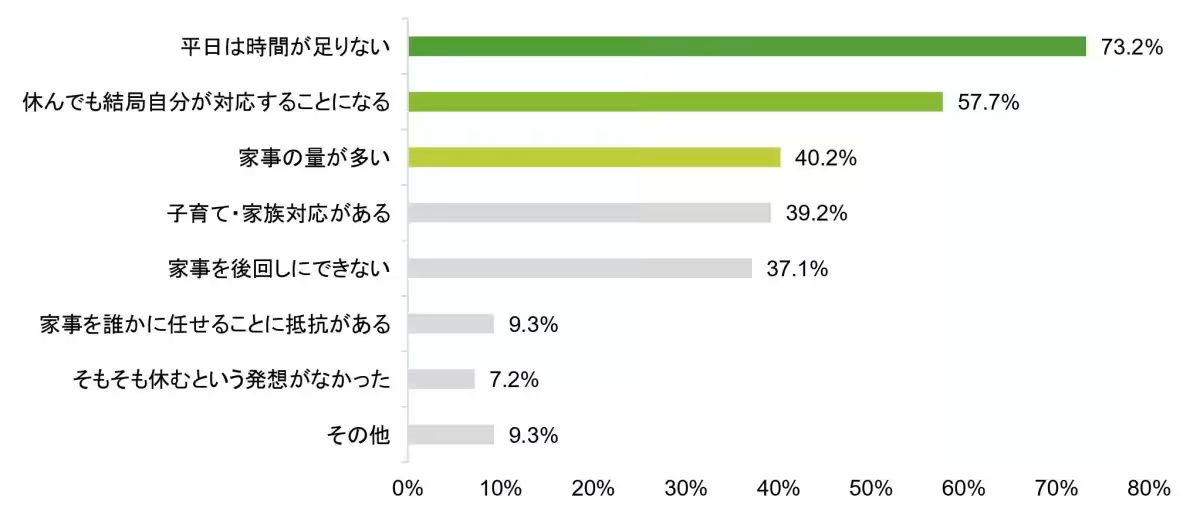
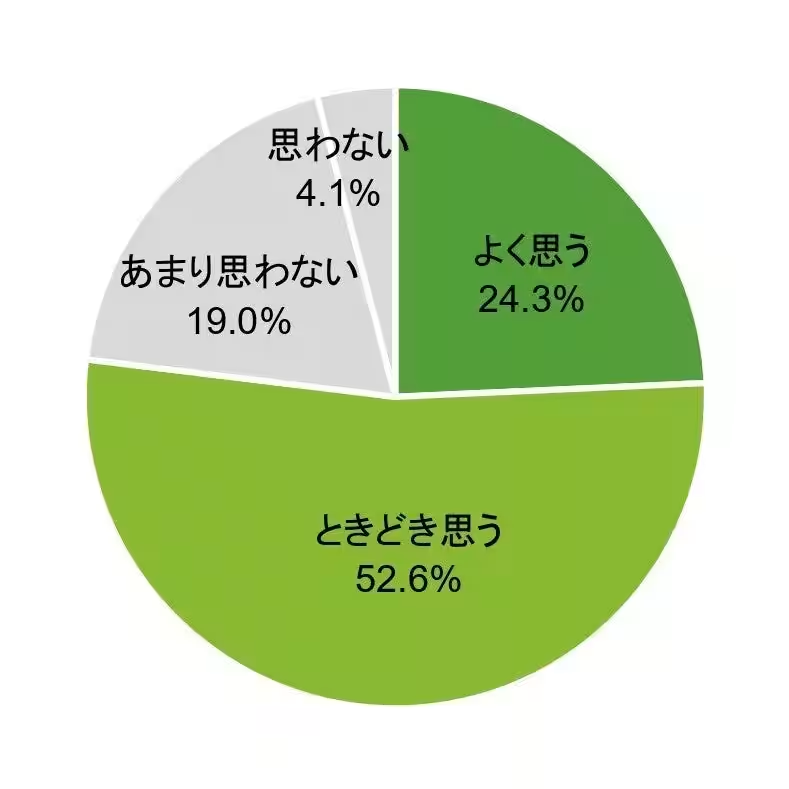
The data show that only 22.2% of housewives feel they can take enough time to rest. While about 60% indicated they get some rest, it remains insufficient. The primary reasons cited include a lack of time (73.2%), the necessity to handle chores themselves (57.7%), and the overwhelming amount of household duties (40.2%).
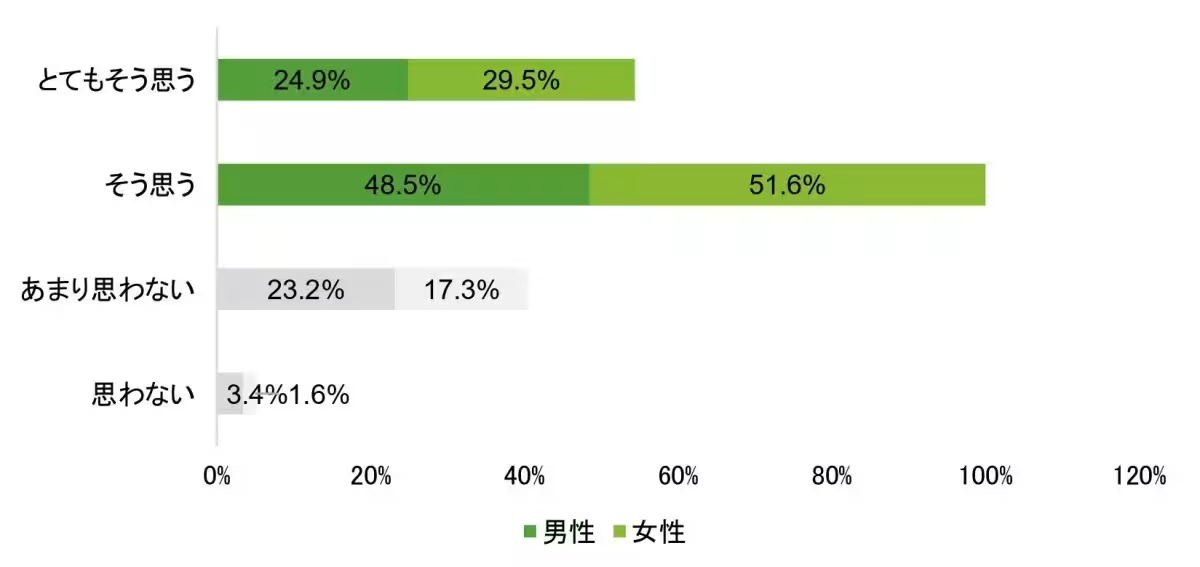
Notably, both men and women believe that reducing household chores could greatly enhance leisure time. A significant 73.4% of men and 81.1% of women expressed agreement that lessening this burden would allow for more relaxation.
Gap Between Awareness and Action
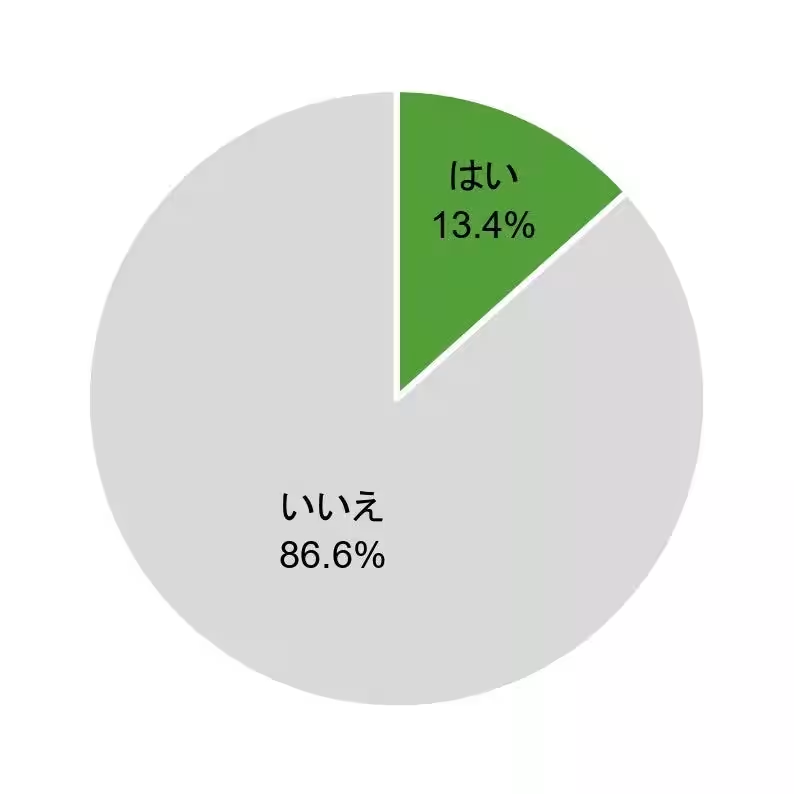
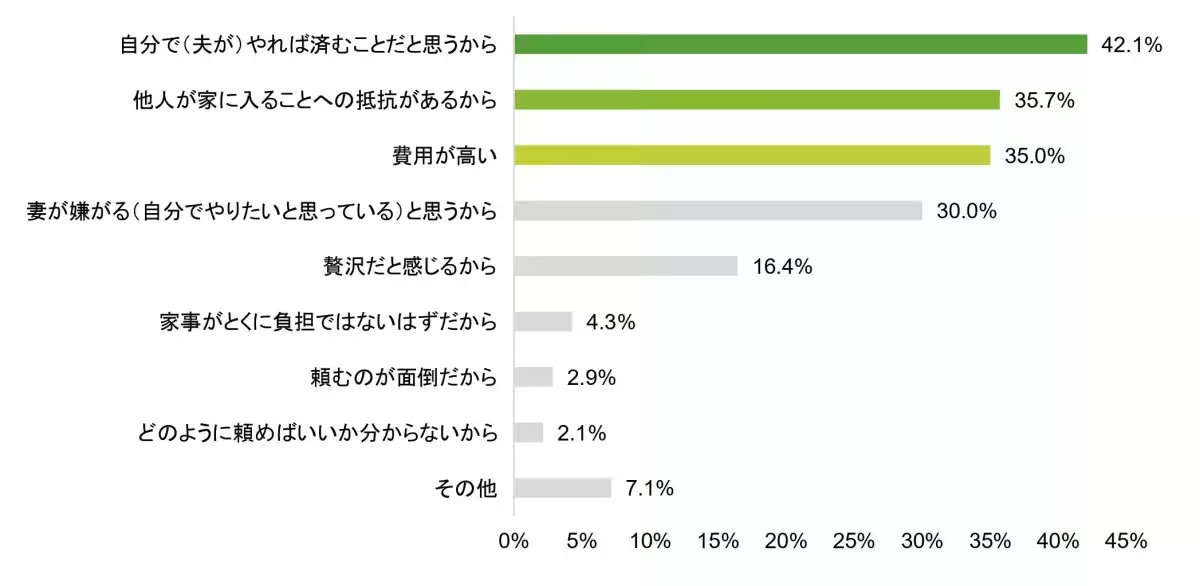
Interestingly, although 76.9% of men thought their wives should take more breaks, only 13.4% had actually utilized house cleaning services to facilitate this. Many husbands feel that they could handle the chores and pointed out the high costs associated with hiring help, highlighting a gap in perception versus action.
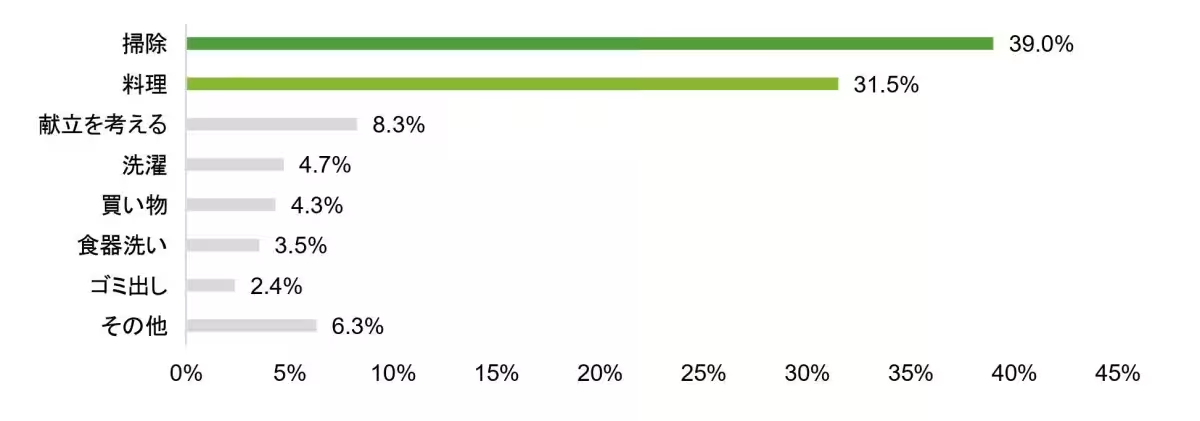
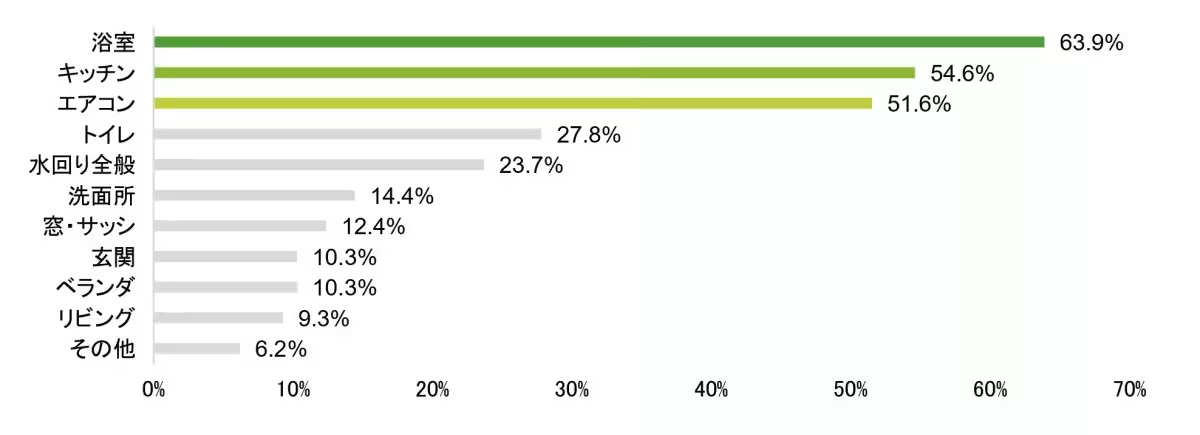
The survey also spotlighted the most burdensome household tasks: cleaning topped the list at 39%, followed by cooking at 31.5% and menu planning at 8.3%. Notably, the various cleaning challenges indicate a need for support in the most taxing areas. When asked where housewives found value using cleaning services, 63.9% rated the cleaning of bathrooms as a highly satisfactory investment, aligning practical needs with service uptake.
Rising Demand for Cleaning Services
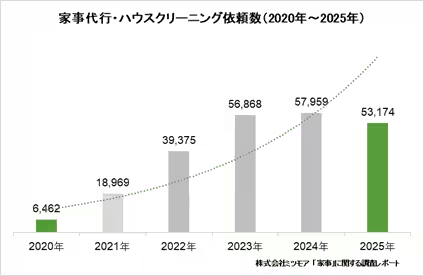
The demand for cleaning services has surged, with reported yearly requests increasing 8.2 times over a five-year period. This growth indicates a shift in how domestic responsibilities are managed, as more households lean toward outsourcing chores to regain personal time.
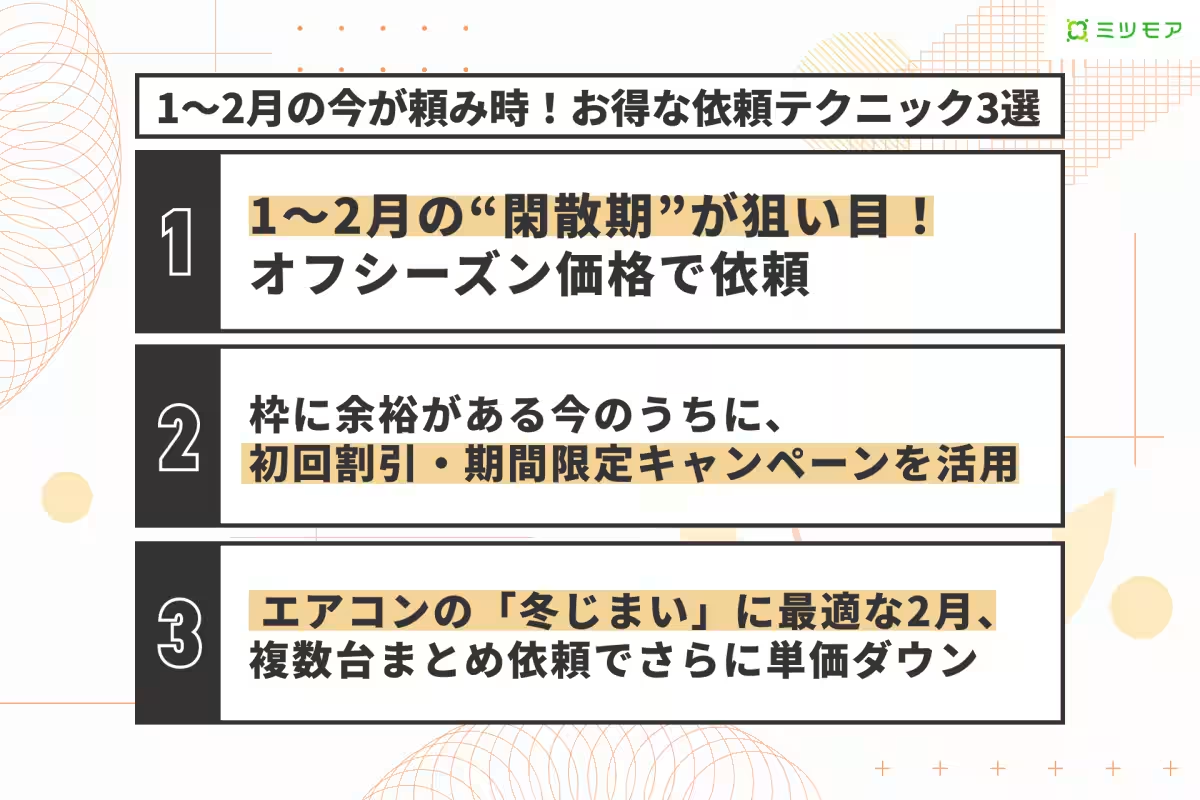
Interestingly, the period from January to February emerges as an optimal time for requesting cleaning services. This is primarily due to lower demand post-holidays, allowing for more opportunities to secure advantageous deals through providers offering first-time discounts and short-term subscriptions.
Best Practices for Requesting Cleaning Services
1. Take Advantage of Off Seasons: The winter months are ideal for securing cleaning services at discounted rates, avoiding peak times in spring and fall.
2. Utilize Short-Term Plans: As working couples often experience increased schedules around the new year, booking cleaning services early allows for greater flexibility.
3. Consolidate Requests for Better Rates: Leveraging lower demand periods for things like air conditioning cleaning during the winter months can cut costs significantly, with typical estimates lower by $20-$40 per unit in off-peak times.
Conclusion
The Mitsumore survey encapsulates a growing recognition of the challenges and burdens faced by housewives managing the household ecosystem. The increasing interest in house cleaning services not only reflects a change in domestic roles but also signifies a growing acceptance of the importance of shared responsibilities within families. As consumers start prioritizing time over money, the demand for efficient and affordable home service solutions will likely continue to rise, creating a more balanced approach to household management and personal welfare in Japanese society.
For further insights into house cleaning services and how to maximize benefits from them, visit Mitsumore’s official media page.
Topics Consumer Products & Retail)
【About Using Articles】
You can freely use the title and article content by linking to the page where the article is posted.
※ Images cannot be used.
【About Links】
Links are free to use.