



Survey Reveals How Companies Are Tackling Labor Shortages with AI and Digitalization
The Growing Demand for AI and Digitalization in Tackling Labor Shortages
A recent survey conducted by Bell System 24 Holdings, headquartered in Minato City, Tokyo, has uncovered alarming trends across various industries concerning labor shortages and the efficiency of business operations. The survey targeted management personnel from small companies with over 30 employees to large organizations with more than 5,000 employees, reaching a total of 542 respondents.
Labor Shortages Affecting Almost All Businesses
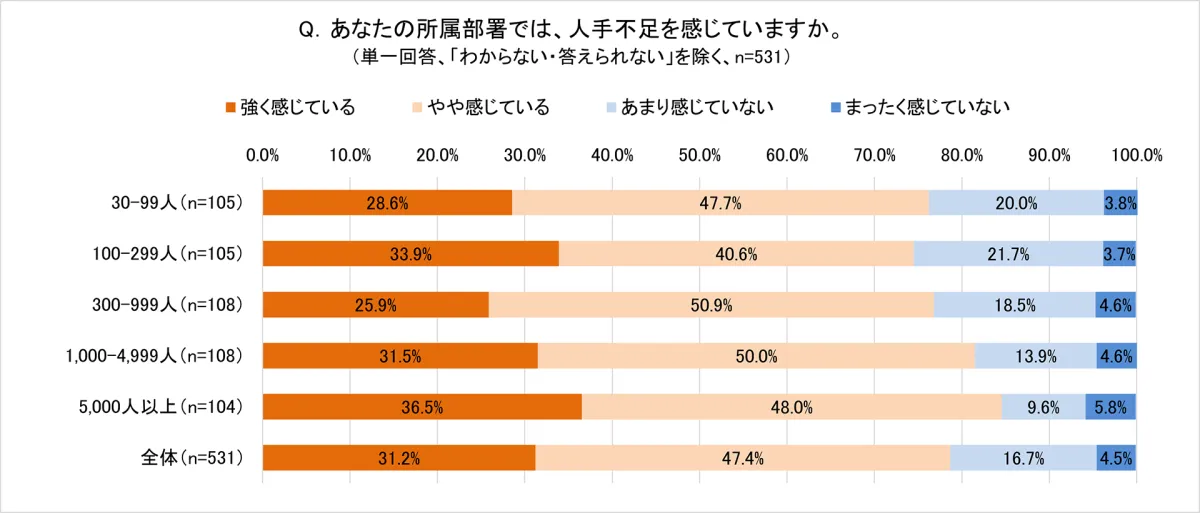
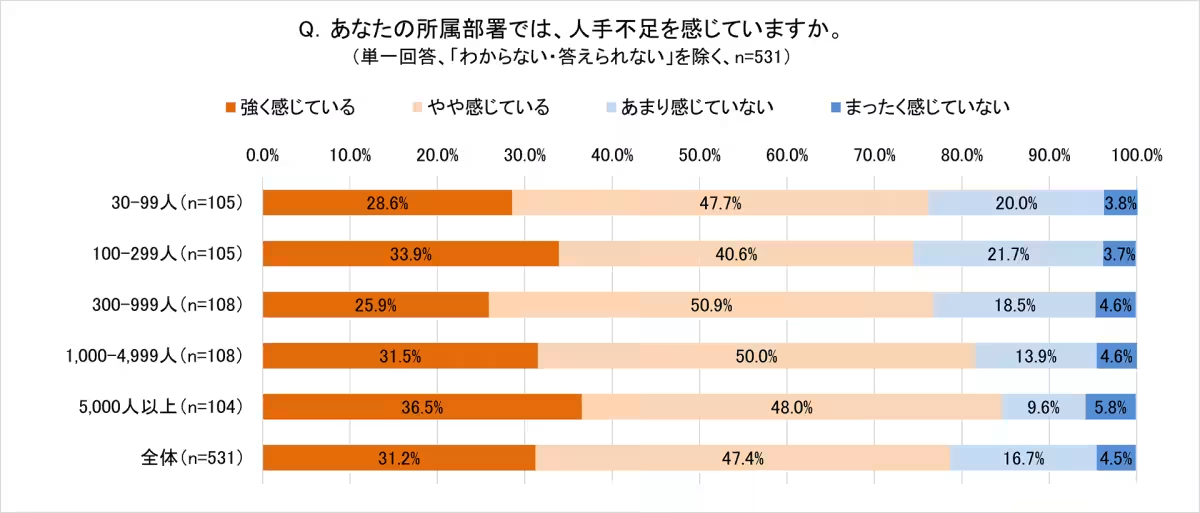
One of the survey's most striking findings is that nearly 80% of the participating companies feel the impact of labor shortages. Specifically, 31.2% admitted to feeling it strongly, while 47.4% indicated a moderate sense of urgency regarding staffing levels. This overwhelming sentiment transcends company size, highlighting a widespread challenge across the corporate landscape.
Identifying Time-Wasting Tasks
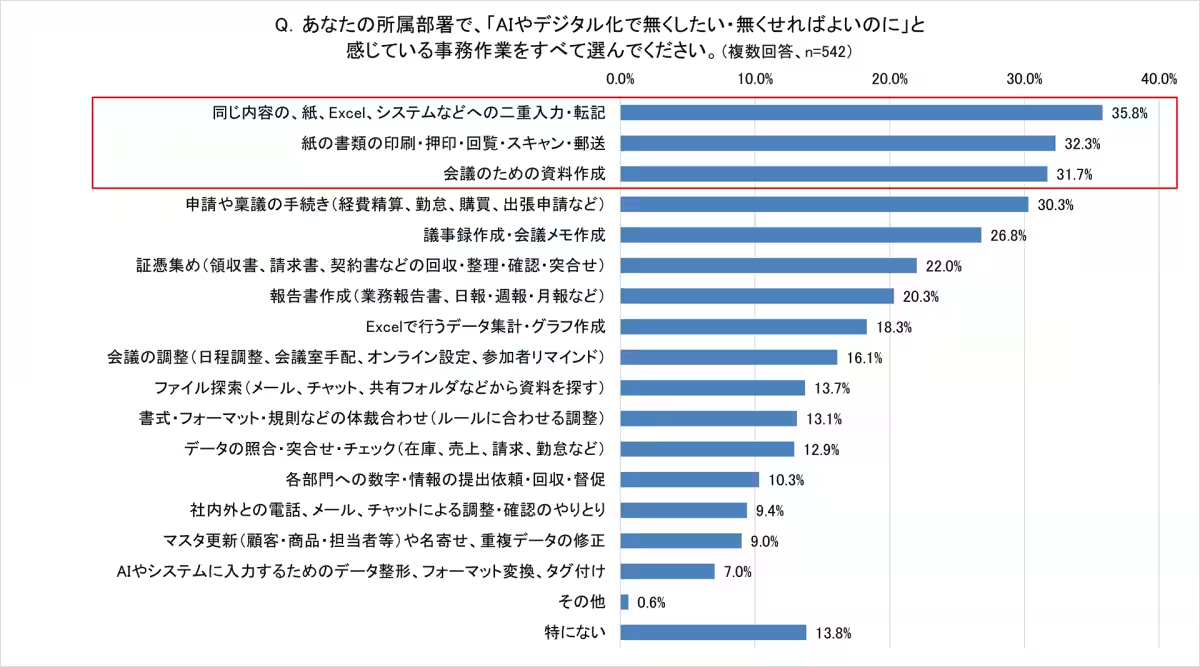
In navigating these labor shortages, companies are increasingly recognizing the need to eliminate redundant administrative tasks that drain employee productivity. Respondents identified the following common activities they aim to reduce through AI and digitalization:
1. Double Entry and Data Transfers (35.8%)
2. Handling Paper Documents (printing, stamping, circulating, scanning, mailing) (32.3%)
3. Preparing Materials for Meetings (31.7%)
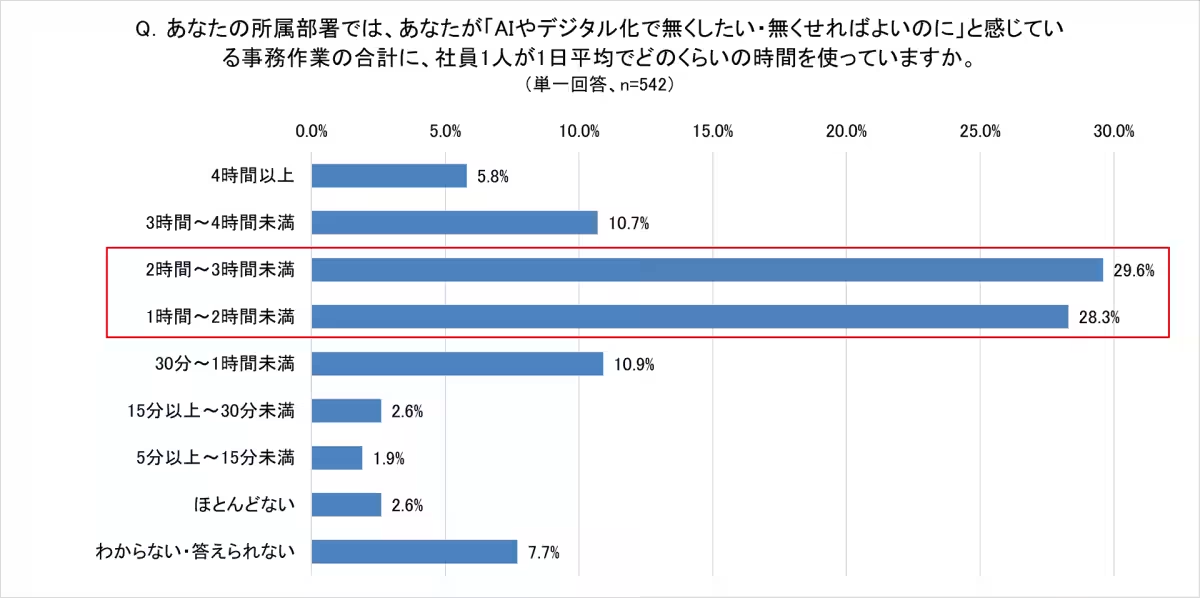
The survey indicates that employees spend an average of two hours per day on such administrative burdens. This allocation of time raises significant concerns about productivity and highlights the necessity for efficient operational changes.
The Role of Generative AI
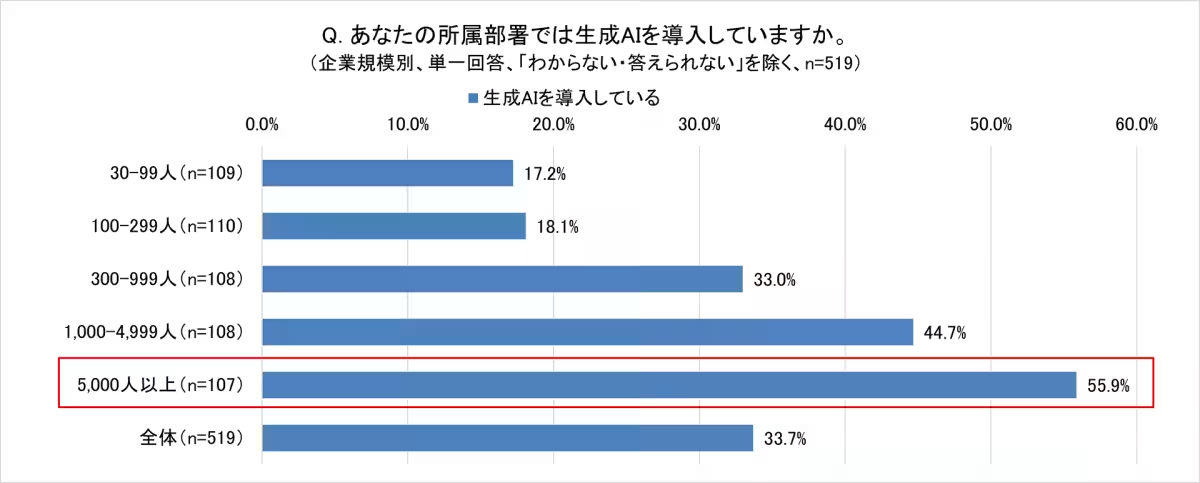
The adoption of generative AI as a means to counterbalance these productivity losses appears promising. The survey reveals that about 33.7% of companies have implemented some form of generative AI, with larger firms showing a higher adoption rate—up to 55.9% in companies with over 5,000 employees, illustrating a clear correlation between company size and technological integration.
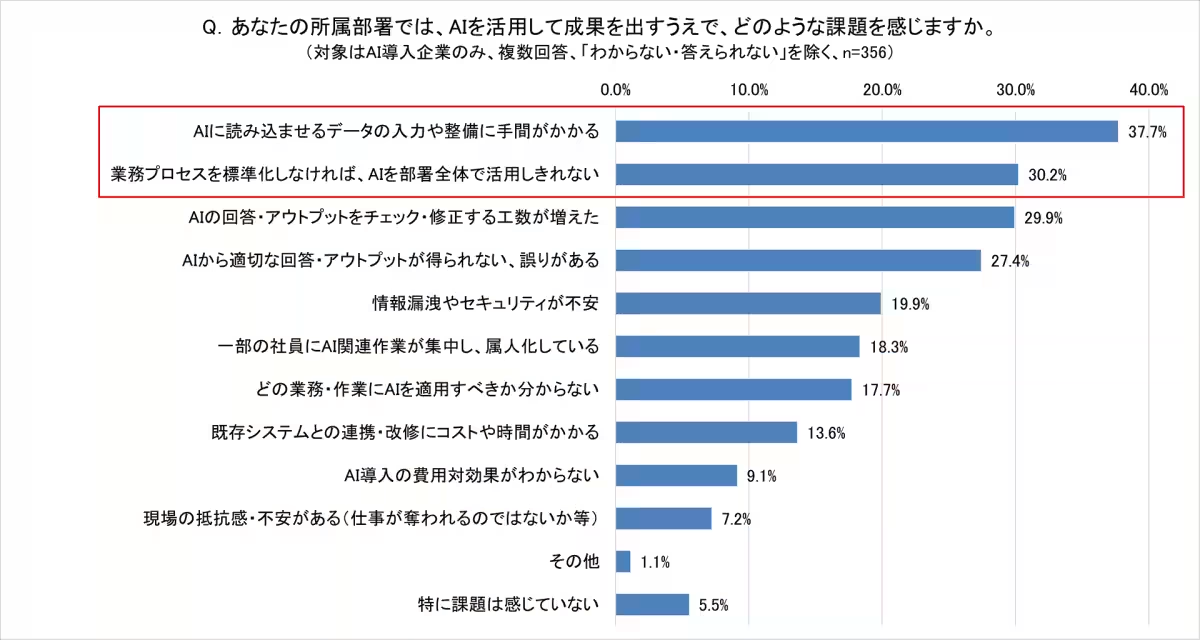
However, challenges remain in fully harnessing the capabilities of AI. Many companies cite the requirement for data organization and standardized operational processes as primary hurdles to successful AI implementation. In fact, 37.7% of respondents emphasized the complexity of preparing data for AI systems, while 30.2% acknowledged the need for standardizing processes to utilize AI effectively across departments.
The Need for Standardization
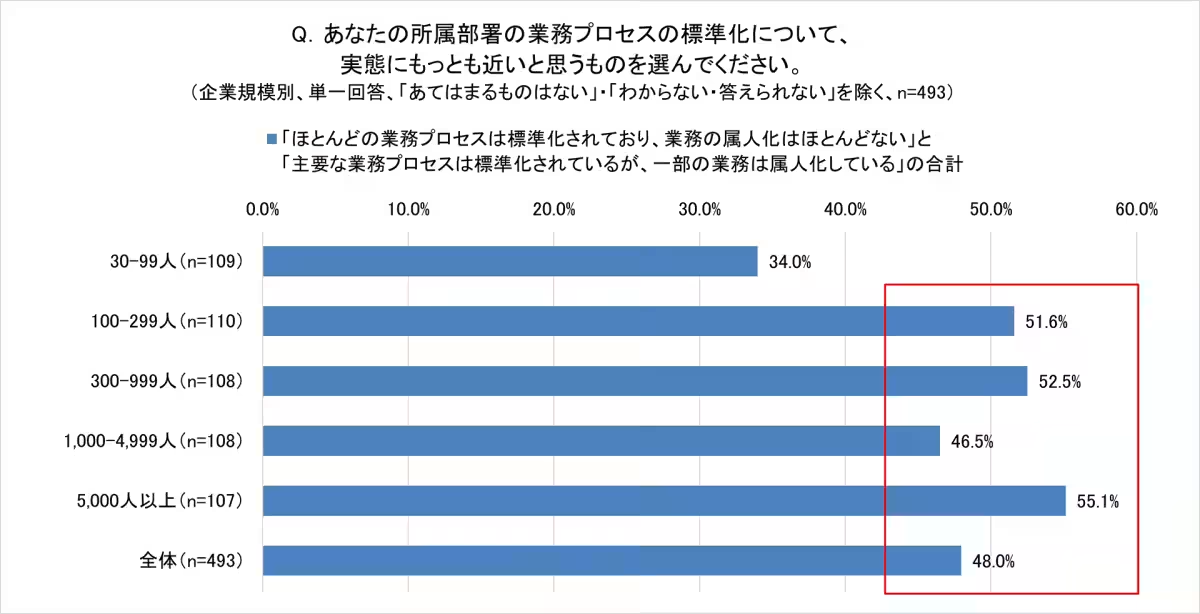
A critical insight from the survey is the urgent requirement for standardized business processes. Approximately 48% of companies with over 100 employees reported that major processes had reached a level of standardization, but there remains a notable variance by company size. Smaller firms (30-99 employees) averaged only 34% standardization, while larger firms were closer to half. Despite the recognition of standardization's importance, about 50% of those surveyed still struggle with this 'wall' that prevents effective AI deployment.
Conclusion and Future Outlook
The findings of this research underscore a significant trend affecting businesses of all sizes: the urge to integrate AI and digital solutions to combat labor shortages while improving efficiency. Despite strides in AI adoption, companies must prioritize overcoming obstacles related to data preparation and process standardization to fully leverage AI's potential.
As Bell System 24 envisions its strategic journey through to 2026, it embraces the motto ‘Hybrid Intelligence for All’ to foster a symbiotic relationship among human and AI resources, effecting holistic transformations in client businesses through improved processes and advanced technologies. The challenge of transforming labor shortages into productivity gains remains a socially imperative issue, and forward-thinking companies will undoubtedly continue to seek innovative solutions.
Topics Business Technology)
【About Using Articles】
You can freely use the title and article content by linking to the page where the article is posted.
※ Images cannot be used.
【About Links】
Links are free to use.