



Understanding Human Roles in the Age of AI: Responsibilities and Challenges
Understanding Human Roles in the Age of AI
As artificial intelligence becomes an integral part of daily work, the dynamics of human involvement in organizations are evolving. Request Corporation has published a compelling 10-page illustrated guide titled "What People Must Assume in the Age of AI," which delves into critical questions surrounding human roles in the wake of AI advancements.
The Influence of AI on Work
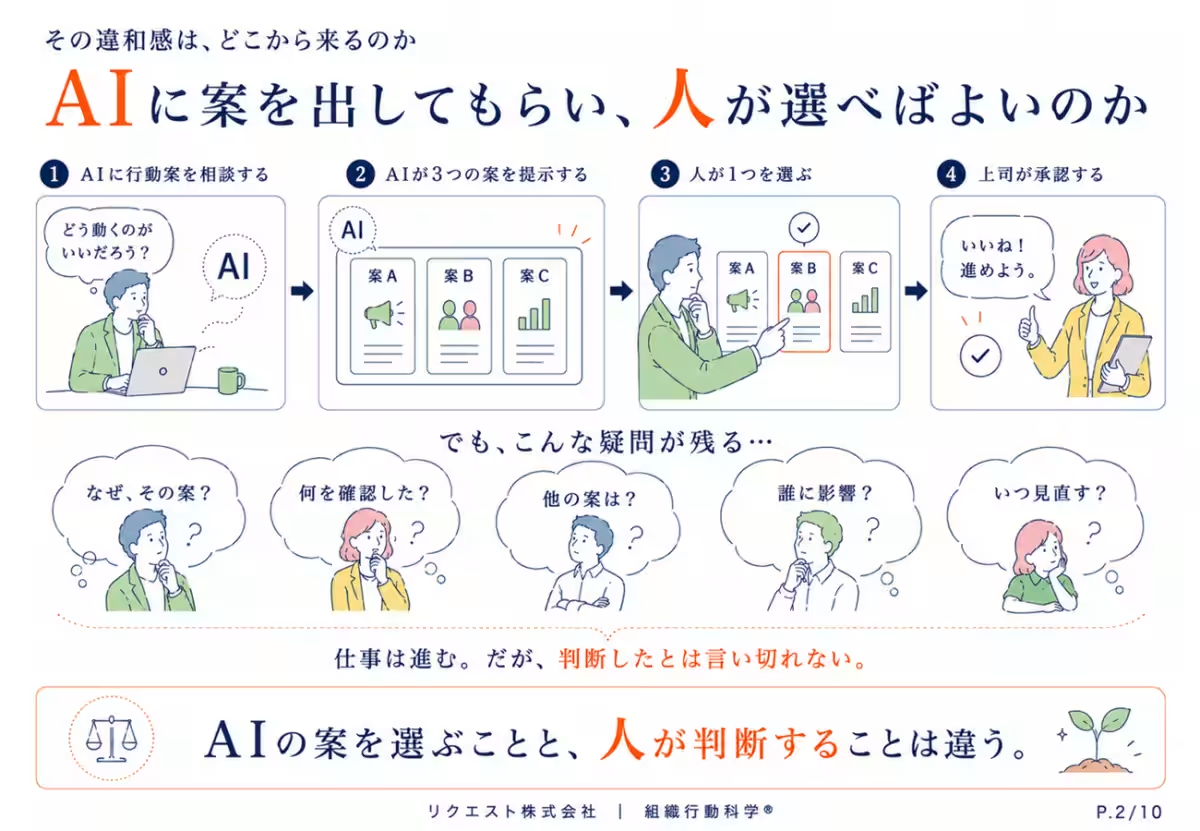
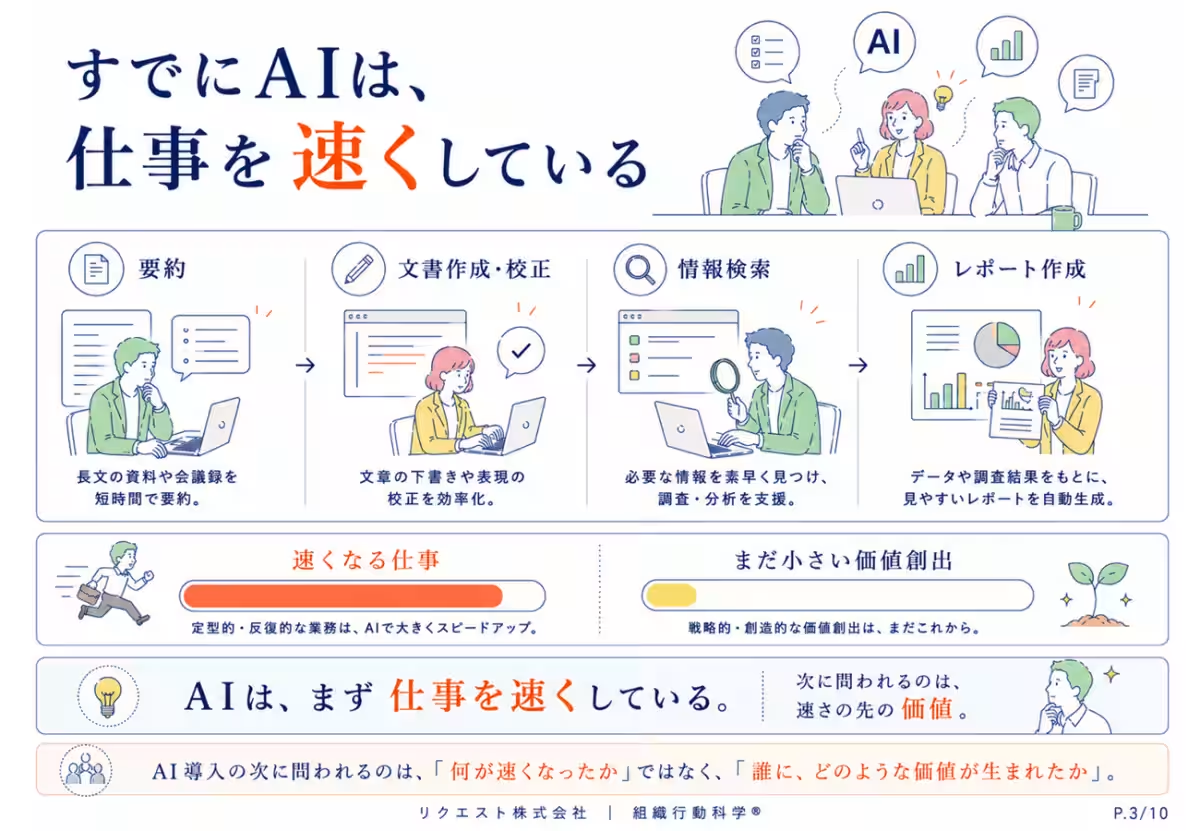
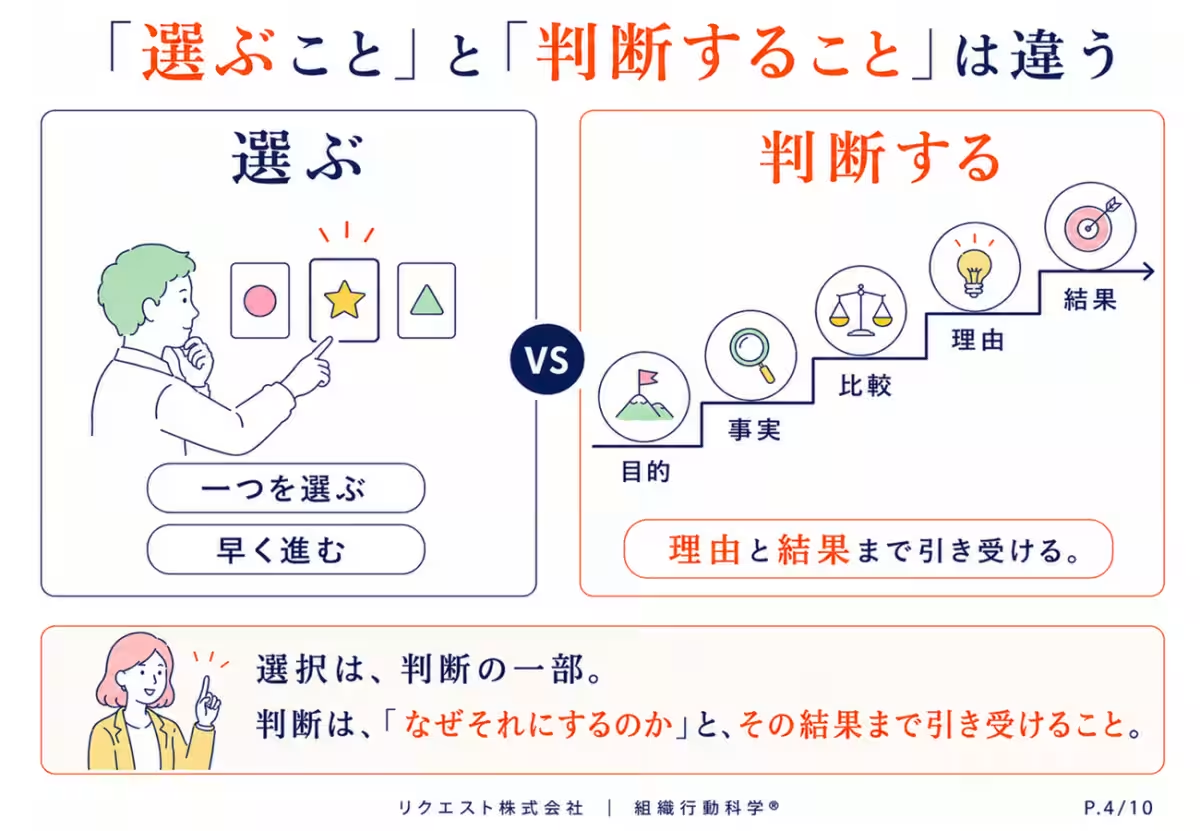
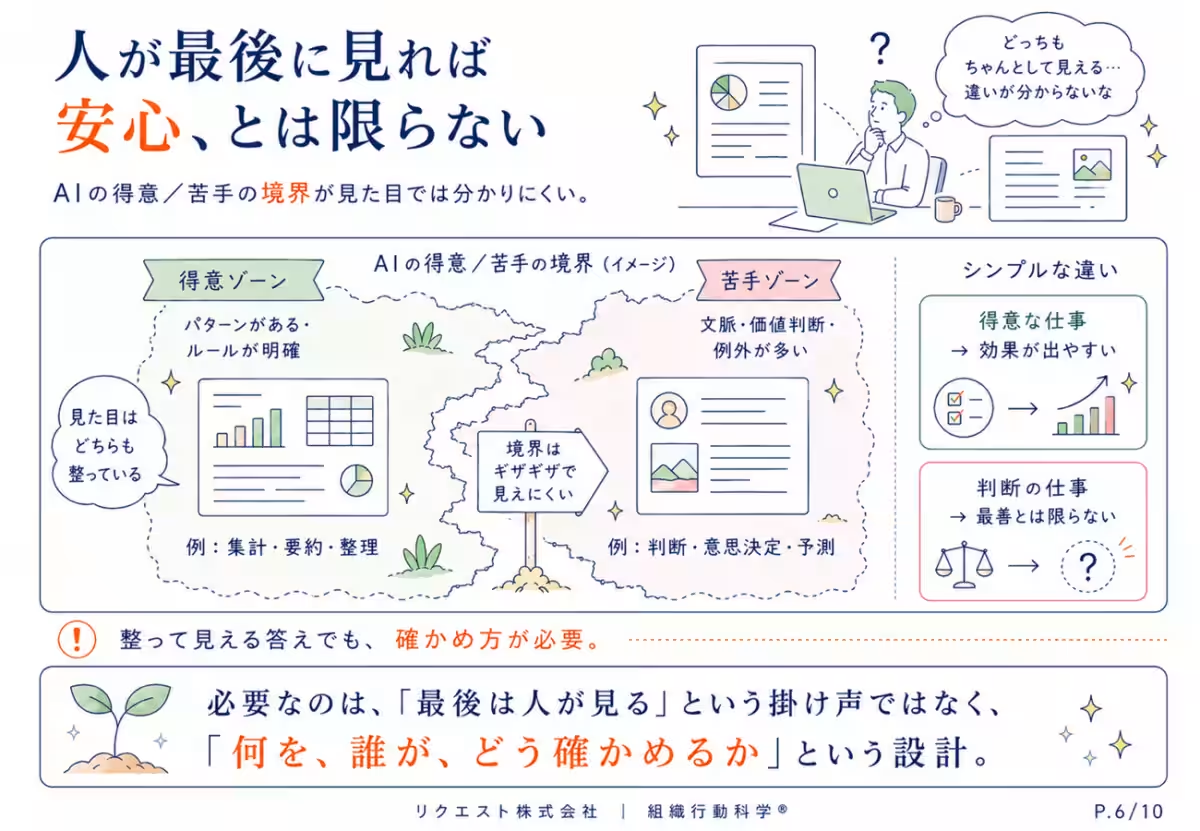
AI technologies have streamlined various tasks, from summarizing documents to creating comprehensive reports. The efficiency gains are undeniable; however, this raises several pressing questions about human capability and decision-making. For instance, can we genuinely say we have made a decision if we are primarily selecting options proposed by AI? Does completing a task equate to the ability to make informed judgments? Furthermore, is human oversight sufficient if the final verification comes from a person after AI suggestion?
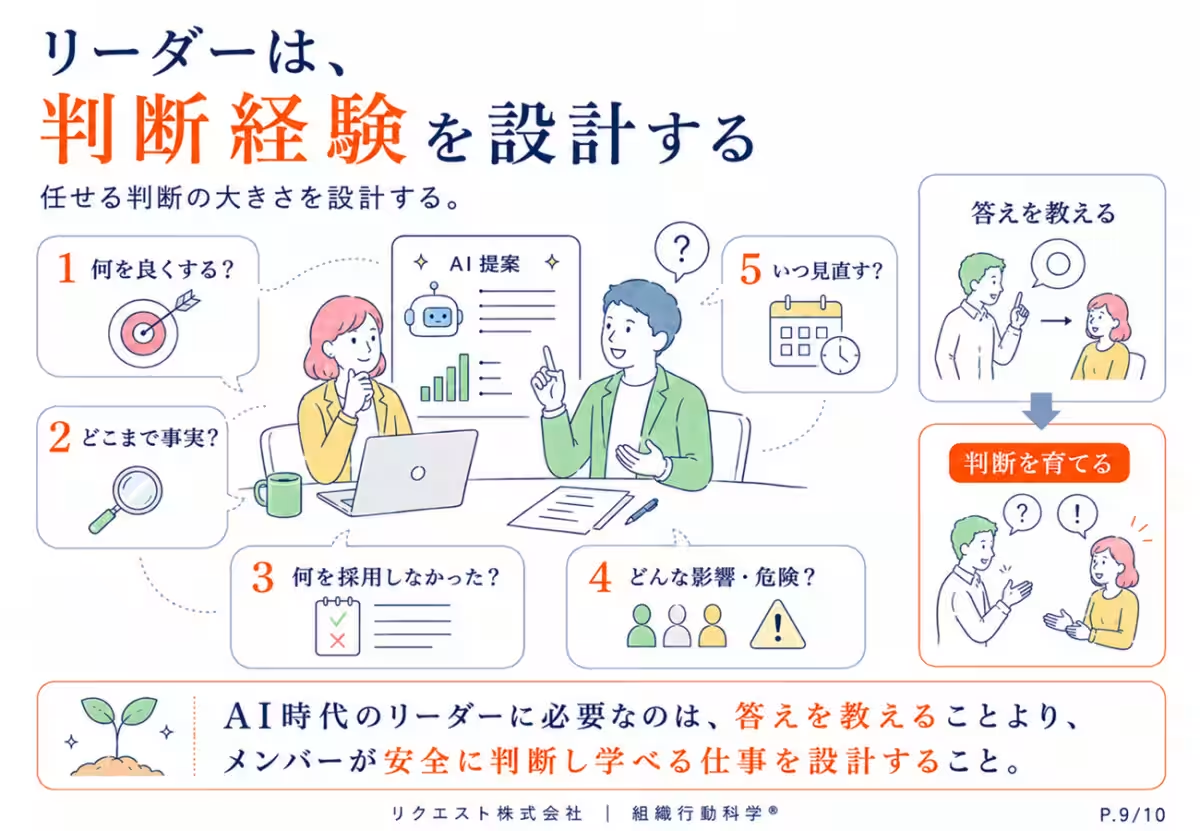
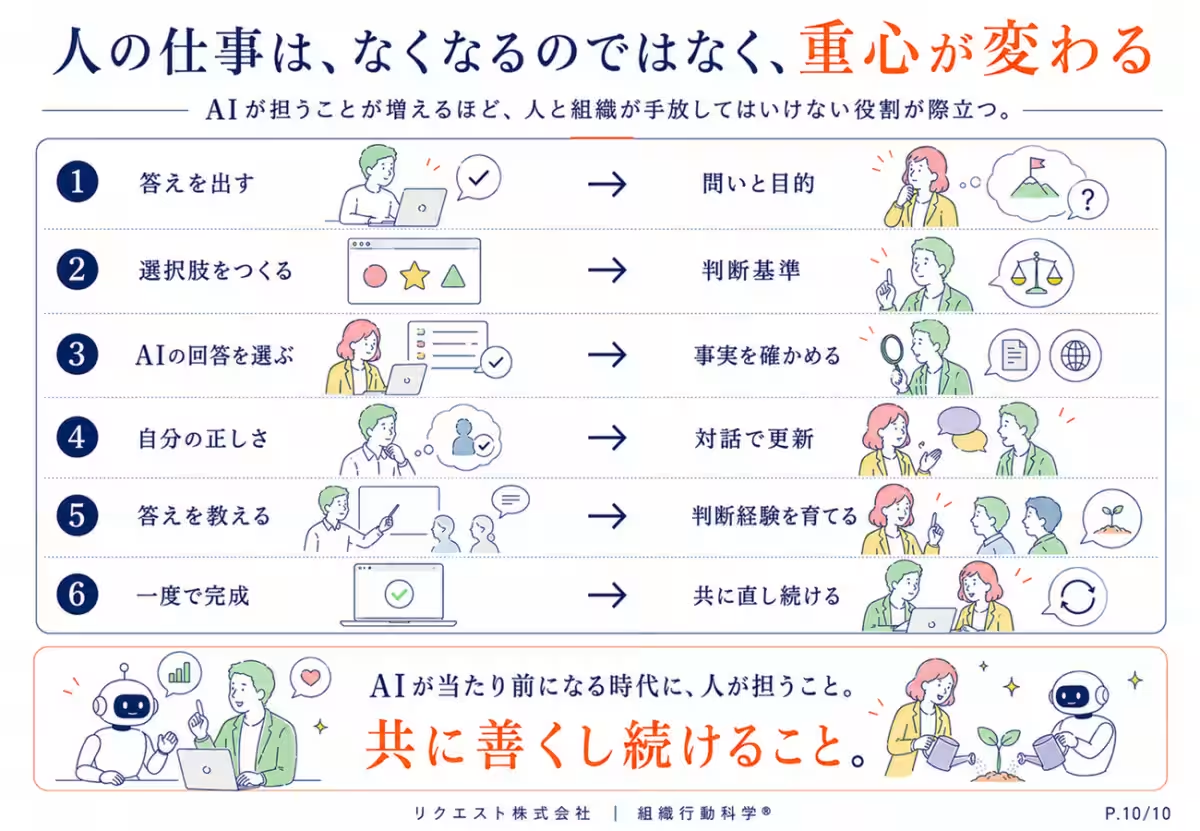
This guide confronts these challenging questions, aiming to clarify the roles that both individuals and organizations must play in a rapidly changing environment. Rather than relying solely on AI outputs, the document emphasizes the need for thoughtful consideration and contextual understanding when utilizing AI as a tool. It argues that leaders should design work processes that empower team members to make safe judgments while also fostering an environment conducive to learning and development.
Core Aspects of Human Involvement
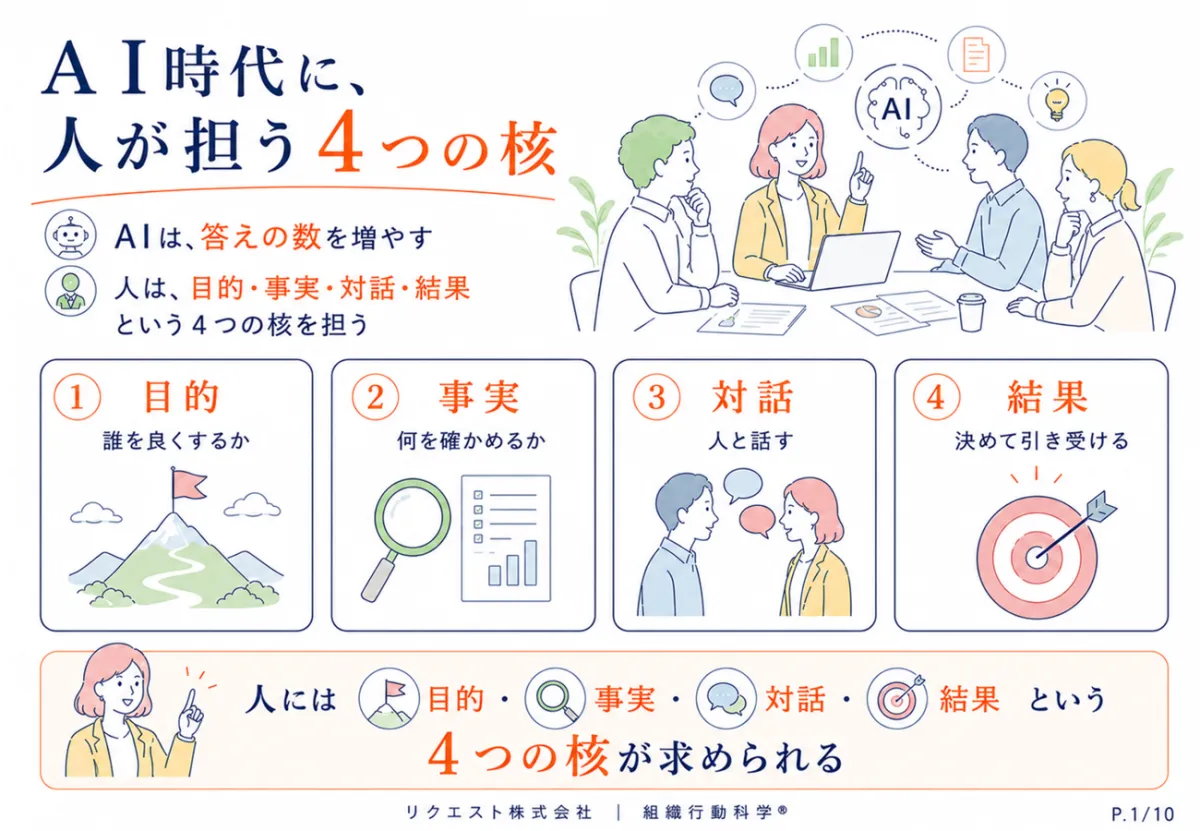
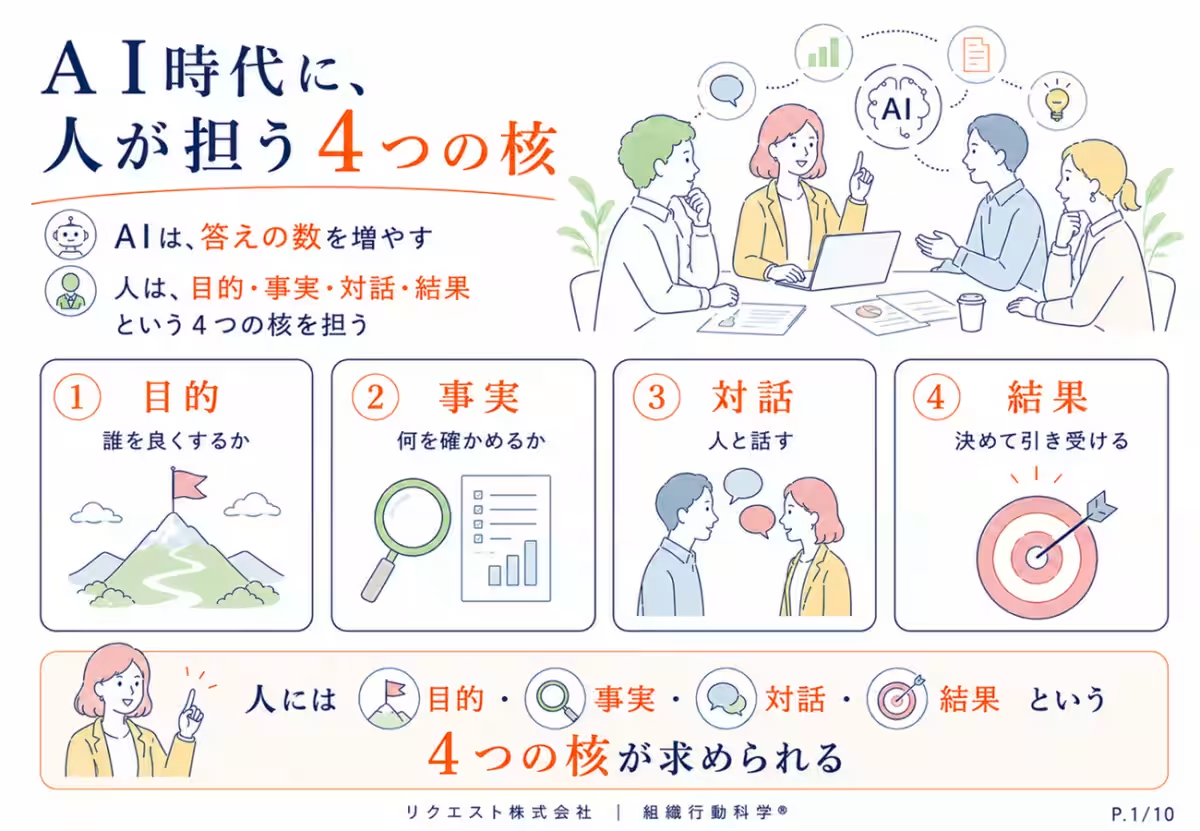
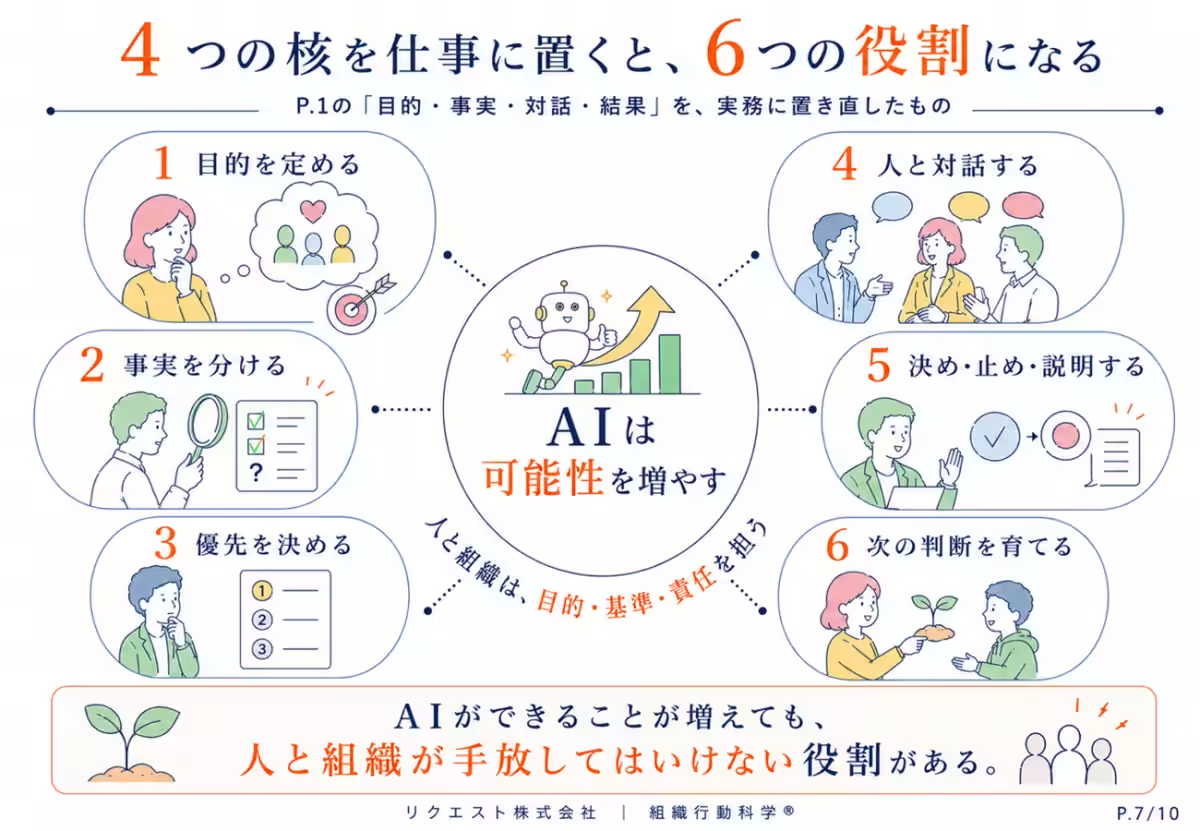
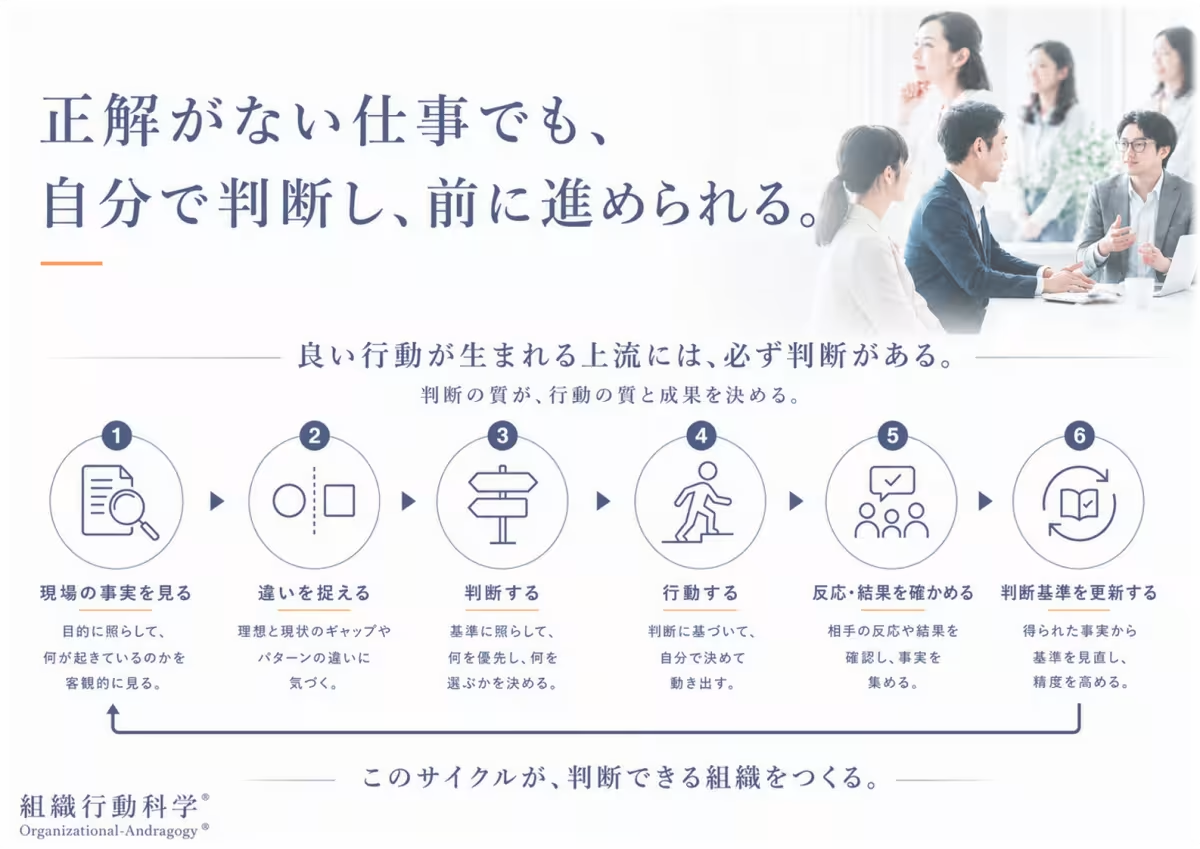
The guide identifies four fundamental components that encapsulate the human element in the workplace: purpose, factual analysis, dialogue, and results. By recontextualizing these aspects within actual job functions, it becomes clear that each component serves a distinct role in guiding both individual and organizational actions.
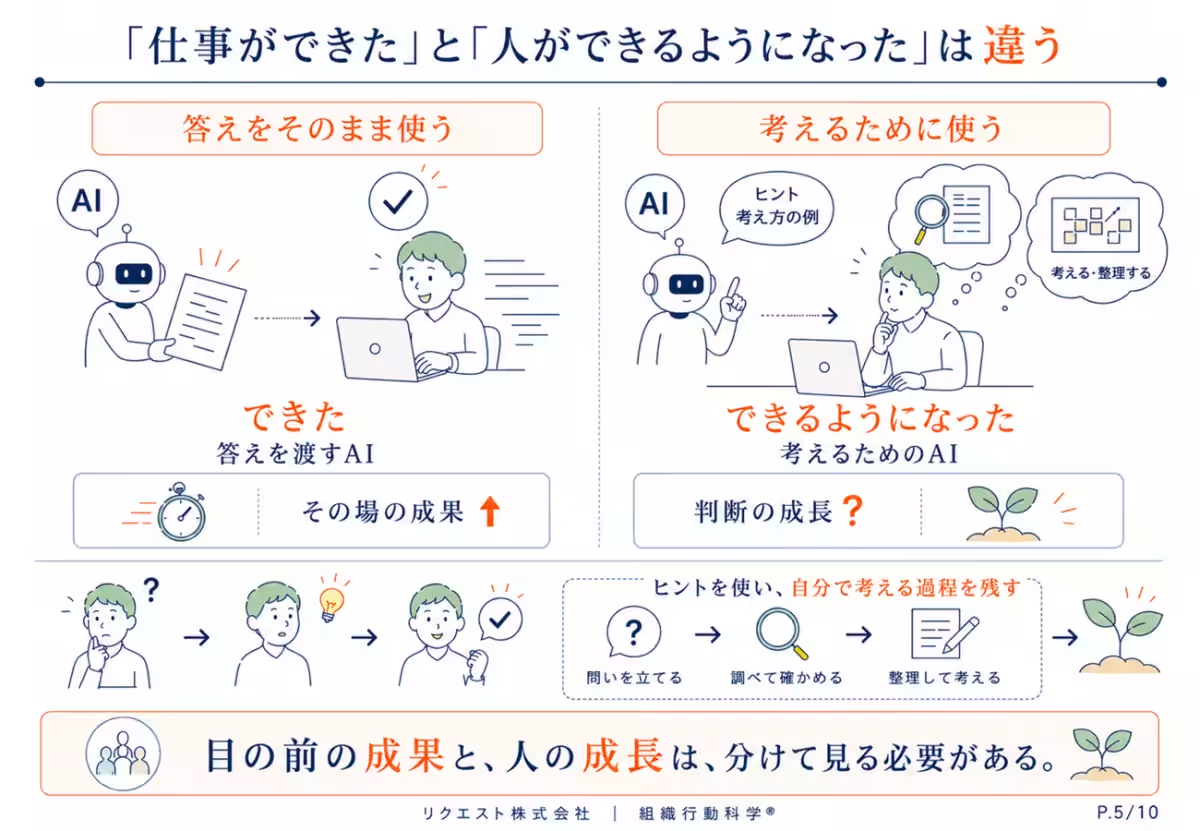
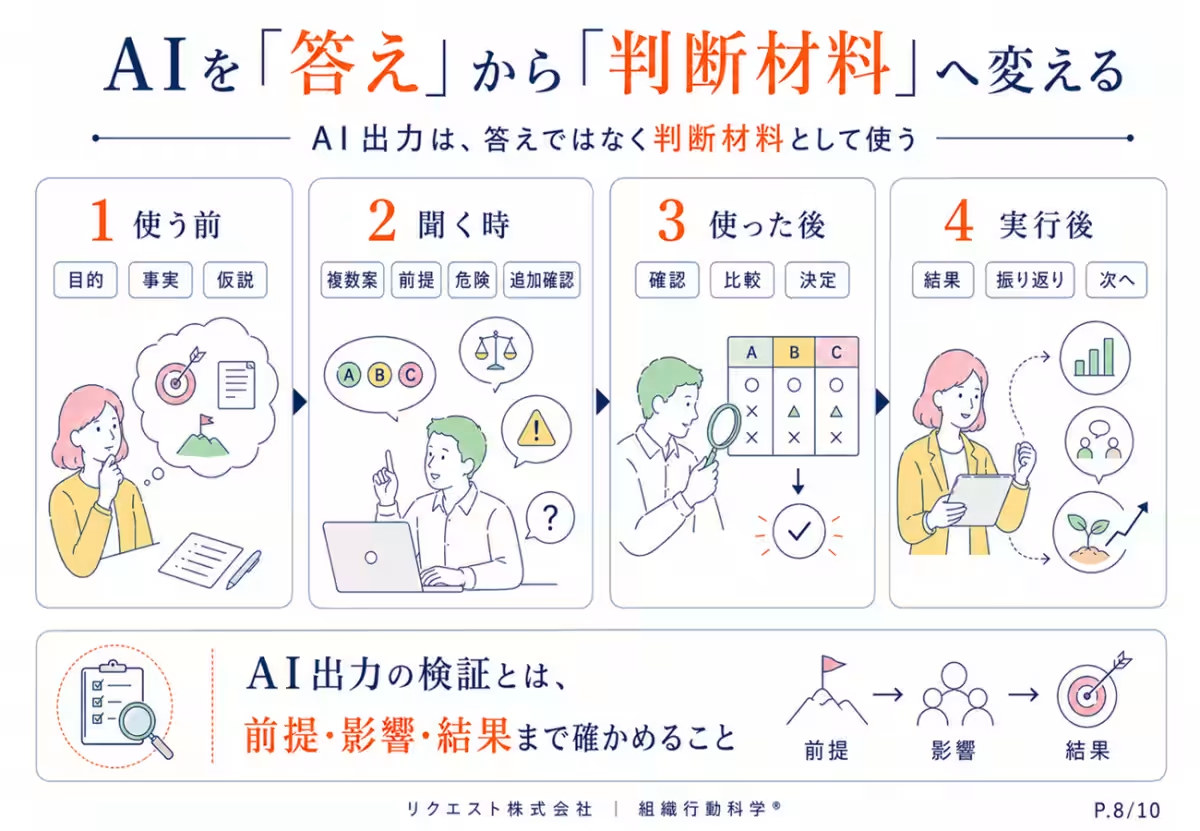
The document also suggests that the outputs from AI should be perceived not just as final answers but rather as resources for informed decision-making. It outlines how leaders can structure tasks in a way that allows team members to learn through making choices based on factual observations, thus cultivating a culture of responsible decision-making.
Practical Implementation in the Workplace
This publication serves as an introductory framework for understanding what roles humans and organizations need to adopt in the AI era. It prompts organizations to consider practical implementations through questions like:
- - From which tasks should we start?
- - To what extent should decisions be delegated to individuals?
- - What elements should be validated as facts?
- - Under what conditions should consultations, approvals, or halts occur?
- - How can we connect decision-making experiences to subsequent tasks?
For those interested in exploring how to integrate these concepts into actual work practices, additional resources can be found in related releases:
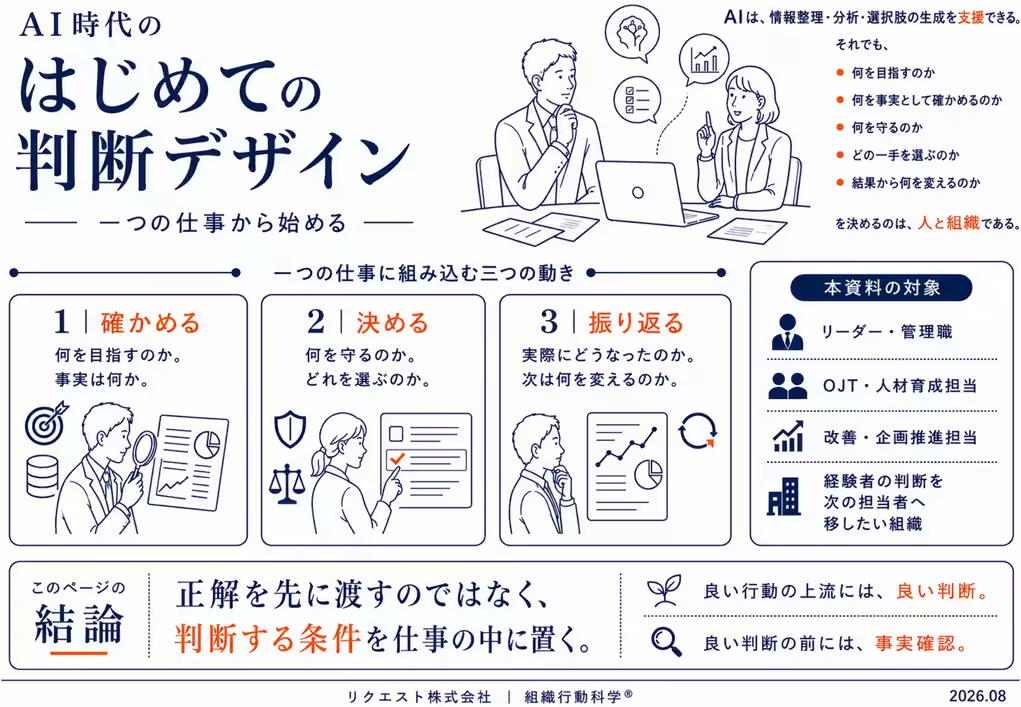
The accompanying resources detail approaches to embedding decision-making experience into tasks, starting small with decision design, enabling individuals to select from factual observations, and reflection post-implementation.
About Organizational Behavior Science®
Organizational Behavior Science® aims to unravel the underlying reasons behind employee thoughts and actions within a business context. Request Corporation, with data derived from 980 companies and a workforce reaching 338,000, specializes in researching and developing education related to adult professionals in organizational settings.
Company Overview
- - Company Name: Request Corporation
- - CEO: Tomoyasu Kohata
- - Location: 4F, Keio Flente Shinjuku, 3-4-8 Shinjuku, Tokyo, 160-0022, Japan
- - Business Summary: Request Corporation focuses on research and educational development based on organizational behavior science, leveraging data from a vast workforce to improve employee experiences and enhance organizational effectiveness.
For further details, please visit:

Topics Business Technology)
【About Using Articles】
You can freely use the title and article content by linking to the page where the article is posted.
※ Images cannot be used.
【About Links】
Links are free to use.