



Awareness of Savings Habits During Inflation: The Ongoing Predicament of Deposits
Awareness of Savings Habits During Inflation: The Ongoing Predicament of Deposits
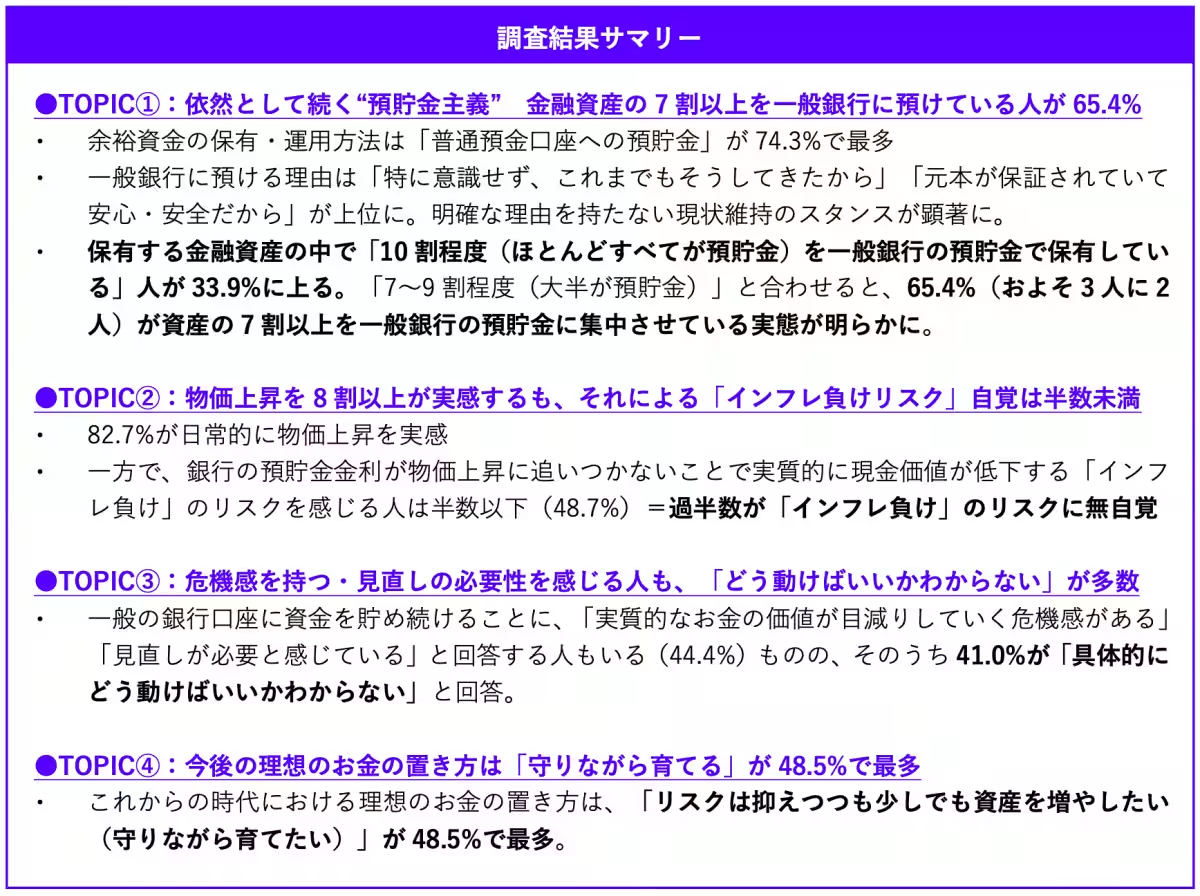
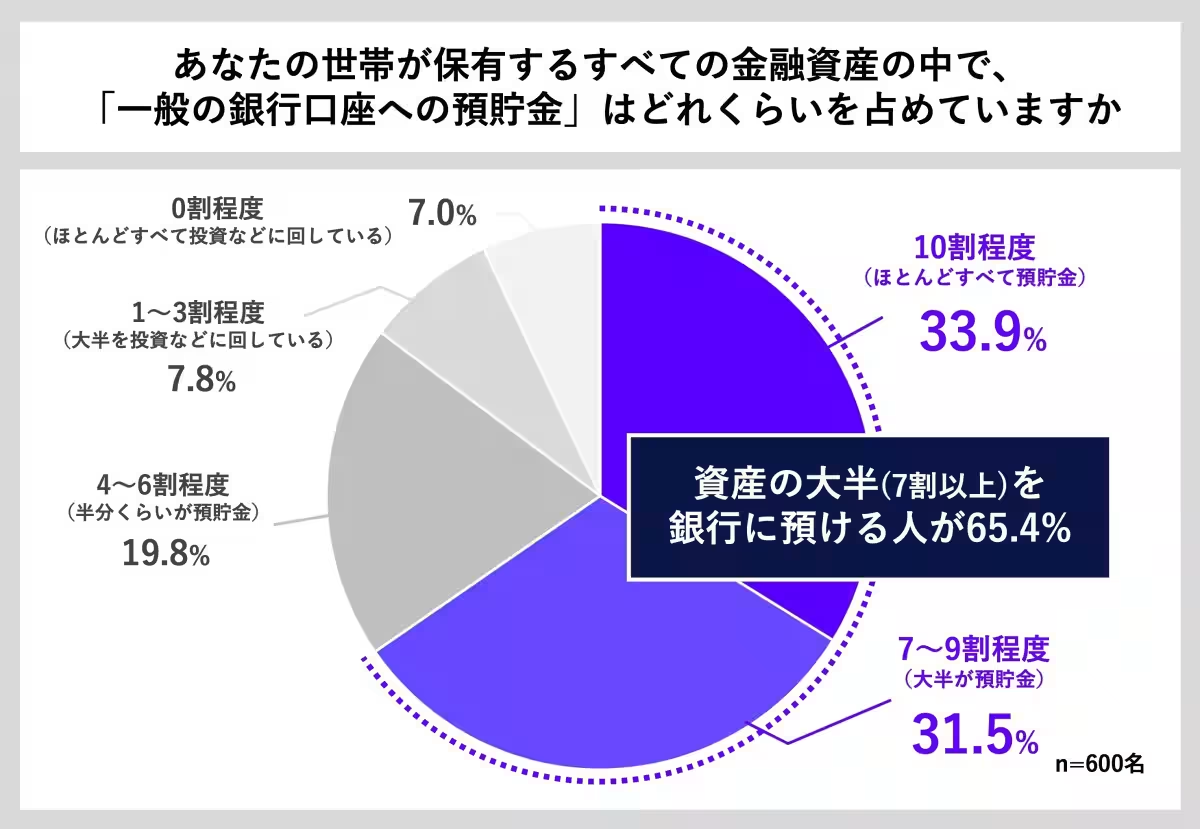
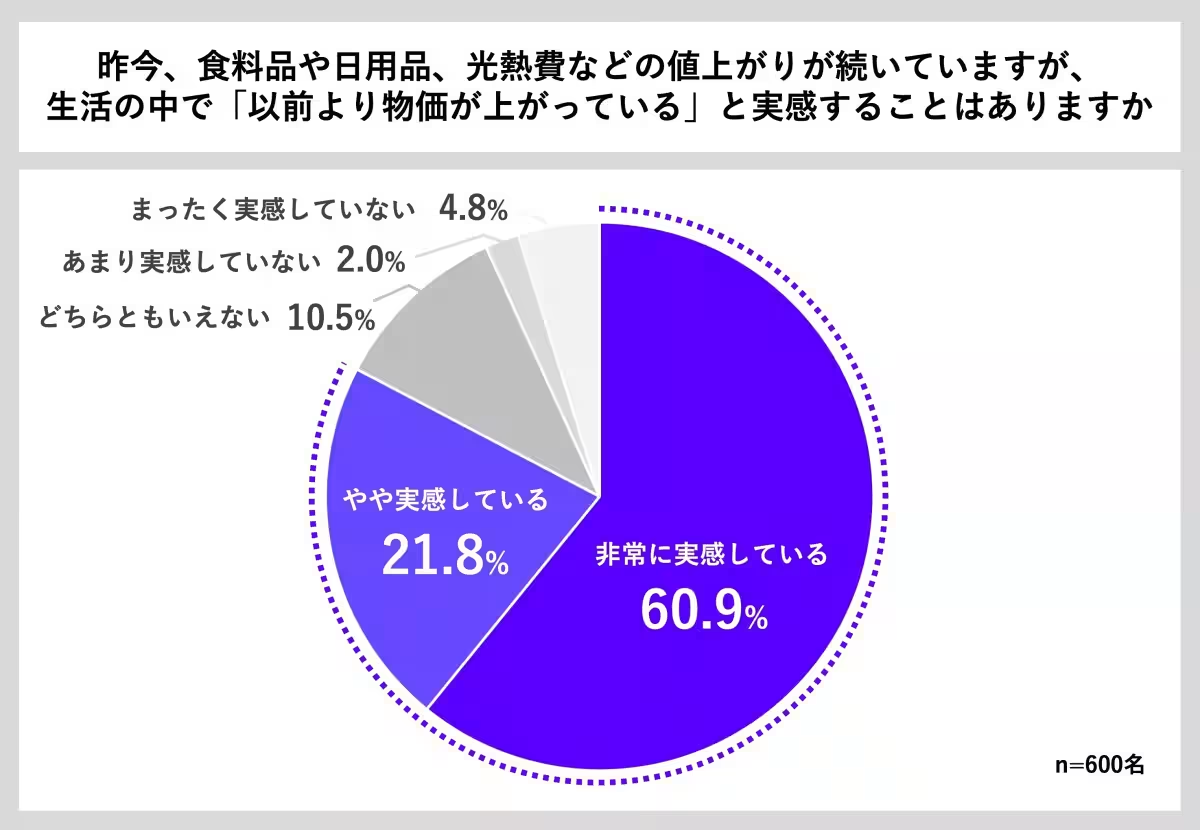
In a recent study conducted by Habitto, a Tokyo-based financial firm, findings showed alarming trends in the savings behaviors of individuals in their 20s to 50s in the face of persistent inflation. Despite an overwhelming 82.7% of respondents acknowledging that prices have increased, a staggering 65.4% continue to keep over 70% of their assets in traditional bank deposits. This reliance on savings accounts has introduced significant risks associated with inflation, as the nominal interest rates offered by banks hover around merely 0.4%.
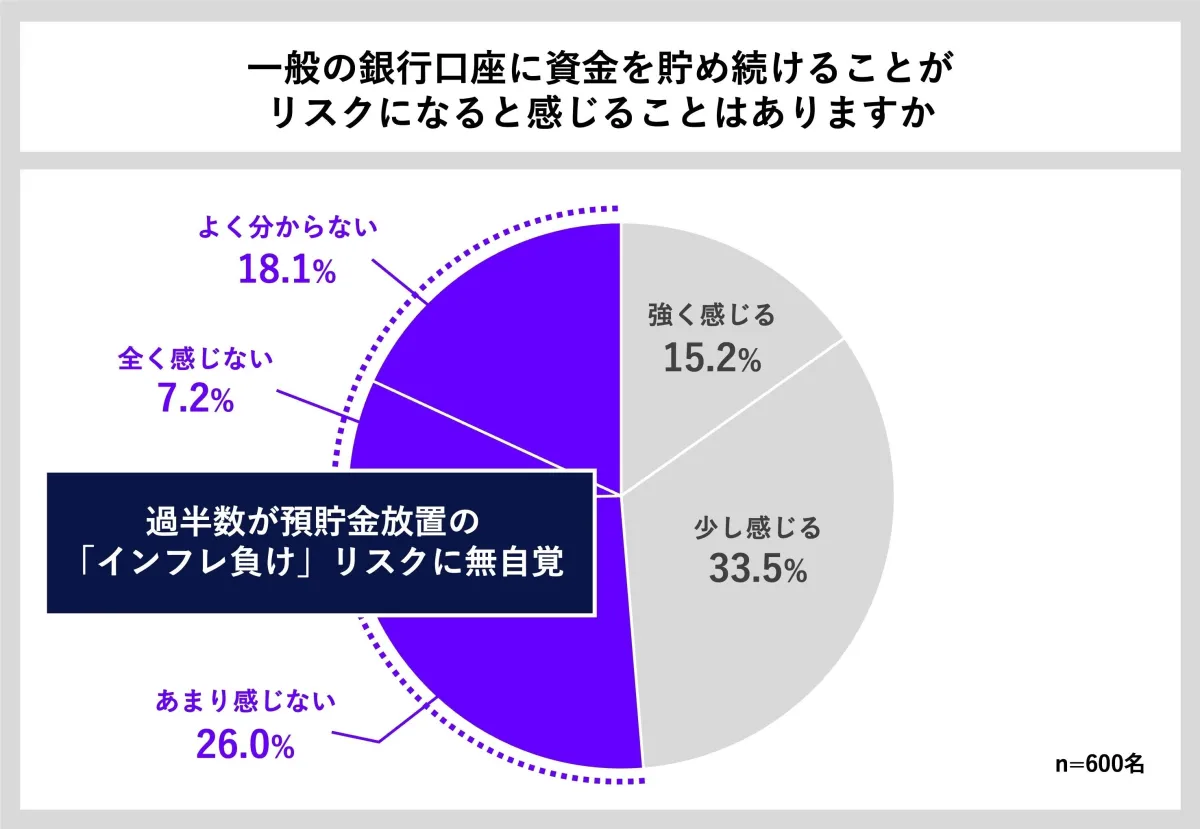
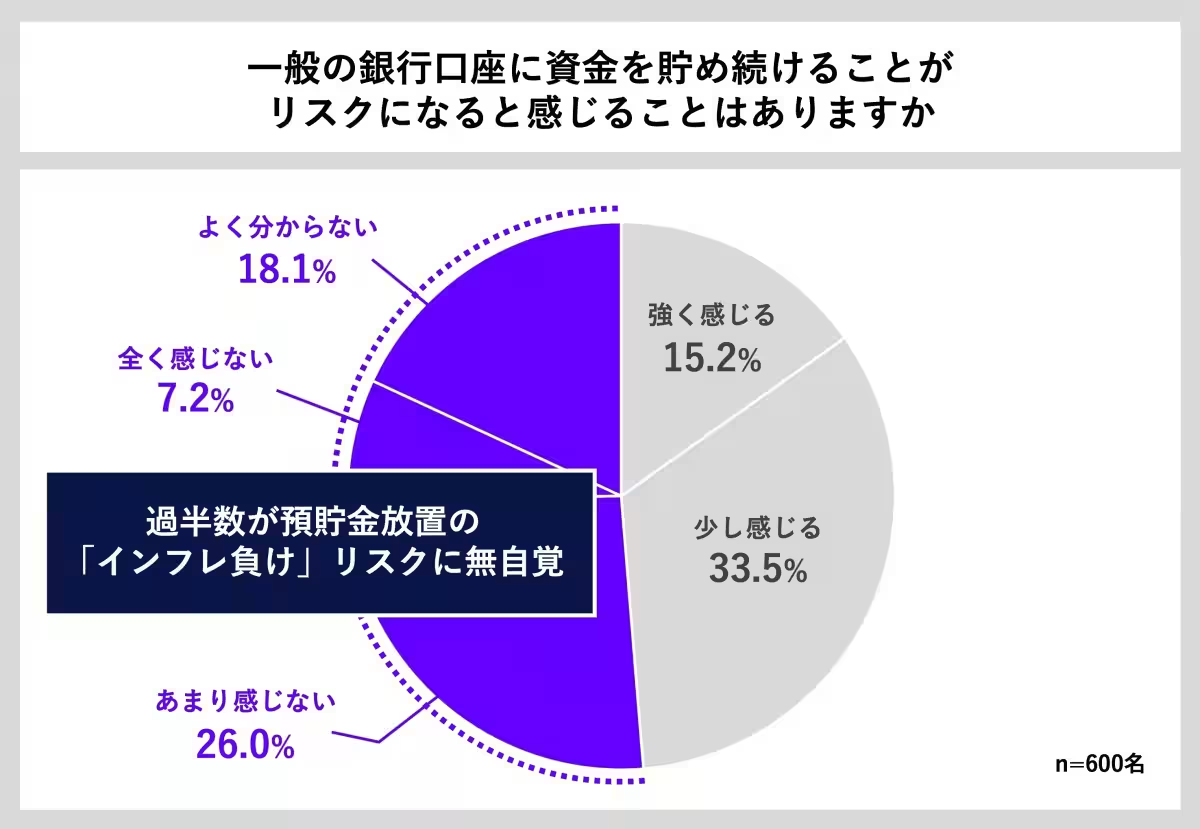
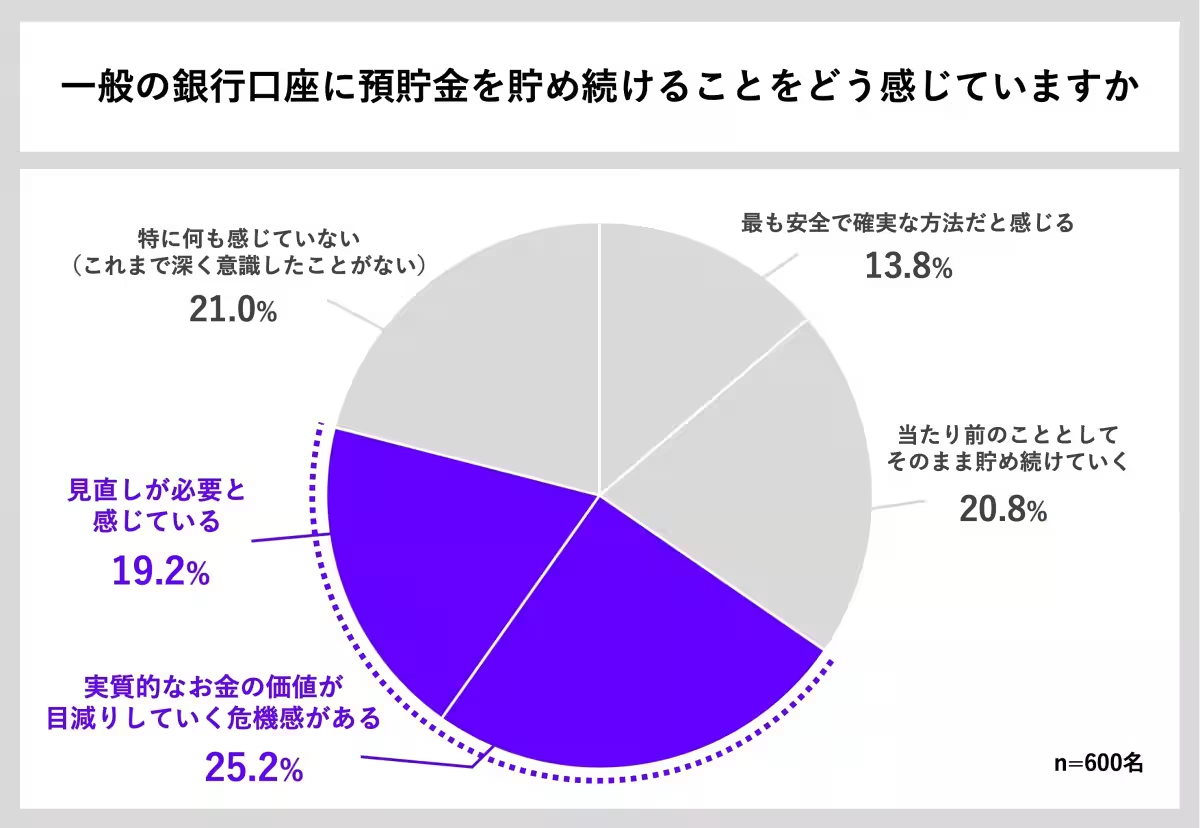
The study surveyed 600 participants and shed light on a concerning 'deposit mentality' prevalent among the populace, where many individuals remain oblivious to the 'inflation defeat' risk attached to leaving their money idle in low-yielding accounts. Notably, less than half of the respondents (48.7%) recognized the potential danger of continuing to save in typical banks, illustrating a widespread lack of awareness regarding the diminishing real value of their savings.
The Prevalence of the 'Deposit Mentality'
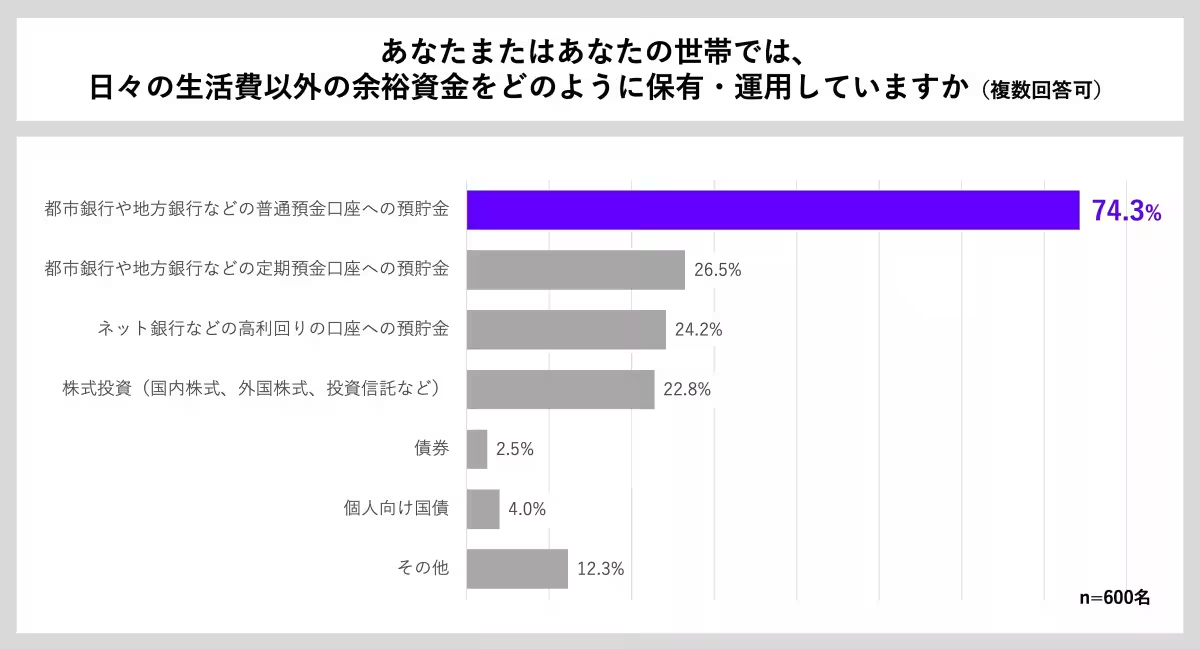
The survey highlighted that 74.3% of individuals prefer to save in regular accounts at major urban and local banks. In stark contrast, only 24.2% are exploring options like online banks with higher interest rates, and even fewer—22.8%—are venturing into stock market investments. This trend points to a significant percentage of the population falling short of actively managing their financial portfolios.
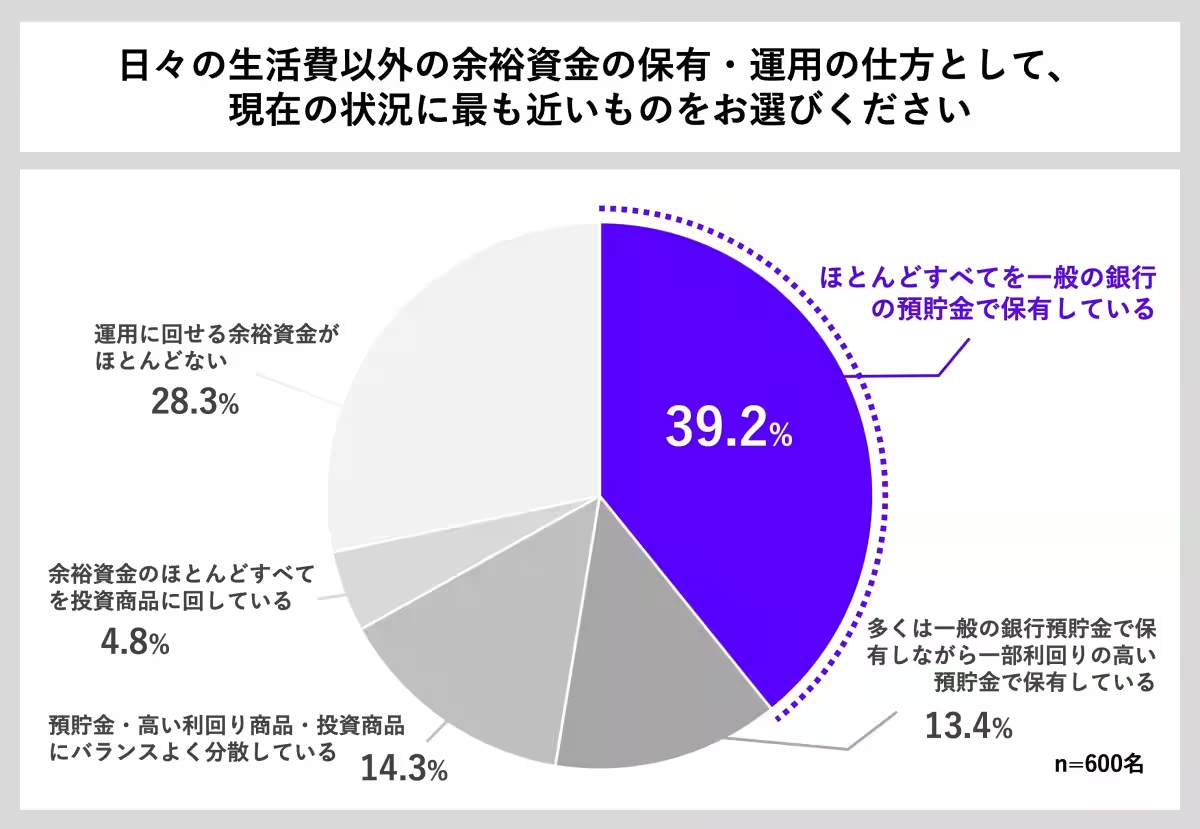
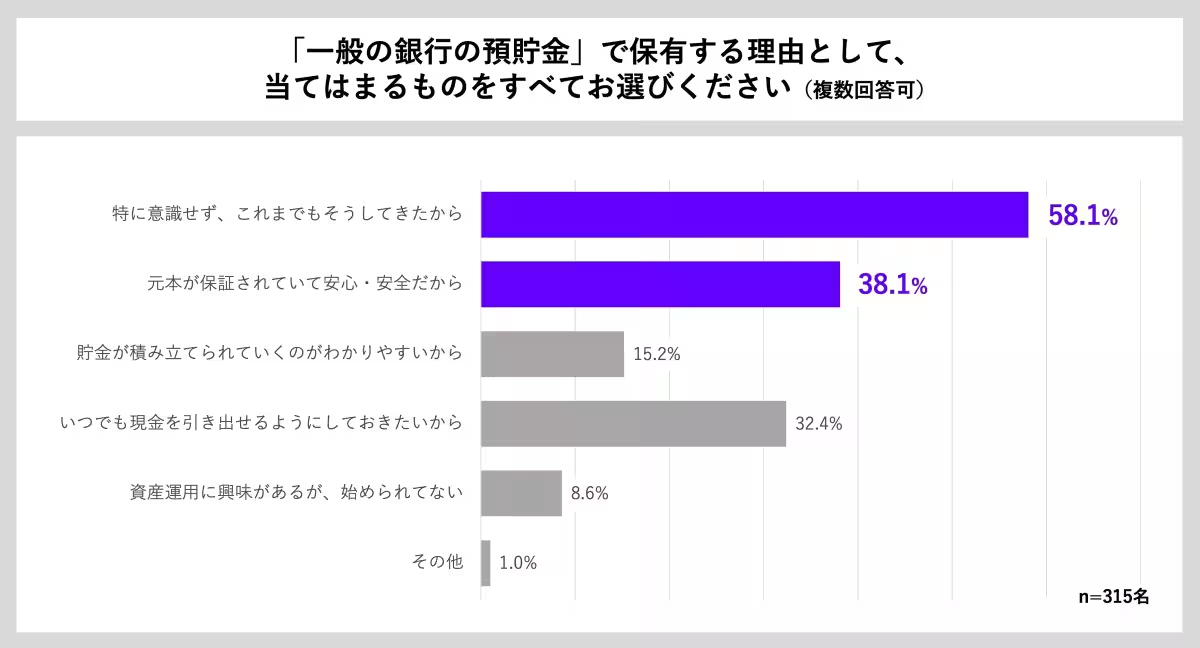
Furthermore, about 40% of respondents acknowledged keeping nearly all their assets within traditional banking frameworks, signifying the persistence of a 'deposit-first' mindset. When probed for their reasoning, 58.1% admitted they continued this practice out of habit, with 38.1% feeling reassured by the perceived security of their principal investment.
Recognizing Inflation and the Risks Incurred
Despite the prevalent acknowledgment of rising living costs, the survey results indicate a troubling disconnection between awareness of inflation and acknowledgment of its implications on savings. Many individuals recognize their savings may not be growing, yet still regard traditional bank deposits as the safest route, failing to consider the erosion of purchasing power due to inflation.
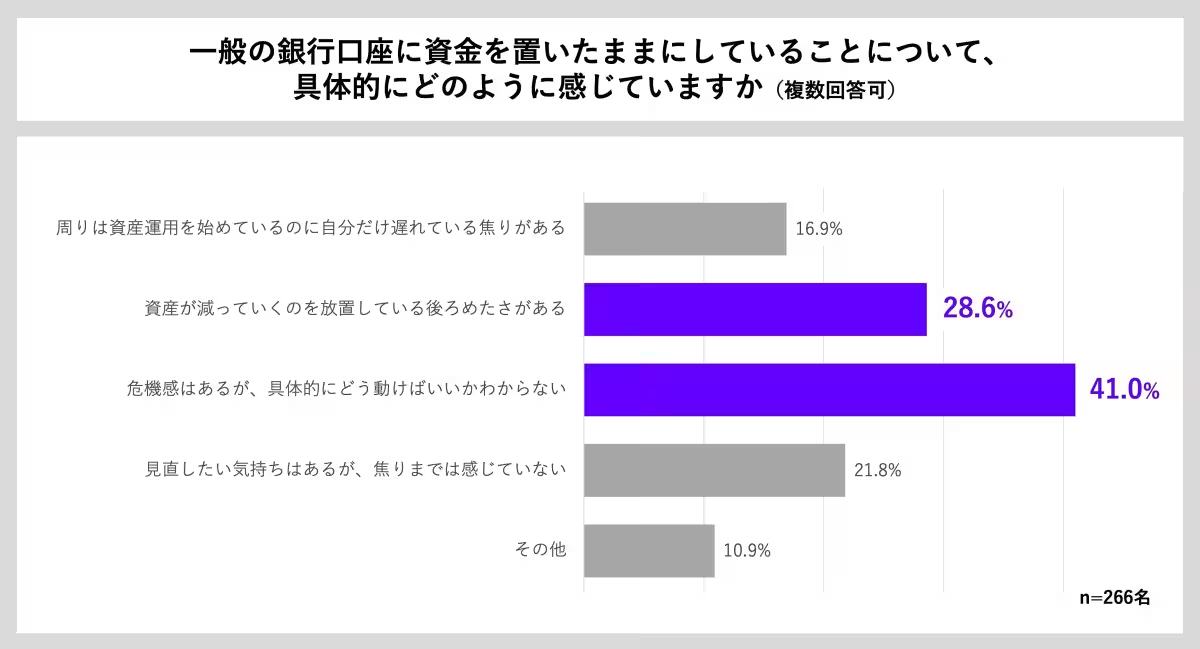
Of the participants, 44.4% expressed some concern about the need to reconsider their savings strategies. Many reported feeling a crisis looming due to inflation, yet were unsure of how to navigate their financial choices effectively. The fraction of respondents expressing this uncertainty highlights a significant barrier to change: 41.0% articulated that while they sensed a need for action, they lacked clarity on how to proceed.
The Ideal Savings Method amid Inflation
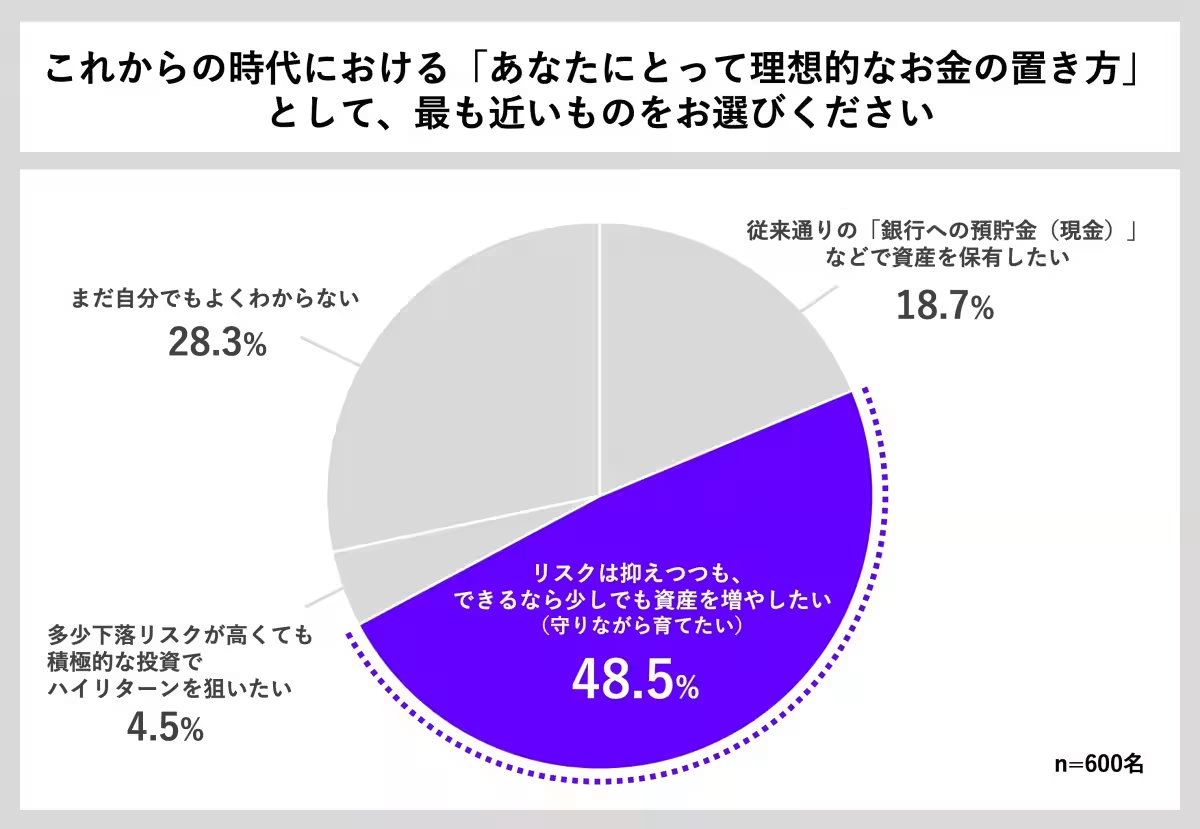
Interestingly, nearly half (48.5%) of respondents advocated for an approach blending protection and growth—maintaining a balance between securing their principal while seeking moderate returns. This reflects a latent demand for innovative savings strategies that tackle the dual challenges of safeguarding funds and fostering gradual growth.
The Role of Habitto in Promoting Financial Literacy
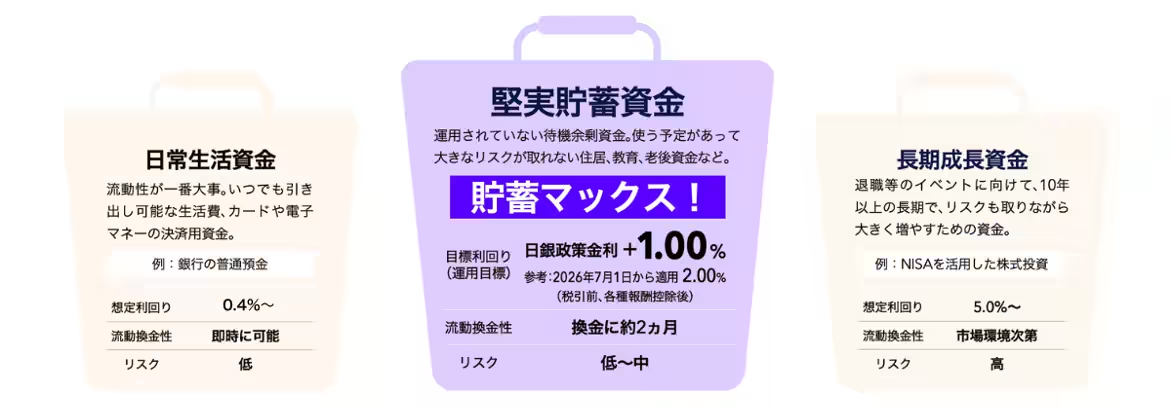
As the figures reveal a yearning for guidance, Habitto aims to provide alternative financial solutions tailored to reflect current economic realities. The company is set to launch an initiative titled 'Savings Max!'—a product designed to embody the concept of a 'third type of saving.' This innovative financial product seeks to meet the needs of individuals desiring to preserve their funds while simultaneously enhancing their value without incurring significant risks.
As the financial landscape continues to evolve, it becomes paramount for individuals to develop a comprehensive understanding of their financial choices. The opportunities to diversify and embrace new ways of managing money exist, but awareness and education will be crucial in mitigating the risks associated with stagnant savings in an inflationary environment.
In conclusion, as the fear of inflation persists, and traditional banking practices may no longer suffice, the recommendations from financial advisors become more relevant than ever. Individuals must explore options that provide both safety and growth, as adhering to outdated saving methods could hinder financial progress in an increasingly complex economic climate.


Topics Financial Services & Investing)

【About Using Articles】
You can freely use the title and article content by linking to the page where the article is posted.
※ Images cannot be used.
【About Links】
Links are free to use.