



Collaboration Between Aeon Topvalu, Myojo, and JPR Enhances Logistics Sustainability
Enhancing Logistics Efficiency Through Innovative Pallet Rental System
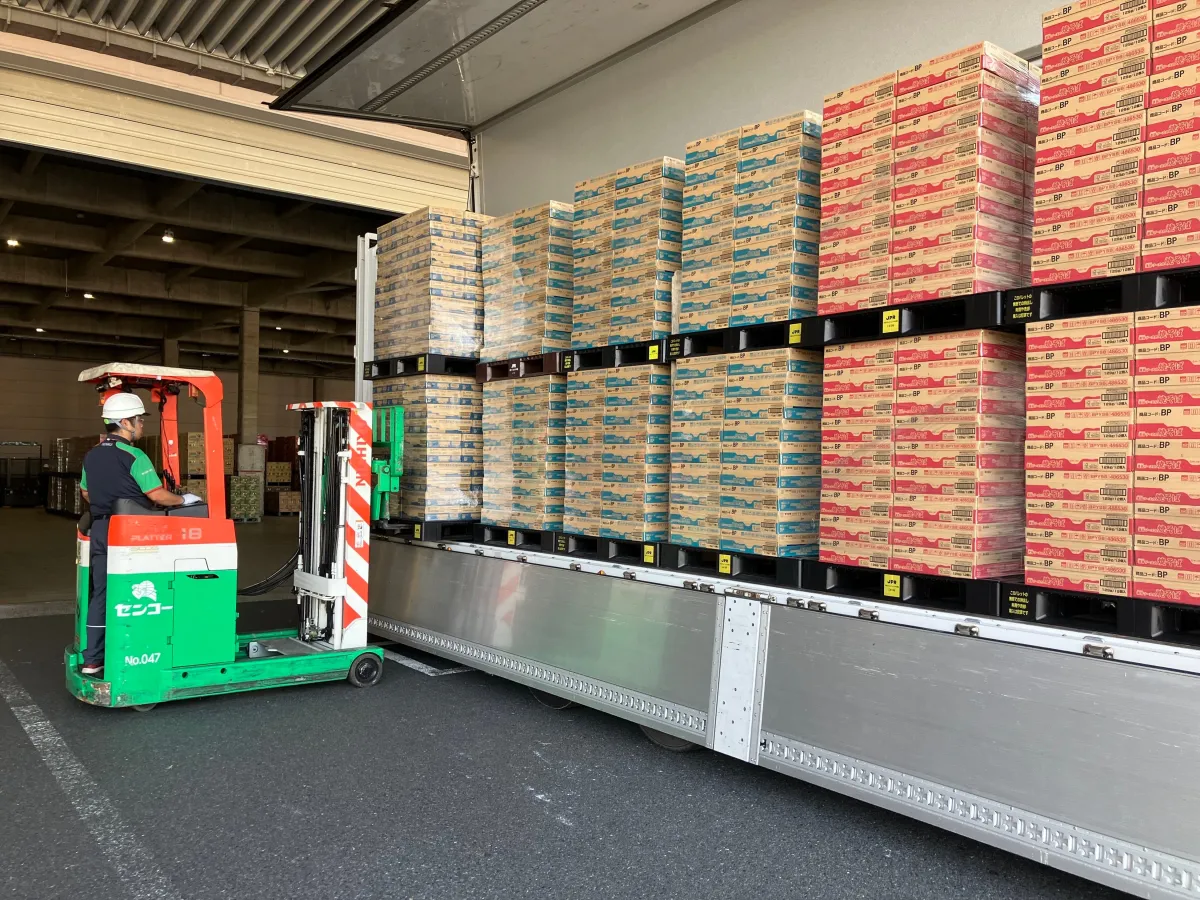
In a transformative effort to improve sustainability in logistics, Aeon Topvalu Inc., Myojo Foods Co., and Japan Pallet Rental Co., Ltd. (JPR) have implemented a cutting-edge rental pallet system for transporting instant noodles produced under Aeon’s private brand. This initiative aims to not only streamline unloading processes but also address significant issues faced by the freight industry, such as the shortage of truck drivers.
Overview of the Initiative
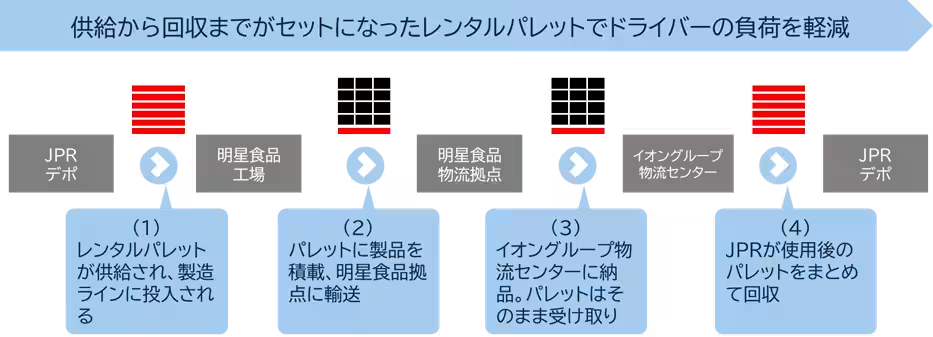
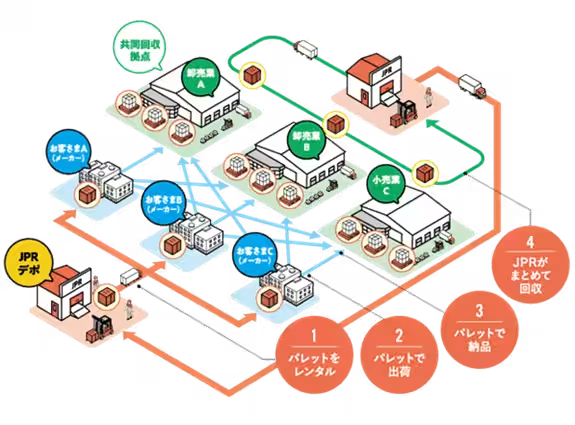
The pallet rental system was launched in May 2025, marking a significant shift in how instant noodle products are handled in logistics. The process entails the following steps:
1. Pallet Supply: JPR supplies the rental pallets directly to Myojo Foods.
2. Transportation and Storage: Instant noodles are loaded onto the rental pallets before being transported and stored at Myojo's facilities.
3. Delivery to Logistics Center: The pallets, carrying the products, are then delivered to the Aeon Group's logistics center.
4. Return and Reuse: After use, the rental pallets are handed back to JPR for collection, allowing for efficient reuse among different manufacturers.
Significant Benefits from Rental Pallets
Since implementing the rental pallet system, JPR and its partners have observed several key benefits over a three-month testing period:
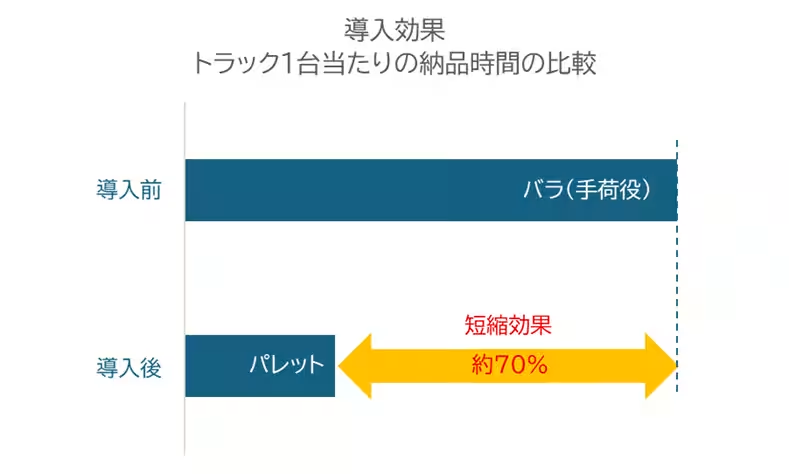
- - Dramatic Reduction in Unloading Time: The unloading time per truck has decreased by approximately 70%. This substantial reduction enhances the efficiency of product transportation, aligning with sustainability goals.
- - Lower Operational Burden: Utilizing rental pallets has minimized the complexities associated with pallet management and retrieval compared to operating with proprietary pallets.
- - Streamlined Warehouse Operations: The integration of rental pallets also improves the overall efficiency of incoming goods processes at logistics centers, significantly reducing wait times for delivery trucks.
The Essential Need for Change
The logistics sector in Japan faces a daunting challenge, particularly with the acute shortage of truck drivers, a phenomenon referred to as the “Logistics 2024 Problem.” The government has actively promoted measures to streamline loading and unloading times and reduce waiting periods through the revised Logistics Efficiency Act. Furthermore, the shift toward rental pallets is being encouraged as a strategy to ensure compliance and stability in transportation logistics.
Historically, the instant noodle sector relied predominantly on loose transportation methods due to the lightweight nature of the products. However, Myojo Foods recognized the escalating driver shortages and began exploring palletized transport alternatives. Previously, they attempted their own pallet transport, but faced operational challenges in management and retrieval.
JPR’s Pallet Rental Service Advantages
JPR's pallet rental service epitomizes a socially responsible system that optimizes the sharing of standardized pallets across various companies:
- - Stable Supply Chain: JPR has reported a 5.8% increase in the supply of rental pallets, amounting to a record-breaking 53.09 million units in 2024, supported by an extensive network of pallet depots and transportation channels.
- - Collaborative Recovery Network: With over 3,000 locations for the collective retrieval of empty pallets, JPR’s network encompasses a variety of industries and is expanding into new sectors, enhancing efficiency and sustainability further.
In summary, the collaboration between Aeon Topvalu, Myojo Foods, and JPR serves as an exemplary model in the logistics industry, showcasing how innovative solutions can vastly improve operational efficiency, reduce environmental impact, and address pressing challenges such as the driver shortage crisis. Such partnerships not only benefit the companies involved but also contribute significantly to the sustainability of the broader logistics ecosystem.
Topics Consumer Products & Retail)
【About Using Articles】
You can freely use the title and article content by linking to the page where the article is posted.
※ Images cannot be used.
【About Links】
Links are free to use.