



In-Depth Analysis of Consulting Industry Hiring Trends for Early 2025
An In-Depth Look at Consulting Industry Hiring Trends for Early 2025
As we approach the first half of 2025, the consulting industry is experiencing notable changes in hiring patterns. Kotora, a leading firm based in Minato, Tokyo, specializes in supporting professional talent acquisition and has conducted extensive research to uncover the projected job market trends for this sector.
Growing Job Opportunities in Consulting
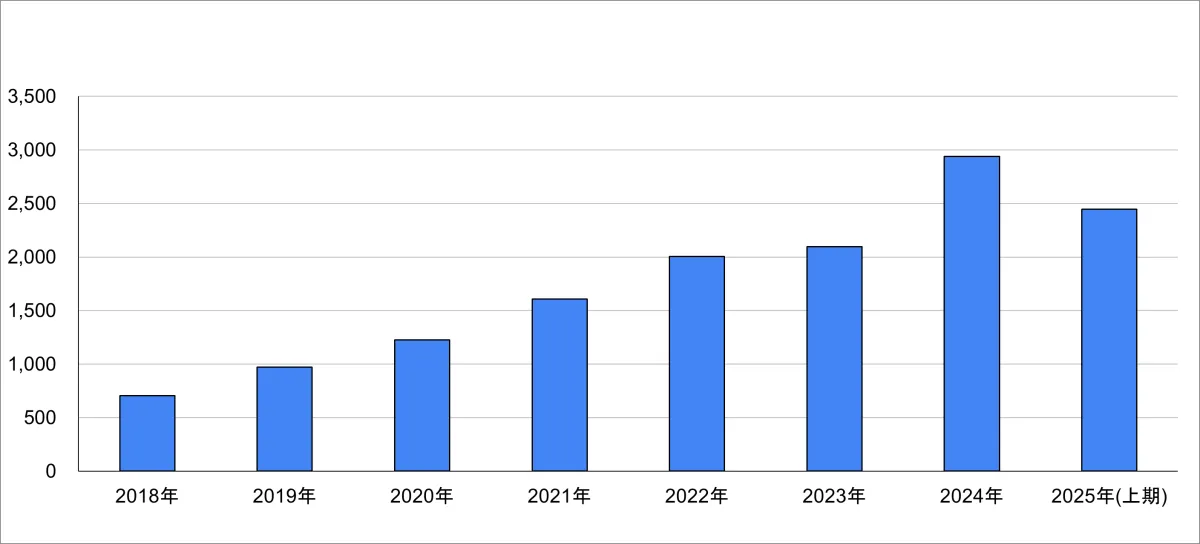
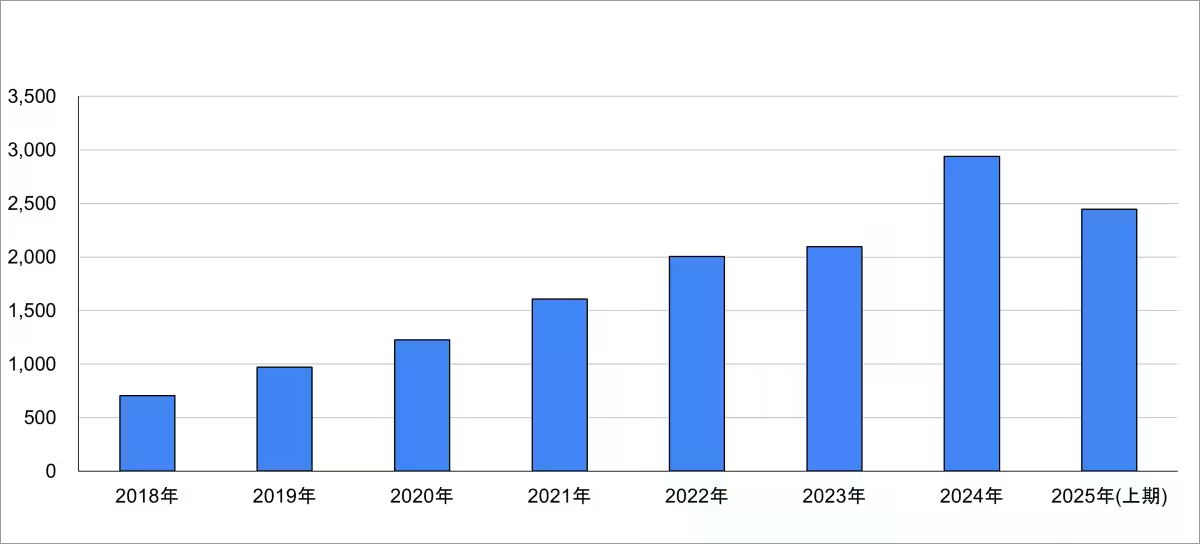
Following the trends observed in 2024, the job market for consultancy services is poised for significant expansion. There is an increasing demand for talent across various sectors, from large integrated consulting firms to boutique agencies. A notable emphasis has been placed on roles within the IT and digital domains, highlighting the industry's evolution towards modern needs.
In fact, job openings for consulting roles showed an overall increase as of August 31, 2025. Not only are traditional consulting firms ramping up their recruitment efforts, but boutique consulting firms are also seeing a rise in job vacancies, indicating a healthy, competitive hiring landscape.
IT, Digital, and Risk as Key Growth Areas
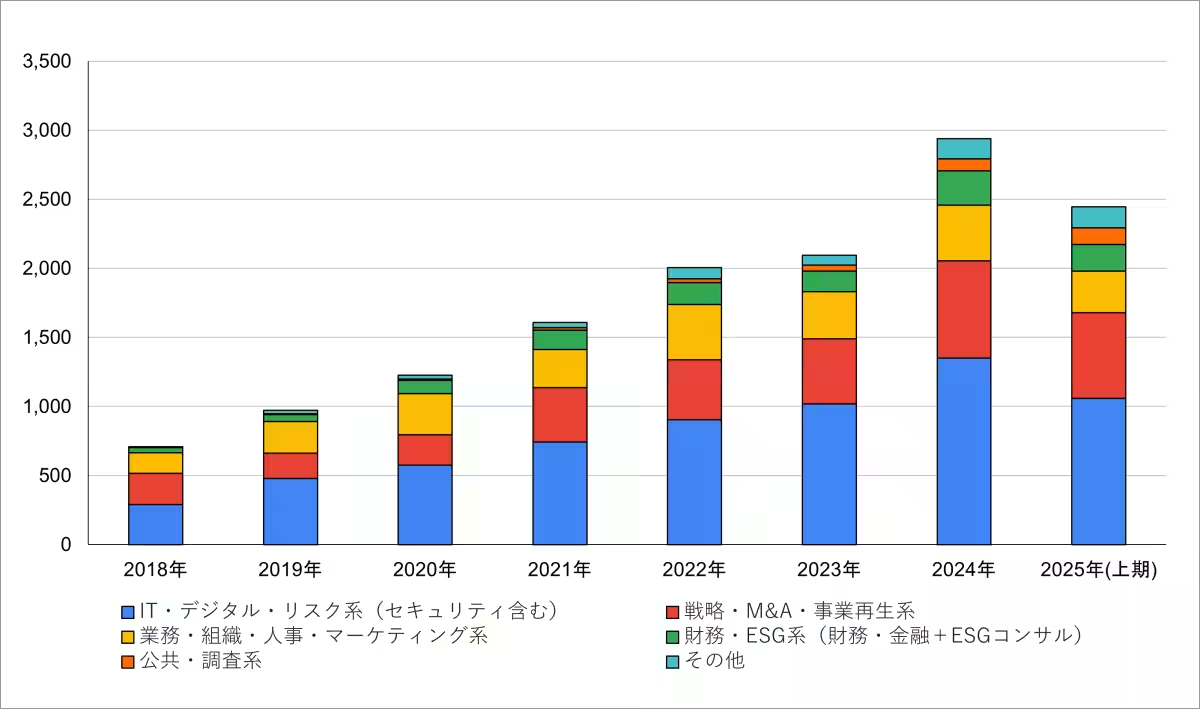
A detailed breakdown of job openings reveals that the 'IT, Digital, and Risk' sectors, including cybersecurity roles, dominate the demand for talent. The drive towards digital transformation (DX) and the integration of artificial intelligence (AI) in business processes are key factors influencing this trend. The declining workforce due to demographic changes necessitates a focus on productivity and operational efficiency, hence the urgency of skilled workers in these areas.
Furthermore, the 'Finance and ESG' fields are gaining traction among consulting firms, propelled by increased interest from activist investors targeting Japanese corporations. Companies are recognizing the importance of effective capital utilization and are more frequently consulting with firms for financial and ESG strategies. The rise in the use of IT solutions to improve financial analyses also contributes to job growth in this area, showcasing the synergy between technology and finance.
The Expanding Business Landscape and Its Impact on Hiring
Other pivotal sectors such as 'Strategy, M&A, and Business Revitalization,' along with 'Operations, Organization, HR, and Marketing,' are also witnessing growth in job opportunities. This is primarily due to the expanding realms within consulting firms, which have traditionally focused on limited areas but are now broadening their services to encompass various strategies including IT and operational advancements.
The increasing emphasis on digital solutions to enhance business efficacy further fuels the demand for consultancy expertise. As human capital management gains recognition, organizations seek methods for improving employee engagement. Consulting firms are increasingly called upon to assist in these strategic developments.
Differentiated Recruitment Needs Based on Experience
The demand for experienced consultants remains robust across all age groups, with many firms open to hiring professionals in the 40-50 age range. However, for senior positions, there is a preference for candidates with extensive project management and business development experience.
On the other hand, the recruitment of inexperienced candidates generally aims at those in their mid-20s to mid-30s, though interest in hiring managers and above has risen recently. Remarkably, there have also been instances where individuals in their early 50s have commenced a consultancy career without prior experience, accentuating the industry's diverse opportunities.
One driving factor behind the increasing demand for inexperienced talent lies in the need for consulting firms to brandish a wealth of specialized knowledge. Professionals with long-standing careers in specific industries bring valuable insights into commercial practices and client challenges, making them pivotal in project initiation and execution. Their extensive real-world experience is crucial for mentoring young consultants, providing another layer of appeal for firms looking to nurture future leaders.
External Influences Driving Hiring Demand
Several external dynamics underpin the elevated demand for consultancy roles. Firstly, the shrinking population has led to a critical shortage of skilled labor. Consequently, organizations, even those at the top tier, find it increasingly challenging to rely solely on in-house capabilities. As a result, many turn to external consulting firms for expertise.
Additionally, the acceleration of digital transformation and automation contributes to this demand. Companies recognizing the need for structural and systematic changes require highly knowledgeable professionals to facilitate these transitions, particularly in IT and AI sectors.
The need for compliance with evolving regulations also plays a significant role in this hiring surge. As firms confront new accounting standards and legislative changes, consulting partners emerge as valuable allies for navigating these complexities, driving firms to outsource their analysis and recommendations.
The recent uptick in M&A activities represents another catalyst. As businesses adapt to changing industrial landscapes, the complexities of mergers and acquisitions highlight the necessity of professional guidance. With many firms considering M&A integral to their growth strategies, the prominence of consultancy services in this sphere is expected to prevail, adding to the need for specialized talent.
Internal Factors: Evolving Strategies Within Consulting Firms
Within the consulting realm, business strategy plays a critical role in the hiring landscape. Historically, firms have focused on niche areas of expertise, but a noticeable trend towards expanding boundaries is evident. Firms traditionally concentrated on strategy consulting are increasingly engaging in execution support, thereby widening their scope of operations to cover a complete set of services from upstream to downstream.
Additionally, inter-industry movements are becoming more common. IT service providers are entering consulting domains, while consulting firms are adopting features typical of IT firms. This cross-industry engagement is inherently aligned with firm growth strategies, thereby necessitating a broader talent pool equipped to face diverse challenges.
As the consulting space expands, the demand for innovative and diverse talent backgrounds is anticipated to rise. Complex challenges require solutions from professionals with a variety of experiences and expertise, and the educational landscape must continuously evolve to support this growth.
Evolving Expectations Based on Career Stage
As hiring demands adapt, consulting firms increasingly recognize that candidate profiles can vary significantly depending on their career levels. While not universally required, key experiences and skills often influence hiring decisions.
For junior candidates, possessing insights into the planning departments of clients can provide a notable advantage, as many consulting clients hail from these functions. Even if not specifically situated within these departments, having interactions or a solid understanding of their operations can help candidates gain an edge when being evaluated.
Furthermore, qualitative skills such as proactivity and metacognition are often crucial. The ability to actively seek out challenges and propose solutions, even amidst barriers within organizational structures, can set candidates apart. Simultaneously, metacognitive skills enable candidates to accurately assess their own positions and navigate realistic career steps, emphasizing the importance of aligning previous experiences with the consulting role.
For higher-level positions, a requirement for advanced specialization becomes evident. Candidates are assessed not only on their fundamental knowledge but also on their familiarity with cutting edge topics within industries. For instance, expertise in renewable energy or mobility within the automotive sector plays a vital role in determining candidacy.
Anticipating Continued Strong Hiring Demand
The dynamics driving hiring needs within the consulting industry suggest a sustained appetite for talent. Underpinning this trend are external pressures like population decline, workforce shortages, and the uptick in automation. Organizations are poised to continue leveraging consulting firms as they navigate these labyrinthine challenges.
Nevertheless, the specifics of roles and candidate expectations will continue to evolve. Junior consultants' traditional tasks such as creating proposals and researching industry trends may soon be supplanted by AI solutions, shifting firms' focus toward higher-order functions such as identifying challenges, proposing innovative solutions, and determining strategic directions.
As consultants increasingly enhance their impact by facilitating strategic insights and collaboration with clients, the demand for individuals capable of operating at this elevated level will undoubtedly intensify.
Shaping One's Career in Consulting
The pursuit of consulting positions remains appealing, especially for those venturing into the industry without prior experience. The transition to a job-based employment model emphasizes the necessity for individuals to actively shape their career paths, leading many to seek the insights and exposure offered by consultancy firms.
As careers progress, individual trajectories may diverge based on personal aspirations. For instance, some may transition to corporate roles, driven by a desire to engage in direct business management. Conversely, those continuing in consulting often exhibit a commitment to addressing client issues and remain engaged with forefront topics in their fields, aspiring to foster substantive changes. Reaching partner-level positions often requires unwavering determination to steer industry and client dynamics.
Ultimately, the emphasis lies not in comparing the value of divergent career paths but in recognizing their uniqueness. The crux of career development hinges upon continuous self-discovery, enabling individuals to understand what they truly want, thereby guiding their future career prospects.


Topics Business Technology)

【About Using Articles】
You can freely use the title and article content by linking to the page where the article is posted.
※ Images cannot be used.
【About Links】
Links are free to use.