



2025 Kanto Region Popular Furusato Tax Return Gifts Rankings Released
The company SatoFuru, headquartered in Chuo, Tokyo, has unveiled the popular gifts ranking for the 2025 first half of the Kanto region in their monthly newsletter. The results highlight a noteworthy trend toward practical daily necessities, with a significant emphasis on tissues due to rising living costs.
Top Gifts Ranking Summary
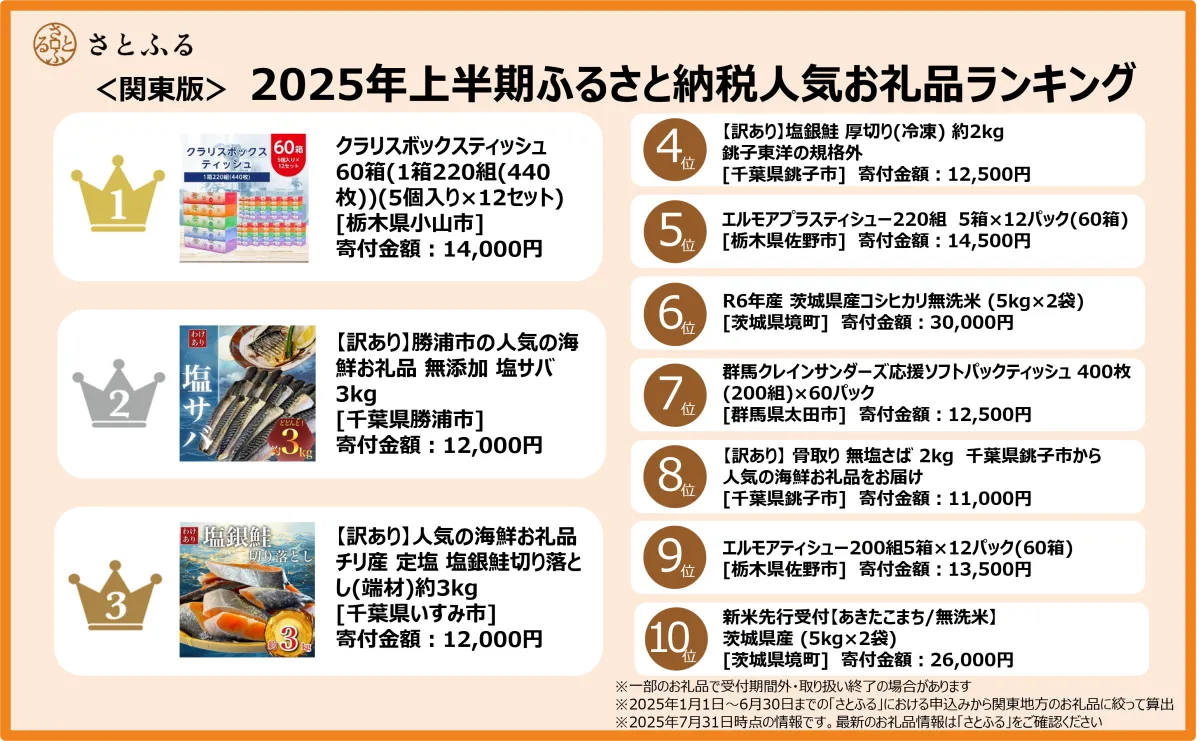
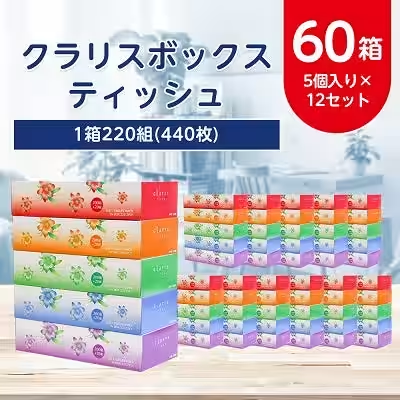
The ranking reveals that four out of the top ten gifts chosen by contributors are types of tissues. The 'Clarisse Box Tissue' secured the top position for the second consecutive year, accumulating a total of 60 boxes containing 440 sheets. Following closely, other practical items such as salmon and mackerel also remain highly favored among contributors, securing positions two through four respectively.
Here’s a quick overview of the top ten gifts according to the Kanto version:
1. Clarisse Box Tissue (14,000 yen) - Tochigi Prefecture, Oyama City
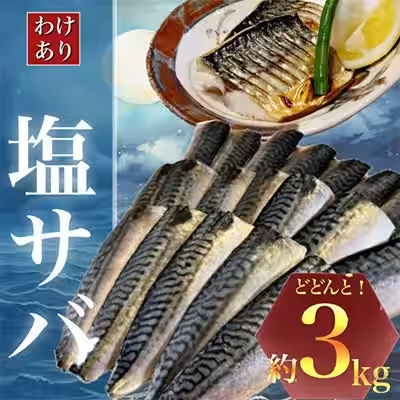
2. Salted Mackerel 3kg - Chiba Prefecture, Katsuura City (12,000 yen)
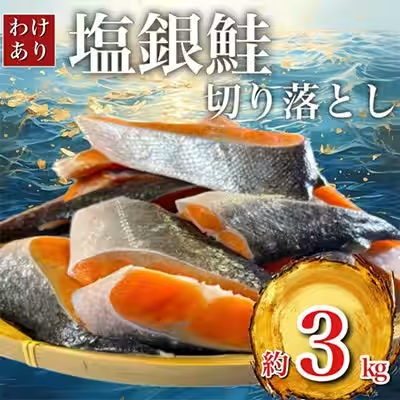
3. Chilean Salted Salmon Trimmings 3kg - Chiba Prefecture, Isumi City (12,000 yen)
4. Thick-Sliced Salted Salmon 2kg - Chiba Prefecture, Choshi City (12,500 yen)
5. Elmore Plus Tissue (14,500 yen) - Tochigi Prefecture, Sano City
6. Koshihikari Rice 10kg - Ibaraki Prefecture, Sakai Town (30,000 yen)
7. Gunma Crane Thunders Support Tissue - Gunma Prefecture, Ota City (12,500 yen)
8. Bone-Free Unsalted Mackerel 2kg - Chiba Prefecture, Choshi City (11,000 yen)
9. Elmore Tissue - Tochigi Prefecture, Sano City (13,500 yen)
10. Akita Komachi Rice (26,000 yen) - Ibaraki Prefecture, Sakai Town
This ranking indicates a significant shift in contributor preferences, reflecting the economic climate's influence on choices surrounding practical everyday items. With inflation impacting household expenses, contributors appear to favor gifts that will provide immediate utility.
Experience & Leisure Gifts
In a different ranking focused on experience and leisure gifts, 'Hachipay', a digital regional currency from Shibuya City, took the first spot. The convenience of using Hachipay for regular purchases made it very attractive, with two variations—one valued at 3,000 yen and another at 9,000 yen—evidently appealing to a wide audience. Furthermore, experience vouchers for hot springs in the Minakami region were ranked second and third, underscoring the demand for leisure and tourism experiences.
Here are notable mentions from the experience-related gifts:
1. Hachipay 3,000 yen - Tokyo (10,000 yen contribution)
2. Minakami Heart Ticket 3,000 yen - Gunma Prefecture (10,000 yen)
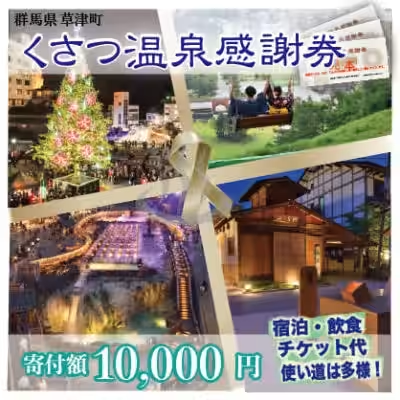
3. Kusatsu Onsen Gratitude Ticket 3,000 yen - Gunma Prefecture (10,000 yen)
4. LuckyFes'25 Day Ticket - Ibaraki Prefecture, Hitachinaka City (45,000 yen)
5. Hachipay 9,000 yen - Tokyo (30,000 yen)
The trend suggests people are increasingly looking for ways to blend both cost-effectiveness with enjoyable experiences, and this trend is expected to continue. SatoFuru not only facilitates contributions to regional initiatives but also highlights the community's needs throughout their platforms, providing an essential service for both contributors and local governments in Japan.
As we explore the implications of these gift rankings, the impact of rising costs on consumer choice becomes evident, showcasing a broader narrative of how economic conditions shape the landscape of gift-giving through furusato tax returns.
Top Gifts Ranking Summary
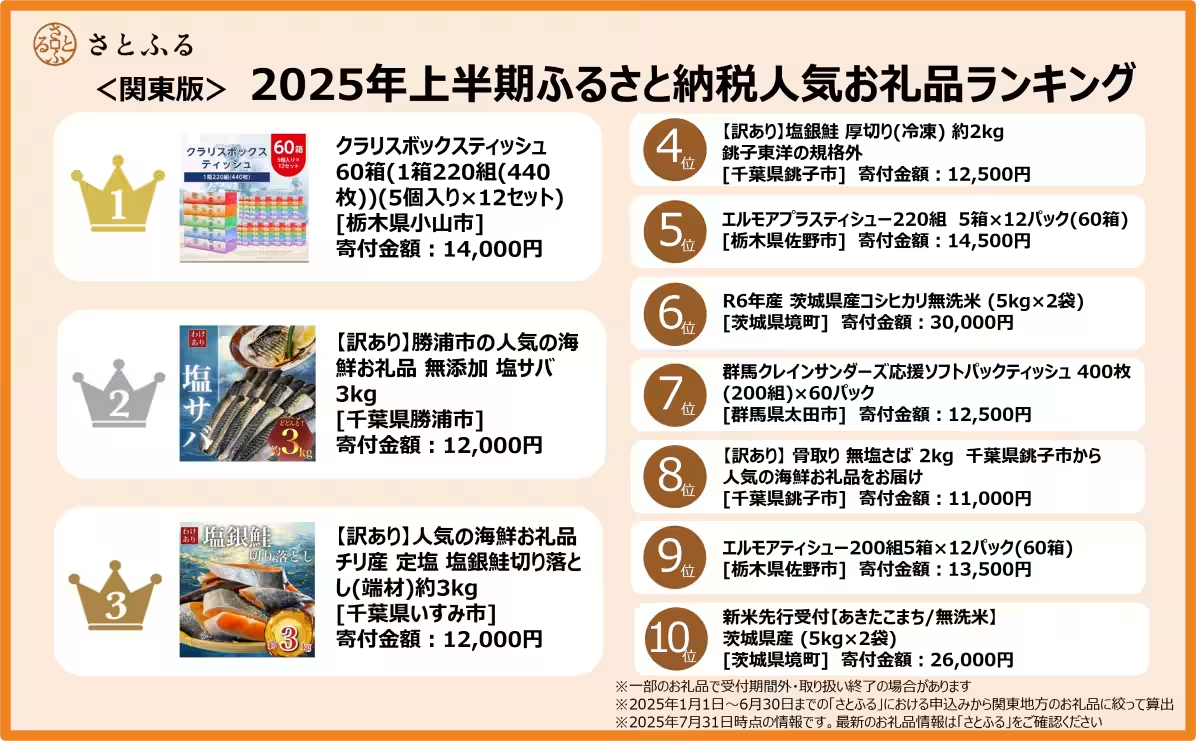
The ranking reveals that four out of the top ten gifts chosen by contributors are types of tissues. The 'Clarisse Box Tissue' secured the top position for the second consecutive year, accumulating a total of 60 boxes containing 440 sheets. Following closely, other practical items such as salmon and mackerel also remain highly favored among contributors, securing positions two through four respectively.
Here’s a quick overview of the top ten gifts according to the Kanto version:
1. Clarisse Box Tissue (14,000 yen) - Tochigi Prefecture, Oyama City
2. Salted Mackerel 3kg - Chiba Prefecture, Katsuura City (12,000 yen)
3. Chilean Salted Salmon Trimmings 3kg - Chiba Prefecture, Isumi City (12,000 yen)
4. Thick-Sliced Salted Salmon 2kg - Chiba Prefecture, Choshi City (12,500 yen)
5. Elmore Plus Tissue (14,500 yen) - Tochigi Prefecture, Sano City
6. Koshihikari Rice 10kg - Ibaraki Prefecture, Sakai Town (30,000 yen)
7. Gunma Crane Thunders Support Tissue - Gunma Prefecture, Ota City (12,500 yen)
8. Bone-Free Unsalted Mackerel 2kg - Chiba Prefecture, Choshi City (11,000 yen)
9. Elmore Tissue - Tochigi Prefecture, Sano City (13,500 yen)
10. Akita Komachi Rice (26,000 yen) - Ibaraki Prefecture, Sakai Town
This ranking indicates a significant shift in contributor preferences, reflecting the economic climate's influence on choices surrounding practical everyday items. With inflation impacting household expenses, contributors appear to favor gifts that will provide immediate utility.
Experience & Leisure Gifts
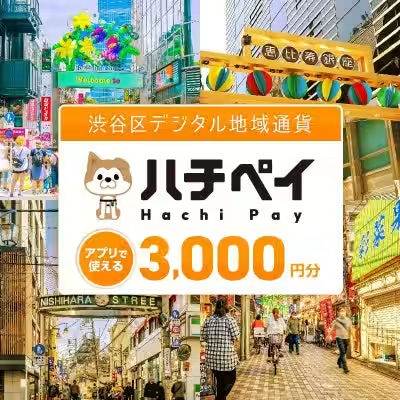
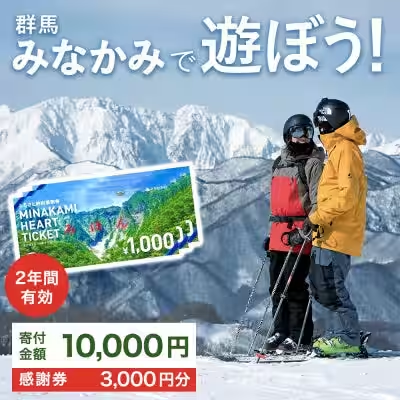
In a different ranking focused on experience and leisure gifts, 'Hachipay', a digital regional currency from Shibuya City, took the first spot. The convenience of using Hachipay for regular purchases made it very attractive, with two variations—one valued at 3,000 yen and another at 9,000 yen—evidently appealing to a wide audience. Furthermore, experience vouchers for hot springs in the Minakami region were ranked second and third, underscoring the demand for leisure and tourism experiences.
Here are notable mentions from the experience-related gifts:
1. Hachipay 3,000 yen - Tokyo (10,000 yen contribution)
2. Minakami Heart Ticket 3,000 yen - Gunma Prefecture (10,000 yen)
3. Kusatsu Onsen Gratitude Ticket 3,000 yen - Gunma Prefecture (10,000 yen)
4. LuckyFes'25 Day Ticket - Ibaraki Prefecture, Hitachinaka City (45,000 yen)
5. Hachipay 9,000 yen - Tokyo (30,000 yen)
The trend suggests people are increasingly looking for ways to blend both cost-effectiveness with enjoyable experiences, and this trend is expected to continue. SatoFuru not only facilitates contributions to regional initiatives but also highlights the community's needs throughout their platforms, providing an essential service for both contributors and local governments in Japan.
As we explore the implications of these gift rankings, the impact of rising costs on consumer choice becomes evident, showcasing a broader narrative of how economic conditions shape the landscape of gift-giving through furusato tax returns.
Topics Consumer Products & Retail)
【About Using Articles】
You can freely use the title and article content by linking to the page where the article is posted.
※ Images cannot be used.
【About Links】
Links are free to use.