



Post-Pandemic Health Awareness Surge Among Seniors: Key Findings from NTT Docomo's 2025 Health Data Report
Post-Pandemic Health Awareness Surge Among Seniors
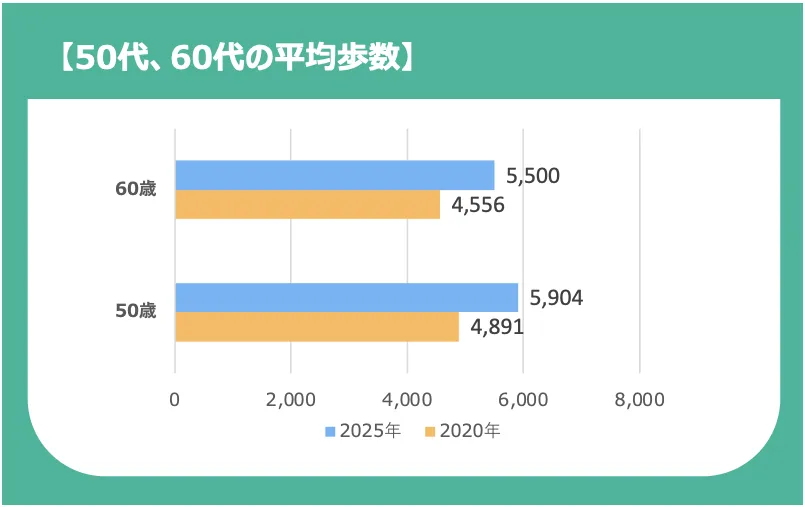
In light of the aftermath of the pandemic, there has been an encouraging boost in health awareness and actions among seniors, particularly those aged 50 to 60. NTT Docomo has released its latest report, the "Body Data White Paper 2025," which reveals a notable 20% increase in the average steps walked by individuals in this age group over the past five years. This trend of increased physical activity is a promising sign of a shift in health consciousness in seniors.
Key Findings of the Research
1. Average Steps Increase
The data indicates that the average steps taken by those in their 50s rose from 4,891 to 5,904, marking a 20.7% increase, while individuals in their 60s jumped from 4,556 to 5,500 steps, also a 20.7% rise. This growth can largely be attributed to lifestyle changes brought about by the pandemic, which forced many to reevaluate their daily routines and reintroduce walking as a critical part of their lifestyle.
Such positive changes are particularly visible in seniors who have become more aware of health-related anxieties and the importance of maintaining physical fitness. The integration of health tracking applications, such as NTT Docomo's "dヘルスケア," has facilitated the establishment of daily walking goals and the habit of logging their physical activity.
2. Step Distribution Across Age and Region
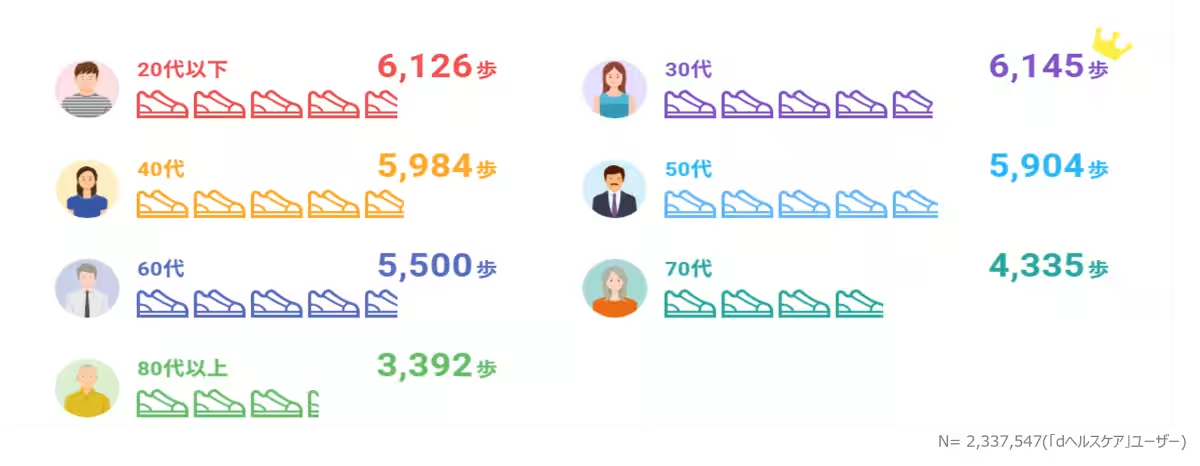
When broken down by age and location, the data shows that individuals in their 30s averaged the highest step count of 6,145, indicating that this working-age group is increasingly embedding healthy behaviors within their daily lives. The pandemic has brought about a diversification in commuting patterns, and many now use fragmented times throughout the day to engage in walking, enhancing their physical activities significantly.
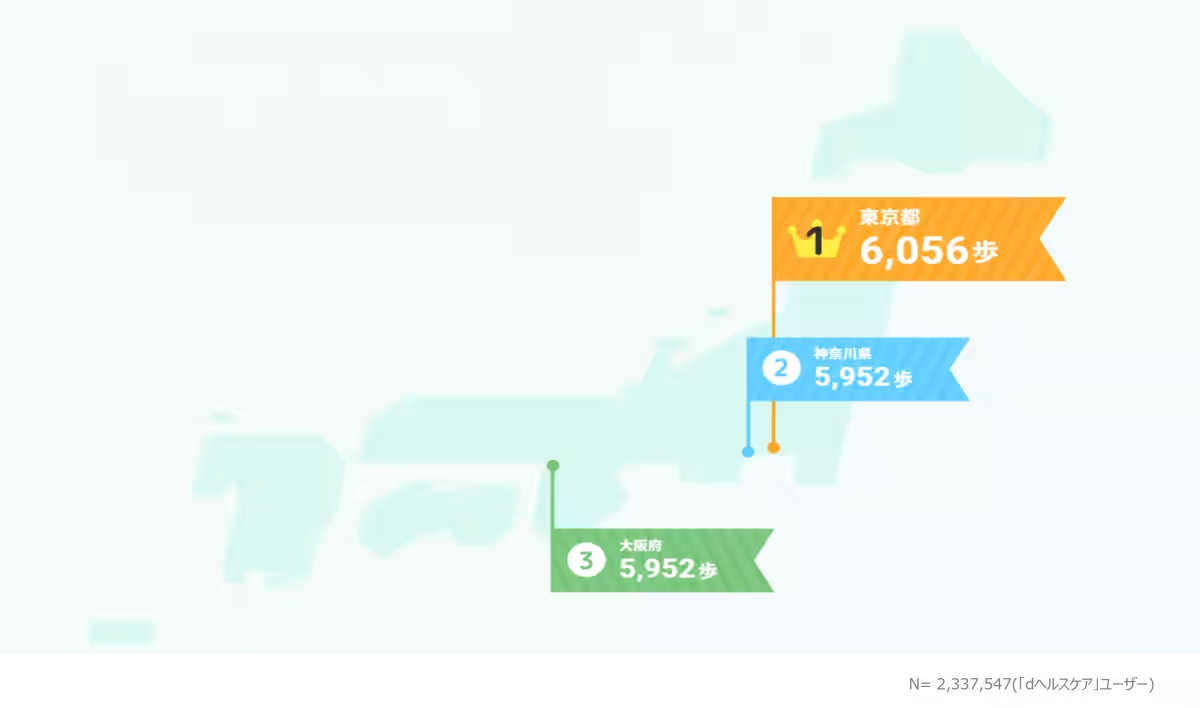
From a regional perspective, Tokyo leads with an average of 6,056 steps, due to its well-developed transportation infrastructure that encourages walking during daily activities such as commuting, shopping, and leisure. Additionally, urban residents are more likely to participate in walking and running routines to boost their health consciousness, further affirming the synergistic relationship between city lifestyles and health awareness.
3. Rise in Steps Among Free App Users
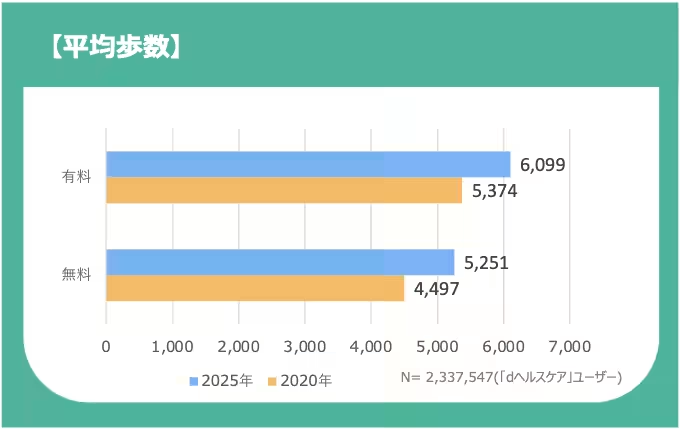
It is also noteworthy that users of the free version of the "dヘルスケア" app have shown significant improvement in their walking habits. The report states that those using the paid version logged an average of 6,099 steps a day, whereas free users reached 5,251 steps, representing an upward trend for both user categories. The findings suggest that even free app users who begin monitoring their steps can develop a heightened health consciousness, leading to routine adjustments in their daily behavior.
A crucial element in this transformation is the app's ability to visualize personal health data, providing users with a sense of accomplishment and motivation to continue their efforts.
Expert Insights from Doctor Yosuke Ishii
Reevaluating the Value of Walking
Doctor Yosuke Ishii, who contributed insights to the report, emphasizes that the increase in step count demonstrates an important behavioral shift attributed to the simple act of tracking one's walking. His research indicates that even a few thousand additional steps can significantly reduce health risks.
Studies show that individuals walking 9,000 to 10,500 steps a day experienced a 31 to 39% lower mortality rate than those only taking 2,200 steps. Furthermore, even a mild increase beyond this threshold yields noticeable health benefits, demonstrating that health improvement does not solely hinge on reaching the one-size-fits-all goal of 10,000 steps per day.
In conclusion, the positive trend yielding from this report underscores the importance of incorporating technology, such as health management apps, within senior health practices. The more seniors become aware of their activity levels, the more likely they are to adopt healthier habits, resulting in improved overall wellness.
For further details on the findings, you can access the "Body Data White Paper 2025" at NTT Docomo's official site.


Topics Health)
【About Using Articles】
You can freely use the title and article content by linking to the page where the article is posted.
※ Images cannot be used.
【About Links】
Links are free to use.