



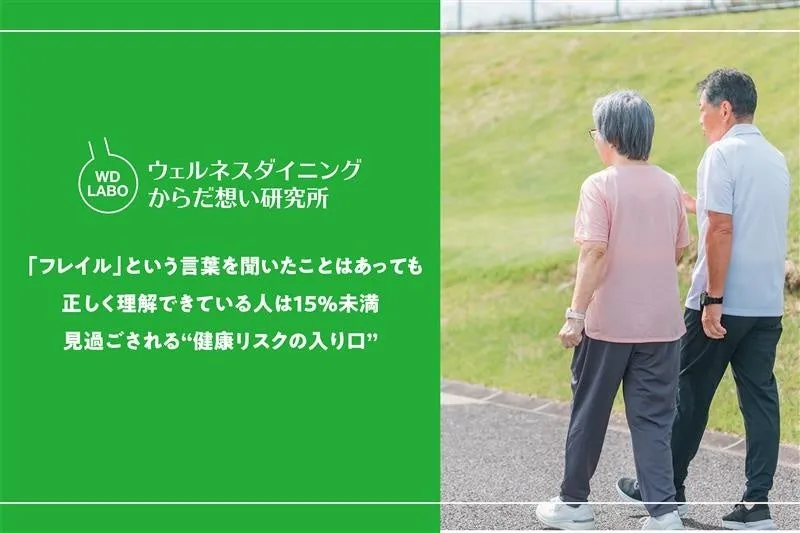
Understanding Frailty: A Growing Health Risk Among Seniors in Japan
Understanding Frailty: A Growing Health Risk Among Seniors in Japan
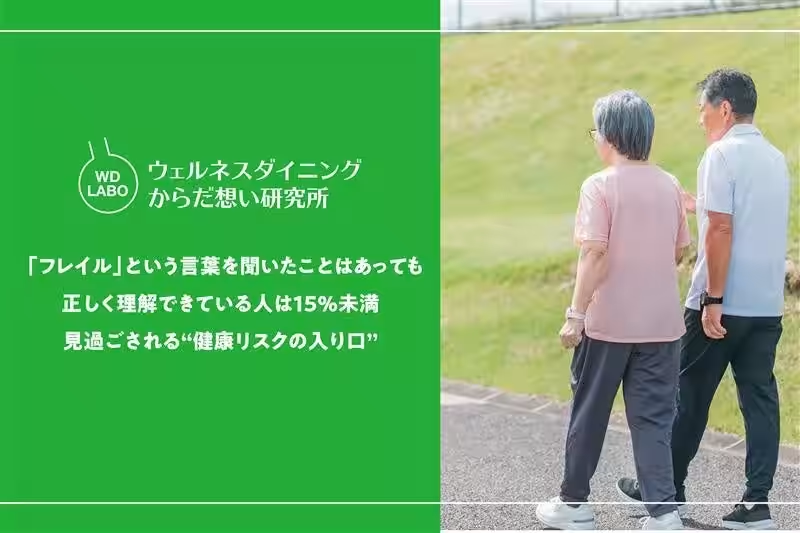
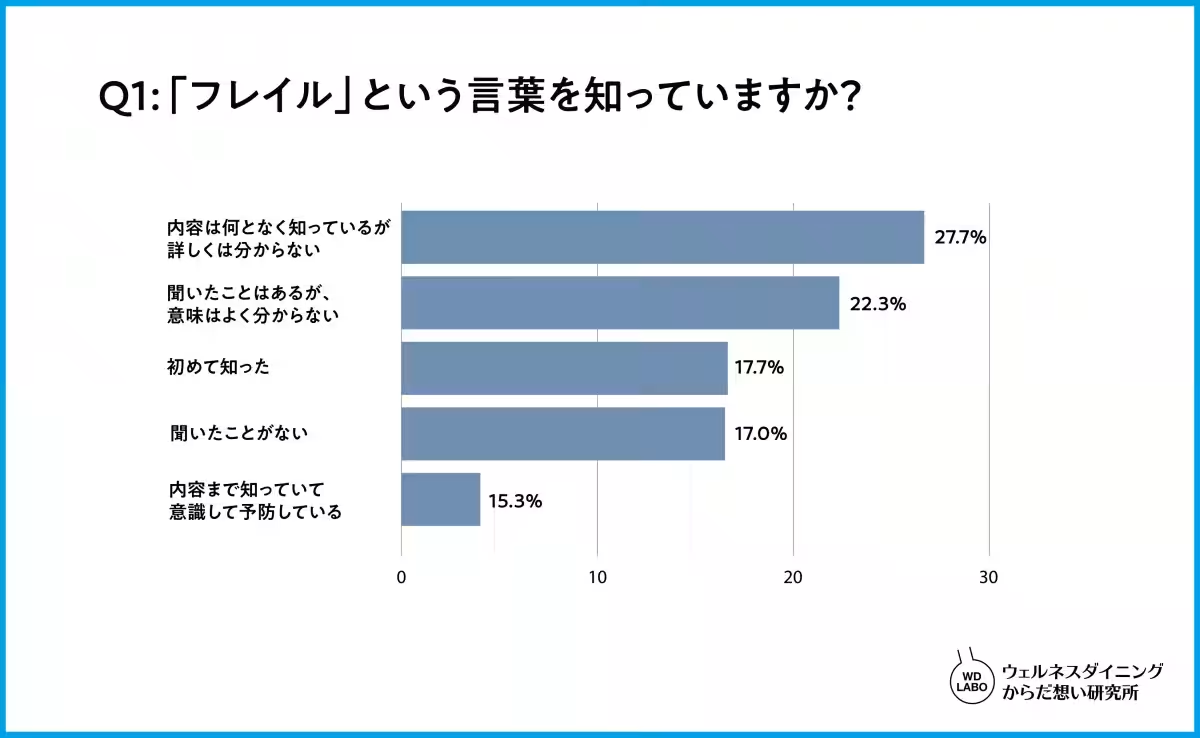
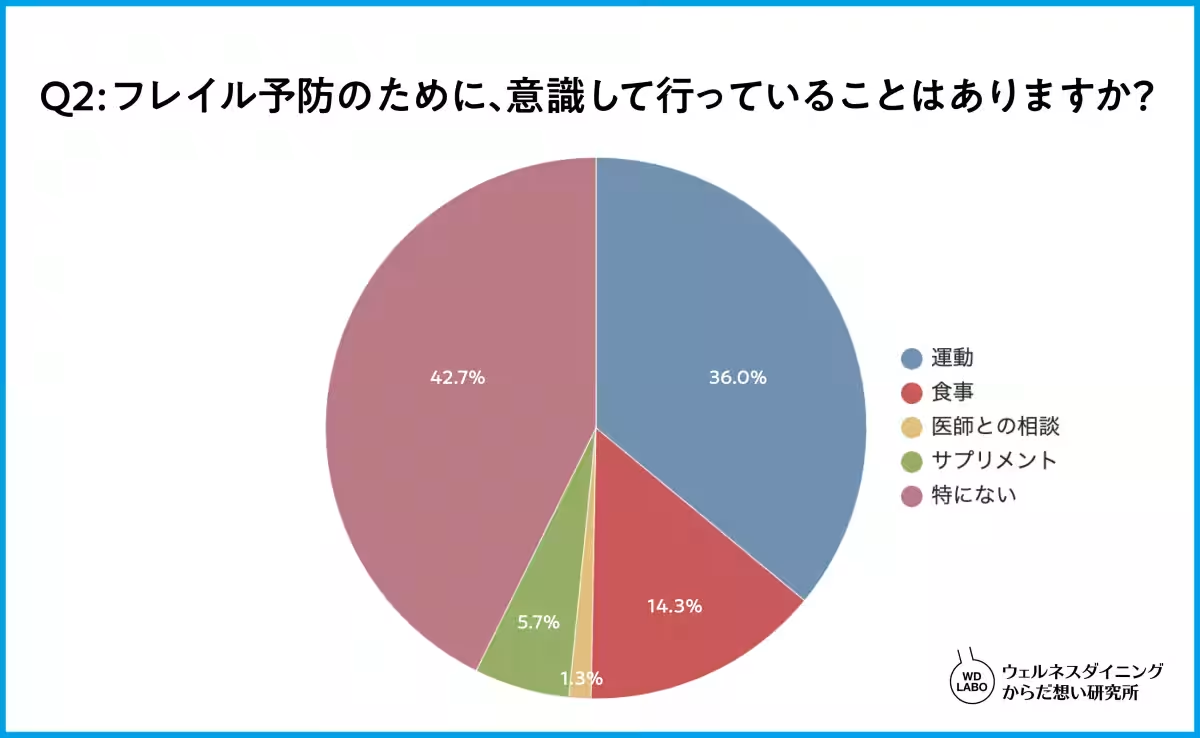
In a recent study conducted by Wellness Dining Corporation, it was revealed that only a mere 15.3% of individuals aged 65 and above fully comprehend the term "frailty." The survey, targeting this demographic across Japan, sheds light on alarming gaps in knowledge related to health risks associated with aging. Furthermore, the results indicate that an alarming 42.7% of participants reported having no preventive measures in place against frailty, raising concerns about the awareness or lack thereof in this vulnerable age group.
Survey Highlights
The survey outlines key findings that illustrate the current state of understanding concerning frailty among seniors:
- - Limited Understanding: Only 15.3% claimed they understood the meaning of "frailty" entirely. A significant portion of respondents admitted they had heard the term but lacked a clear understanding of its implications.
- - Lack of Preventive Actions: 42.7% of participants stated they were not taking any specific actions to prevent frailty. This suggests a disconnect between recognition of health issues and actual preventive behavior.
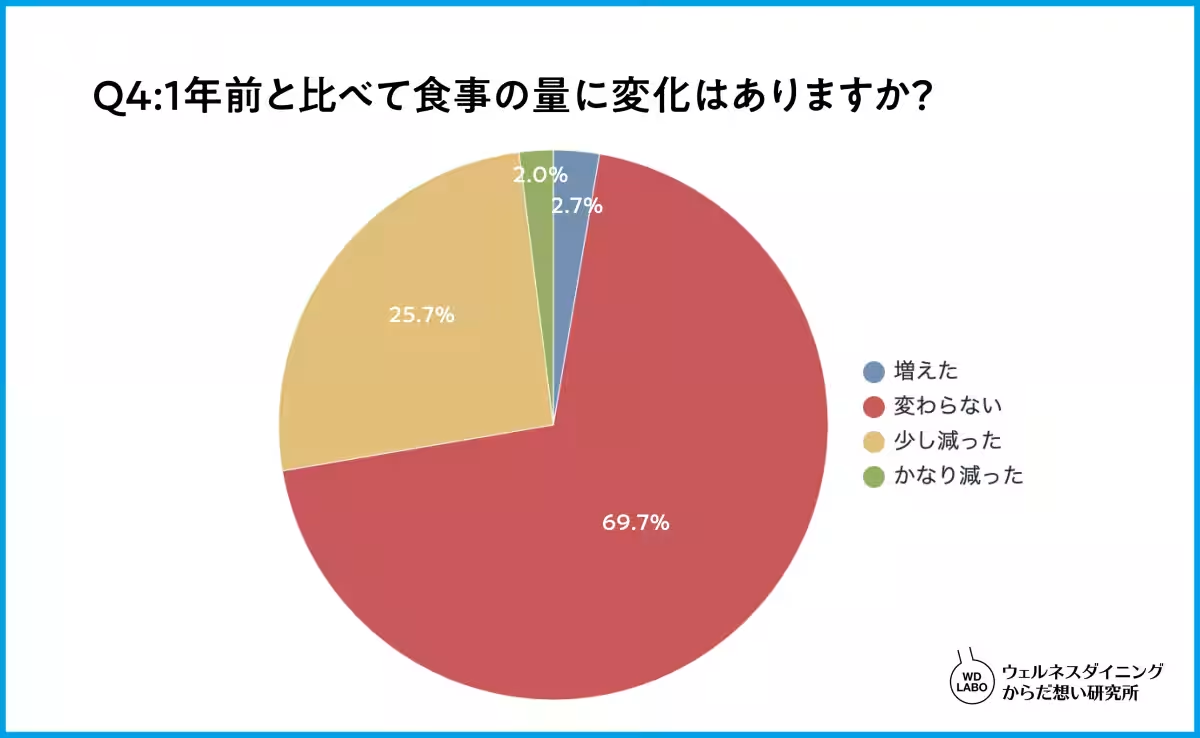
- - Decreased Food Intake: Approximately 28% of seniors reported a decrease in their food consumption over the past year, which could indicate a potential risk factor for frailty.
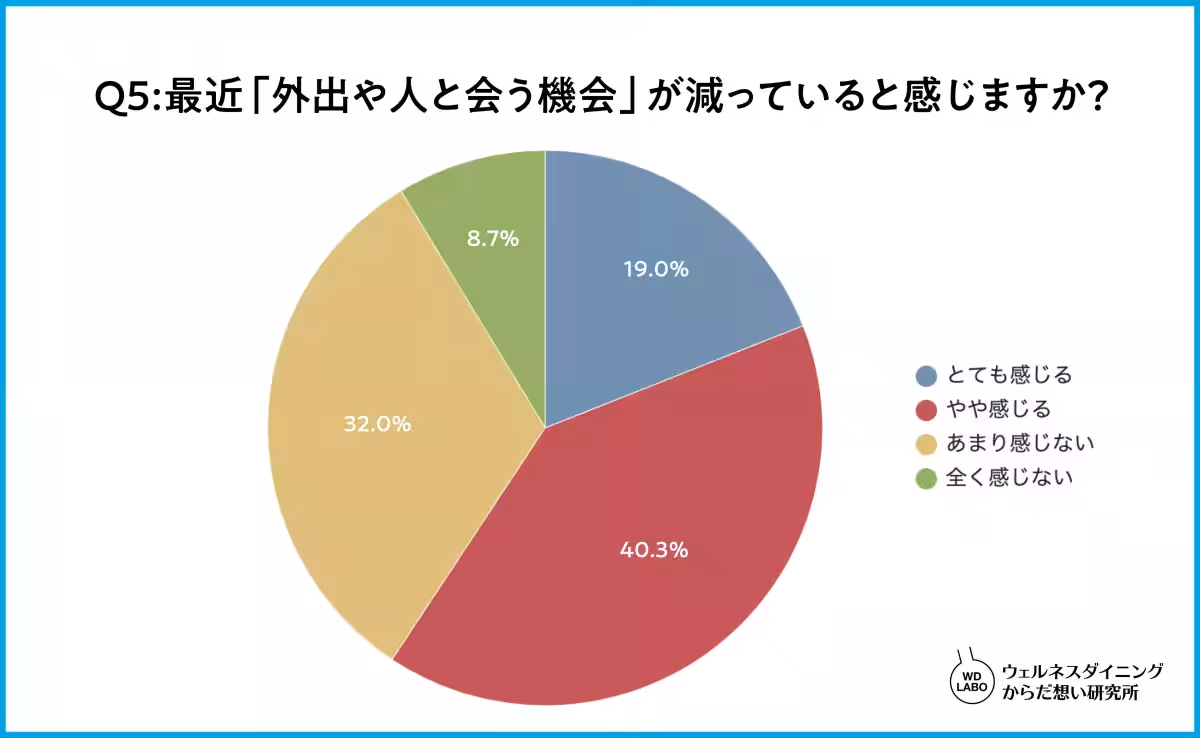
- - Social Isolation: A staggering 59.3% of respondents felt they had reduced their social interactions and outings, which could adversely affect both physical and mental health, contributing further to the frailty issue.
Understanding Frailty
Frailty, a term often associated with aging, refers to a state of increased vulnerability resulting from reduced physical reserves and diminished rehabilitation capacity. Often overlooked, frailty contributes significantly to adverse health outcomes. Surprisingly, many seniors are unaware of its meanings and repercussions, emphasizing a pressing need for educational outreach to improve their understanding and engagement in preventive measures.
The Knowledge-Action Gap
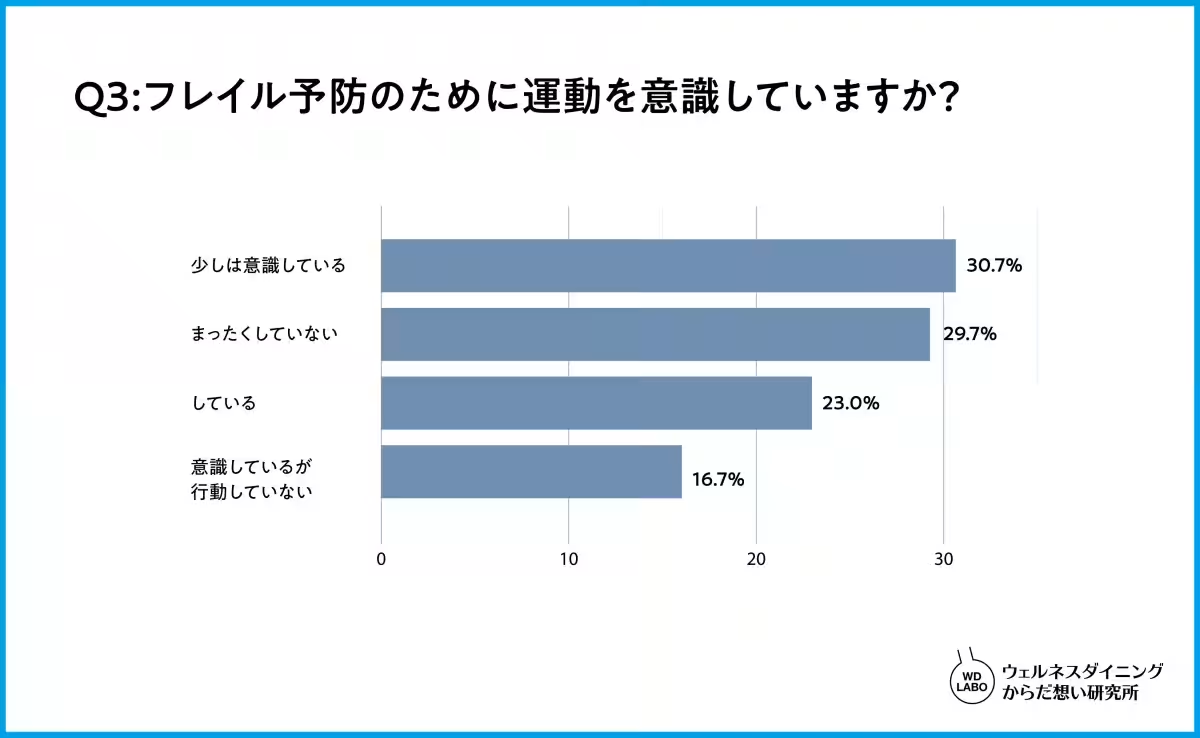
Despite respondents feeling the effects of aging—such as reduced food intake and fewer social interactions—many still fail to implement preventive strategies for frailty. Some respondents did report limited involvement in physical activity, yet only 23% were actively exercising as a preventive measure against frailty. This stark contrast indicates a critical gap between knowledge of healthy practices and the actual application of those practices in their daily lives.
Importance of Addressing These Issues
The findings from the Wellness Dining survey underscore the urgent need to educate seniors about frailty, its consequences, and the importance of proactive health measures. Understanding how to recognize and mitigate the risks associated with frailty will empower seniors to take charge of their well-being. The issue is not merely about disseminating information but rather encouraging action based on that information and fostering an environment where such changes feel feasible and attainable.
Collaborative Solutions
As the aging population continues to grow, strategies must move from mere information dissemination to a supportive transition toward action. A collaborative approach involving government, healthcare, and community organizations is essential in facilitating this move. This can include developing initiatives that encourage social interaction, physical activity, proper nutrition, and overall well-being among seniors.
Wellness Dining's Initiatives
In recognition of the increasing importance of frailty prevention, Wellness Dining is proud to be a member of the Frailty Prevention Consortium. Their approach incorporates significant measures that prioritize health through food. The company offers healthy meals designed with the needs of the elderly in mind, focusing on nutrition that promotes health maintenance while ensuring that meals are enjoyable and appealing.
Their home-delivered meals cater to the needs of seniors, ensuring that the essential nutrients required, such as protein, calcium, and vitamin D, are accessible without difficulty. Moreover, they focus on the pleasurable aspects of eating, such as the visual appeal of the food and the enjoyment it brings to their lives.
Conclusion
In summary, the growing challenge of frailty among seniors in Japan necessitates immediate and effective action. The disconnect between knowledge and behavior needs to be addressed through educational initiatives and community support. By prioritizing awareness and enabling proactive measures, we can help protect the health and well-being of our aging population.
For more information about Healthy Support Delivery Meals, check their product page at Wellness Dining. Contact Wellness Dining at their corporate site to share insights or request collaborative efforts in preventing frailty among seniors.
Topics Health)
【About Using Articles】
You can freely use the title and article content by linking to the page where the article is posted.
※ Images cannot be used.
【About Links】
Links are free to use.