



Understanding How Inbound Tourists Choose Dining Options in Japan
Exploring Inbound Tourists' Selection of Restaurants in Japan
As the number of inbound tourists continues to rise, understanding their preferences when it comes to dining options becomes increasingly crucial for restaurants in Japan. In a collaborative effort, COLLINS, a company focused on digital marketing support for eateries, has partnered with GuideMe Japan, a tour guide service that connects Japan with the world. They conducted a survey to gain insights into the dining choices made by tourists visiting Japan.
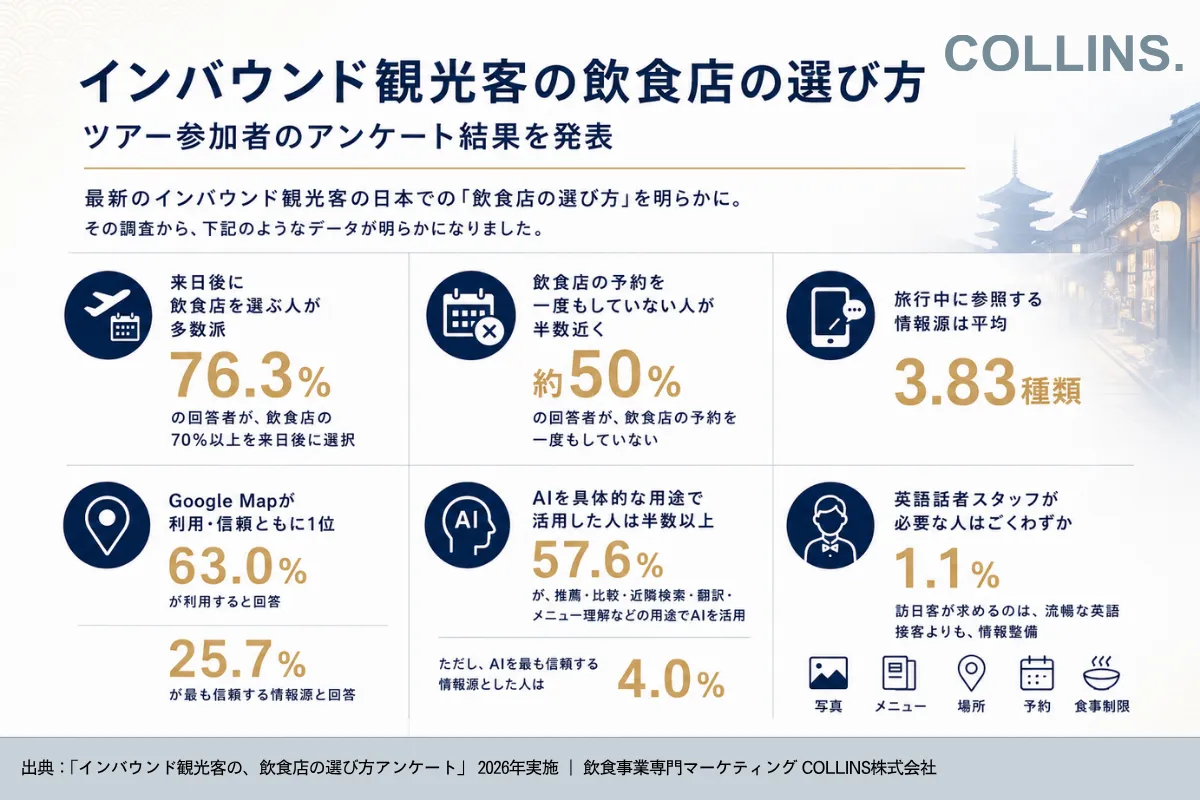
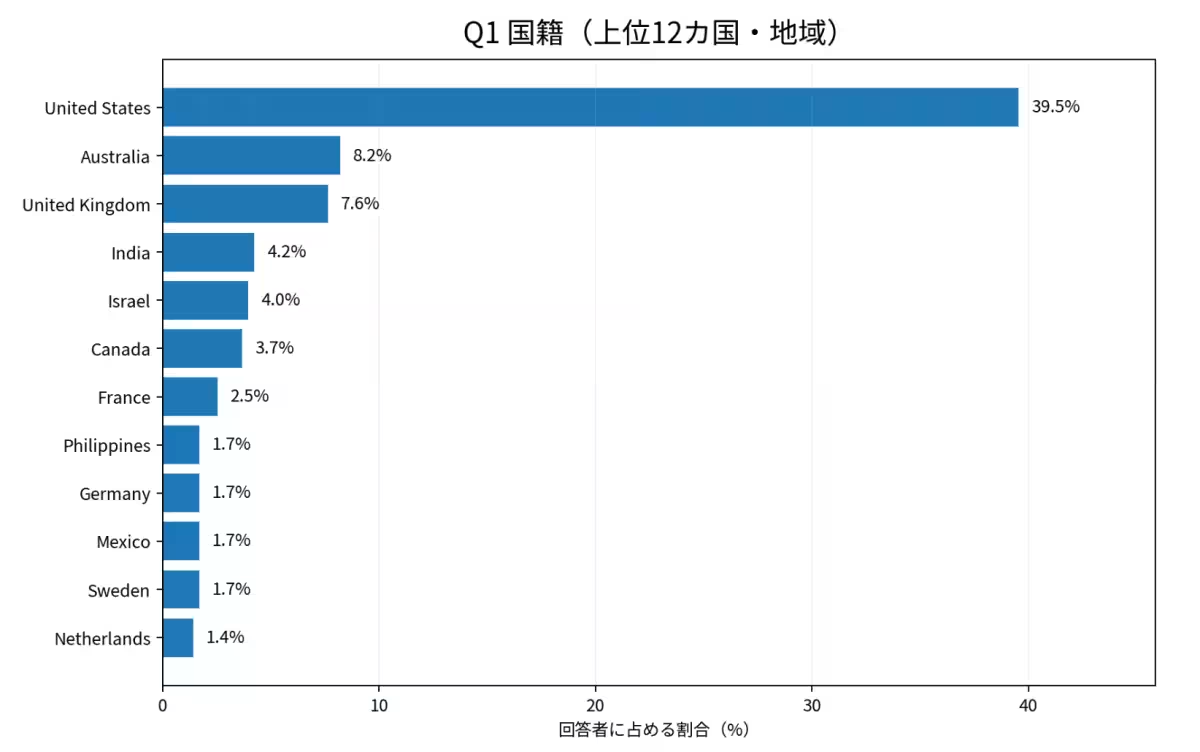
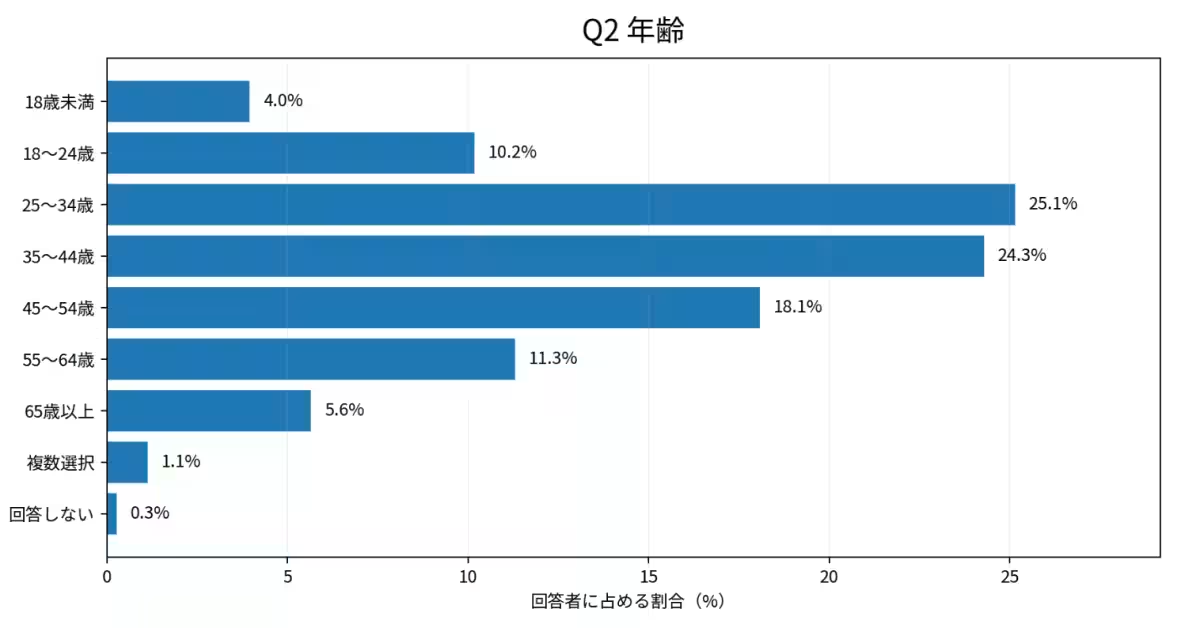
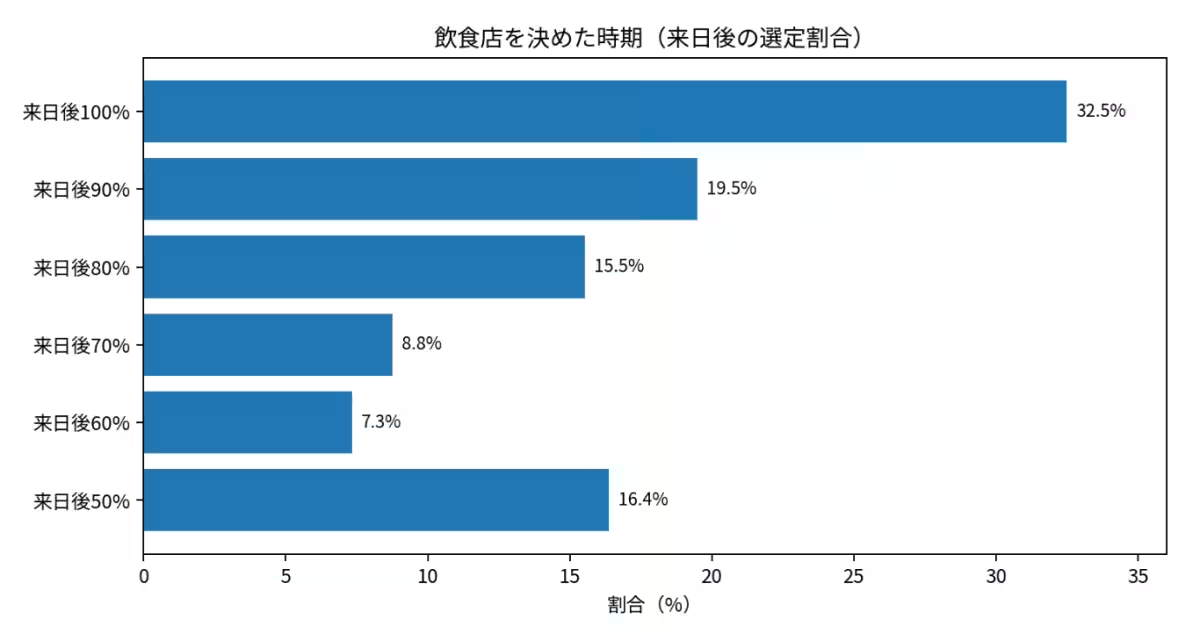
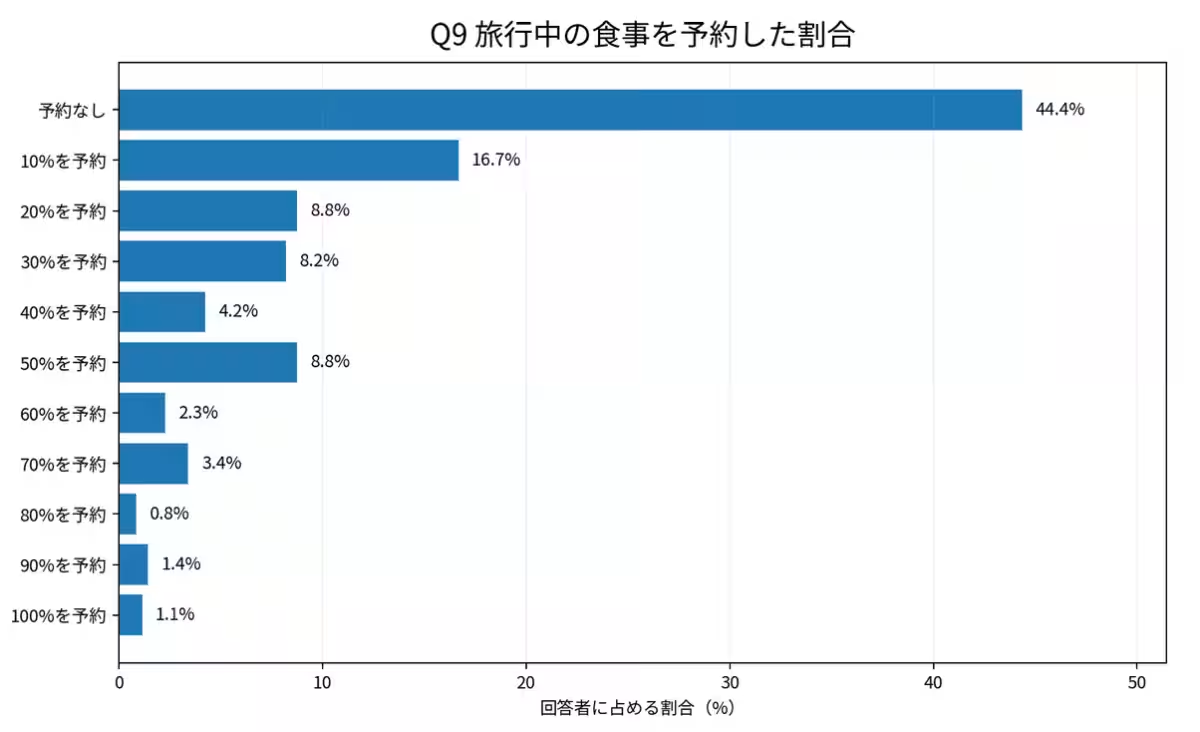
The survey targeted 354 participants who took part in English-speaking tours organized by GuideMe Japan. The findings offer significant revelations on how tourists decide where to eat, with over 76% selecting more than 70% of their dining spots after arriving in Japan. This highlights a preference for spontaneity and flexibility, as nearly half of the respondents reported never making a reservation prior to their visit.
Key Findings
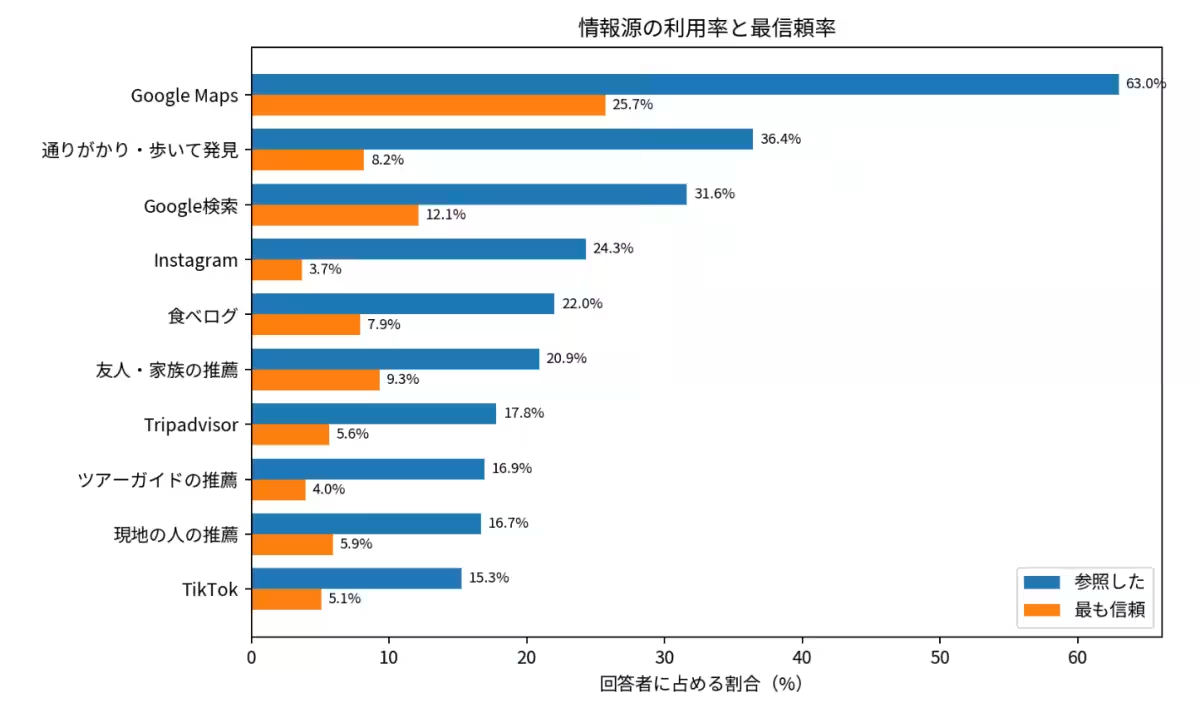
The insights gathered from the survey pinpoint the resources utilized by tourists when seeking dining options during their travels:
- - Popularity of Google Maps: A striking 63% of tourists relied on Google Maps for locating restaurants, making it the most utilized tool for dining decisions. In terms of trustworthiness, 25.7% of respondents indicated Google Maps as their most trusted information source.
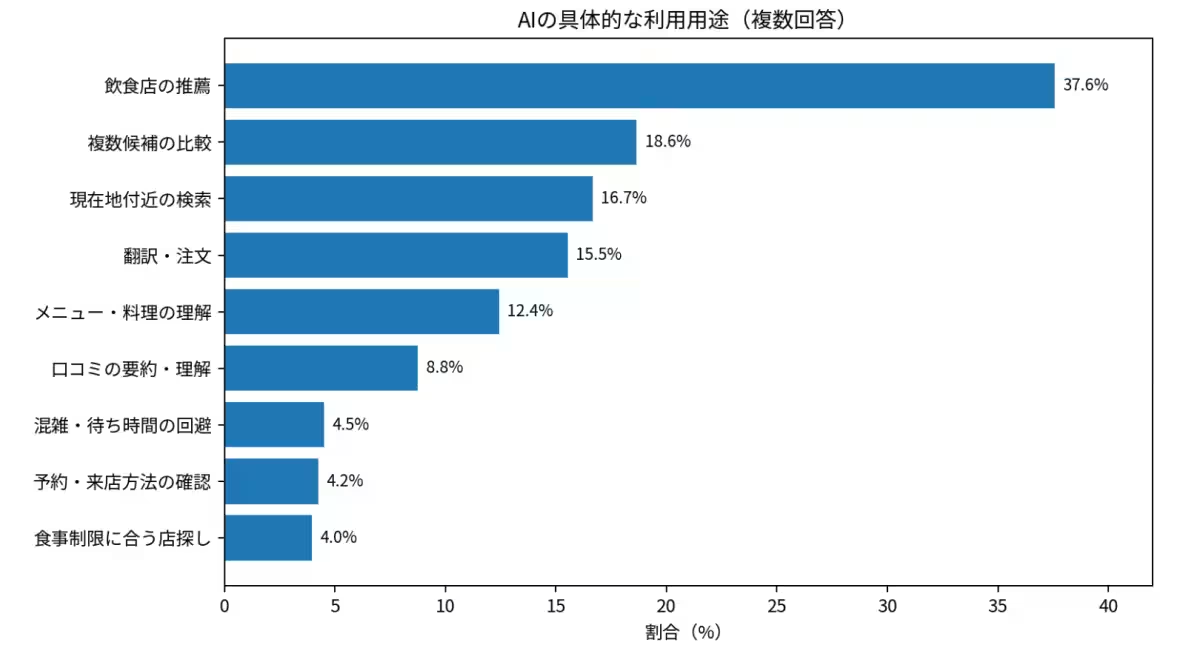
- - AI Tools: More than half (57.6%) utilized AI for recommendations, comparisons, and translations. However, merely 4% considered AI as their most reliable source of information. This suggests that while tourists are open to leveraging technology, traditional sources remain paramount in making final decisions.
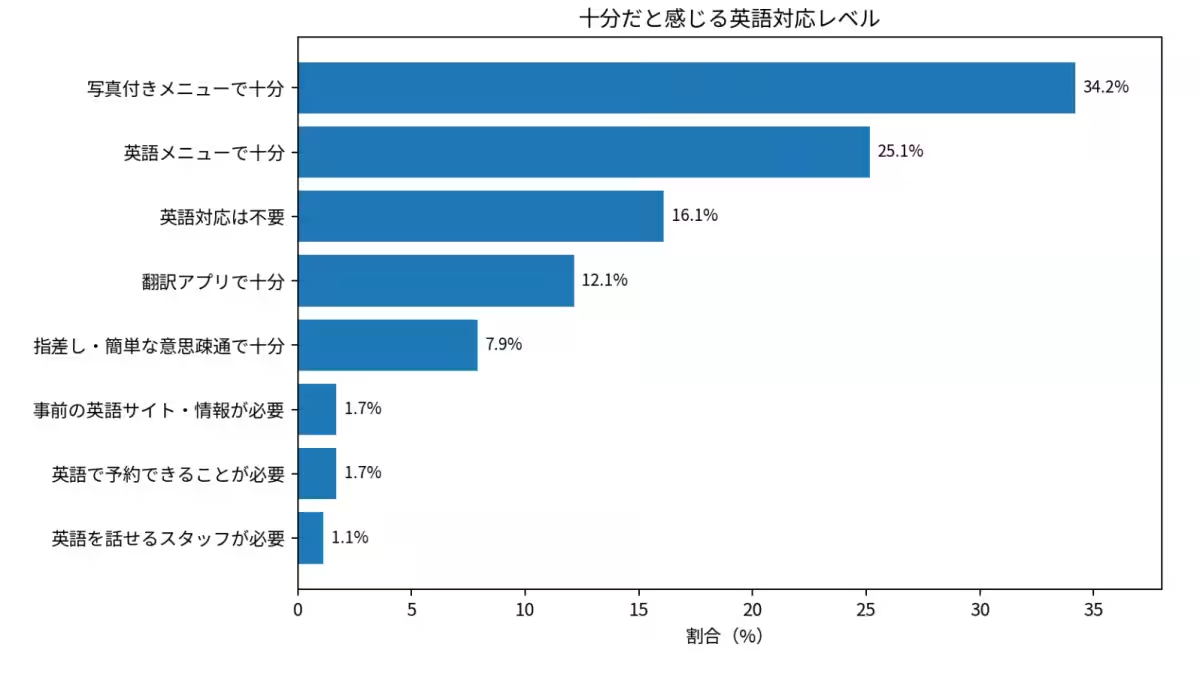
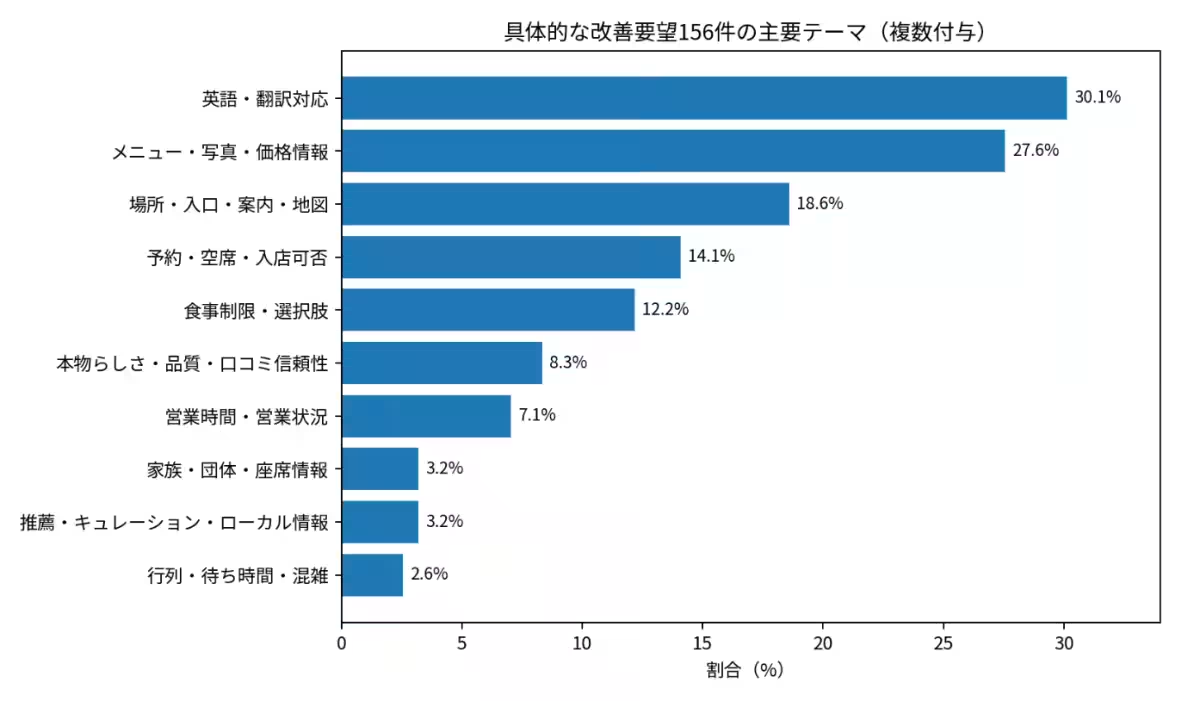
- - Language Needs: Surprisingly, only 1.1% of respondents felt it was necessary to have staff fluent in English, pointing to a desire for clear informational material (like menus and local tips) rather than personal interaction in English.
With this background, it’s essential to recognize the changing landscape of tourist dining preferences. The survey clearly illustrates that modern travelers are not just consuming information, but actively seeking it out during their journey.
Relevance of the Research
This research sheds light on the landscape of Japan's tourism and its culinary sector. It underscores the necessity for restaurants to create accessible and comprehensive informational resources that cater to the needs of inbound tourists.
The following aspects were highlighted during the findings:
1. Pre- and Post-Arrival Choices: A significant 52% of respondents made dining choices only after their arrival, suggesting that real-time information is vital.
2. Dining Reservations: A notable 44.4% never made dining reservations throughout their travel in Japan, indicating potential business opportunities for restaurants that can attract walk-in customers.
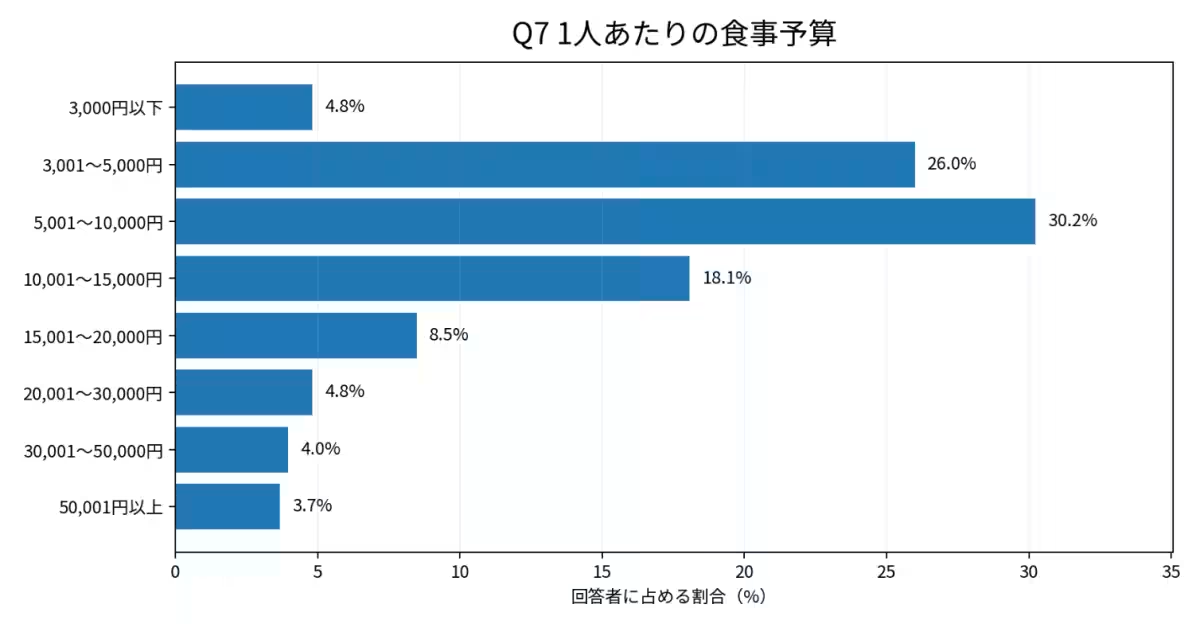
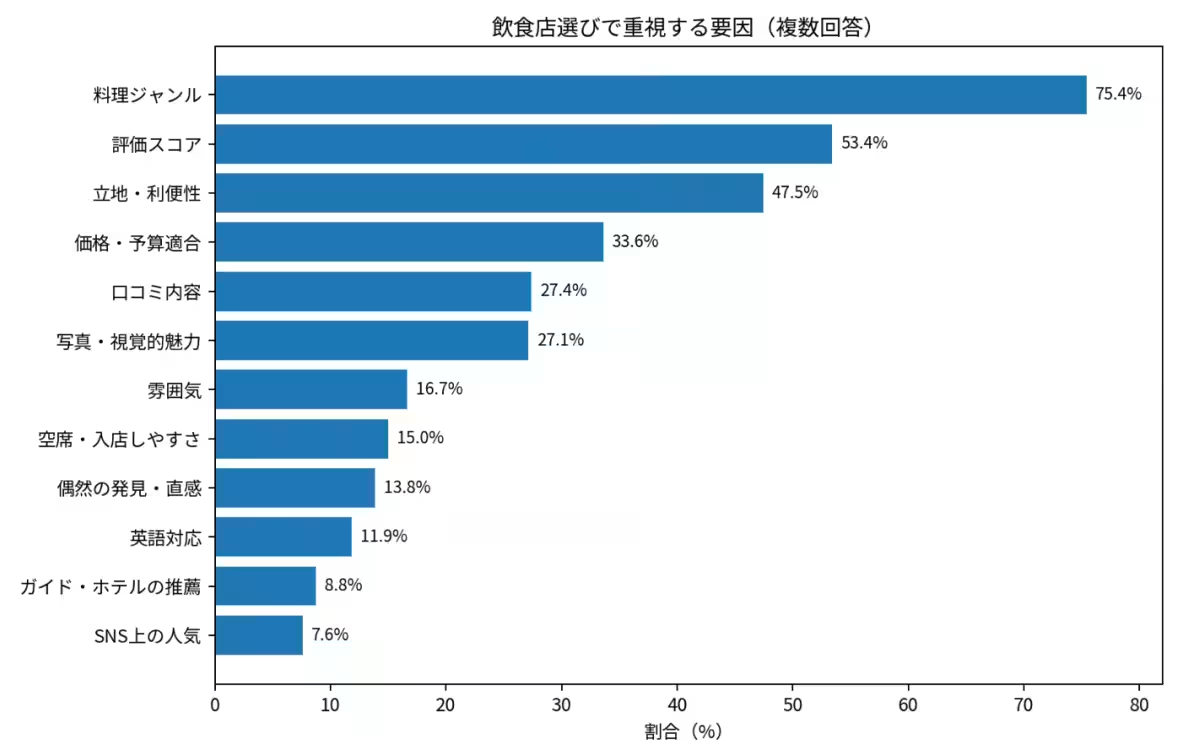
3. Critical Factors for Restaurant Selection: Preferences leaned heavily towards cuisine type (75.4%), rating score (53.4%), location (47.5%), and price (33.6%). This means that the clearer and more compelling restaurants can present their offerings, the more likely they are to attract visitors.
Recommendations for Restaurants
To effectively cater to inbound tourists, restaurants should:
- - Optimize their presence on Google Maps and ensure that accurate information is presented clearly.
- - Utilize social media to showcase dishes and restaurant ambiance to capture interest.
- - Develop menus that are easily understandable with photos and translations, which would help tourists make informed decisions.
- - Create flexible walk-in options while also catering to those who prefer to book in advance.
Conclusion
In summary, as inbound tourism flourishes in Japan, the hospitality industry must adapt to meet the evolving demands of international travelers. By addressing the specific preferences and needs identified in this survey, restaurants can not only improve their visibility but also enhance the dining experience for guests from abroad. The emphasis on real-time, easily accessible information will be crucial in ensuring that visitors enjoy their culinary adventures in Japan.
Topics Consumer Products & Retail)
【About Using Articles】
You can freely use the title and article content by linking to the page where the article is posted.
※ Images cannot be used.
【About Links】
Links are free to use.