



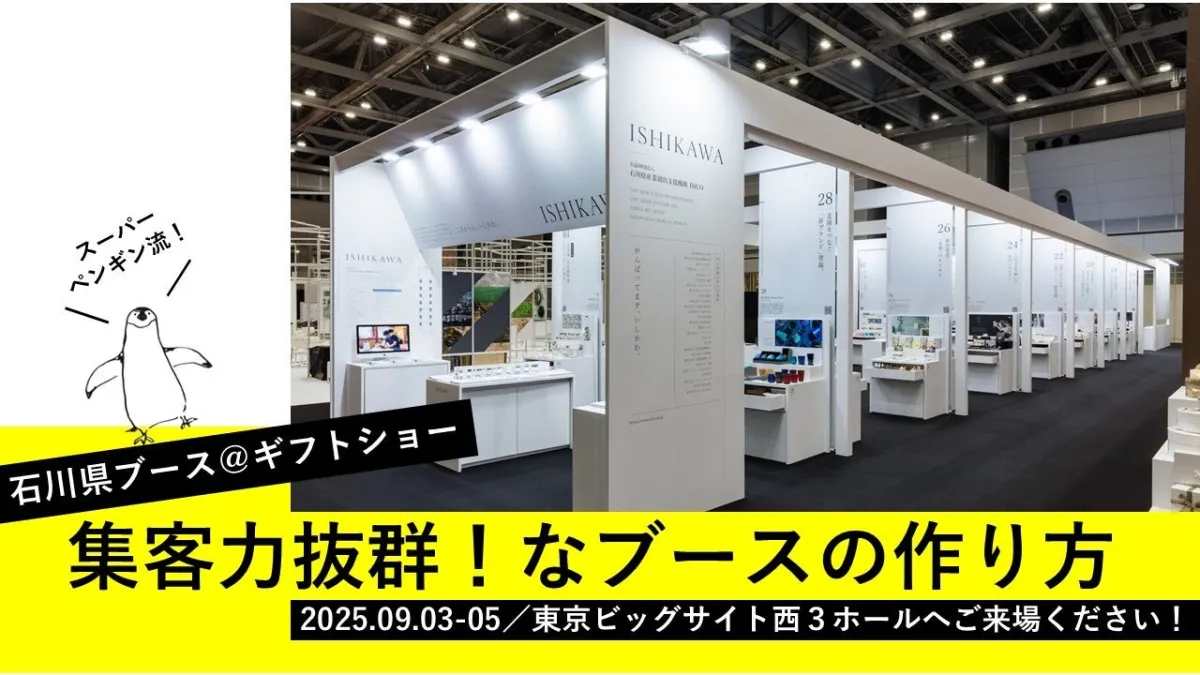
Super Penguin Corporation's Unique Design at the Ishikawa Booth Continues to Amaze at Tokyo Gift Show
The Magnetism of the Ishikawa Booth
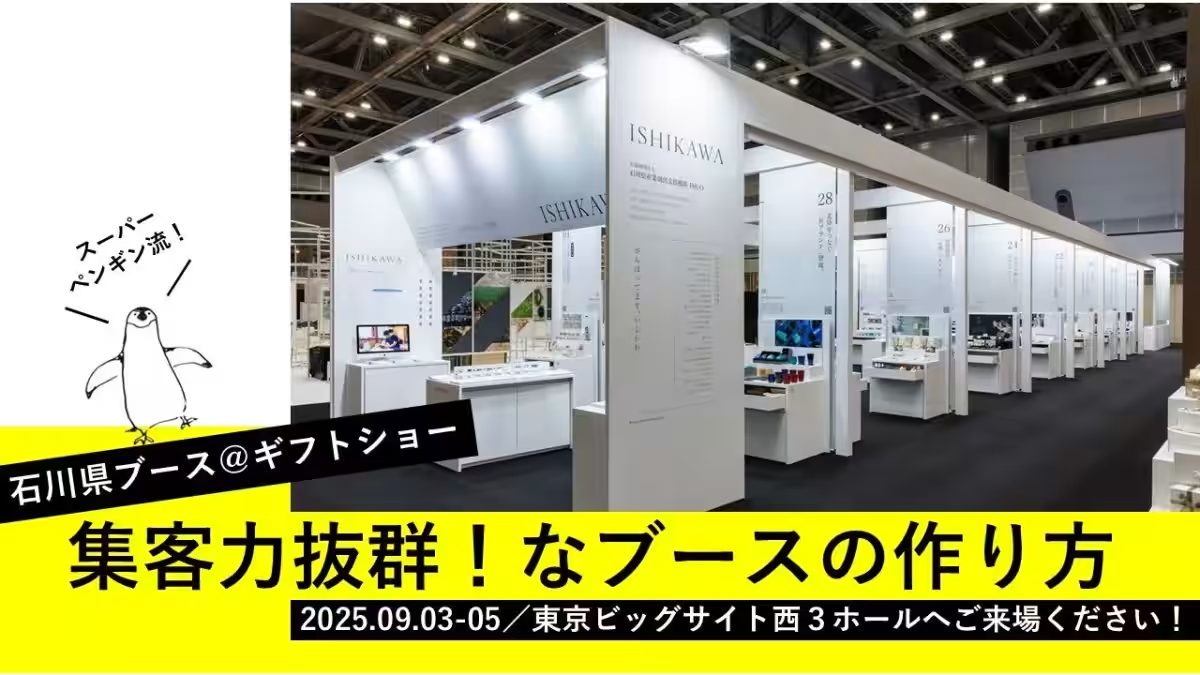
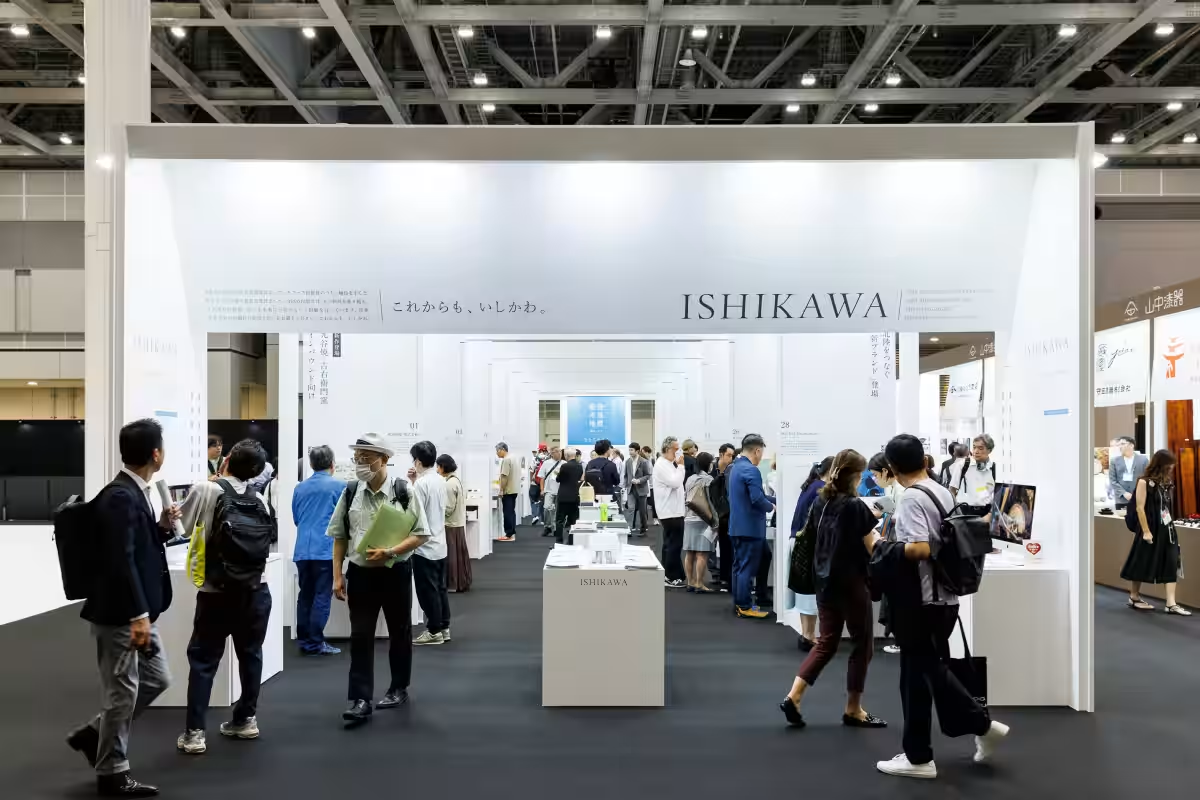
Every year, the Ishikawa booth, designed by Super Penguin Corporation, captures significant attention at the Tokyo International Gift Show. From September 3 to 5, 2025, this celebrated event unfolds at Tokyo Big Sight, where the company's unique design strategies attract attendees threefold compared to previous years.
1. A Rising Star in Gift Shows
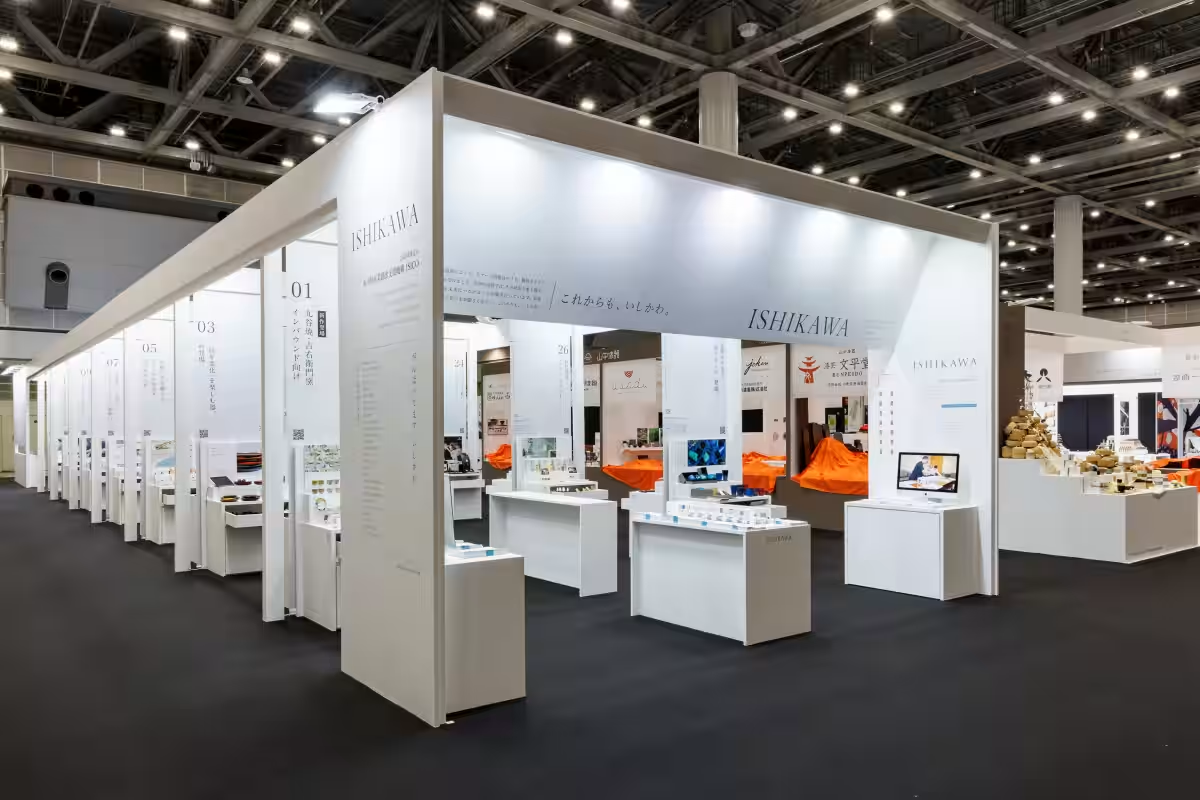
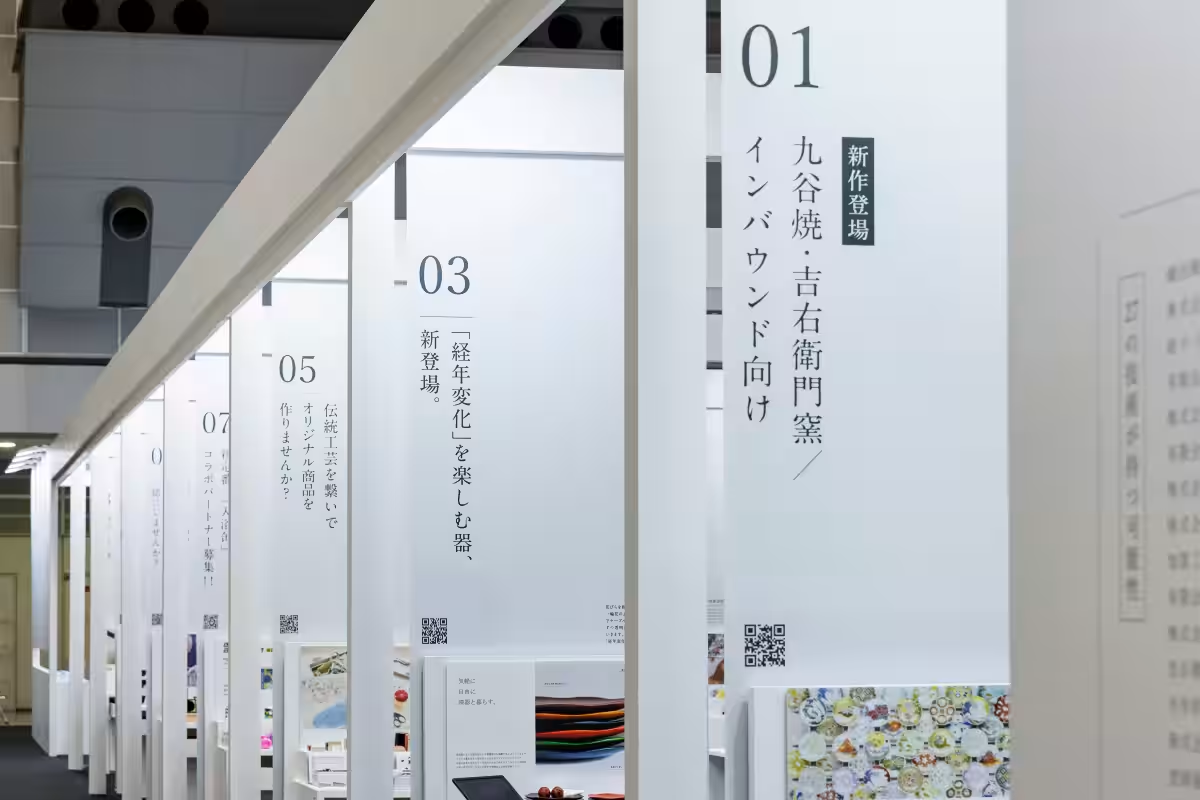
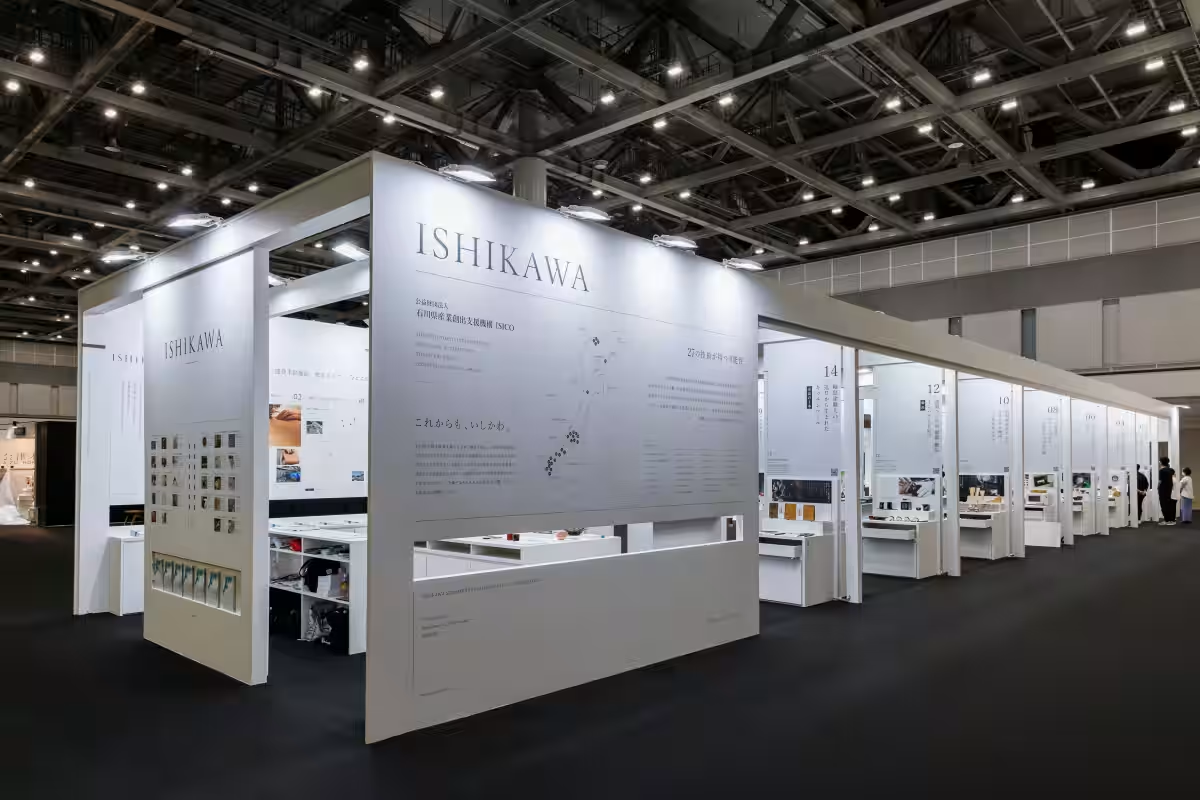
Last year's Ishikawa booth exemplified a minimalist white design, generating inquiries about whether a simple appearance could truly gather crowds. Visitors often applauded the booth, calling it bright and beautiful, and remarking upon how effectively it attracted people compared to neighboring displays.
Reflecting upon this phenomenon, participants dubbed the area surrounding the booth as a 'Penguin Village' due to the increasing number of similar designs emerging from other exhibitors. Super Penguin's CEO, Naohisa Takemura, remains unbothered by imitation, asserting there’s no problem with other exhibitors seeking to replicate the booth's success.
2. The Psychology Behind Visitor Attraction
The Ishikawa booth stands out not through flamboyance, which is typical in the exhibition industry, but through its thoughtful design that incorporates ample white space. This unique approach undoubtedly raises the question: How does something so simple draw in such crowds?
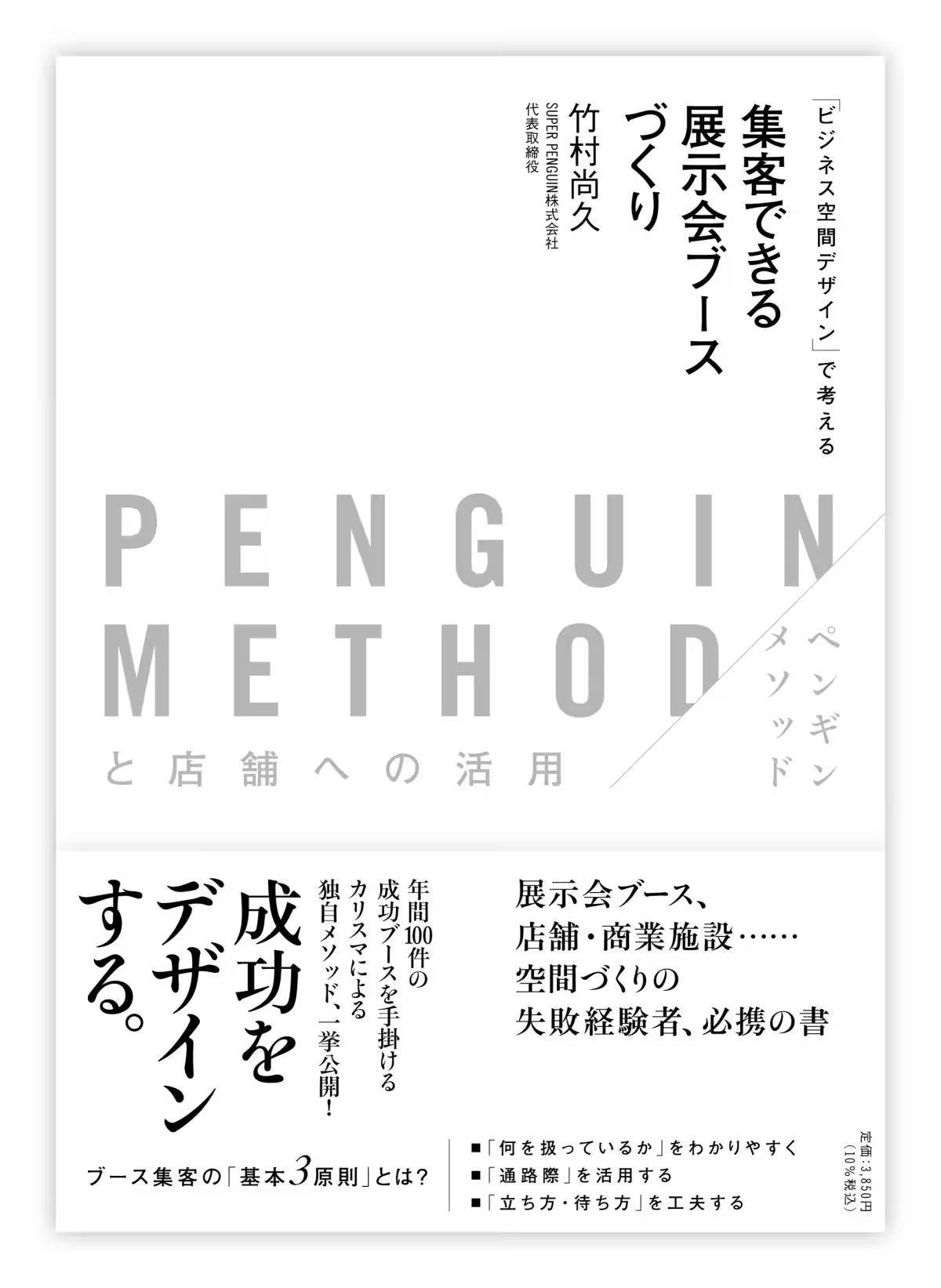
Super Penguin’s design philosophy hinges on “space design thinking,” which seeks to understand visitor psychology. Takemura defines space design as curating the ambiance and emotions of those present rather than merely focusing on aesthetics. Through this method, which he calls the 'Penguin Method,' the booth becomes a psychological space that encourages engagement.
3. Exploring the Penguin Method
The Penguin Method involves a comprehensive approach to design, considering layout, messaging, and marketing materials to ensure visitor engagement. It's not just about how a booth looks; it's about how it can prompt potential discussions and business deals.
4. Understanding Collective Booths
Collective booths allow multiple small and medium-sized enterprises (SMEs) to come together under a shared space, an initiative that supports regional manufacturers. Super Penguin facilitates regional exhibitions, enabling local companies to reach a wider array of buyers during B2B events like the Gift Show.
When these companies gather under a common area, they benefit from reduced costs and collaborative visibility, effectively showcasing their products to potential clients.
5. Five Strategies for Successful Collective Booths
Super Penguin applies five strategies to ensure the success of booths:
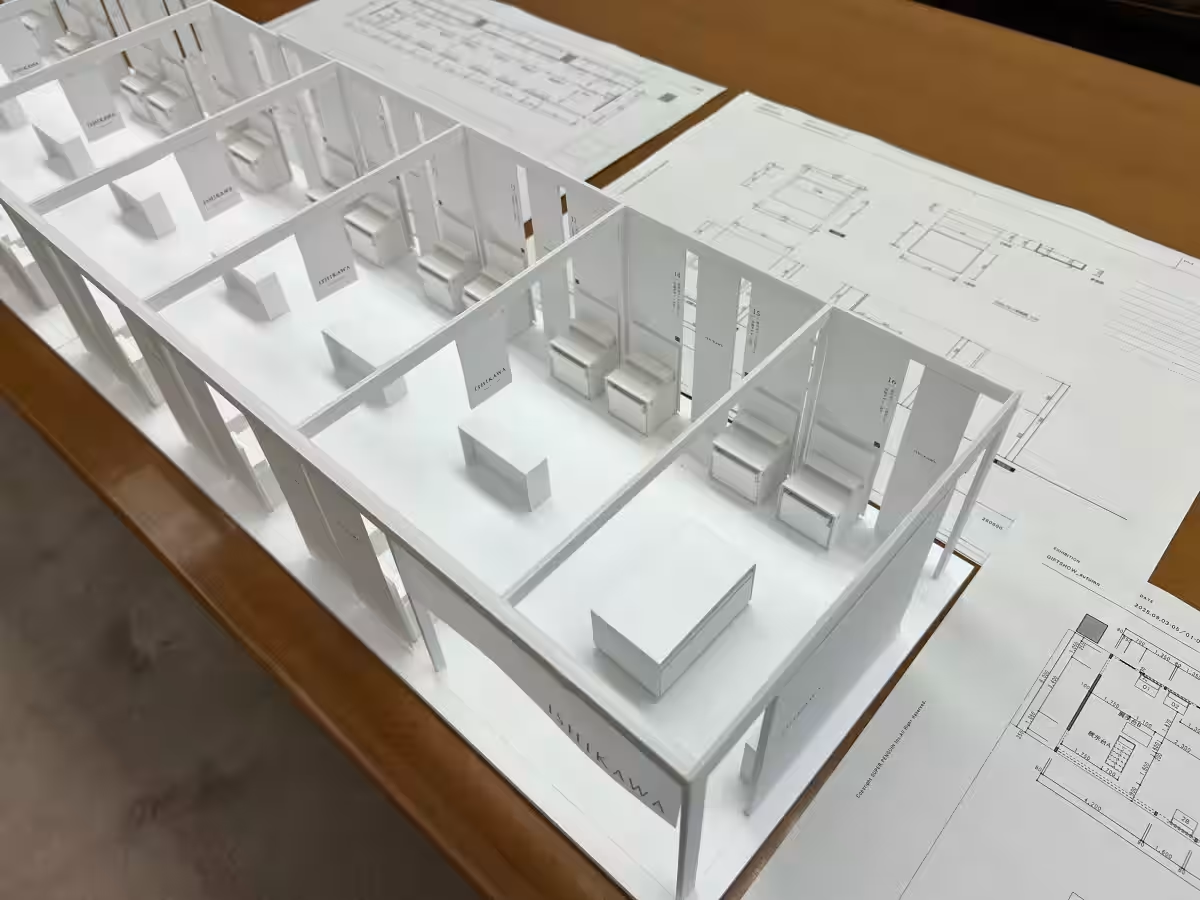
1. Strategic Booth Design: The design for this year involves an enclosure that can be accessed from various angles to provoke curiosity.
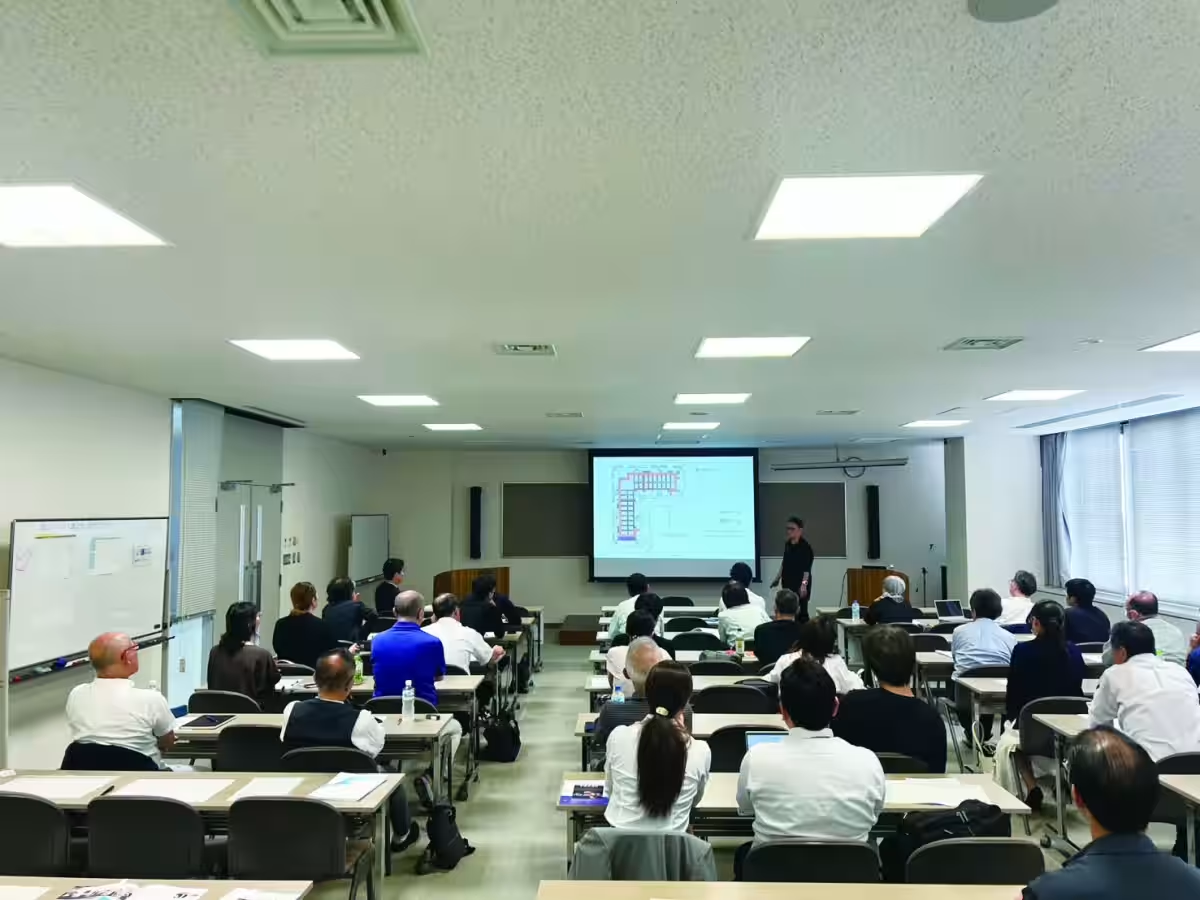
2. Exhibiting Seminars: Led by Takemura himself, these sessions educate exhibitors on effective strategies for attracting customers.
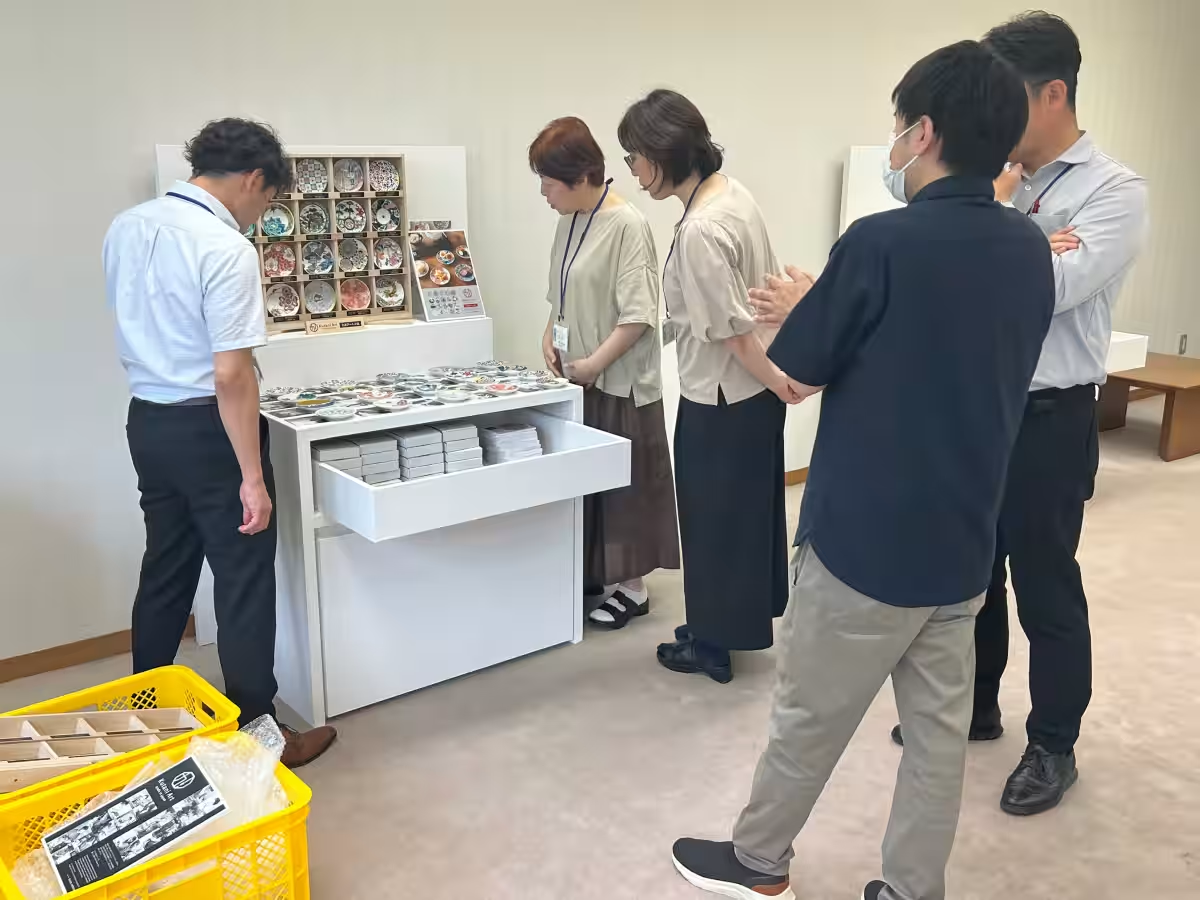
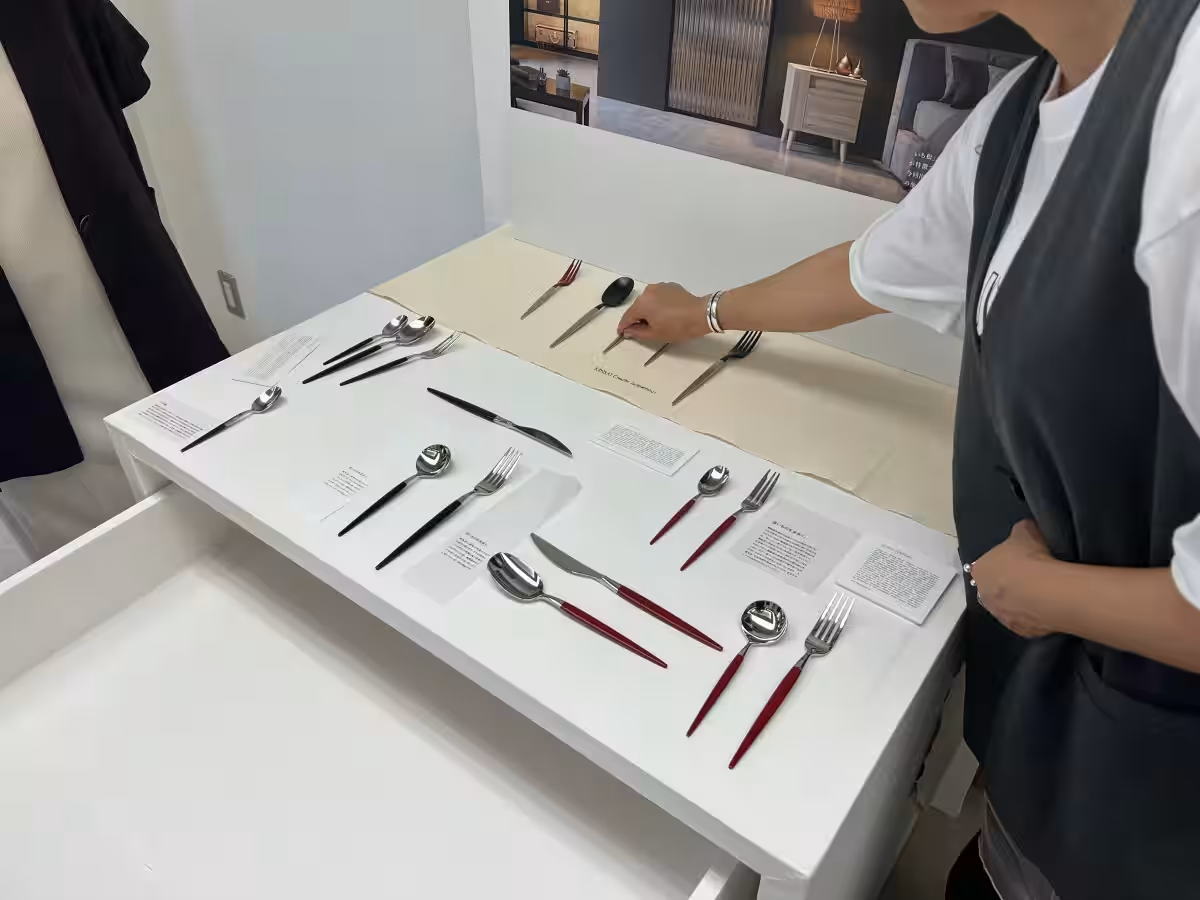
3. Individual Consultations and Display Guidance: Each participating company receives dedicated coaching to optimize their display strategies.
4. Crafting Effective Messaging: The messaging is tailored to quickly communicate the product offering rather than the company name, enhancing immediate visitor understanding.
5. On-Site Advice and Adjustments: Super Penguin's team monitors and provides real-time suggestions to exhibitors, enhancing their approach based on the flow of visitors.
6. This Year’s Ishikawa Booth
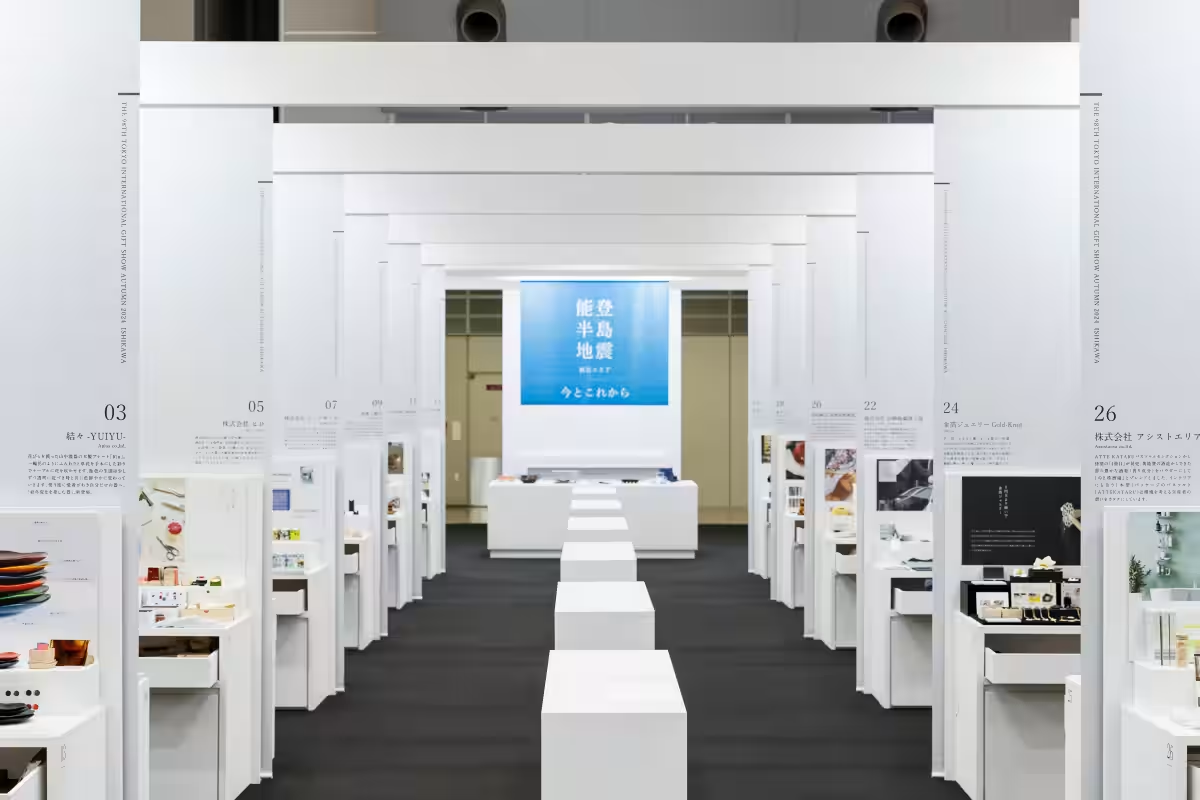
Set within the 'LIFE×DESIGN' area at West Hall 3, the Ishikawa booth will feature 28 local companies, including renowned traditional crafts. A special section dedicated to recovery efforts from the Noto Peninsula earthquake will also be highlighted.
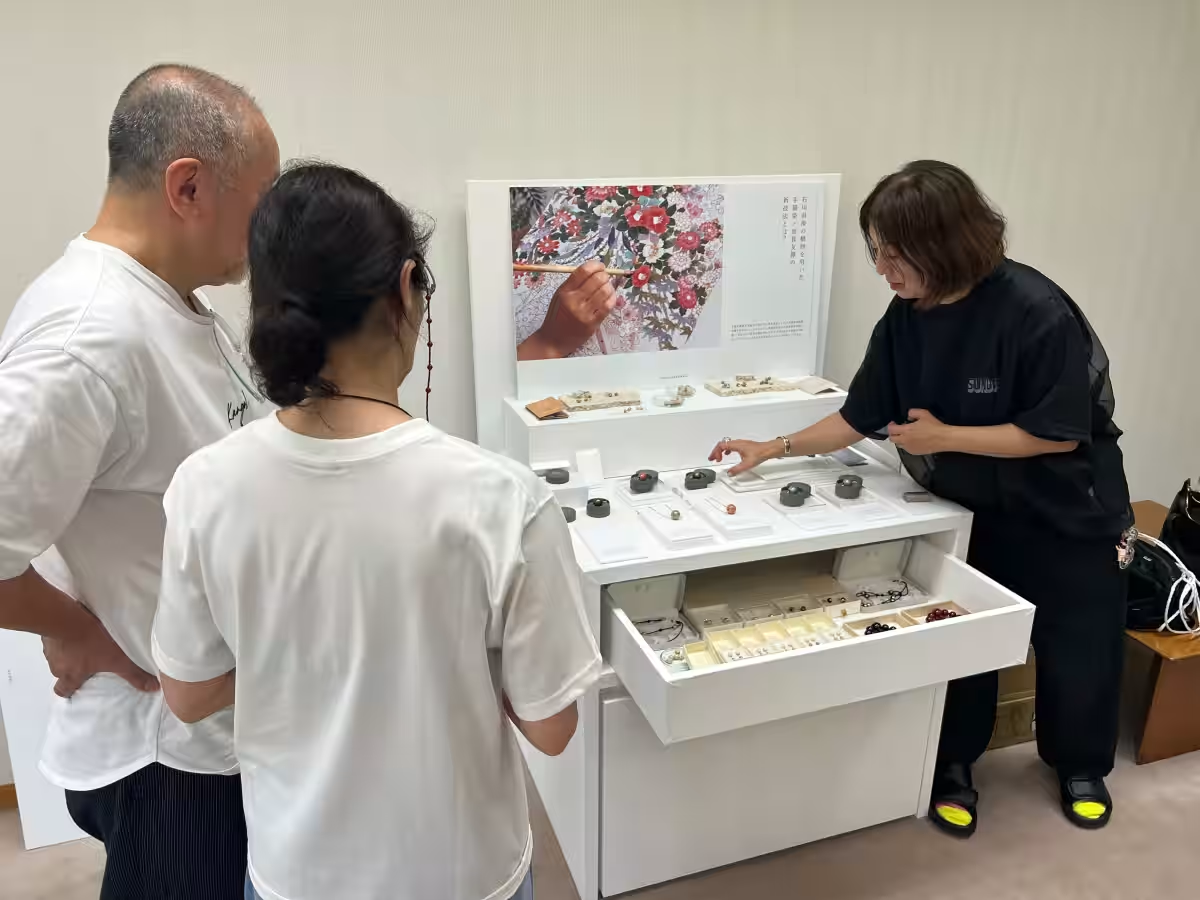
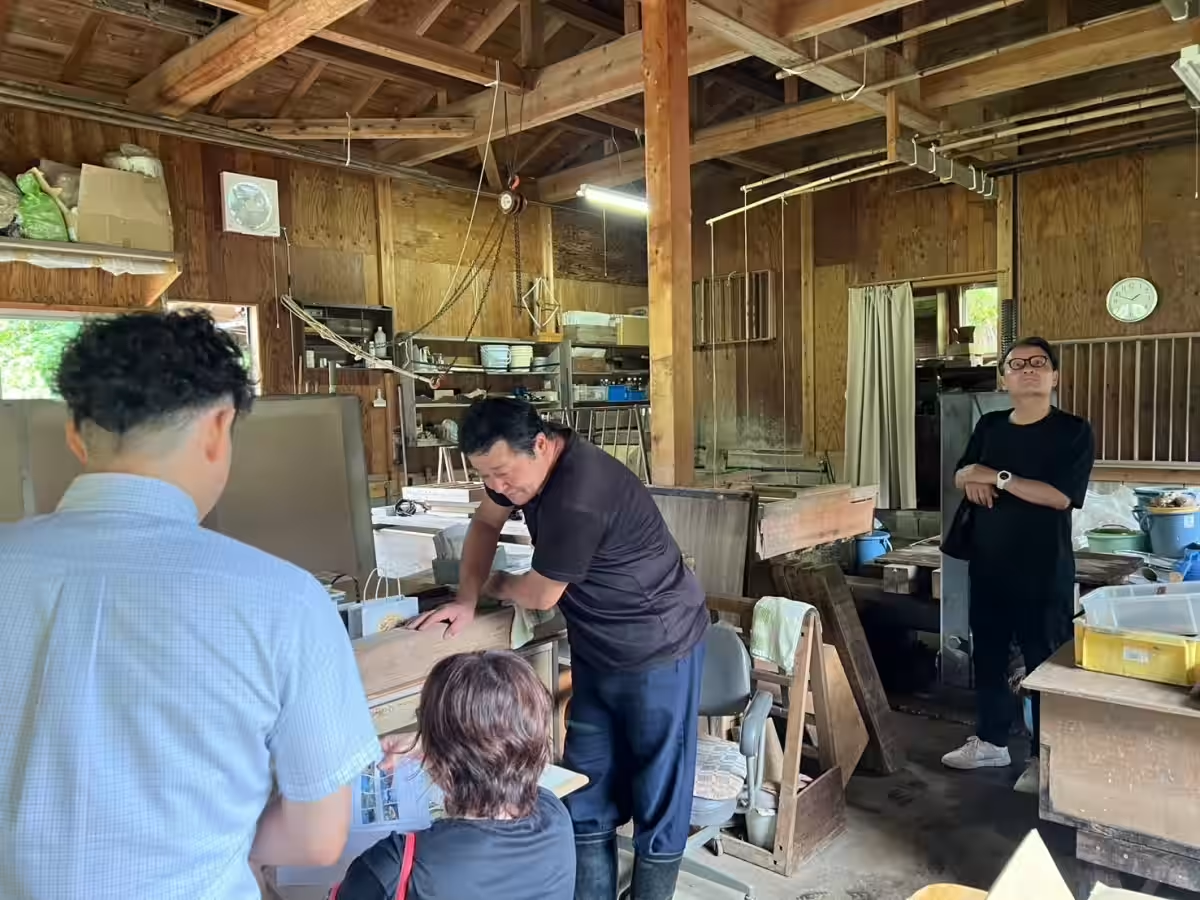
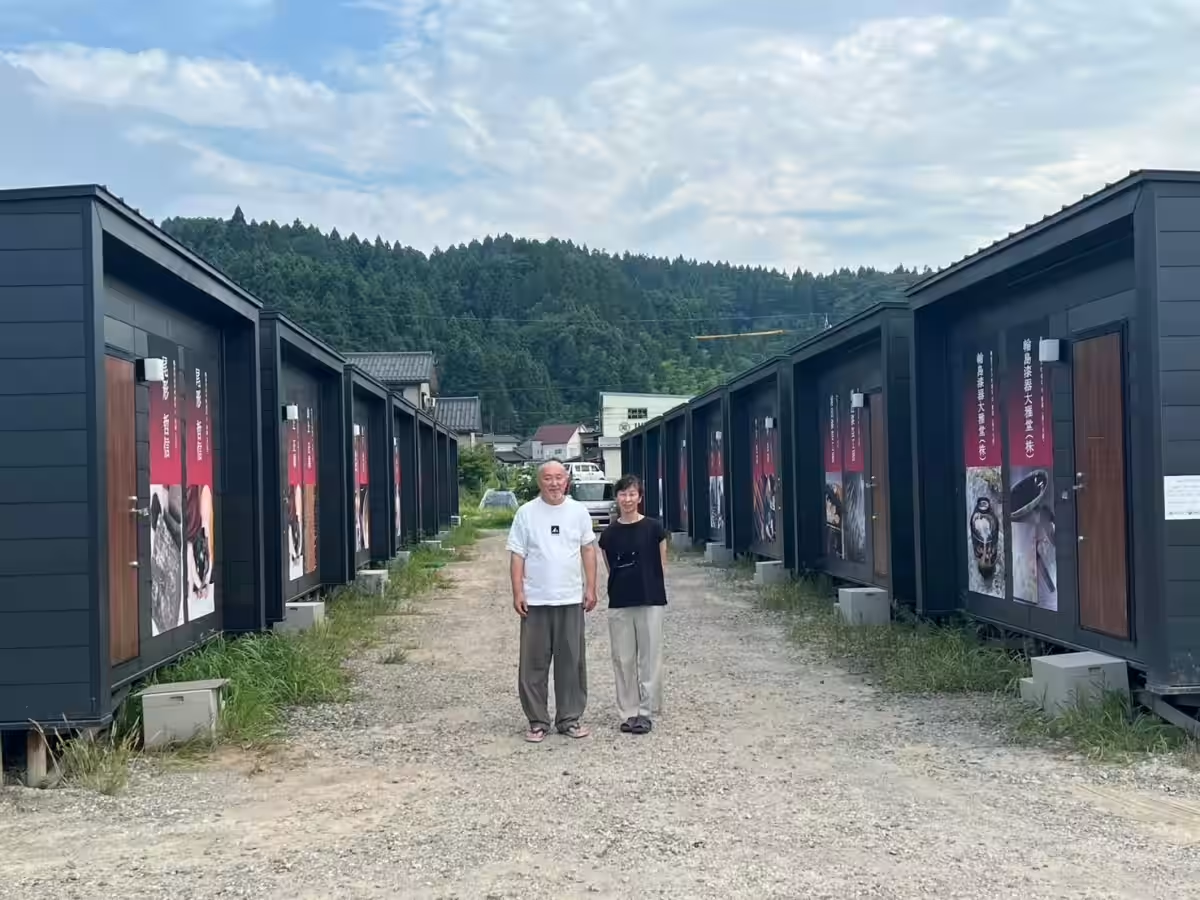
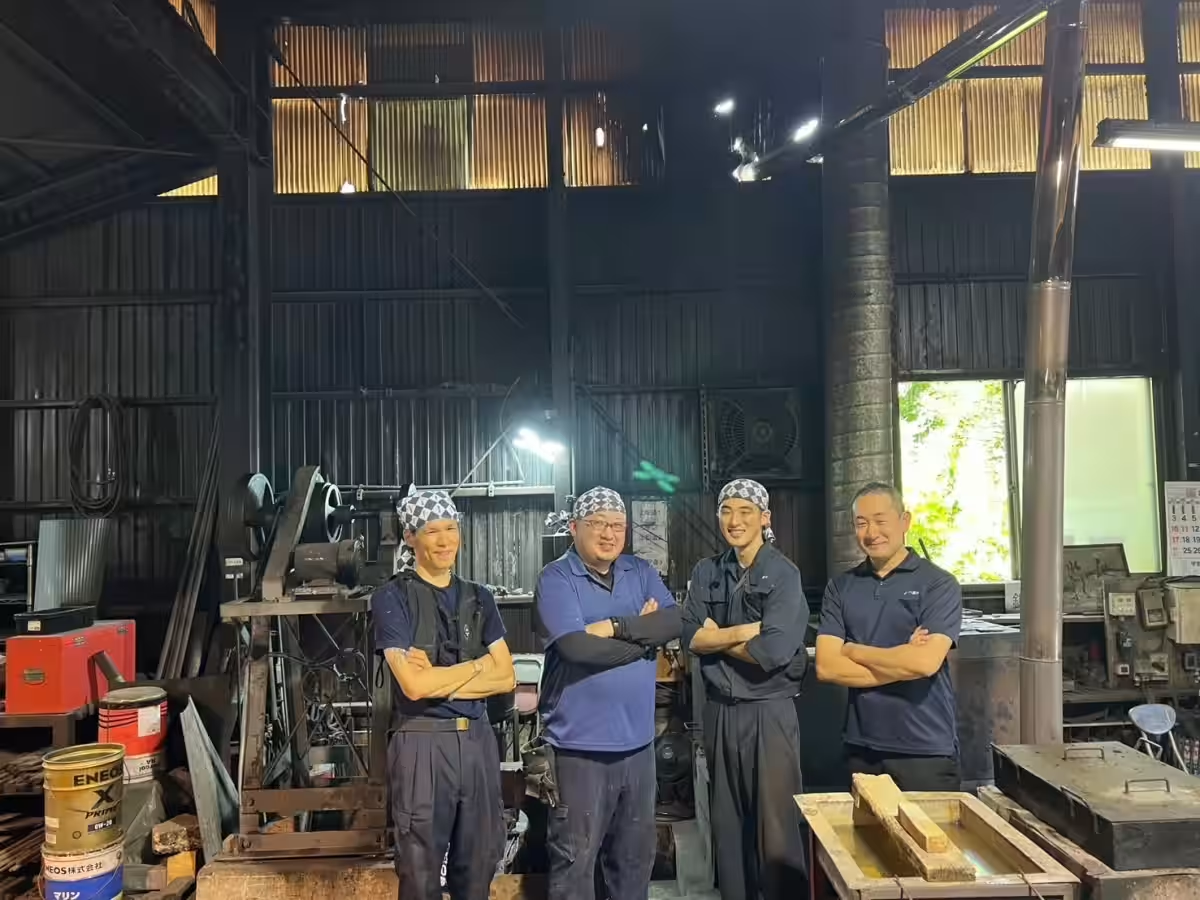
This initiative began with early site visits to local artisan workshops, culminating in a collective showcase of the region's legacy.
7. Historical Context
Last year, the Ishikawa booth's dedication to recovery was showcased in news media, fostering awareness of its significance and the impact of local craftsmanship.
8. Seminar Announcement
On September 3, 2025, Takemura will host a seminar titled 'Techniques for Attracting Visitors to Exhibition Booths.' This session will focus on how to adapt design strategies in a high-pressure, short timeframe, emphasizing the applicability of these techniques across various commercial spaces.
Conclusion
Replicating the formula of the Ishikawa booth may seem straightforward, yet it embodies a strategy-driven simplicity that is complex in its effectiveness. As a critical hub of the 'Penguin Village,' the Ishikawa booth promises an experience that is far more than a typical exhibition strategic setup.
Direct engagement with the exhibitors is available at the event, and inquiries for further media coverage are welcome.

Topics Consumer Products & Retail)
【About Using Articles】
You can freely use the title and article content by linking to the page where the article is posted.
※ Images cannot be used.
【About Links】
Links are free to use.