


Important Safety Alerts for Residential Solar Power Systems Amidst Natural Disasters
Important Safety Alerts for Residential Solar Power Systems Amidst Natural Disasters
The independent administrative organization, NITE (National Institute of Technology and Evaluation), led by Chairman Fumihiko Hasegawa, has issued warnings regarding the potential accidents caused by residential solar power systems that include solar panels and associated equipment. As we mark Disaster Prevention Day on September 1, it is vital to remind homeowners of the safety measures necessary to avoid accidents. Natural disasters such as typhoons and earthquakes pose significant risks to solar power systems, especially if they lead to secondary hazards like electrical shocks due to damaged panels or cables.
Rising Risks During Typhoon Season
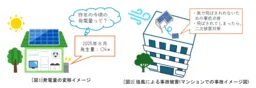
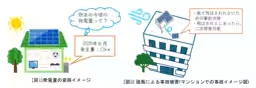
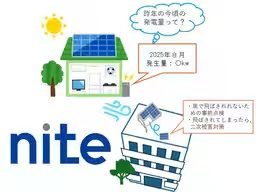
September marks the peak of the typhoon season in Japan, where fierce winds can displace solar panels, leading to potential fire accidents if any malfunctioning equipment is left unchecked. Homeowners are strongly encouraged to inspect their solar equipment before and after typhoons to ensure they are functioning correctly. By comparing current energy production with the same period from the previous year, abnormalities may be detected, allowing owners to address issues before they escalate into accidents.
Government Initiatives for Renewable Energy
The Japanese government has been actively promoting renewable energy as a primary energy source, with initiatives aimed at achieving a carbon-neutral society. As of April this year, new regulations in Tokyo mandate the installation of solar power systems in newly built homes and condominiums. This move aims to increase the adoption of solar technology among residents.
Regulatory Compliance
Even for solar power systems with a capacity of less than 10kW installed at residences, compliance with technical standards, as mandated by the Electricity Business Act, is crucial. This legal requirement ensures that systems adhere to safety protocols during installation.
Daily Safety Checks
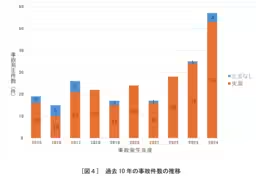
The risks of accidents involving solar power systems have been increasing over recent years, with NITE reporting over 260 incidents related to these installations from 2015 to 2024, with around 90% being fire-related. Regular checks of the power generation monitor can alert owners to abnormalities, and immediate consultation with professionals is advised when discrepancies are observed.
Safety Checkpoints for Homeowners
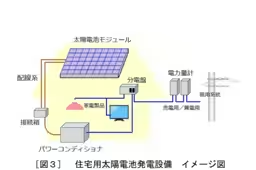
1. Solar Panels: Regularly monitor the energy output and compare it with past data. Significant decreases might indicate damage or malfunction.
2. Power Conditioning Units: Ensure these units are protected from moisture, dust, and potential pests. Regular visual inspections for unusual sounds or smells are advisable.
3. Routine Maintenance: It is recommended that solar power systems undergo formal inspections every four years to ensure continued safety. Consult with specialists for appropriate testing.
4. Lifespan Awareness: Be aware of the expected useful life of solar panels (over 20 years) and power conditioning units (10–15 years) to prevent accidents from aging equipment.
5. If Damage Occurs: Do not approach damaged solar equipment; instead, contact licensed professionals to manage repairs, ensuring the area is safely cordoned off to prevent injuries.
6. Emergency Preparedness: Familiarize yourself with your suppliers and contractors to ensure swift communication in the event of accidents.
7. New Installations: Ensure that any new systems comply with the relevant technical standards and regulations to avoid potential legal issues.
Conclusion
As we recognize Disaster Prevention Day, we must reiterate the importance of proper maintenance and safety measures for residential solar power systems. With the growing trend towards renewable energy in Japan, these precautions are vital to ensuring not only the longevity of the equipment but also the safety of households against the backdrop of increasingly severe weather conditions. By adhering to these guidelines, homeowners can significantly mitigate risks related to solar power systems.
For further assistance, the NITE website offers a specialized web tool, NITE SAFE-Lite, where consumers can search for product-specific incidents and recalls related to their solar equipment.

Topics Consumer Products & Retail)


【About Using Articles】
You can freely use the title and article content by linking to the page where the article is posted.
※ Images cannot be used.
【About Links】
Links are free to use.