



Exploring the Current State of IT Subsidy Utilization Among SMEs in Japan
Exploring the Current State of IT Subsidy Utilization Among SMEs in Japan
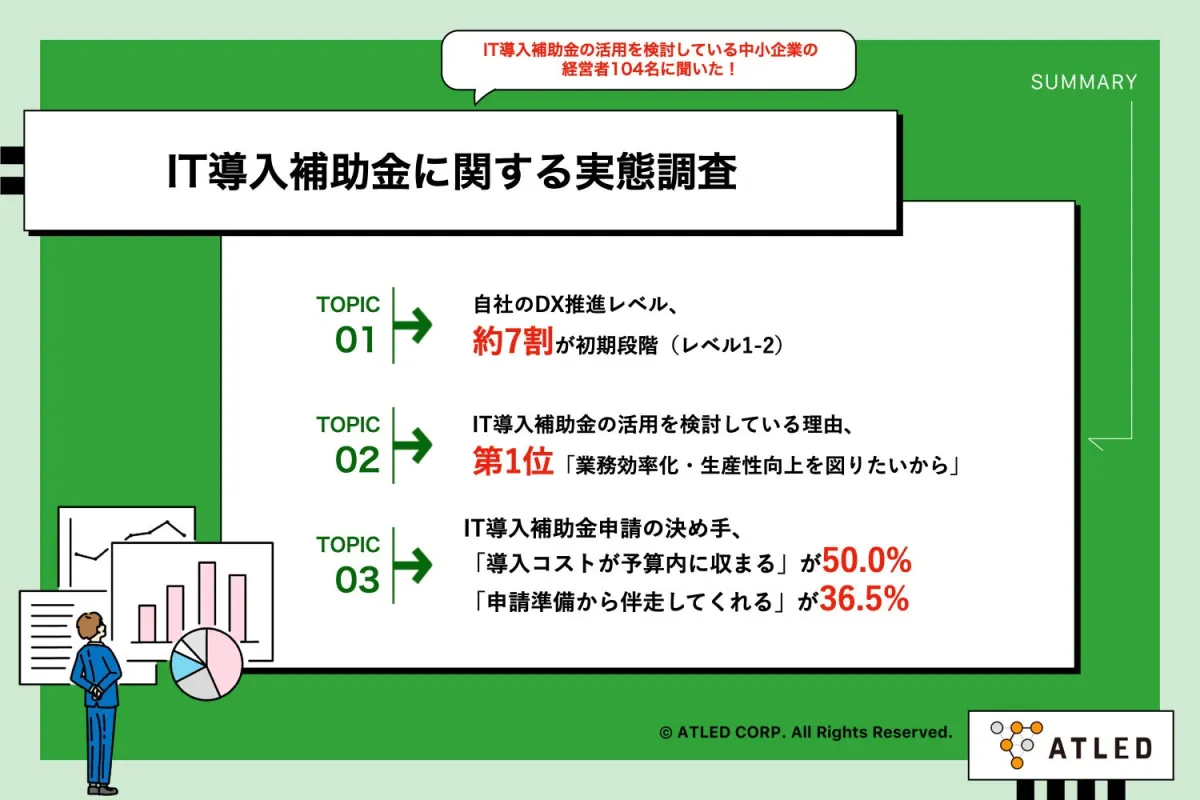
Recently, a major survey conducted by Eightred Inc., a leading company in workflow systems based in Shibuya, Tokyo, examined how small and medium-sized enterprises (SMEs) in Japan are leveraging IT subsidies to enhance their digital transformation (DX) efforts. The survey involved 104 SME executives and provided revealing insights into their current digital state and motivations for seeking IT support.
Current Levels of Digital Transformation
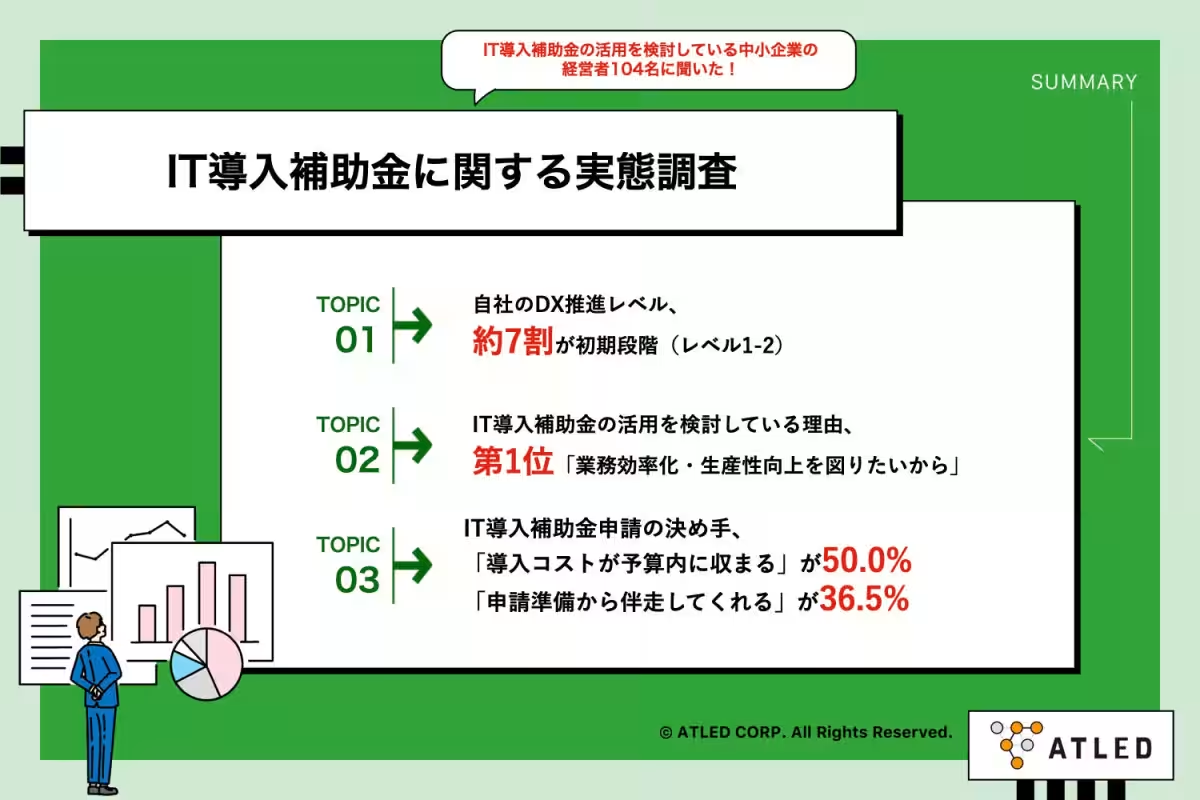
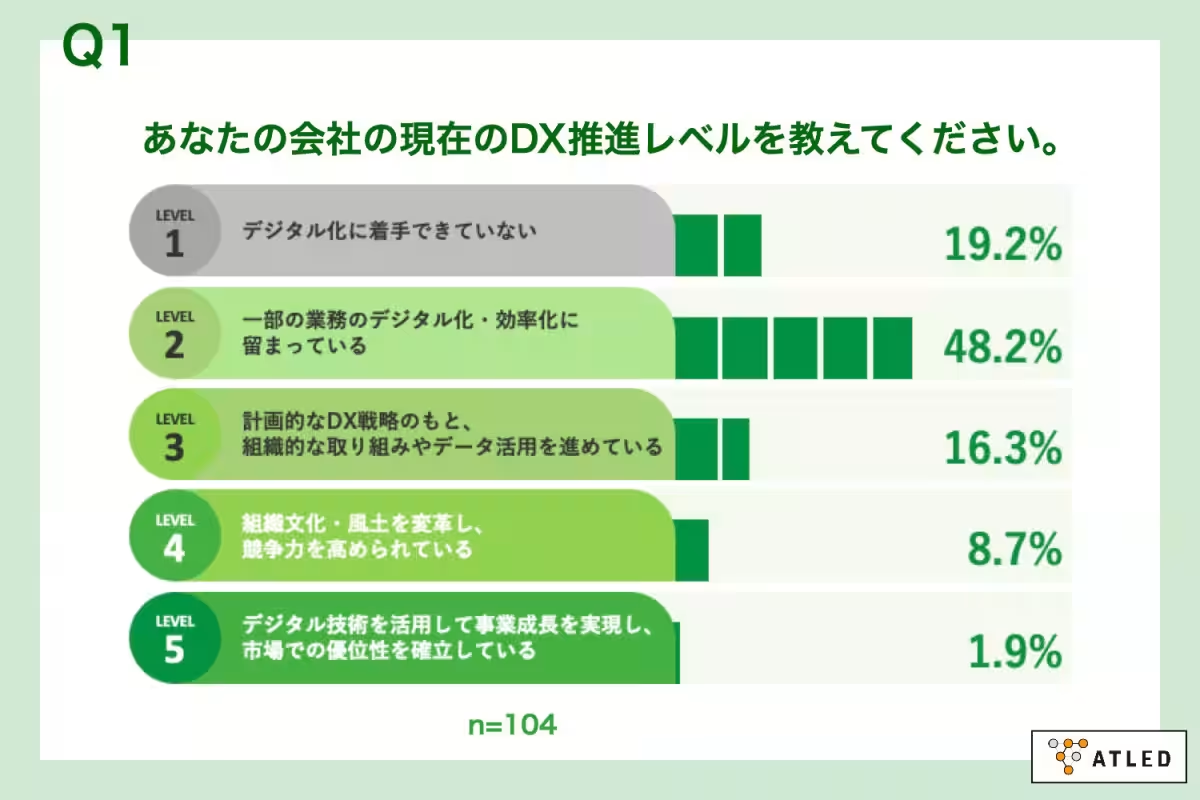
The data indicates that a significant 67.4% of participants are in the early stages of their DX journey, categorized as Level 1 or 2. Specifically, 19.2% reported being at Level 1, indicating they have yet to begin their digital initiatives. Meanwhile, 48.2% classified themselves at Level 2, meaning they have only partially digitized or optimized some of their business processes. A mere 16.3% are at Level 3 or above, where organizations actively employ data and strategies for comprehensive digital transformation.
This suggests that many SMEs are aware of the need for digital modernization but face challenges in implementation due to limited resources and knowledge.
Reasons for Considering IT Subsidies
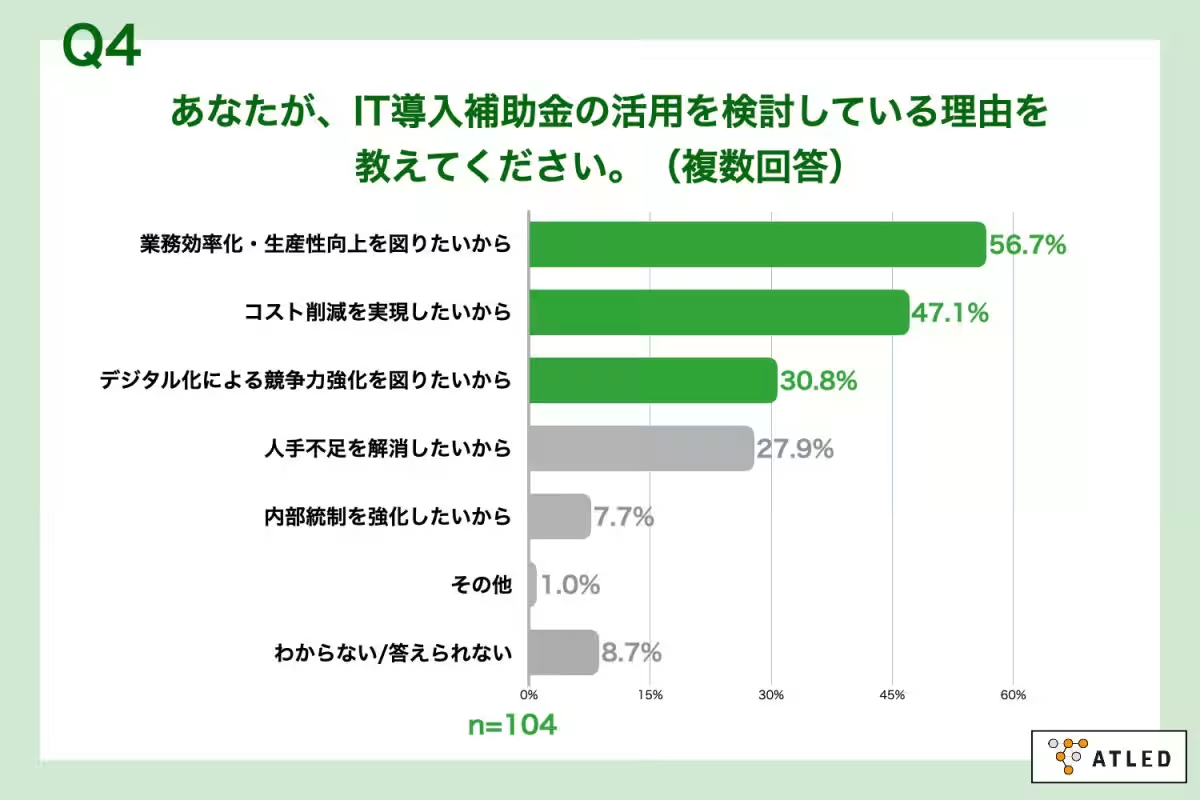
When asked why they are contemplating utilizing IT subsidies, a striking 56.7% stated their primary motivation is to improve operational efficiency and productivity. Other reasons included a desire for cost reduction (47.1%) and enhancing their competitive edge through digitalization (30.8%). This strong inclination toward improving these areas showcases the necessity for SMEs to adapt to a rapidly changing business environment.
Application Processes and Approaches
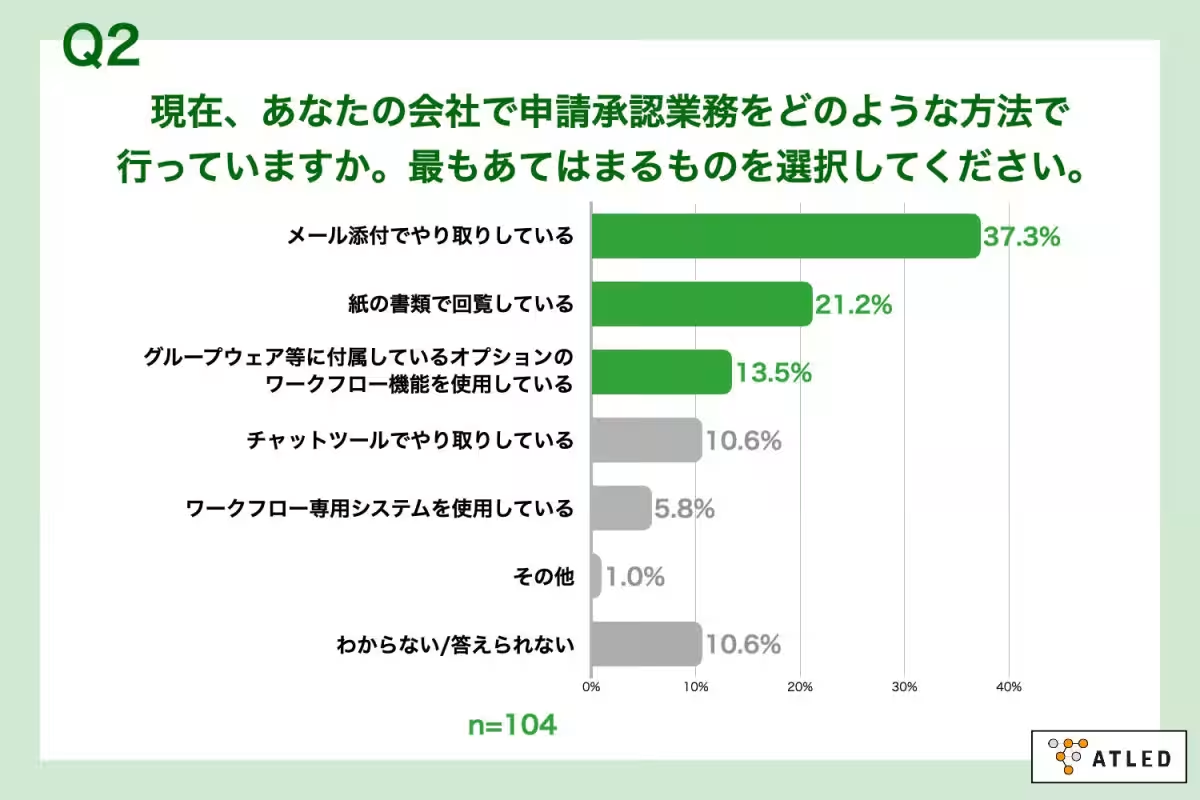
The survey shed light on how these companies manage their application approval processes. About 37.3% of respondents use email attachments for communications regarding applications, while 21.2% rely on traditional paper documents. This illustrates a dependency on older, less efficient methods amidst an ongoing digital transition.
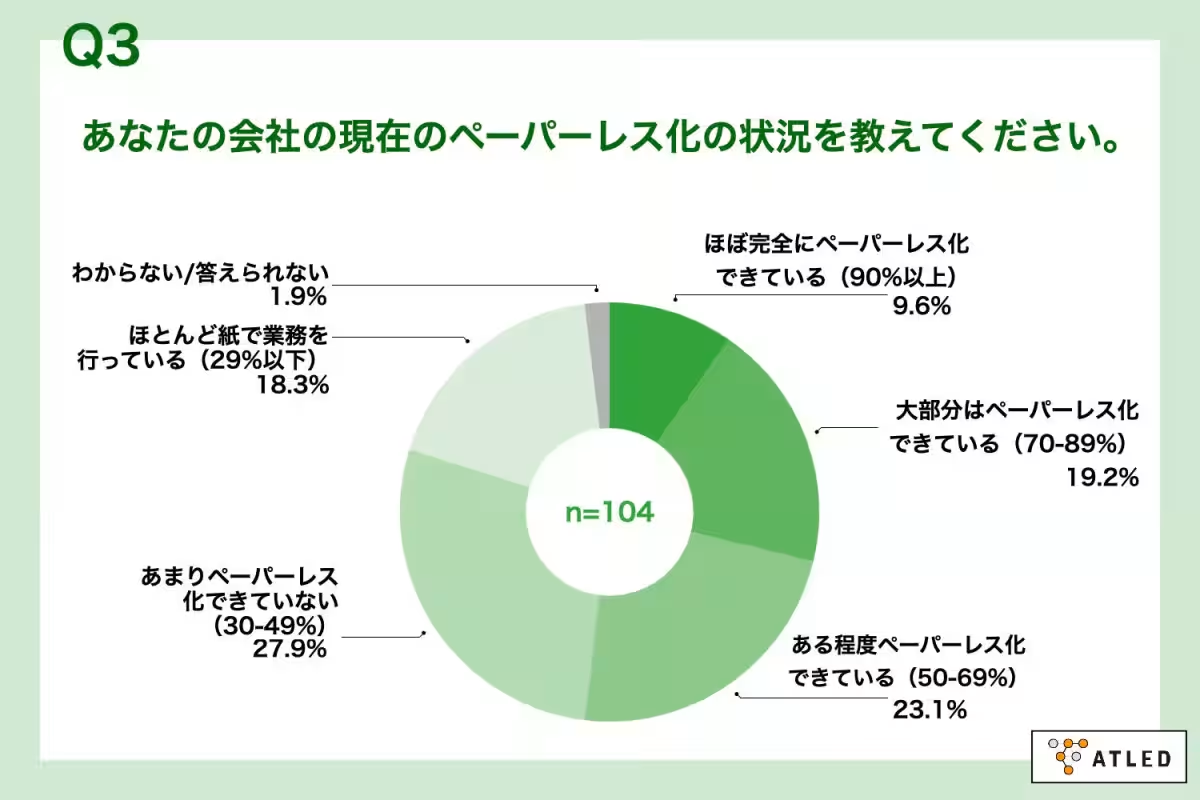
The transition towards a more paperless office was another focus of the survey. Surprisingly, nearly half of the companies reported that their paperless initiatives were below 50%, showcasing ample room for improvement in this area.
Expected Benefits from Workflow System Implementation
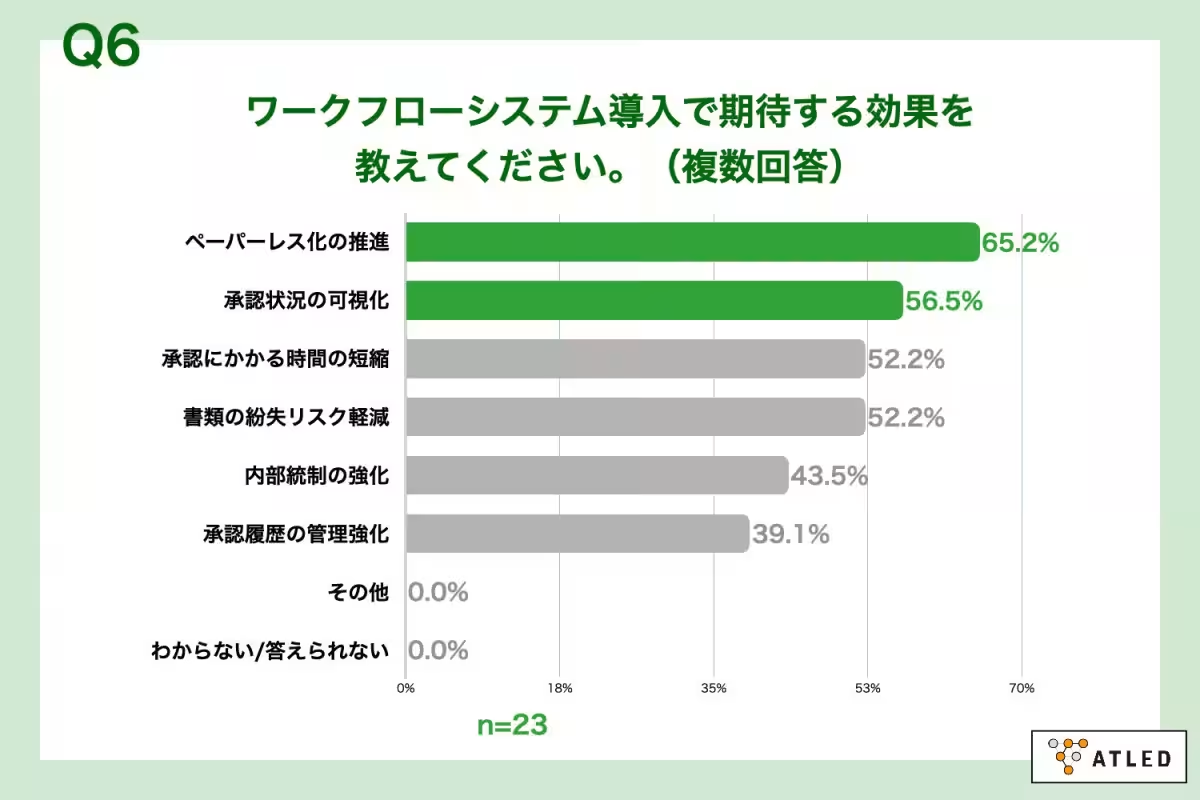
Among those planning to implement workflow systems using granted IT subsidies, 65.2% highlighted the goal of advancing their paperless initiatives as the most anticipated benefit. The ability to visualize approval statuses and shorten the duration of the approval process were also significant concerns, capturing the need for efficiency in operational workflows.
Furthermore, many respondents expressed the hope for enhanced knowledge sharing and improved evaluations from stakeholders as additional benefits of established workflow systems.
Concerns Regarding the Subsidy Application Process
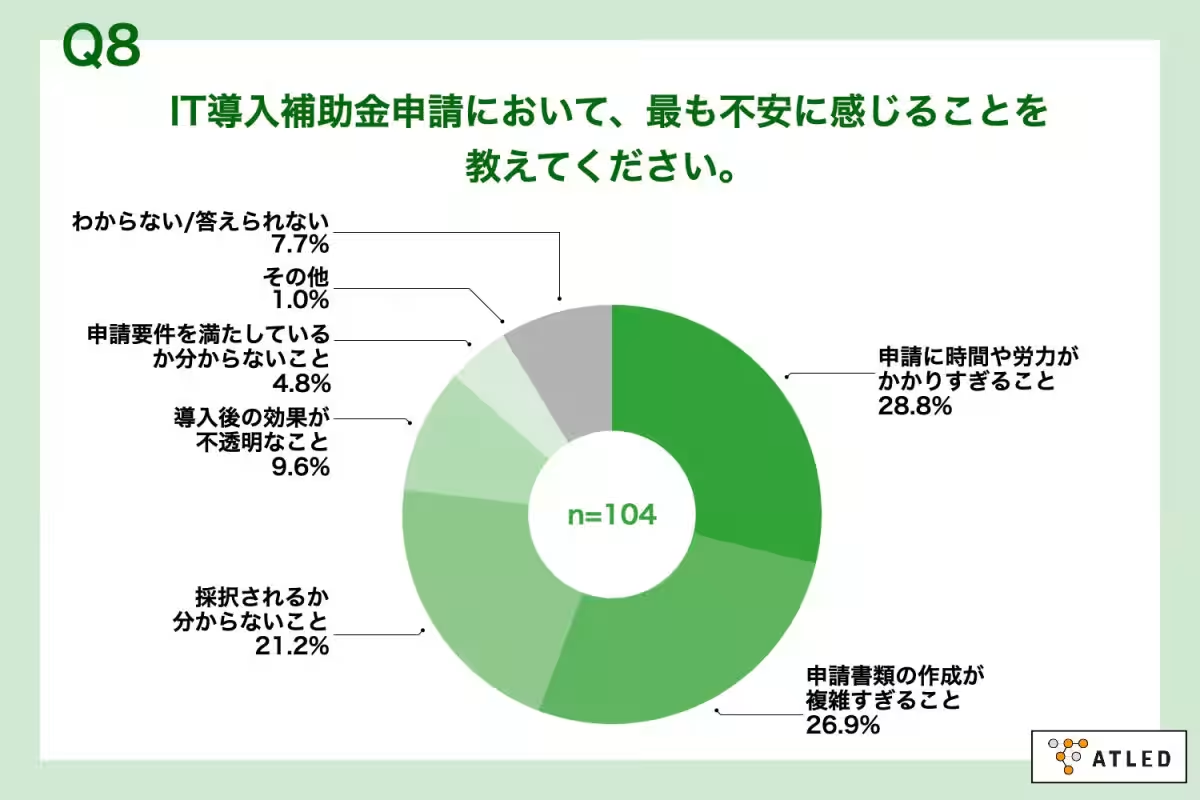
Despite the clear advantages presented, the grant application process itself poses challenges. Approximately 28.8% of participants voiced that their primary concern was the time and effort required for submissions, while 26.9% found the complexity of application forms daunting.
Key Factors in Decision-Making for Subsidy Applications
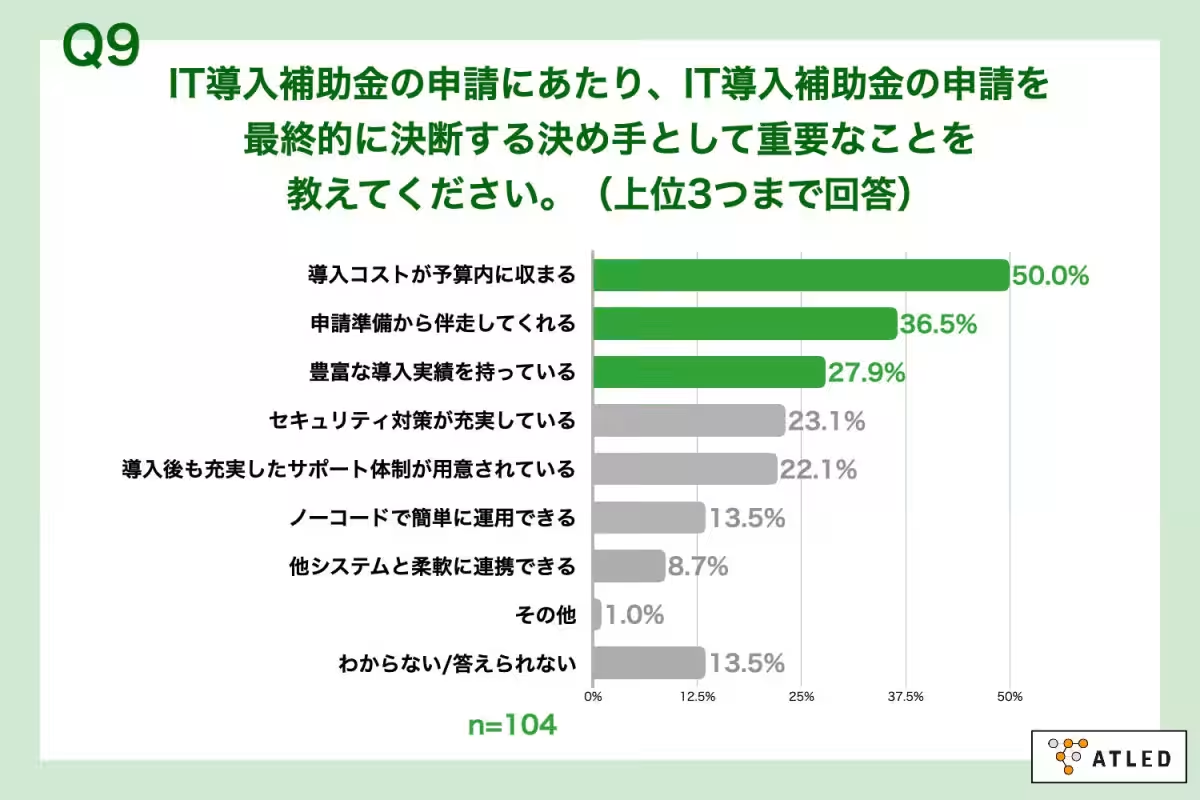
Notably, the decisive factor for applying for IT subsidies leaned heavily on financial considerations. About 50% of the businesses stated that staying within budget for implementation costs was crucial for making the final call on their applications. Additionally, 36.5% sought assistance from providers during the application process, signaling the importance of support throughout the grant journey.
Conclusion
The investigation into IT subsidy usage among SMEs in Japan illuminates the obstacles and ambitions these businesses face in embracing digital transformation. With nearly 70% of firms identifying themselves as being at a foundational level of DX, it highlights the pressing need for tools that can assist them in advancing their digital efforts. As businesses look to optimize their operations, IT subsidies present a valuable opportunity for improving efficiency and productivity. Companies willing to invest in their digital futures must navigate the application processes while choosing providers that offer robust support from preparation to implementation, setting the stage for a successful transition to a digital-centric operational framework.
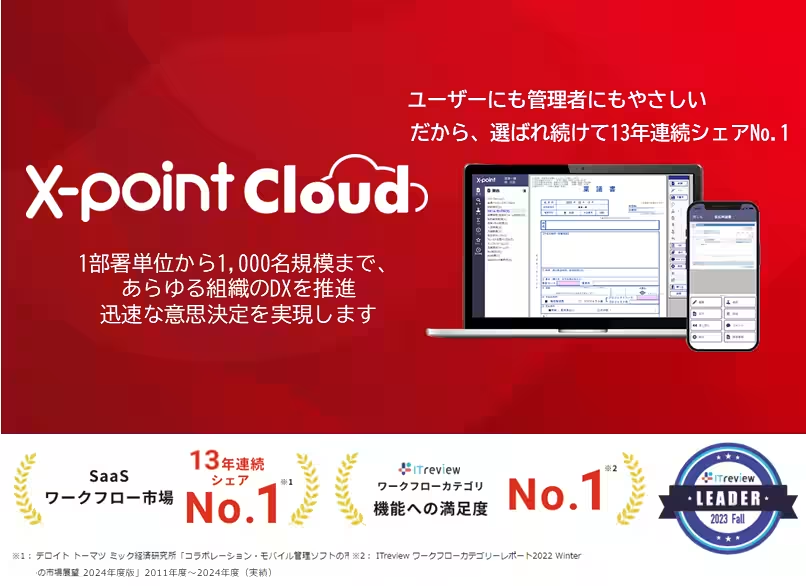
Eightred Inc. stands out as a pivotal player in this space, offering solutions like AgileWorks and X-point Cloud that facilitate the transition to paperless processes and digital management. By assisting SMEs in overcoming their initial hurdles, the company plays a crucial role in enabling a collective movement towards comprehensive digital transformation across Japan's business landscape.
About Eightred Inc.
Founded in 2007, Eightred Inc. has become a leader in the workflow system sector by providing solutions that enhance administrative efficiency within enterprises of all sizes. With a strong presence across public and private sectors, Eightred is dedicated to supporting organizations in their journey to digitalize and streamline their operations. For more information, please visit Eightred's Website.
Topics Business Technology)
【About Using Articles】
You can freely use the title and article content by linking to the page where the article is posted.
※ Images cannot be used.
【About Links】
Links are free to use.