



Survey Reveals Dwindling Interest in Battery Electric Vehicles Among Eco-Conscious Consumers
Survey Overview of Battery Electric Vehicle Interest in 2025
In a recent study conducted by KINTO, a Nagoya-based company, a survey was carried out involving 555 eco-conscious vehicle owners to assess their interest in Battery Electric Vehicles (BEVs). The survey aimed to provide insights into consumer attitudes towards electric cars in light of economic pressures and environmental concerns.
Key Survey Findings
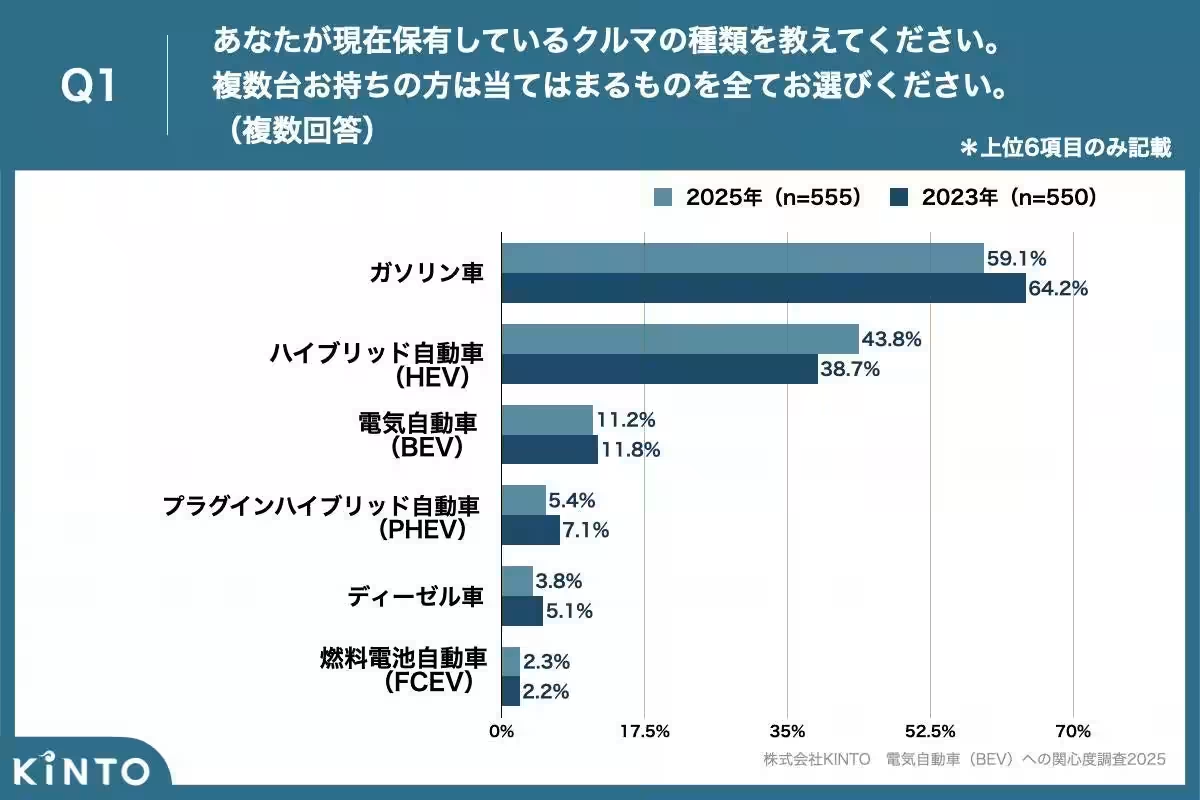
1. BEV Ownership Rates: Among participants, the ownership rate of BEVs stood at 11.2%, a slight decrease from 11.8% in 2023.
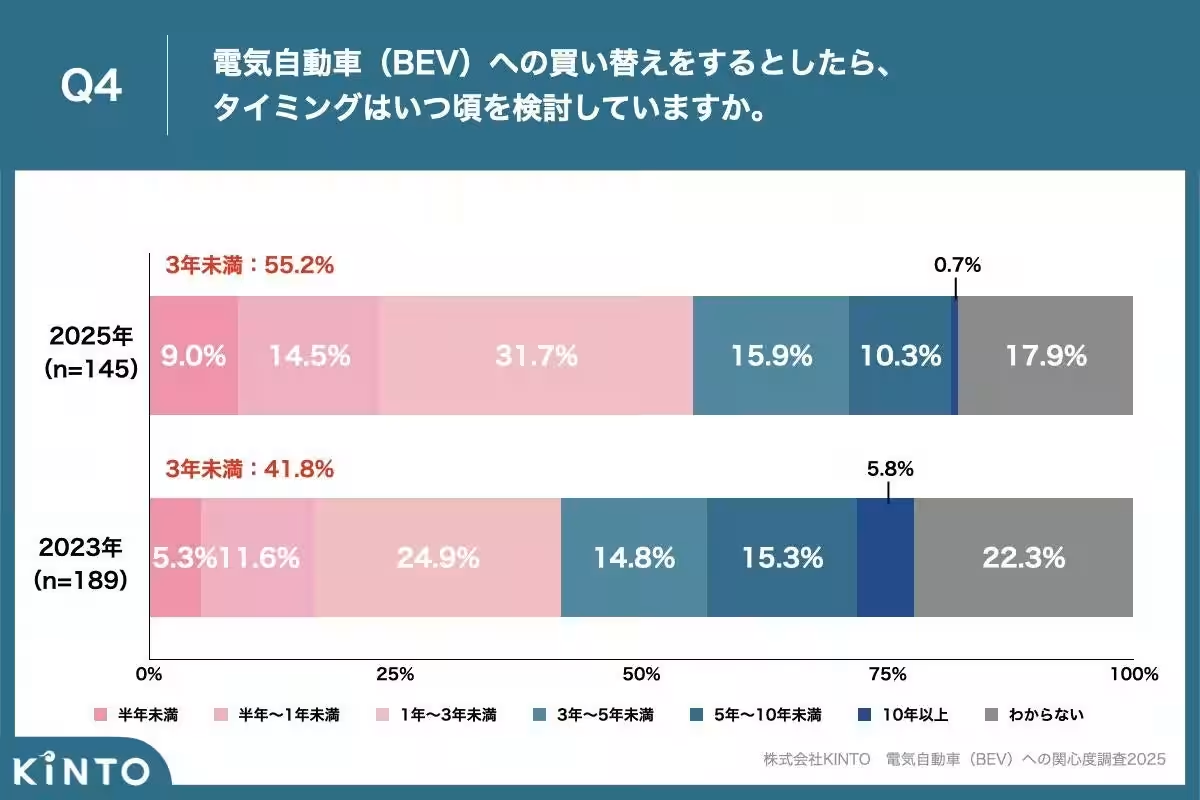
2. Intention to Purchase BEVs: The percentage of individuals considering a switch to BEVs fell to 26.1%, marking an 8.3-point decline from 34.4% the previous year.
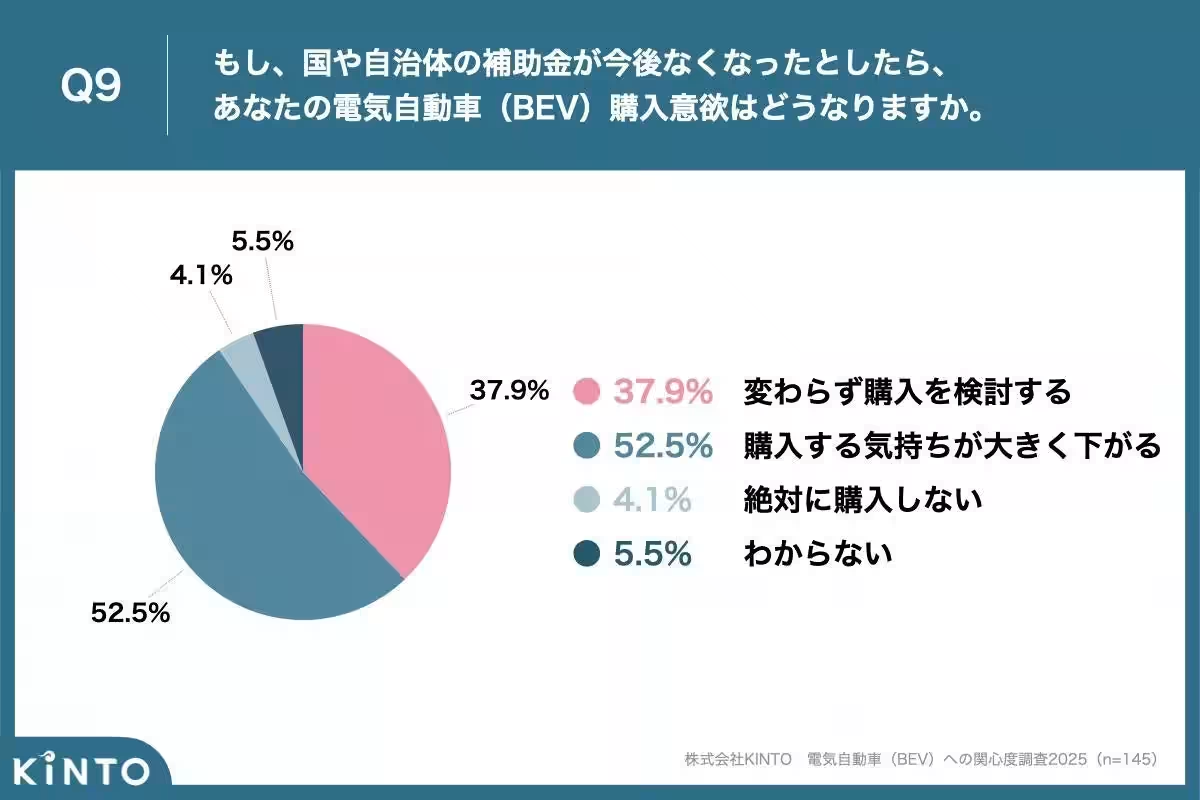
3. Impact of Subsidies: A significant 56.6% of respondents indicated that the absence of subsidies would greatly diminish their willingness to purchase an electric vehicle, with many asserting they would not consider buying one at all.
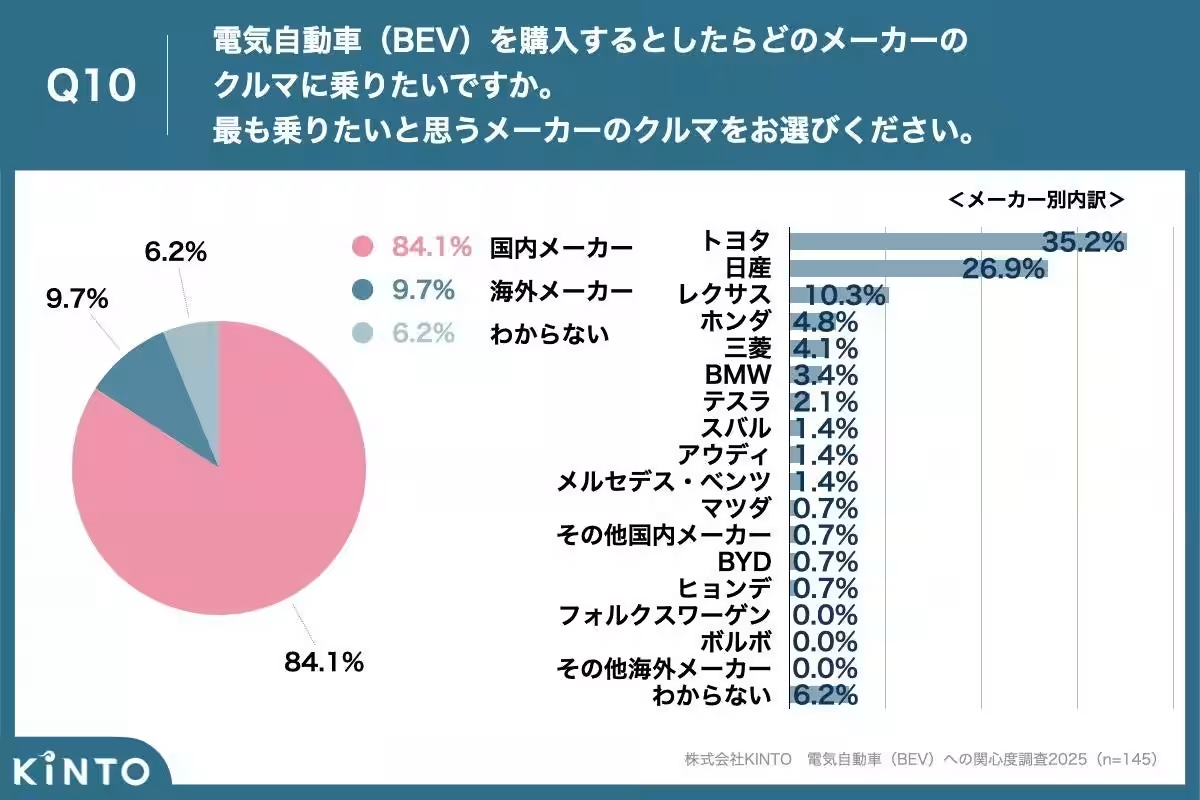
4. Preference for Domestic Brands: A striking 84.1% of consumers expressed a preference for domestic manufacturers, with Toyota being the most desired brand.
Detailed Insights
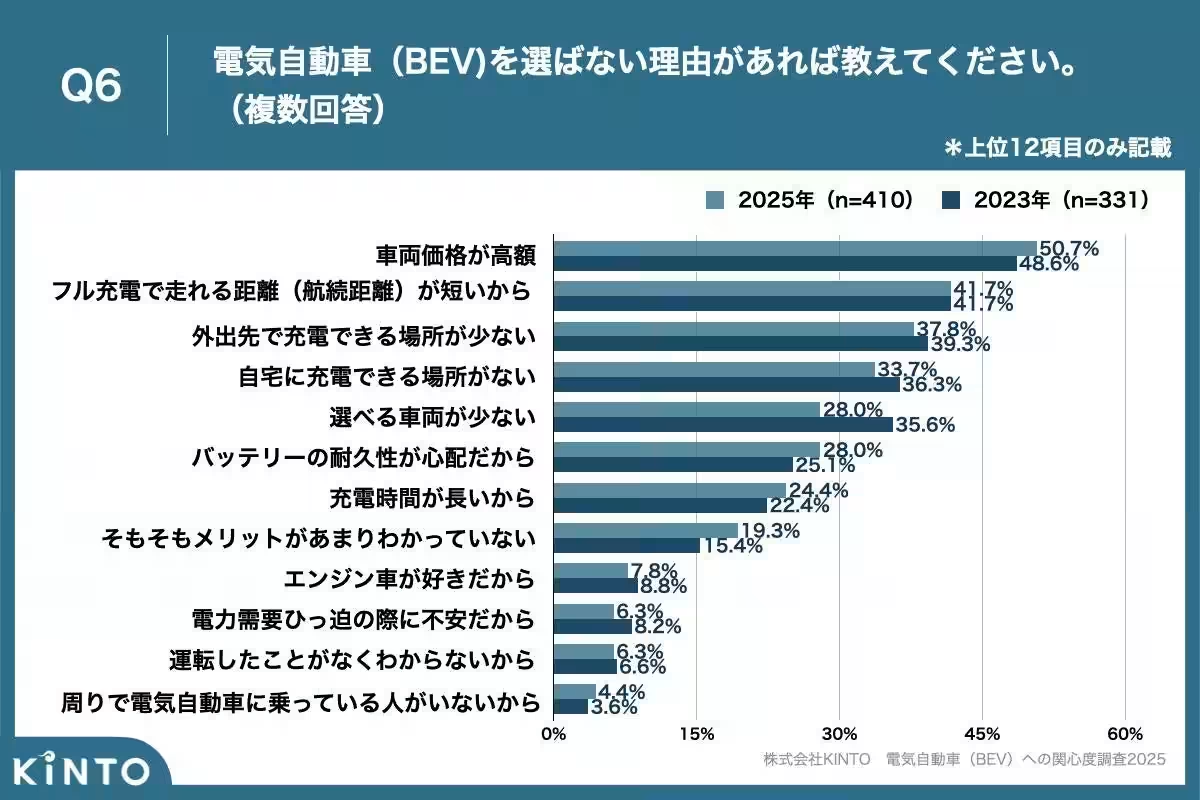
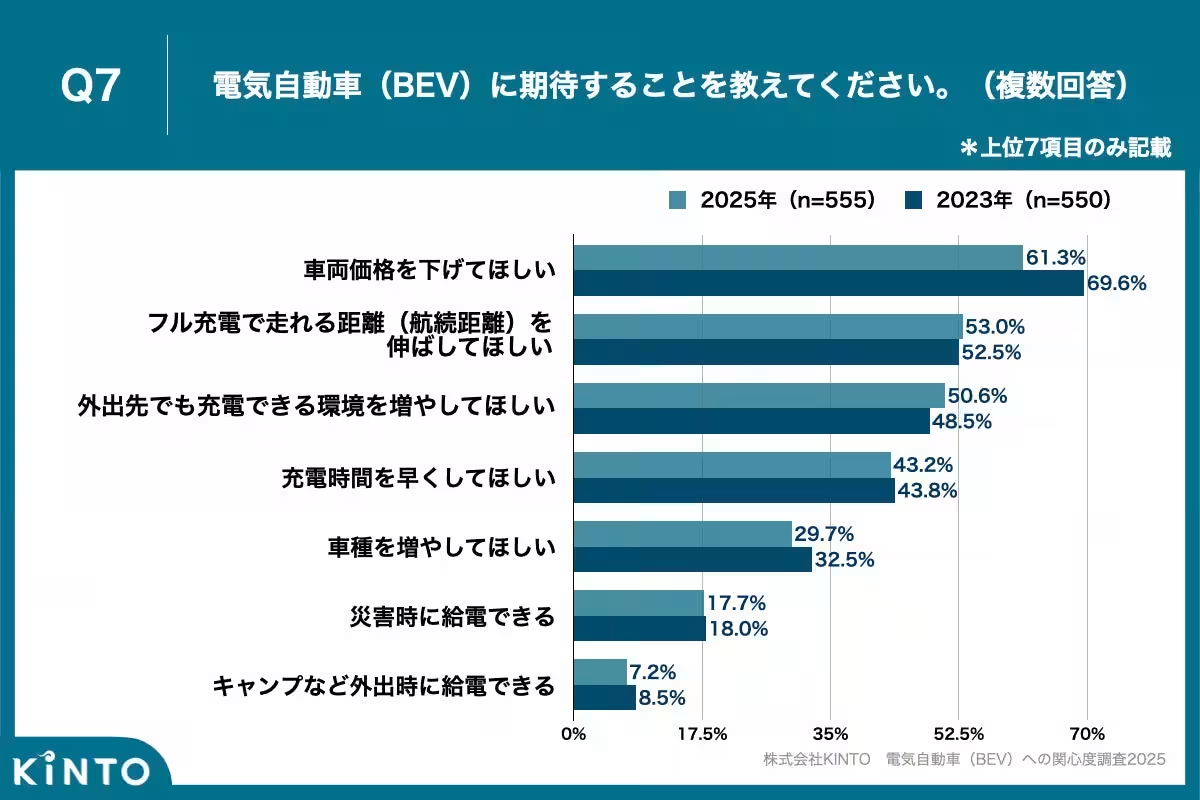
The survey revealed various factors influencing consumer decisions regarding BEVs. Despite a steady ownership rate, the drop in interest can be attributed to rising vehicle costs. More than half (50.7%) of respondents cited high vehicle prices as a primary reason for not choosing BEVs. Additionally, 61.3% expressed that they wish for lower vehicle prices, signaling growing affordability concerns amidst current inflationary pressures.
Moreover, the study highlighted that subsidies play a crucial role in purchasing decisions. The majority of respondents (56.6%) voiced that they would reconsider their interest in buying BEVs without government support, demonstrating how external financial aids are vital in facilitating electric vehicle adoption.
Consumer Preferences and Expectations
When evaluating consumer preferences for future vehicle purchases, 56.6% lean towards hybrid vehicles (HEVs), while 48.3% favor traditional gasoline cars. Notably, 26.1% of respondents are still contemplating BEVs, albeit a significant decrease from previous years. Reasons for preferring BEVs included lower running costs (46.9%), environmental benefits (44.8%), and alignment with global trends (42.8%).
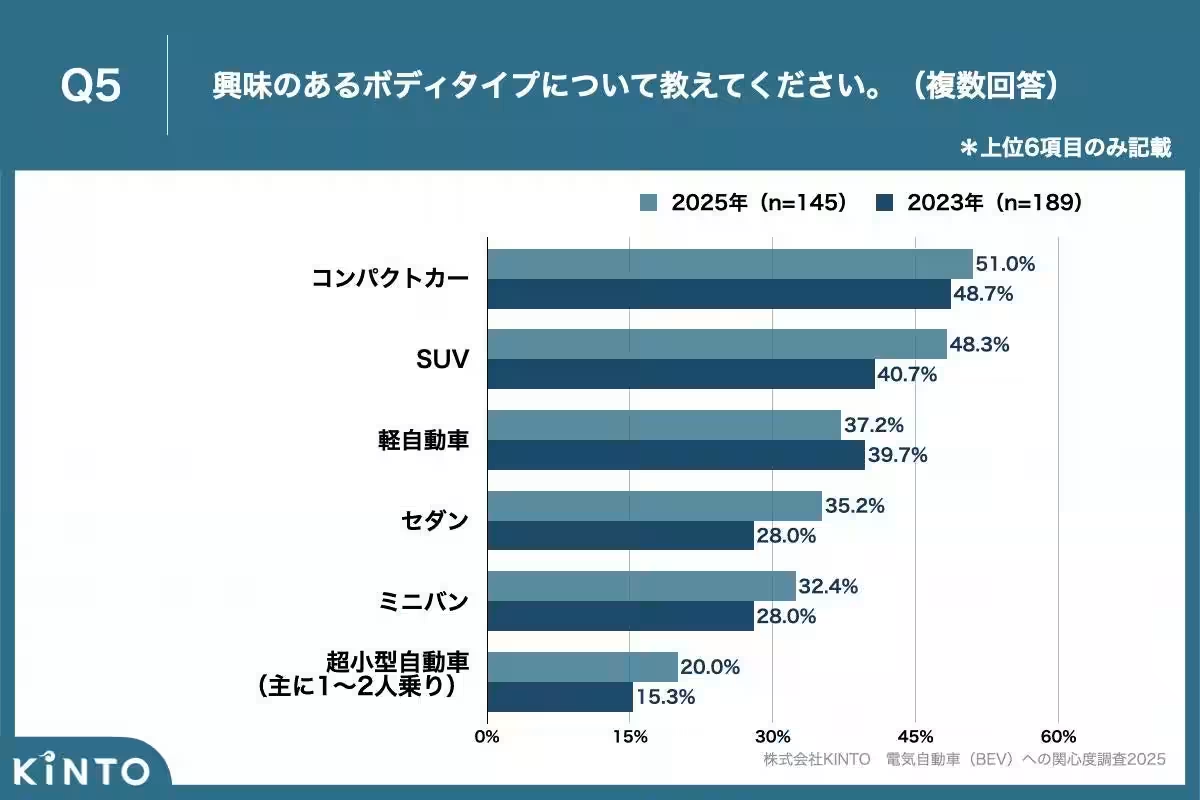
In terms of vehicle body types, compact cars lead preferences (51.0%), followed closely by SUVs (48.3%). However, concerns about battery life range (41.7%) and insufficient charging infrastructure (37.8%) present further barriers to BEV adoption. Participants emphasized the need for enhanced charging facilities, with 50.6% expressing the desire for more accessible charging options during outings.
Trust in Domestic Manufacturers
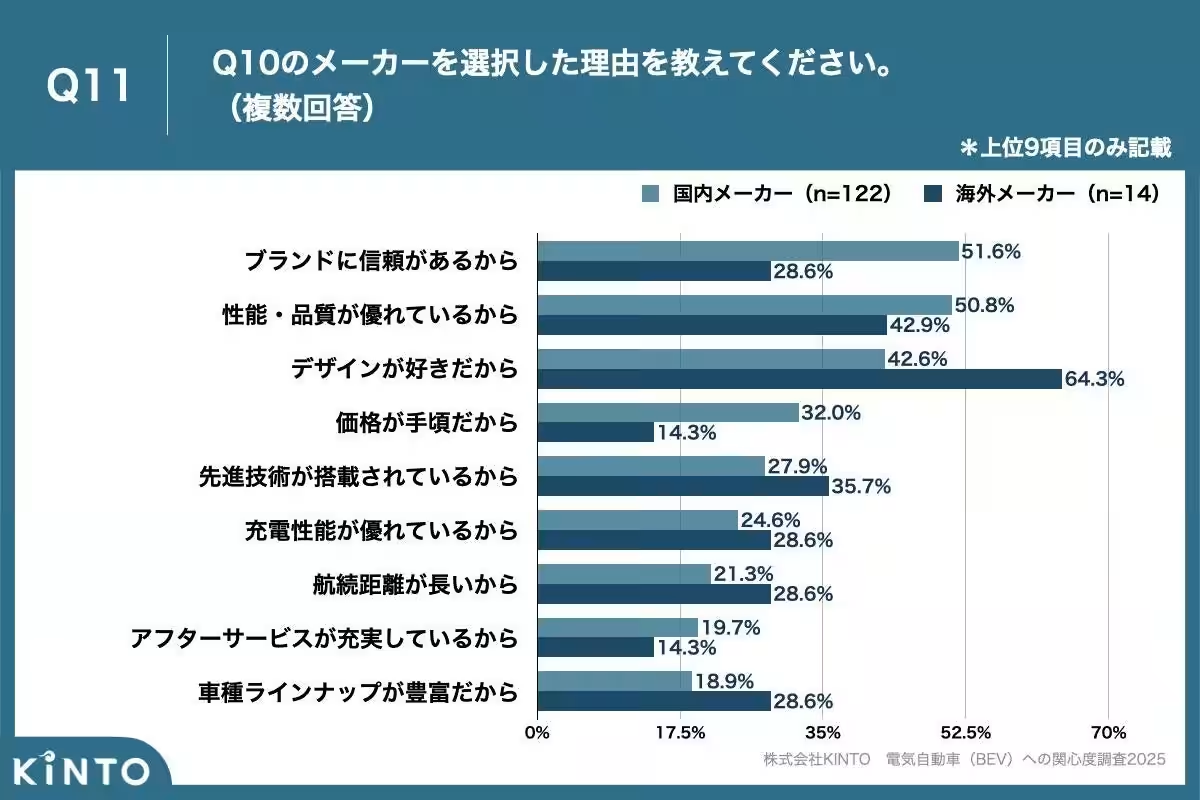
Examining brand trust, a notable 51.6% of participants selecting domestic manufacturers credited their choice to brand reliability. By contrast, the appeal of foreign brands lay primarily in their design aesthetics. This suggests that as the electric vehicle market evolves, consumers prioritize trust and familiarity when considering their options.
Conclusion
Despite a global increase in BEV sales, Japan remains in the early stages of electric vehicle market expansion. Economic factors, such as high vehicle costs and dependency on subsidies, continue to impede growth in consumer interest. The KINTO survey underscores the importance of addressing pricing and infrastructure concerns, alongside enhancing the credibility of domestic brands to promote a robust electric vehicle market in Japan. The intersection of consumer trust and improved access to electric cars may ultimately be key in facilitating broader adoption.
For further insights and information, please visit the official KINTO website: KINTO.




Topics Consumer Products & Retail)
【About Using Articles】
You can freely use the title and article content by linking to the page where the article is posted.
※ Images cannot be used.
【About Links】
Links are free to use.