



The Health Benefits of Ostrich Meat: A Promising Alternative Protein Source
The Health Benefits of Ostrich Meat: A Promising Alternative Protein Source
Yoshinoya Holdings, through its subsidiary SPEEDIA, has recently announced groundbreaking findings regarding ostrich meat, particularly focusing on its potential health benefits. With research indicating that ostrich meat could aid in reducing fatigue and preventing vascular aging, this study sheds light on its viability as a sustainable protein source.
SPEEDIA and Its Research Efforts
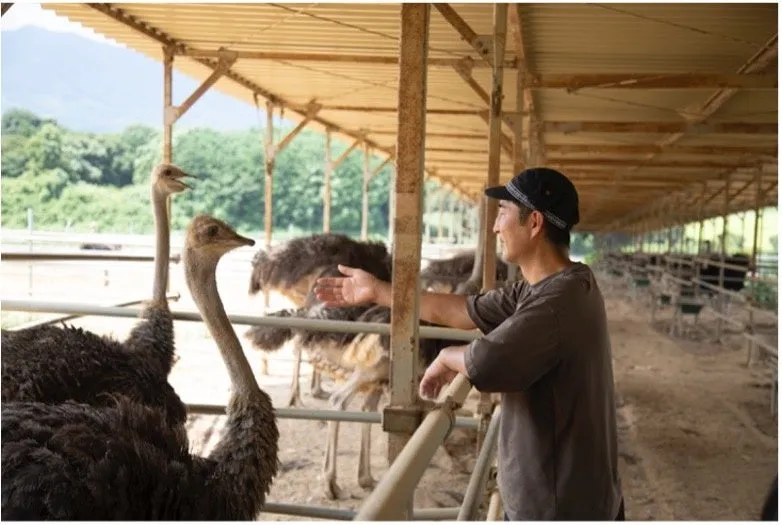
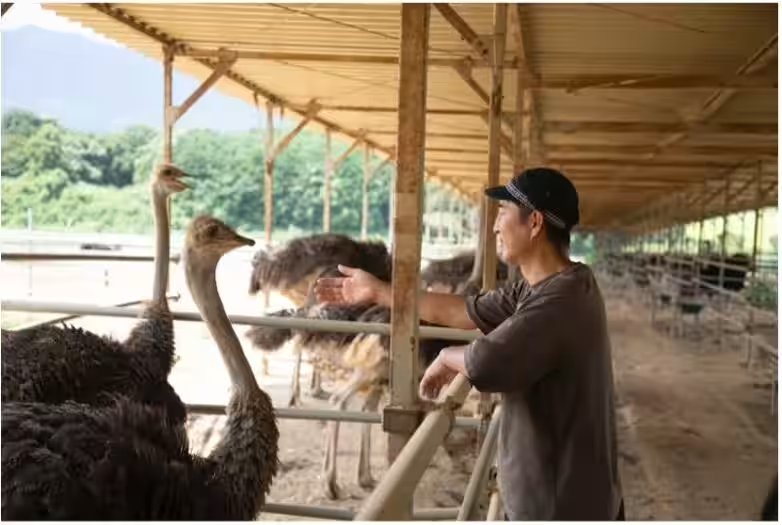
Founded as a 100% subsidiary of Yoshinoya Holdings in Tokyo, SPEEDIA is dedicated to the breeding, research, and development of ostrich-based products. Their expansive ostrich farm, located in Ibaraki Prefecture, houses around 500 ostriches, making it one of the largest in the country. The team at SPEEDIA has been actively involved in studying the health impacts of ostrich meat, with findings that suggest its benefits stem from multiple components within the meat.
Key Findings from the Research
The study details the effects of consuming ostrich meat (particularly ham and water-boiled varieties) over a period of seven days. Results indicated a significant increase in branched-chain amino acids (BCAAs), which are vital for muscle formation and fatigue recovery, as well as an amino acid derived from the anti-fatigue substance anserine.
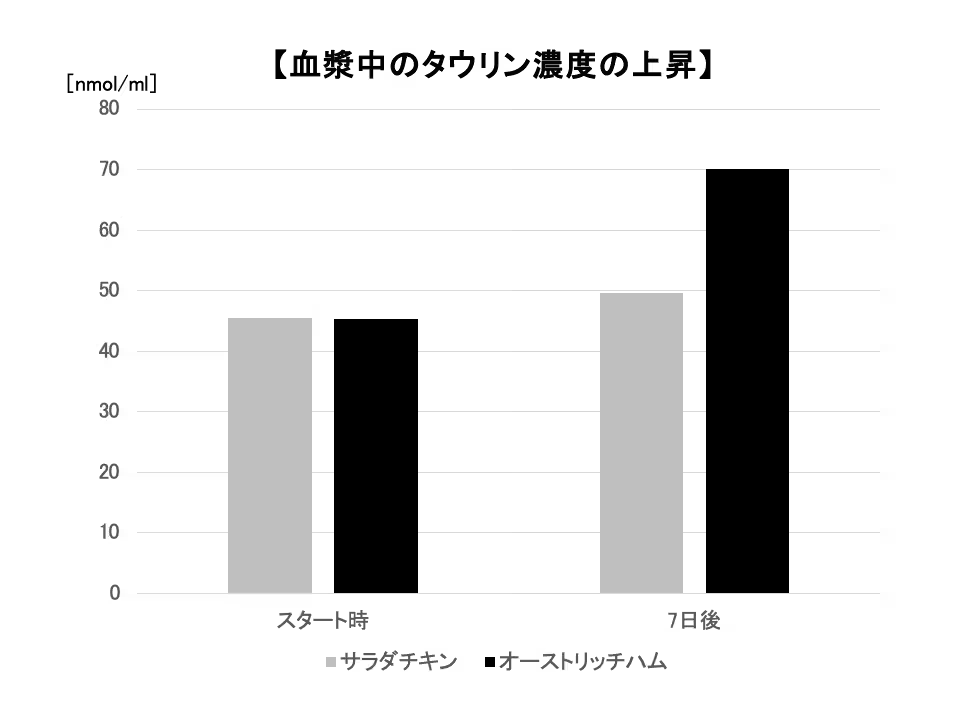
In comparative trials where participants consumed either ostrich ham or chicken salad for a week, while there was no significant difference in the total amino acids in the bloodstream, those consuming ostrich ham experienced a notable increase in taurine levels, which is associated with fatigue recovery.
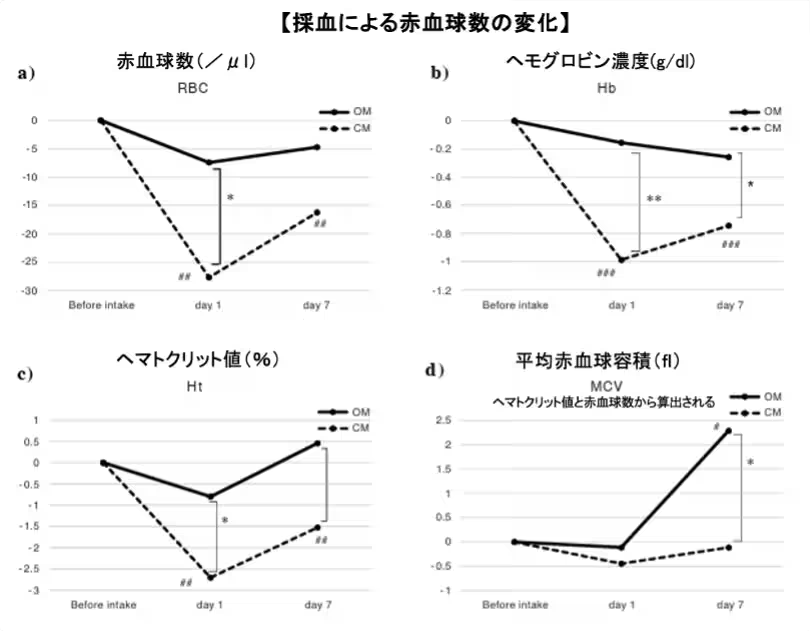
Furthermore, the analysis of blood samples indicated that the consumption of ostrich ham did not show significant adverse effects on the red blood cell profile, often a concern with blood sampling. Instead, it led to an increase in the average red blood cell volume, suggesting a positive contribution to maintaining healthy blood composition.
Vascular Health Insights
Further studies examined the fat-soluble fractions of ostrich meat using mouse assays, which demonstrated a significant reduction in vascular permeability factors (VEGF), indicating a potential protective effect against the leakage of blood vessels.
In in vitro tests utilizing vascular endothelial cells, the fat-soluble fractions exhibited enhancements in cell junctions and increased polymerization of actin, presenting a promising outlook for an improved vascular barrier function.
Collaborative Research and Future Directions
The implications of these results were presented at the 72nd Annual Meeting of the Japanese Society of Nutritional Improvement held at Tokyo University of Agriculture on September 14. Researchers from SPEEDIA, including Executive Fellow Tomoko Tsuji and Senior Researcher Yoshiko Kawaguchi, further explored the potential of ostrich meat extracts in improving capillary barrier functions at the Japanese Society of Lipid Nutrition held on September 19. The findings suggest that regular consumption of ostrich meat could help mitigate the decrease of capillaries associated with aging, therefore contributing to anti-aging effects.
SPEEDIA continues to investigate the usefulness of ostriches beyond meat and oil, exploring various parts such as bones, feathers, and skin for their beneficial properties. In collaboration with various researchers, the company aims to utilize every part of the ostrich effectively to promote health and wellness among people.
Conclusion
The emerging research on ostrich meat by SPEEDIA is opening new doors in the realm of alternative protein sources. With its potential advantages in reducing fatigue and enhancing vascular health, ostrich meat could very well become a prime choice in the diets of health-conscious consumers. As the discussion around sustainable food sources grows, the role of products like ostrich meat becomes increasingly relevant, highlighting the need for continuous study and innovation in this field.

Topics Consumer Products & Retail)
【About Using Articles】
You can freely use the title and article content by linking to the page where the article is posted.
※ Images cannot be used.
【About Links】
Links are free to use.