



Navigating ISO Certification: Strategies for Success and Sustainability in Business
Understanding ISO Certification and Its Importance
ISO certification has emerged as a pivotal focus for many companies aiming to enhance their operational credibility and improve business processes. NSS Smart Consulting, based in Shinjuku, Tokyo, conducted extensive research to understand the motivations behind ISO certification among corporate leaders and ISO managers. The findings illuminate both the benefits and challenges of maintaining these essential certifications.
The Significance of ISO Certification
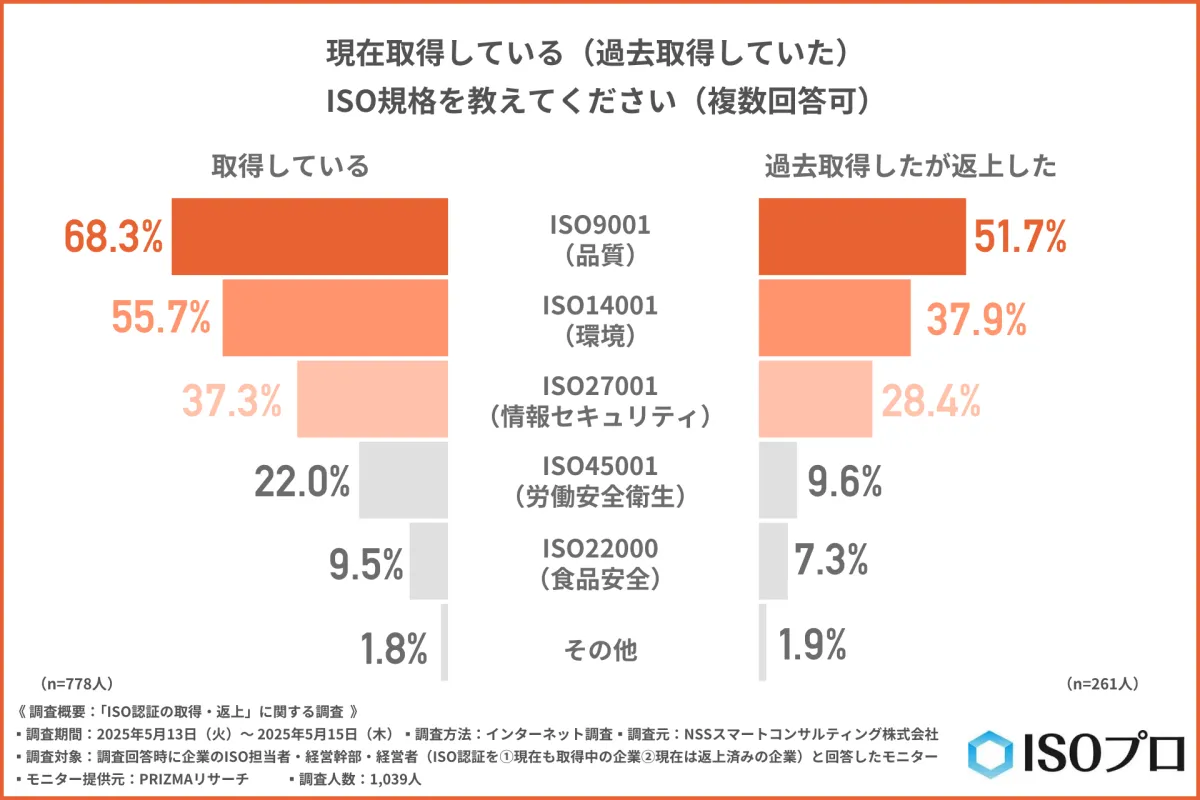
In recent years, many organizations have sought ISO certification to bolster their business credibility. Among these, ISO 9001, geared towards quality management, is the most prevalent, with 68.3% of surveyed organizations currently holding this certification. Following closely are ISO 14001 for environmental management (55.7%) and ISO 27001 for information security (37.3%). Such certifications are not merely bureaucratic stamps; they serve as testaments to a company’s commitment to excellence and continuous improvement.
Reasons for Obtaining ISO Certification
According to the survey, the primary motivations behind obtaining ISO certification include:
- - Enhancing corporate reliability (64.3%)
- - Requests from clients and business partners (42.9%)
- - Strengthening internal structures (39.0%)
These objectives indicate that ISO certifications are considered vital for fostering trust and complying with customer expectations. Furthermore, these certifications help organizations streamline their operations, subsequently contributing to improved service delivery and risk management.
The Benefits Realized from ISO Certification
Businesses that maintain their ISO certifications report a range of benefits:
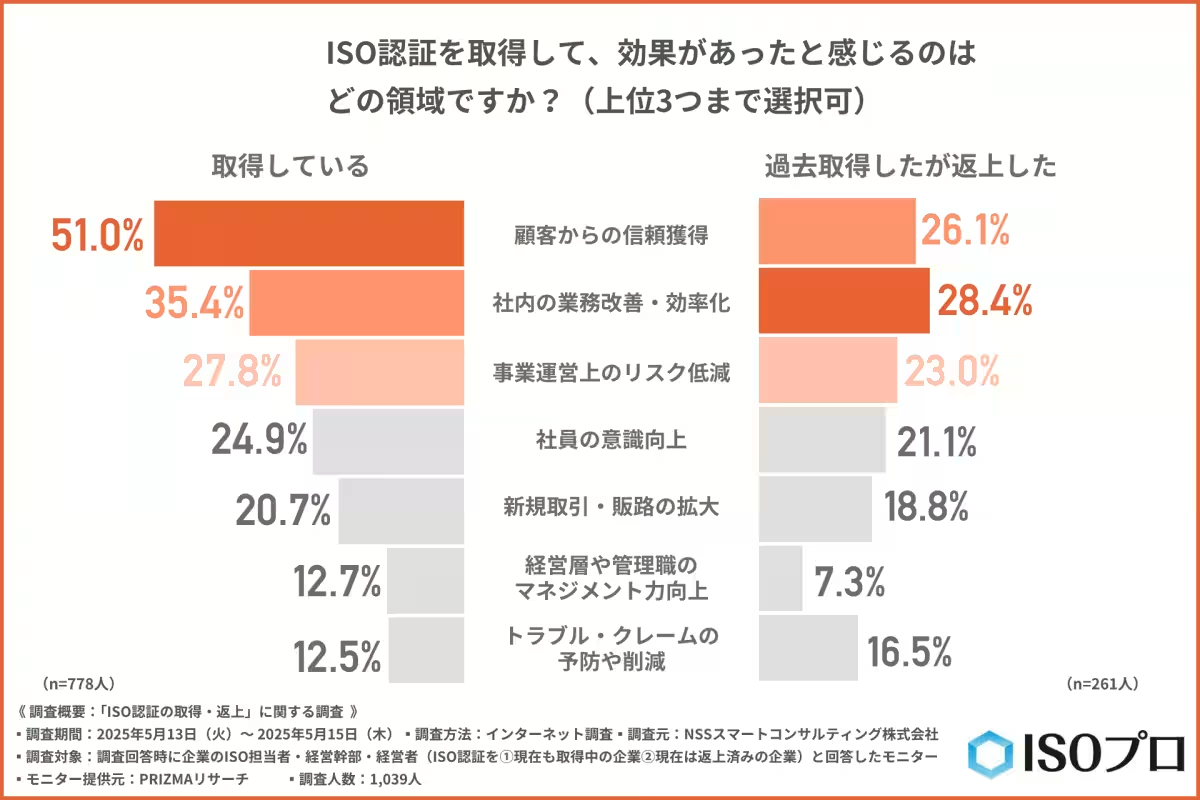
- - Trust from clients (51.0%)
- - Internal efficiency improvements (35.4%)
- - Risk reduction in operations (27.8%)
The data reveals a significant divide in perceptions of these benefits between companies that retain their certifications and those that have relinquished them. For instance, firms that have returned their certifications reported a lower sense of improvement across all categories, suggesting that the ISO framework plays a crucial role in realizing business enhancements.
Challenges in Continuing ISO Certification
Despite the advantages, maintaining ISO certification is not without its challenges. Respondents cited:
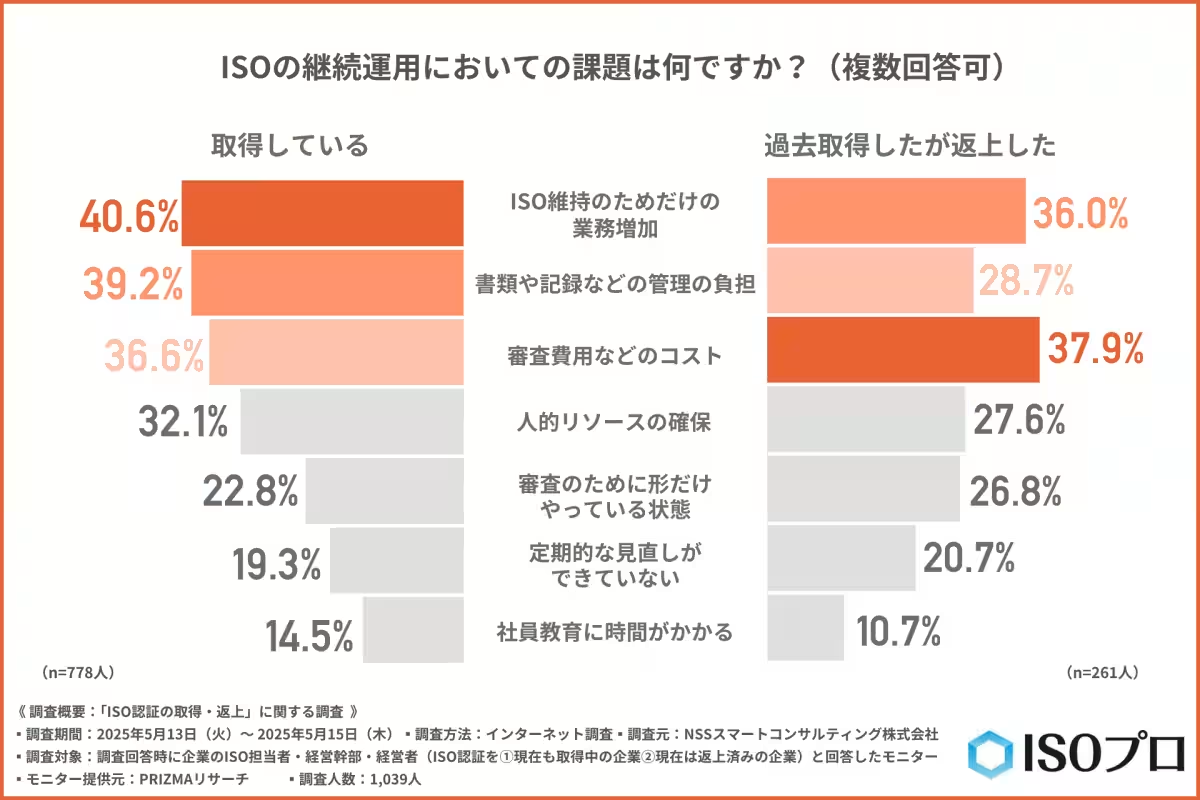
- - Increased workload solely for ISO maintenance (40.6%)
- - Management burdens related to documentation (39.2%)
- - Costs associated with audits and recertification (36.6%)
Notably, companies that have surrendered their certification expressed similar concerns, particularly regarding audit costs. These hurdles highlight the need for effective strategies in managing ISO requirements without stifling normal operations.
The Role of External Support
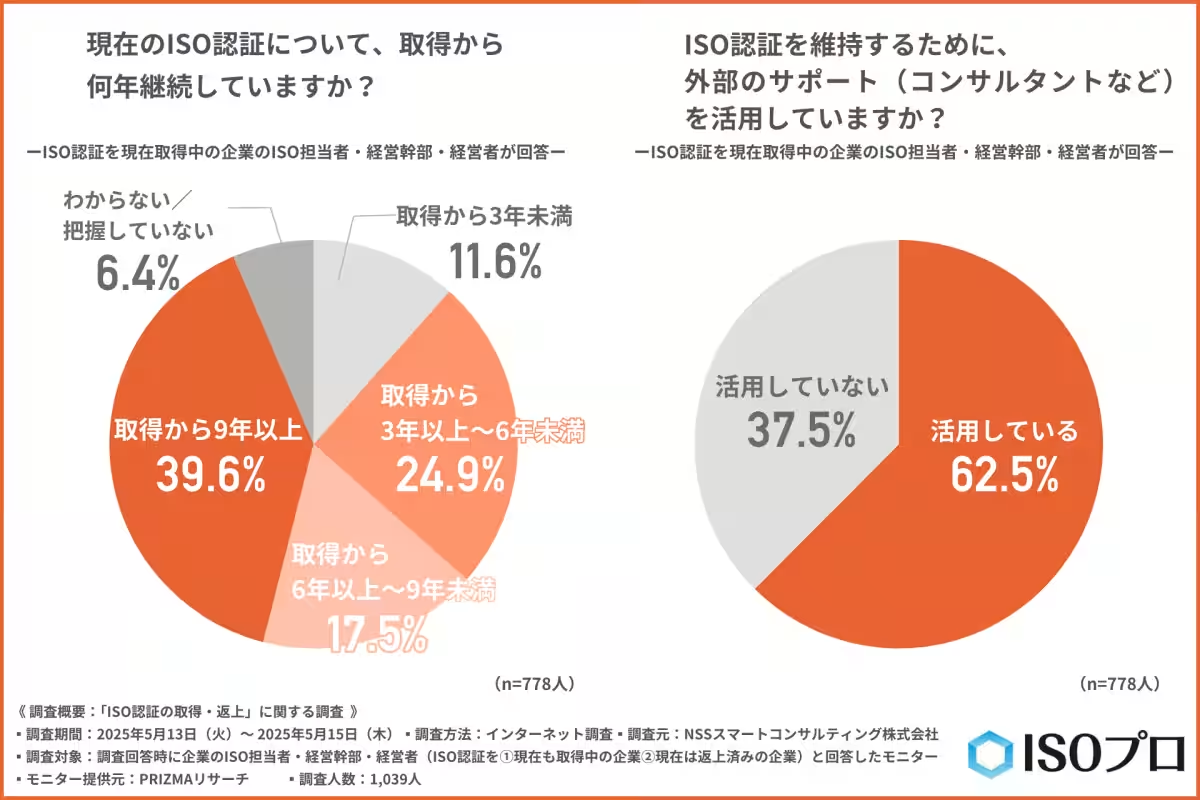
A compelling insight from the research is that over 62.5% of companies utilize external consultants to aid in maintaining ISO certifications. This reliance on third-party expertise suggests that many recognize the complexities involved in ISO compliance and prefer to leverage professional assistance.
Best Practices for ISO Certification Maintenance
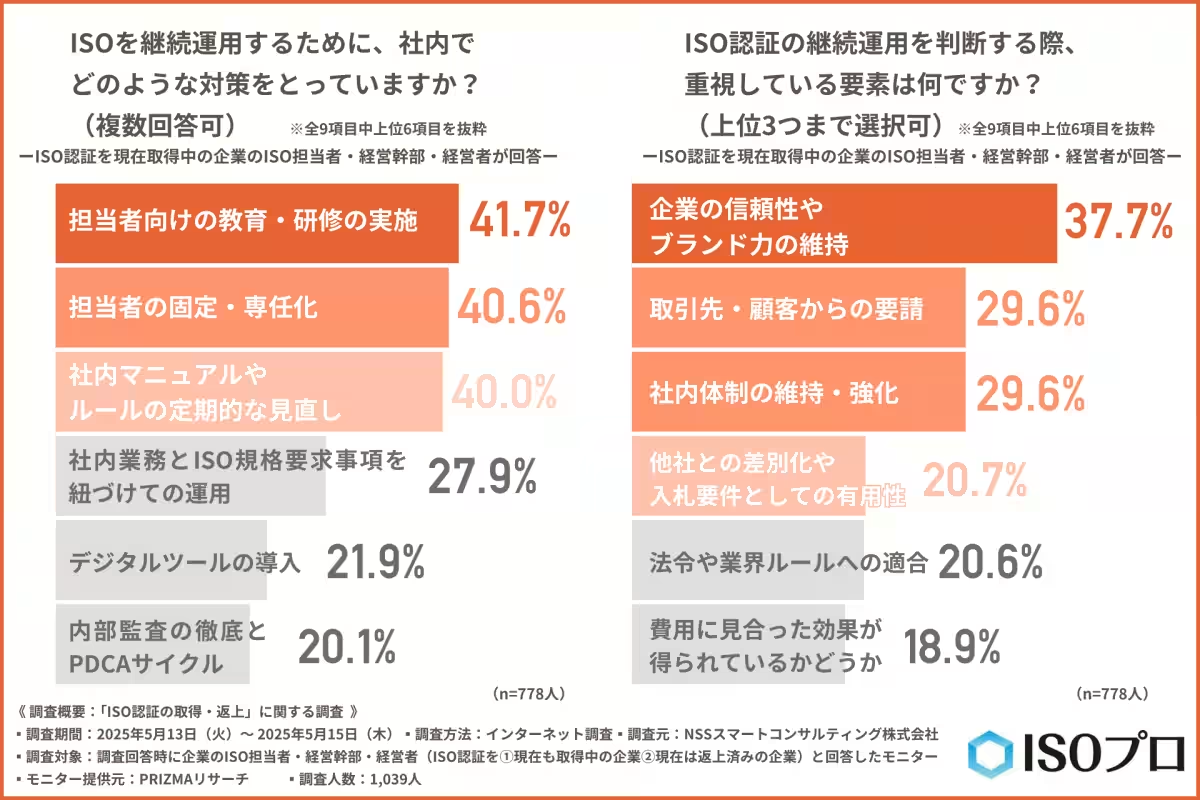
To sustain ISO certification, companies should invest in:
- - Training and education for ISO managers (41.7%)
- - Assigning dedicated personnel (40.6%)
- - Regular review of internal procedures and guidelines (40.0%)
These practices ensure that the knowledge and responsibilities around ISO standards are embedded within the organization, helping avert complacency that leads to certification erosion.
Future Considerations
Ultimately, the decision to retain ISO certifications hinges on key factors such as maintaining corporate reliability, meeting client demands, and ensuring the efficacy of internal controls. Organizations that prioritize these aspects are more likely to experience sustained benefits from their ISO efforts.
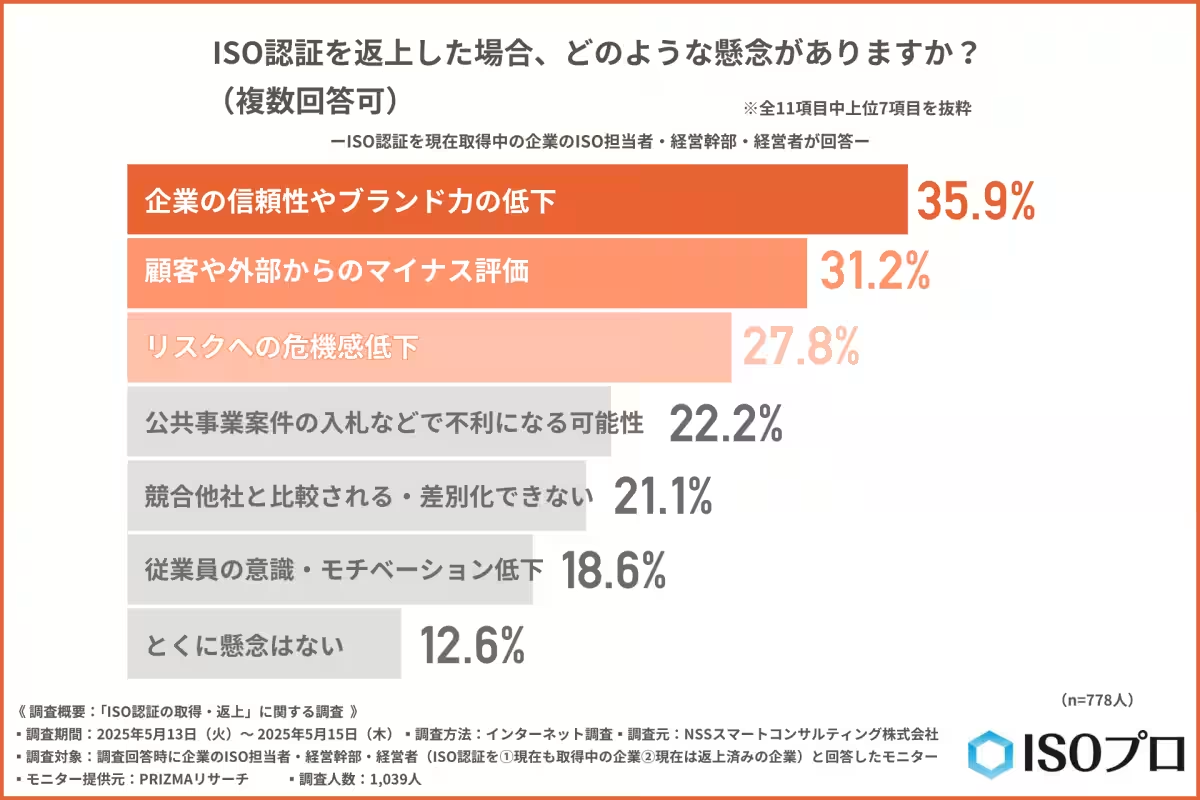
However, the potential risks associated with relinquishing ISO certification, such as diminished corporate credibility and loss of business opportunities, must be carefully weighed.
Conclusion: The Path Forward
In summary, ISO certification plays a critical role in establishing and enhancing corporate credibility. Companies that actively engage with and integrate ISO standards into their operations are well-positioned to reap ongoing benefits, contributing to their growth and competitiveness. The findings suggest that the keys to successful ISO certification maintenance lie in a company-wide commitment to its core objectives and the smart use of external resources to foster continuous improvement.
If you're interested in furthering your ISO journey or seeking support for certification processes, check out NSS Smart Consulting's services at the ISO Pro website.

Topics Business Technology)
【About Using Articles】
You can freely use the title and article content by linking to the page where the article is posted.
※ Images cannot be used.
【About Links】
Links are free to use.