



ESG Management Advances Among SMEs: Insights from FORVAL's Latest Report
Insights into ESG Management in Small and Medium Enterprises
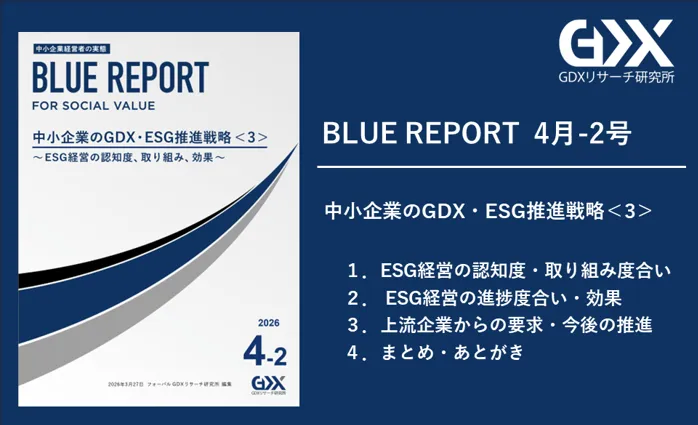
On March 27, 2026, FORVAL GDX Research Institute, under the guidance of its President Masanori Nakajima from Shibuya, Tokyo, published the latest edition of their report, BLUE REPORT April Issue No. 2. This report focuses on the state of ESG (Environment, Social, Governance) management among small and medium enterprises (SMEs) in Japan.
The Importance of ESG in Today’s Business Landscape
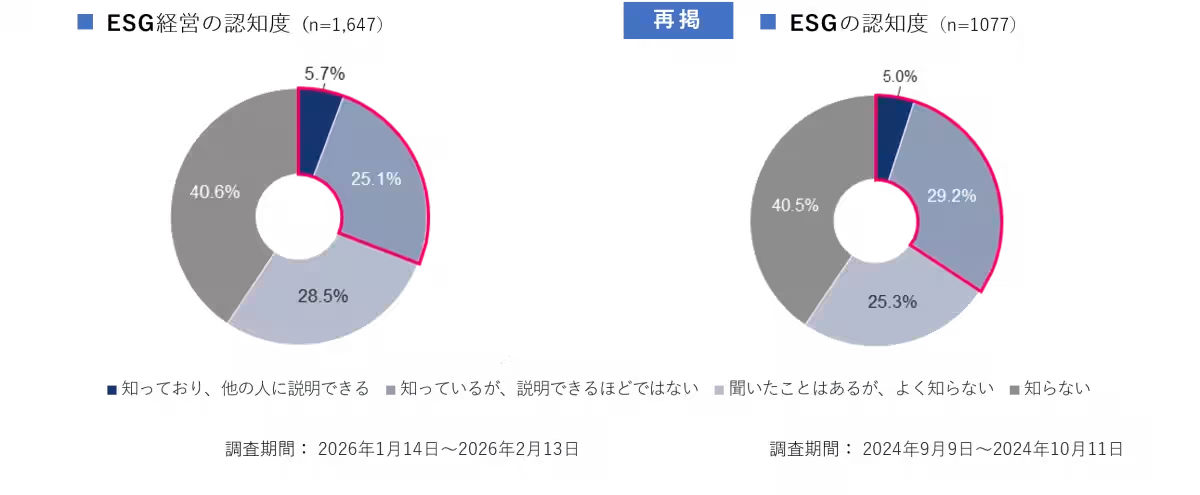
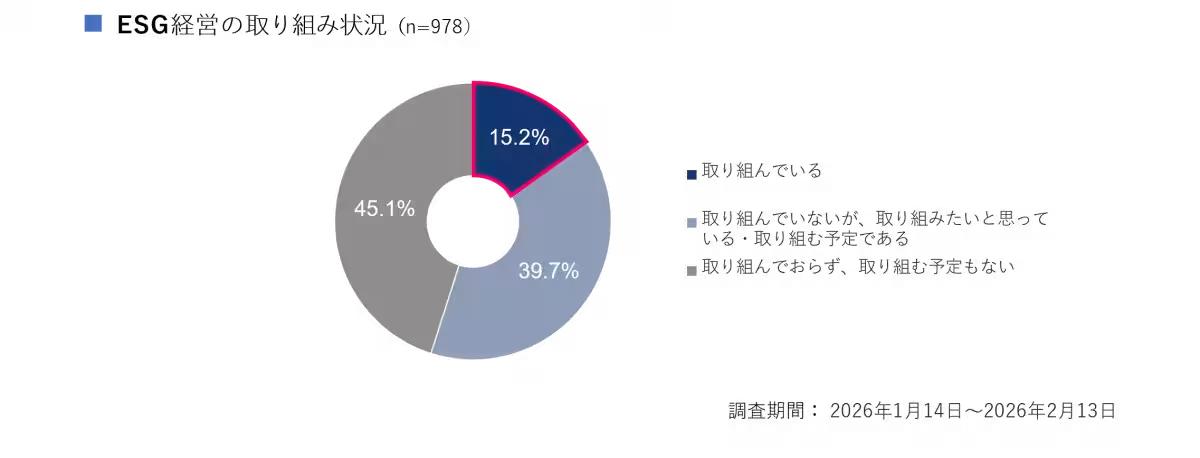
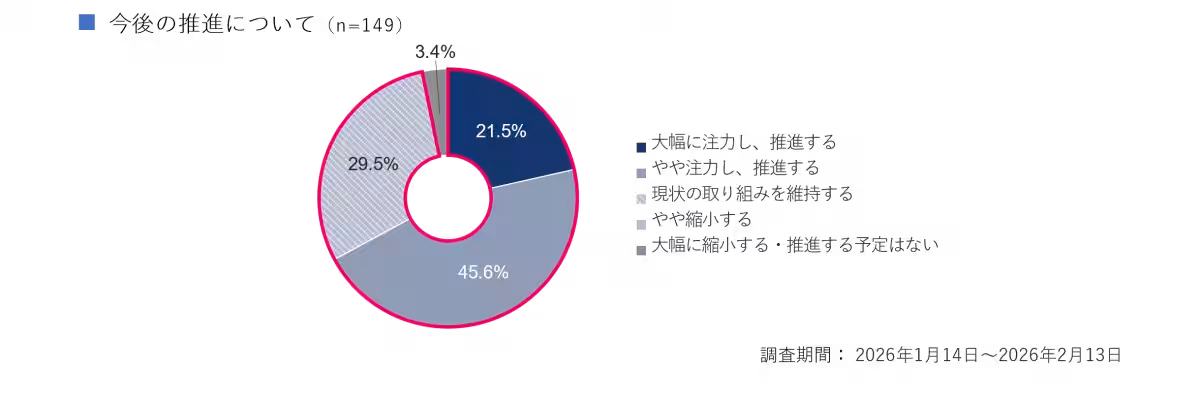
According to the study, although 30.8% of SMEs are aware of ESG management, only 15.2% have actively engaged in such practices. However, the encouraging finding is that 96.6% of those currently involved have indicated they will continue their ESG initiatives. This suggests a positive trajectory for ESG measures in the future, particularly among companies that have already adopted them.
Objectives of the Report
The report aimed to assess:
1. The recognition level of ESG management among SMEs.
2. The current status of their ESG initiatives.
3. Progress made in addressing ESG-related challenges and evaluating their effects.
4. Future intentions for furthering ESG management practices.
Current Findings
Despite the positive intentions, research indicates that the awareness and adoption of ESG practices remain significantly low among SMEs:
- - Recognition of ESG: Although 30.8% of respondents reported being familiar with ESG, the rest (approx. 70%) either stated they weren't aware or had only heard of it without sufficient knowledge.
- - Engagement Levels: 15.2% of the SMEs claimed to be practicing ESG management. The majority at 45.1% reported no plans to engage in such practices in the future.
- - Commitment to Future Initiatives: A striking 96.6% of SMEs that are currently engaged in ESG management expressed a strong intent to maintain or enhance their efforts moving forward.
Key Quotes from the Report
The survey illustrated that while the number of firms practicing ESG is limited, a significant portion of those involved recognize the benefits. Enhanced performance, improved corporate image, and robust risk management strategies are among the reported advantages. The institute's emphasis on the importance of ESG practices reflects a growing recognition of the necessity for sustainable operational frameworks.
Challenges to ESG Implementation
The report outlines important challenges that SMEs face in adopting ESG practices:
- - Lack of Expertise: Finding skilled personnel who understand ESG principles is a significant barrier.
- - Budget Constraints: Many small firms struggle to allocate necessary funds for these initiatives.
- - Measuring Impact: Evaluating the effectiveness of ESG efforts poses difficulties, hampering broader adoption.
The report indicates that while the ambition to adopt ESG practices exists within SMEs, translating this into action remains a challenge. The complexity of aligning ESG initiatives with company goals, understanding measurement metrics, and ensuring stakeholder buy-in remains complicated for many.
Conclusion and Future Outlook
The transition toward embracing ESG management within SMEs is still nascent, but the commitment displayed by current adopters is promising. As sustainability becomes an increasingly vital concern for businesses of all sizes, SMEs may find new opportunities for differentiation and resilience through active engagement with ESG principles.
To combat challenges, expert guidance, clearer frameworks for implementation, and financial strategies specifically tailored for SMEs will be necessary. As the market grows more competitive, adopting ESG practices not only creates a more sustainable foundation but can also enhance a company's reputation and operational success.
For further detailed insights, you can explore the full report here. Additionally, information about FORVAL GDX Research Institute and their mission can be found on their website.

Topics Business Technology)
【About Using Articles】
You can freely use the title and article content by linking to the page where the article is posted.
※ Images cannot be used.
【About Links】
Links are free to use.