




Understanding the Essential Role of Cram Schools in Japanese University Entrance Exam Preparation Costs
Navigating the Financial Landscape of Cram Schools in Japan
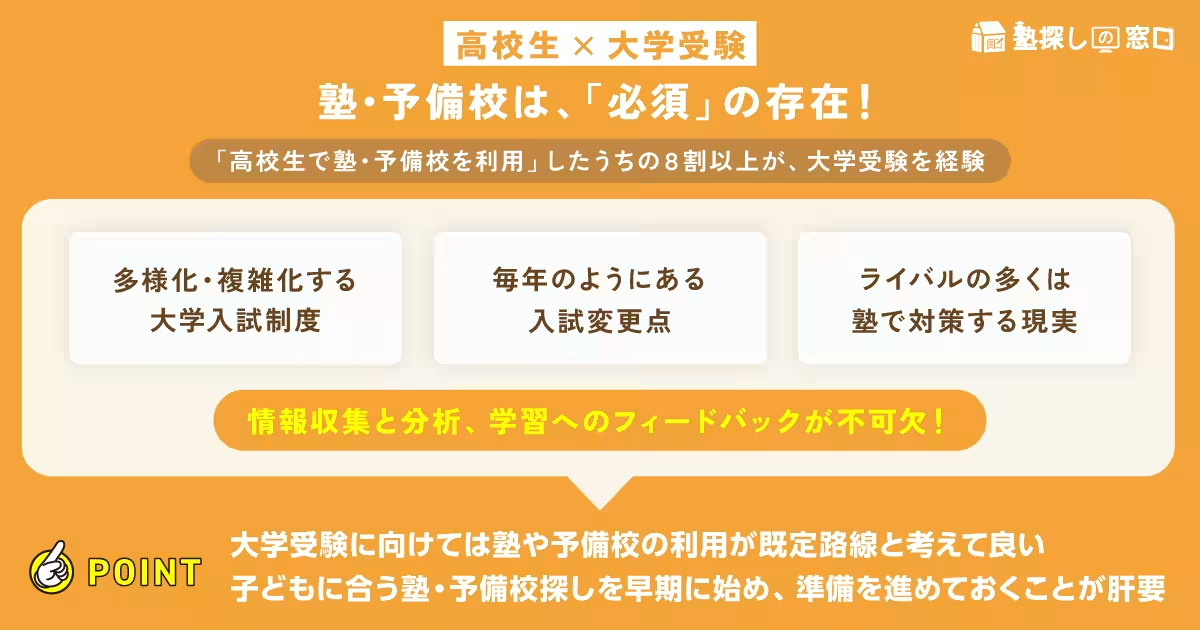
In Japan, the importance of cram schools, known as "juku," in preparing high school students for university entrance exams cannot be overstated. According to recent research conducted by the informative portal "Juku-Sagashi no Madoguchi," more than 80% of parents with high school children who attended cram schools reported that their students prepared for university entrance, underscoring the vital role these institutions play. However, the cost implications of sending a child to juku can be quite significant and often exceed parental expectations.
The Shocking Reality of Tuition Fees
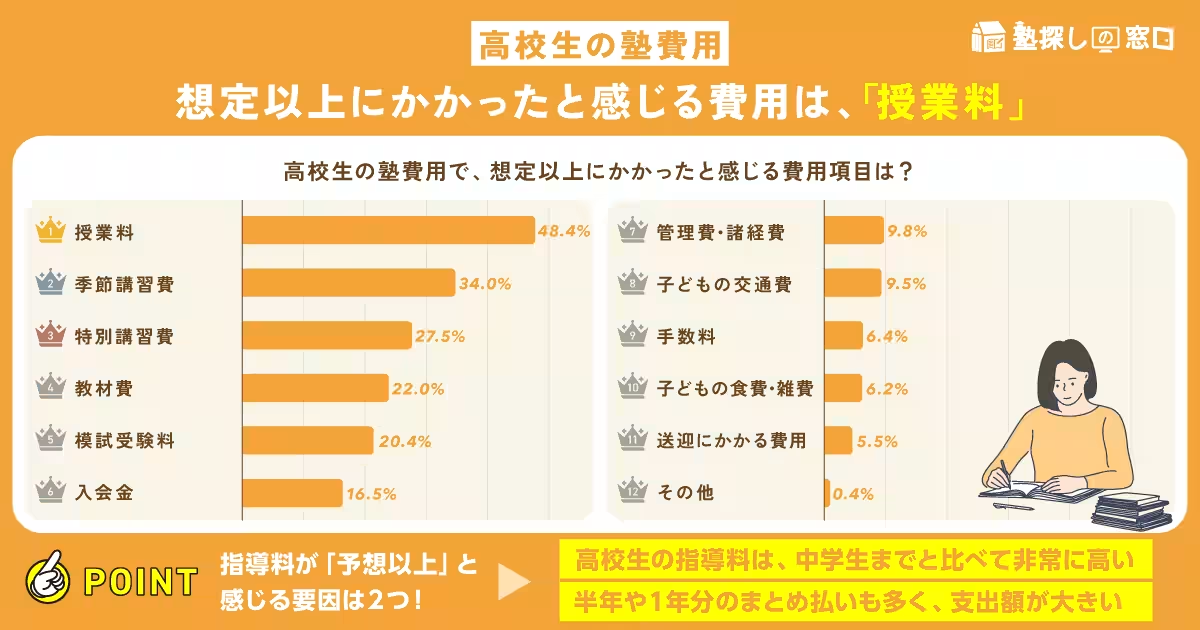
A nationwide survey gathered insights from parents in their 40s to 60s who have experience sending their children to cram schools. One of the most surprising findings was that almost 49% of parents felt that tuition fees were higher than they initially anticipated. This statistic highlights the pressing need for prospective students and their families to be aware of not only tuition fees but also a variety of additional costs.
The survey period spanned October to November 2025, and involved 550 valid responses. Participants shared their insights regarding the financial commitment involved in their children's educational journey. Other expenses that parents cited as unexpectedly high included seasonal course fees (34%) and special lecture fees (27.5%). These figures reveal a broader trend that as educational methods evolve from standard classroom-based teachings to personalized coaching, families must confront a more complex financial reality.
Diverse Learning Needs Call for Personalized Approaches
Gone are the days of a one-size-fits-all approach to education. Today's high school students exhibit diverse learning needs, which have prompted a shift towards tailored instruction rather than traditional methodologies. Consequently, parents often face escalating costs as they seek the best-fit solutions for their children.
The research suggests that while many parents feel the pinch of rising costs, different educational stages bring varied financial burdens. For instance, surveys from parents of elementary and junior high students show a distinct pattern in perceived costs. Parents of younger students frequently cite seasonal course fees as their major expenditure, while high school parents predominantly indicate that they are often taken aback by the ongoing tuition fees.
Understanding High School Tuition Costs
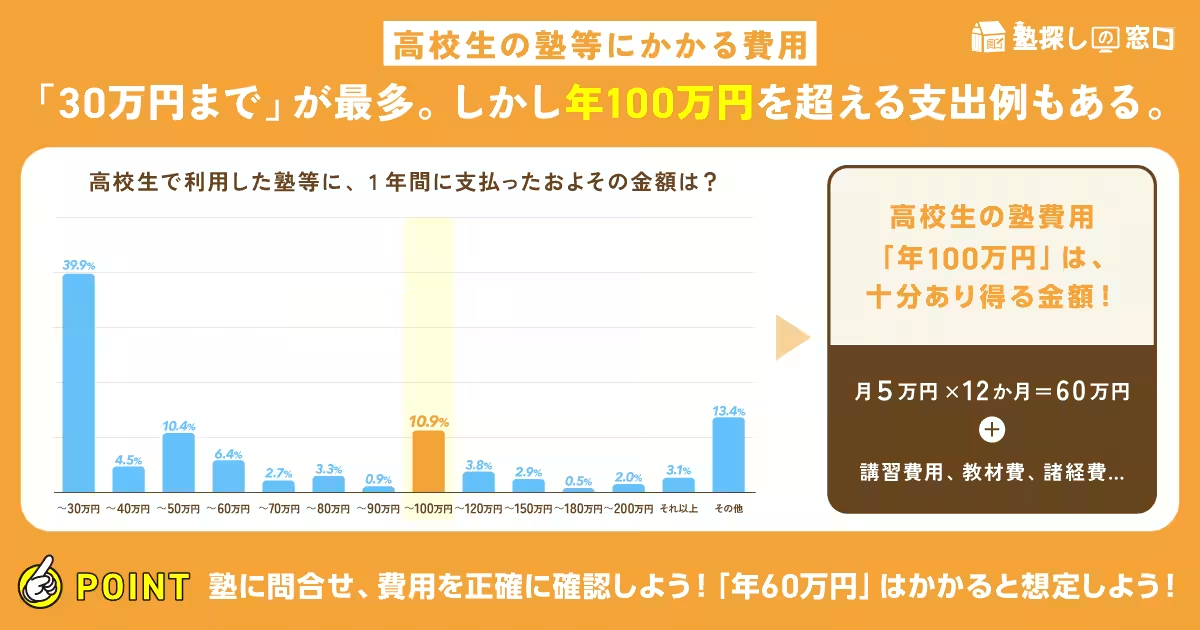
At the high school level, significant amounts continue to be required for a comprehensive education. The analysis from "Juku-Sagashi no Madoguchi" indicates that, on average, parents were paying upwards of ¥600,000 annually for juku attendance, which aligns with findings that more than 39% of respondents reported total fees below ¥300,000 despite acknowledging hidden costs that accumulate throughout the year.
A typical monthly tuition for many students can range between ¥50,000 to ¥80,000. Given that many cram schools require advance payments for special courses or materials, these unexpected expenses can stack up quickly, forcing families into financial strain or leading them to disregard the true impact of their educational investments until it is too late.
A Closer Look at Parental Sentiment
Interestingly, parental sentiment around these costs is largely negative as students ascend into high school. Many of the surveyed parents expressed feelings of regret or surprise upon receiving their cram school bills, revealing a critical disconnect between their financial readiness and the actual costs incurred when engaging educational services. As the report notes, parents begin to feel the weight of these expenses once their child enrolls and experiences first-hand the frequency and scale of payments that come with ongoing participation.
The complexity of the educational landscape is compounded with the ongoing changes to university entrance exam systems, which have only increased pressure on families to seek comprehensive and specialized support through juku. Parents are advised to consider not just the immediate tuition cost but to also anticipate additional expenses related to supplemental courses and other learning materials.
Strategic Planning for Educational Expenditures
Most importantly, parents must arm themselves with accurate information to navigate the often murky waters of educational costs. The high level of uncertainty related to fees further complicates planning and budgeting. Particularly for high school students, where the pursuit of university education is no longer considered optional, early and strategic planning is essential. Families need to prepare adequately for both expected and unexpected financial commitments.
Prospective university students and their families must explore various educational options thoroughly. Researching different cram schools and considering the long-term financial implications of their choices can lead to better outcomes, both academically and financially.
In summary, families must take proactive steps to gain clarity on the full scope of costs associated with cram schools to set realistic expectations as they prepare their children for higher education. By remaining aware of the fluctuations in educational expenses and prioritizing informed decision-making, they can enhance not only academic success but also financial well-being in a competitive educational landscape.

Topics Other)
【About Using Articles】
You can freely use the title and article content by linking to the page where the article is posted.
※ Images cannot be used.
【About Links】
Links are free to use.