



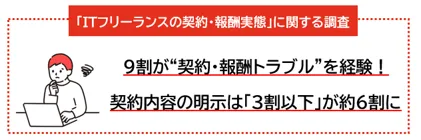
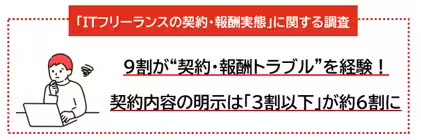
Understanding the Current Realities of IT Freelancers' Contracts and Compensation in Japan
Unveiling the Contract and Compensation Landscape for IT Freelancers in Japan
In a significant move to understand the evolving landscape of IT freelancing in Japan, PE-BANK, a subsidiary of MCEA Holdings, conducted an extensive survey involving 302 IT freelancers. This survey aimed to shed light on the contract and compensation realities amidst the implementation of the new freelancing law, enacted to enhance transparency in contracts and compensation structures. A year into the application of this law, the findings reveal a precarious situation that many freelancers face, peppered with misunderstandings and complications regarding their agreements and rewards.
Survey Highlights
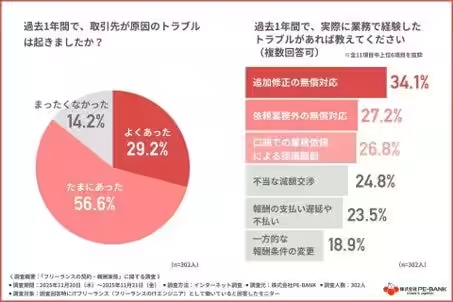
The survey unearthed some startling statistics. Approximately 90% of respondents reported encountering contractual issues within the past year. Many freelancers have had to deal with problems stemming from unclear or unrecorded agreements. For instance, 34.1% mentioned that they had to address additional modifications without compensation, and 27.2% experienced voluntary work beyond their designated roles without proper acknowledgment. Additionally, 24.8% reported facing unjust reduction negotiations, and 23.5% dealt with late or non-payments.
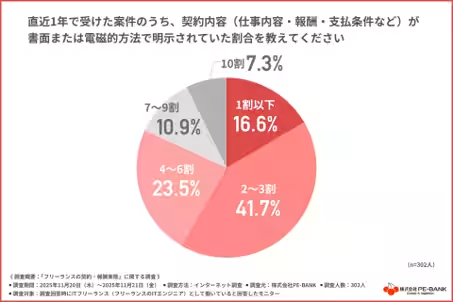
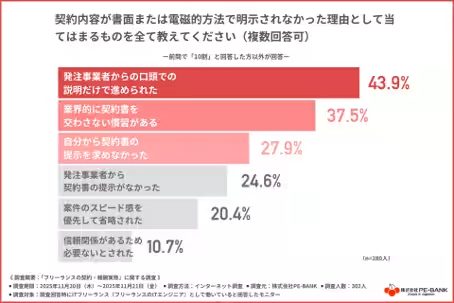
This denotes a pressing need for better-defined contracts, especially considering that nearly 60% of respondents indicated that 70% or more of their work arrangements were communicated only orally. This underlines a concerning trend among freelancers, where the expected professionalism of written agreements is often overlooked, leading to ambiguity around roles, payments, and obligations.
Awareness and Understanding of the New Law
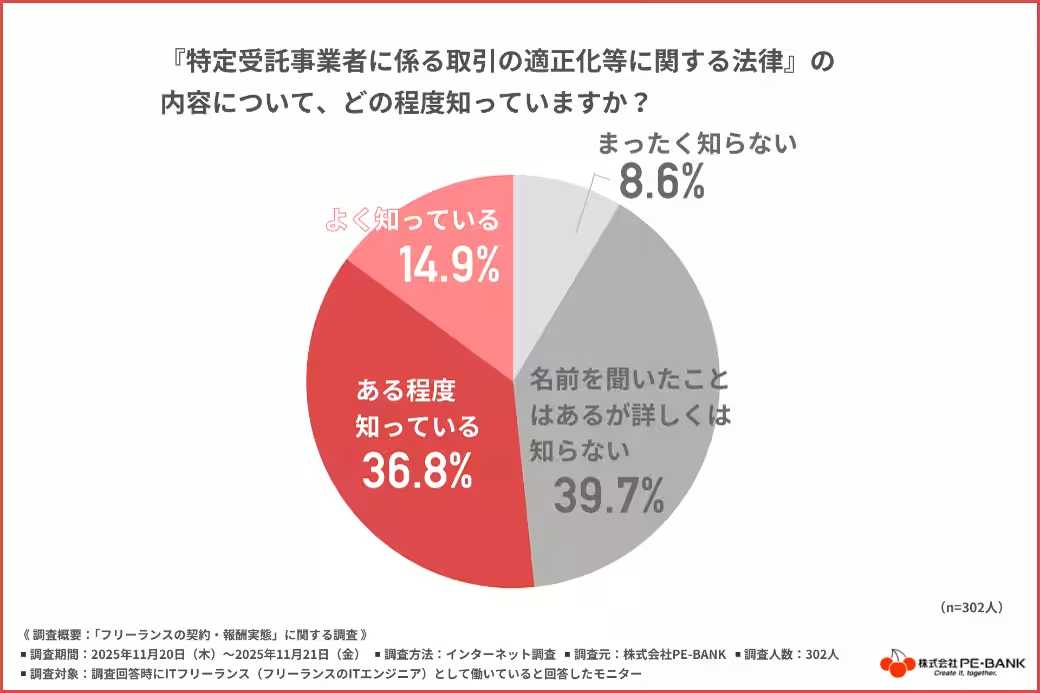
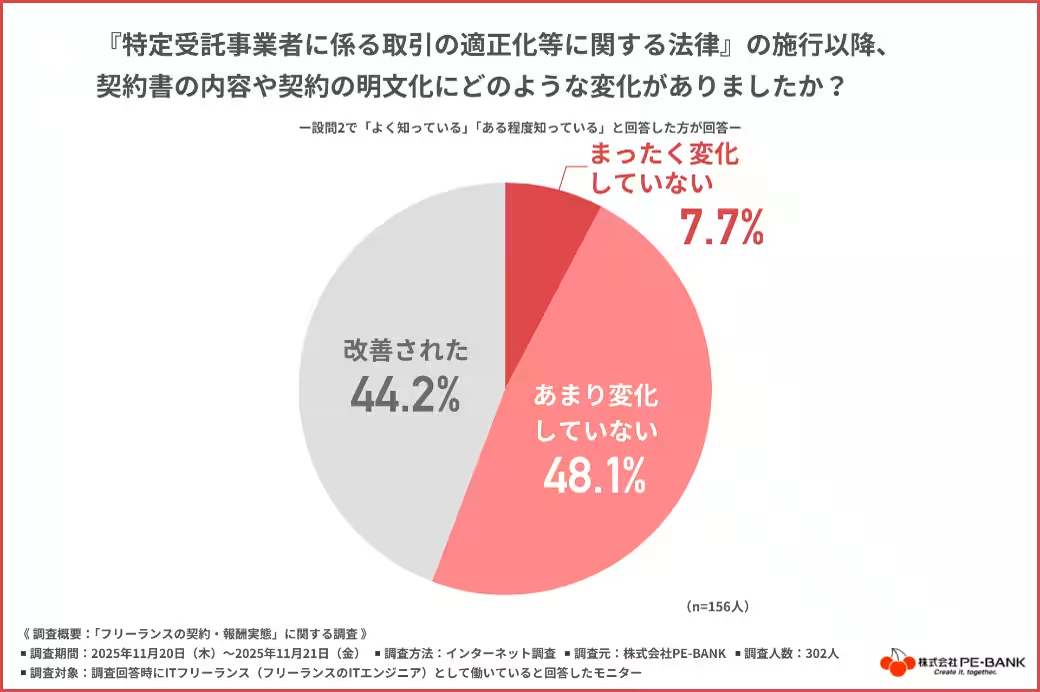
While the new law aimed to outline particular necessities for contract agreements, the survey indicated a troubling lack of understanding among freelancers. Only about 50% of participants claimed a solid understanding of the law’s provisions. Intriguingly, 39.7% had heard its name but lacked in-depth comprehension regarding its implications, and 8.6% had never heard of it at all. This gap in knowledge could contribute to the continuation of outdated practices where contract terms are less formalized than required. Respondents expressed that, one year after the law's enforcement, they feel minimal changes have occurred within professional environments, with 60% asserting that operations remained largely unchanged.
Concerns Over Compensation
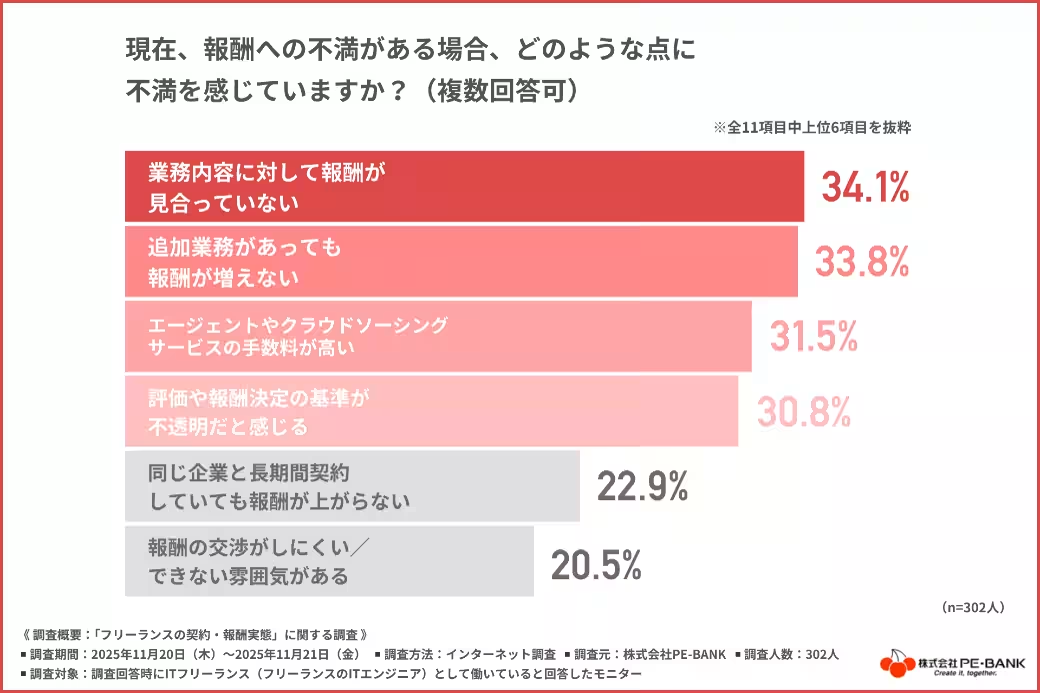
Further investigations focused on freelancers' compensation perceptions. Those who voiced dissatisfaction with their pay often highlighted issues surrounding fairness and clarity.
A staggering 34.1% felt their remuneration wasn't proportional to their workload, and 33.8% asserted that pay failed to increase despite additional responsibilities. Unsettling, 30.8% indicated that the criteria following which they are evaluated remain unclear. This discontent highlights the need for establishing transparent metrics and base pay structures to foster a healthier work environment for freelancers.
The Demand for Transparent Contracts
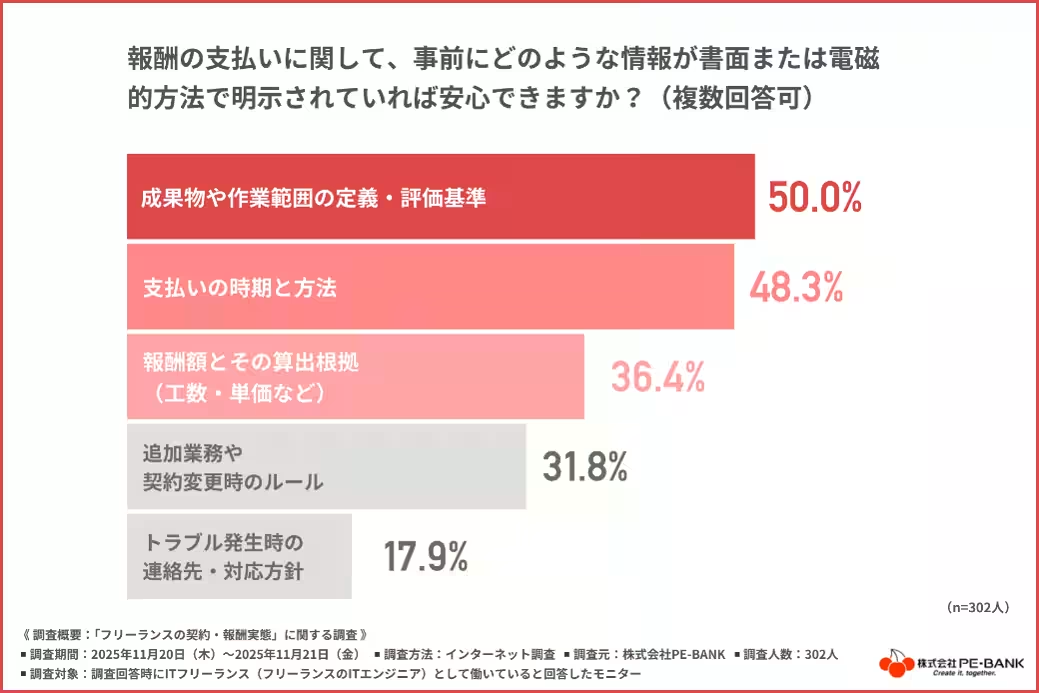
To ensure a constructive working atmosphere, freelancers articulated an urgent requirement for clarity regarding the definition of their tasks and evaluation criteria. When asked what conditions needed clear explication before commencing work, 50.0% expressed a desire for a definitive outline of project outputs and evaluation methods. Following that, 48.3% called for explicit details about payment timing and methods, asserting that understanding “what,” “when,” and “how much” they get paid contributes significantly to their peace of mind and confidence in their work situation.
Conclusion
The survey by PE-BANK manifests a troubling landscape where many IT freelancers experience instability in their contractual agreements and payment systems a year after the new freelancing law took effect. The transparency regarding contracts is the cornerstone upon which a more secure freelance environment must be built. To mitigate conflicts arising from misunderstandings and inconsistent agreements, ensuring visible and documented contracts is essential. Hence, as we move forward, both freelancers and clients should prioritize contract transparency to cultivate a sustainable and trusting working relationship.


Topics Consumer Products & Retail)
【About Using Articles】
You can freely use the title and article content by linking to the page where the article is posted.
※ Images cannot be used.
【About Links】
Links are free to use.