



Insights Into Household Spending Patterns in 2025 Through OneBank's Data
Spending Trends in Japan: A 2025 Perspective
As we delve into the economic landscape of 2025, the OneBank household budgeting application has released significant findings on how consumers manage their finances. Conducted by SmartBank, this year's survey analyzed responses from 1,425 individuals managing their budgets, alongside data from approximately 400,000 users using OneBank's app.
Key Highlights of Household Spending in 2025
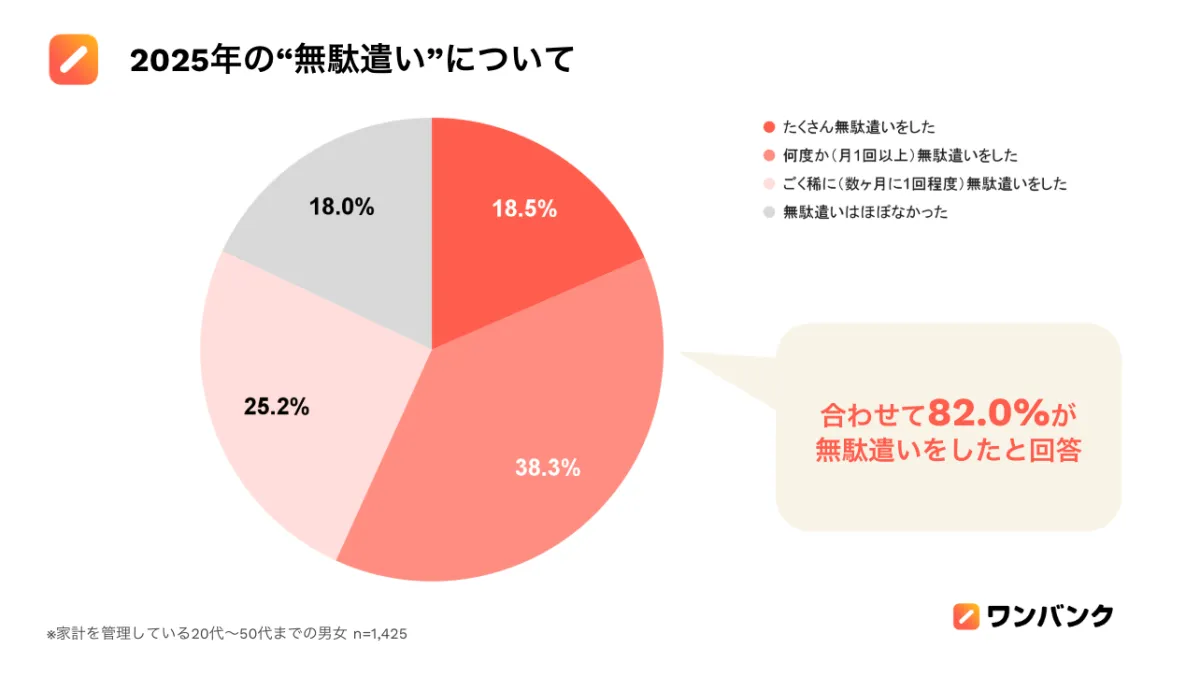
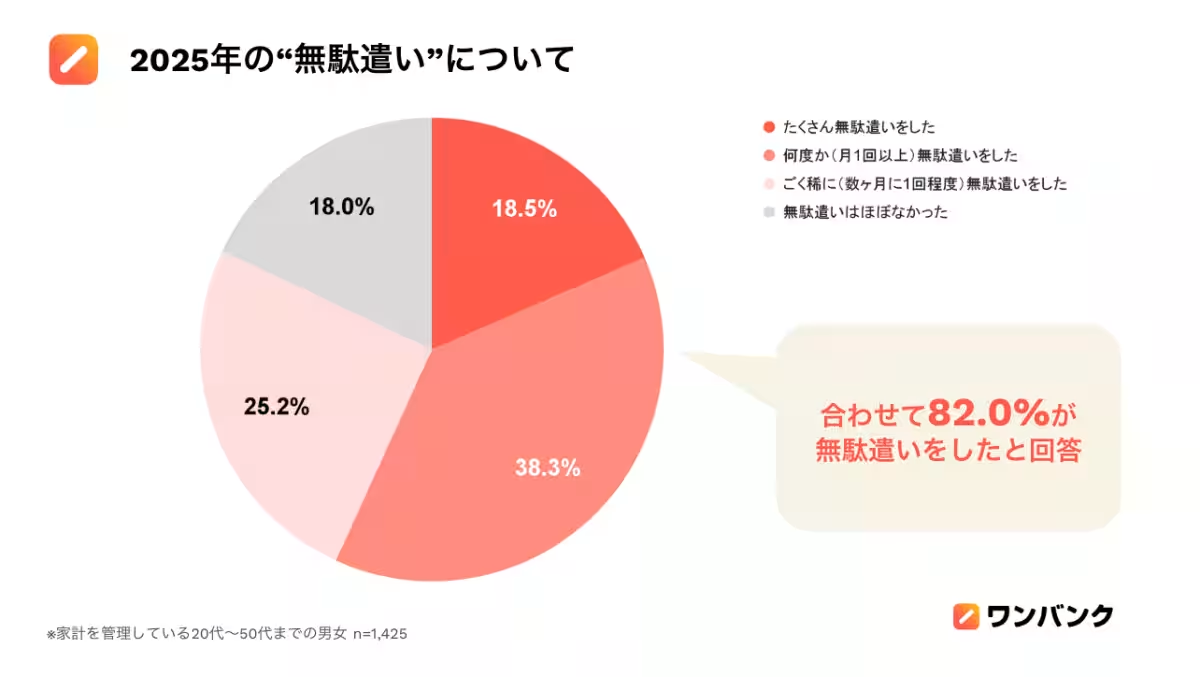
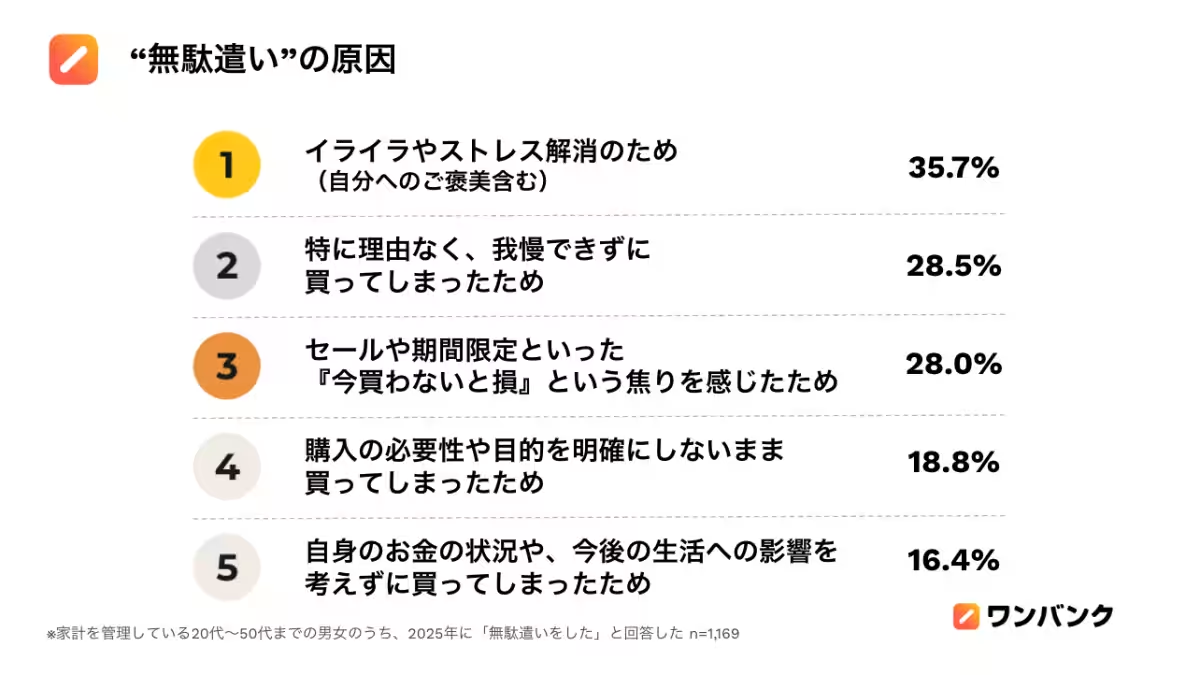
1. Wasted Spending: An overwhelming 82% of respondents admitted to unnecessary expenditures this year. The primary reason identified was the need to alleviate stress and frustration, with 35.7% citing it as their motivation.
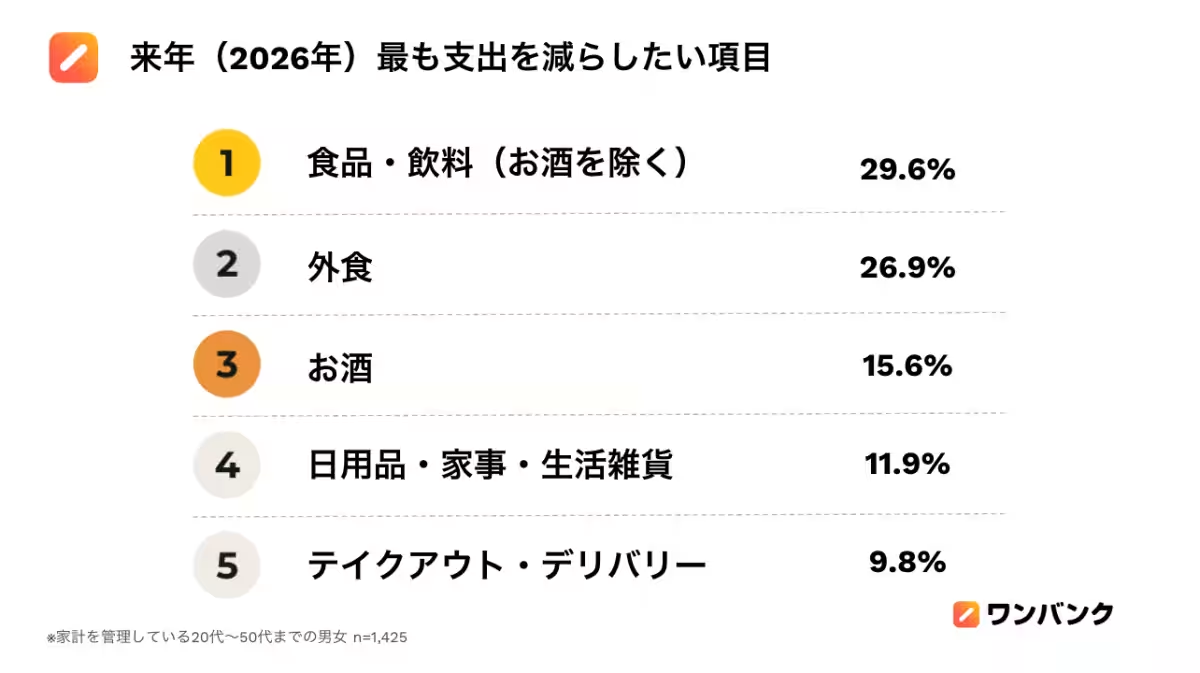
2. Future Intentions: Looking ahead to 2026, when asked about areas they wish to cut back spending, participants listed food and drink (excluding alcohol) as their top priority, followed by dining out and alcohol.
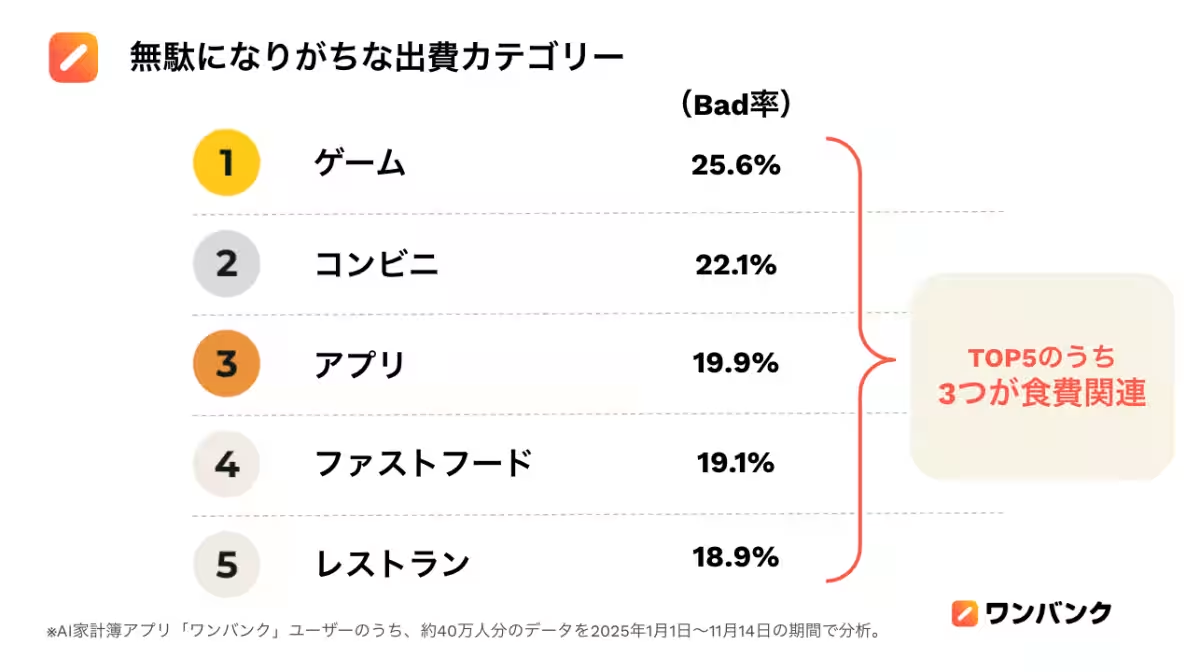
3. Categories of Wasteful Spending: Using the AI Spending Checker feature within the app, users highlighted categories prone to wasteful expenses: games ranked first, followed by convenience store purchases, apps, fast food, and restaurants—three of which are food-related expenditures.
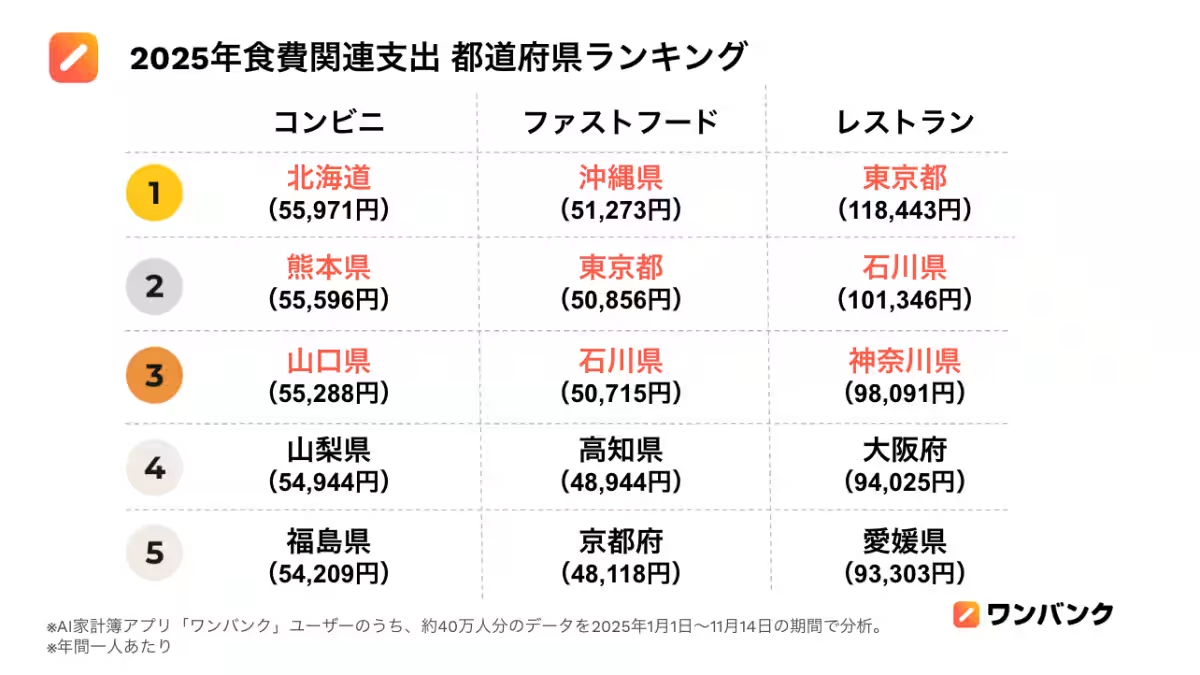
4. State-wise Spending Patterns: An analysis of 2025 data broken down by prefecture indicated that Hokkaido led in convenience store spending, Okinawa in fast food, and Tokyo in restaurant expenses.
Further Insights on Spending Causes
When probing deeper into why individuals engage in wasteful spending, motives were diverse. The survey recorded that aside from stress relief, reasons included impulse purchases and urgency created by sales or limited-time offers. This suggests a trend where emotional wellbeing heavily influences financial decisions.
Areas for Future Reduction
While many seek to reduce spending, food expenses dominate the concerns of consumers for 2026. With an increase in food prices, totaling 25,080 items in 2025—significantly higher than in previous years—many individuals expressed a keen interest in economizing in this category.
Ranking of Food-Related Expenditures by Prefecture
The data from OneBank reveals intriguing insights into regional spending behaviors:
- - Convenience Stores: Hokkaido ( 55,971), showcasing a strong presence of convenience stores like Seicomart that facilitate habitual shopping.
- - Fast Food: Okinawa residents spent an average of 51,273, driven by local fast-food outlets unique to the region.
- - Restaurants: Tokyo holds the top spot with average expenditure reaching 118,443, influenced by a high cost of living.
Widespread Spending Trends and Local Insights
Further analysis shows that certain prefectures exhibit distinct spending patterns:
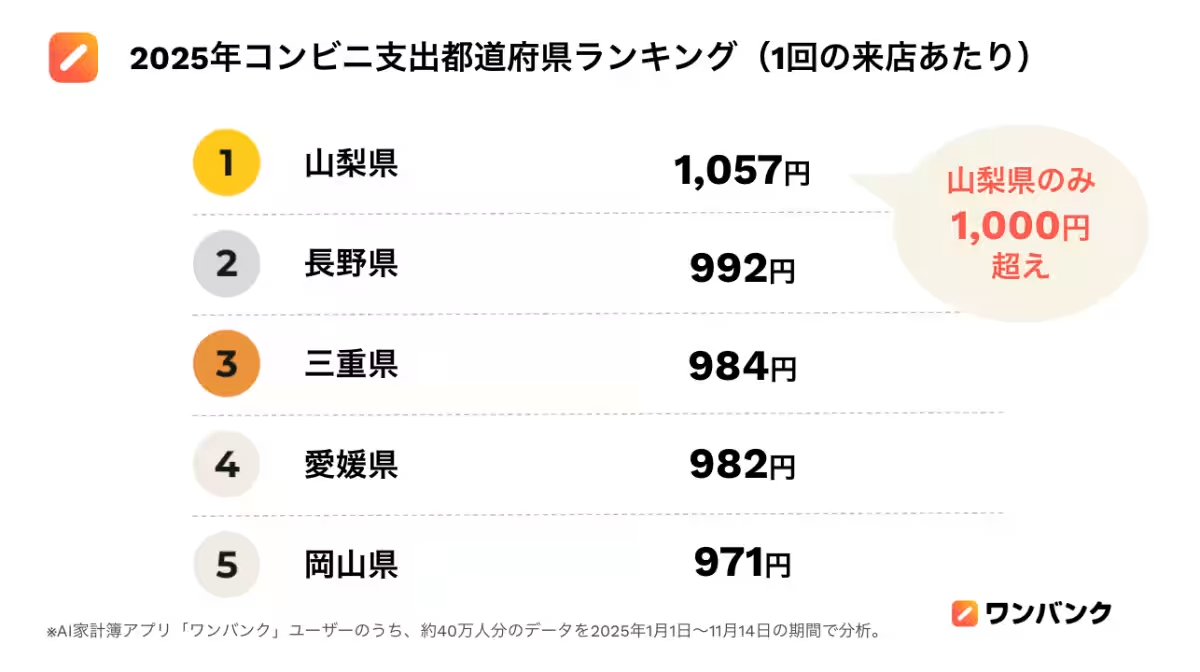
- - Convenience Store Spending: The average spending per visit was highest in Yamanashi at 1,057 yen, indicating a robust convenience store culture.
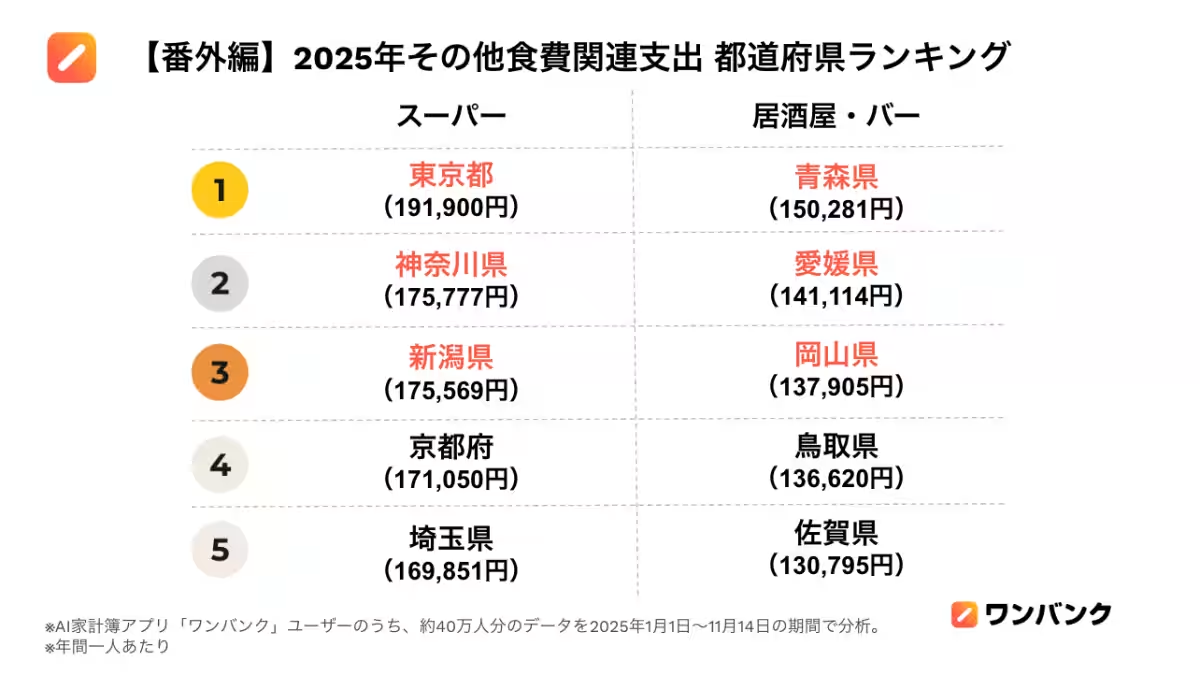
- - Grocery Purchases: The data categorized Tokyo as the highest spender on groceries, while Aomori claimed the top spot for expenditures in bars and izakayas—a reflection of regional preferences and cultural inclinations.
Conclusion: Understanding Wasteful Spending
This comprehensive overview not only sheds light on the areas consumers are focusing on for budget cuts but also highlights the importance of emotional and psychological factors influencing financial decisions. The insights from OneBank will be essential for individuals looking to adjust their spending habits as they navigate through the economic waters of 2026 and beyond.
For those wanting to take control of their finances, leveraging tools like the AI Spending Checker can provide valuable analytics to distinguish between necessary and unnecessary expenditures, fostering healthier financial practices.

Topics Consumer Products & Retail)
【About Using Articles】
You can freely use the title and article content by linking to the page where the article is posted.
※ Images cannot be used.
【About Links】
Links are free to use.