



Understanding the Differences Between Medical and Beauty Hair Removal: 87% Are Confused
Understanding the Differences Between Medical and Beauty Hair Removal
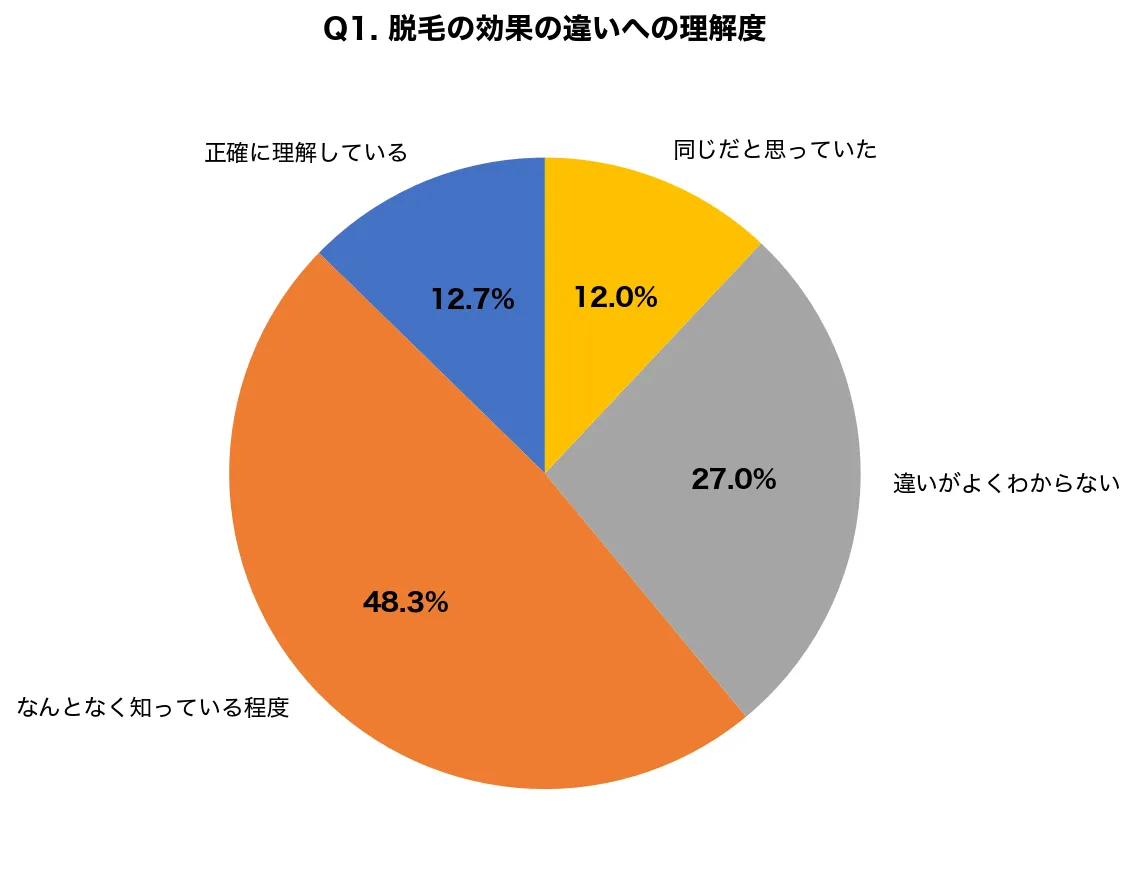
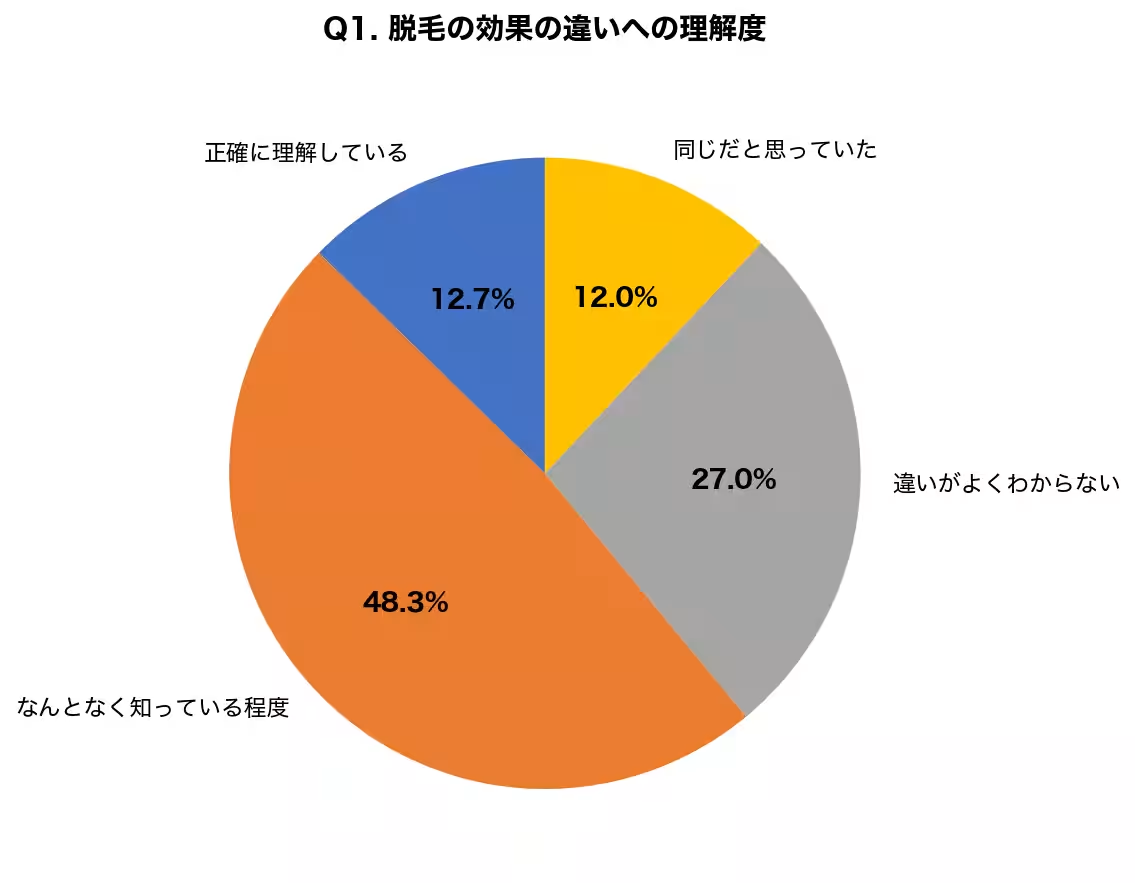
In the pursuit of hair removal, many individuals find themselves caught between two primary options: medical and beauty (aesthetic) treatments. A recent survey conducted by IC Clinic aimed to shed light on the significant misconceptions surrounding these options. The study reveals that an alarming 87.3% of respondents do not accurately understand the differences between medical hair removal and beauty aesthetic hair removal.
Key Conclusions from the Survey
The results suggest a clear distinction based on desired outcomes and cost-effectiveness:
- - Medical Hair Removal: Best suited for those seeking guaranteed permanent hair removal. Treatments usually require between 5 to 8 sessions and can cost between 250,000 to 400,000 yen for full-body hair removal.
- - Beauty Hair Removal: A viable choice for individuals looking to minimize pain and start at lower costs. However, it often requires between 12 to 18 sessions, with costs ranging from 100,000 to 200,000 yen. Notably, results are temporary, and hair regrowth after a few years is likely.
Survey Findings
- - Understanding Misconceptions: Shockingly, 87.3% of participants lack a clear understanding of the effectiveness of both methods, with only 12.7% reporting accurate knowledge of the differences.
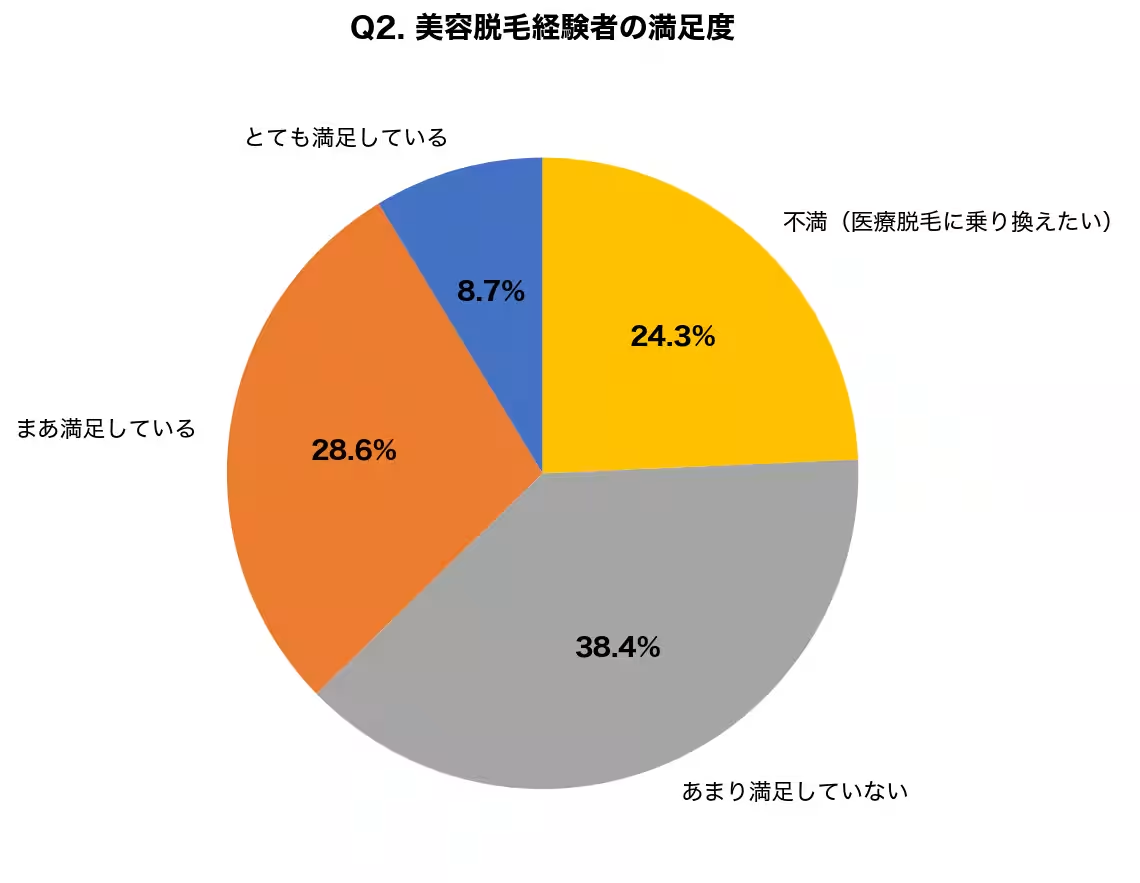
- - Satisfaction Levels: Among previous beauty treatment clients, 62.7% expressed dissatisfaction, prompting consideration to switch to medical treatments.
- - Treatment Efficiency: On average, individuals required 6.2 sessions for medical treatments compared to 15.8 sessions for beauty treatments, indicating a significant difference in efficacy.
Definitions of Key Terms
What is Medical Hair Removal?
Medical hair removal utilizes high-power lasers permitted only in medical facilities, targeting hair roots effectively. Qualified medical professionals, such as doctors or registered nurses, carry out the procedure, ensuring a level of safety and adherence to regulations by the Ministry of Health, Labour and Welfare in Japan.
What is Beauty Hair Removal?
In contrast, beauty hair removal, often conducted in salons, employs lower-power devices like IPL (Intense Pulsed Light). This method offers only temporary hair reduction, as it cannot effectively destroy the hair growth structures, thus failing to guarantee permanent results.
Defining Permanent Hair Removal
According to the American Electrolysis Association (AEA), permanent hair removal is defined as achieving a hair regrowth rate of less than 20% one month after the final treatment session. In Japan, only medical treatments can claim this effectiveness, while beauty treatments cannot promote themselves as providing permanent hair removal.
Detailed Comparison
| Comparison Factors | Medical Hair Removal | Beauty Hair Removal |
|---|---|---|
| ----- | ---------- | ----------- |
| Practitioner | Doctors/Nurses (Certified Professionals) | Estheticians (Private Certification) |
| Equipment Used | Medical Laser (High Power) | Light Hair Removal Equipment (Low Power) |
| Results | Permanent Hair Removal | Temporary Hair Reduction |
| Number of Sessions | 5 - 8 sessions | 12 - 18 sessions or more |
| Treatment Duration | Approximately 1 - 1.5 years | Approximately 2 - 3 years |
| Cost Estimates | 250,000 - 400,000 yen | 100,000 - 200,000 yen |
| Cost per Session | About 40,000 - 60,000 yen | About 10,000 - 20,000 yen |
| Pain Level | Moderate to High (Anesthesia available) | Minimal to Moderate |
| Skin Issue Handling | Doctors can diagnose and prescribe care | Referral to healthcare is needed |
| Effect Longevity | Semi-permanent | Regrowth expected within a few months to years |
Note: These are general guidelines; individual experiences may vary.
Context of the Survey
Conducted by IC Clinic, which runs dermatology and cosmetic clinics across Tokyo, the survey involved 300 men and women aged 20 to 40 years. The goal was to improve awareness regarding the differences between medical and beauty hair removal methods, reducing regret in treatment choices.
The survey revealed a growing market for hair removal services, highlighting a trend where many individuals enter contracts without understanding what they entail. Over 2,000 complaints concerning hair removal are noted yearly at the National Consumer Affairs Center, with frequent concerns over discrepancies between promised and actual outcomes.
Analyzing the Data
- - Accurate Comprehension: Only 12.7% of respondents accurately knew the differences between the two hair removal types, resulting in poor selection and subsequent dissatisfaction.
- - Inadequate Satisfaction: A significant portion of those who have undergone beauty hair treatments expressed dissatisfaction, with many considering transitioning to medical techniques.
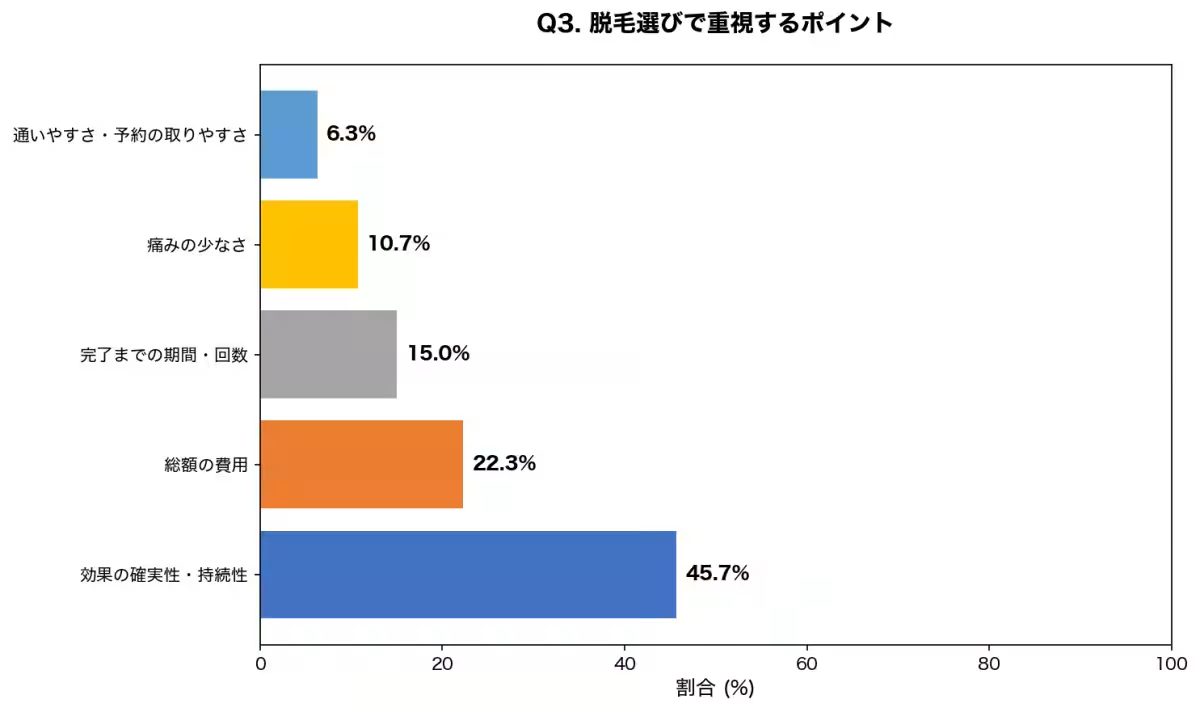
- - Importance of Results Over Cost: Nearly 46% indicated that “the guarantee of results” was the most crucial factor in their decision-making process as they prioritize efficacy over cost.
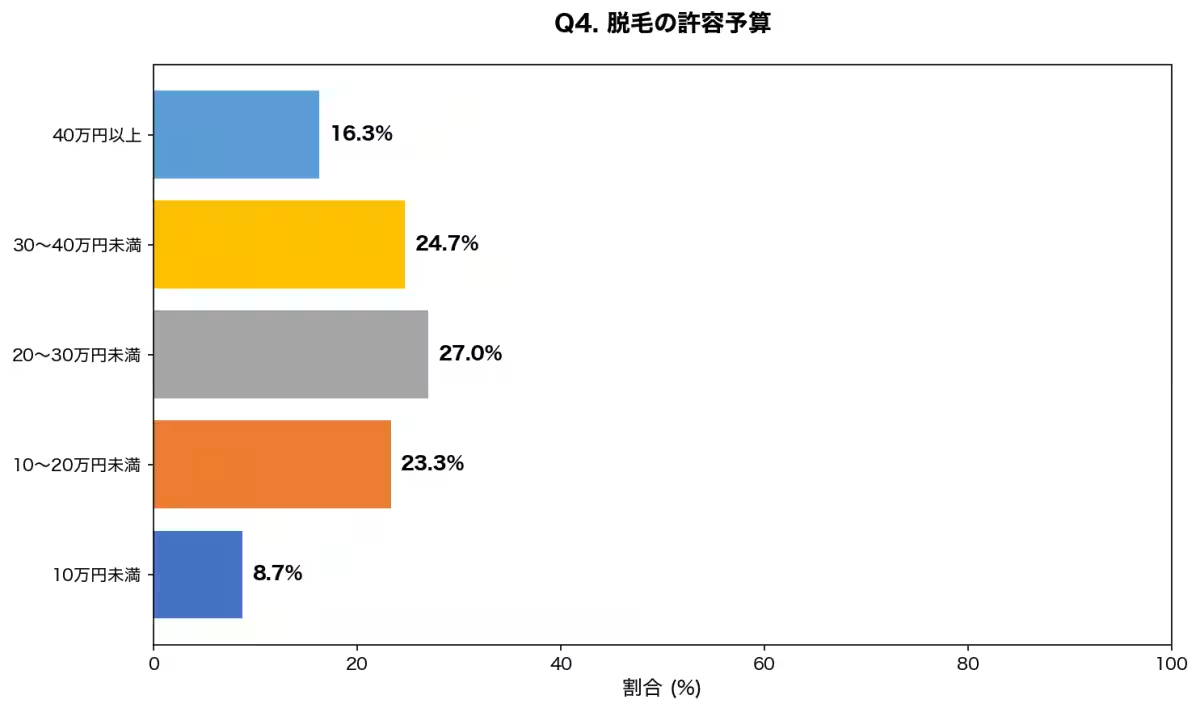
- - Budget Considerations: A significant majority would be willing to allocate 200,000 yen or more towards hair removal, exhibiting a readiness to invest in reliable solutions.
Consumer Insights
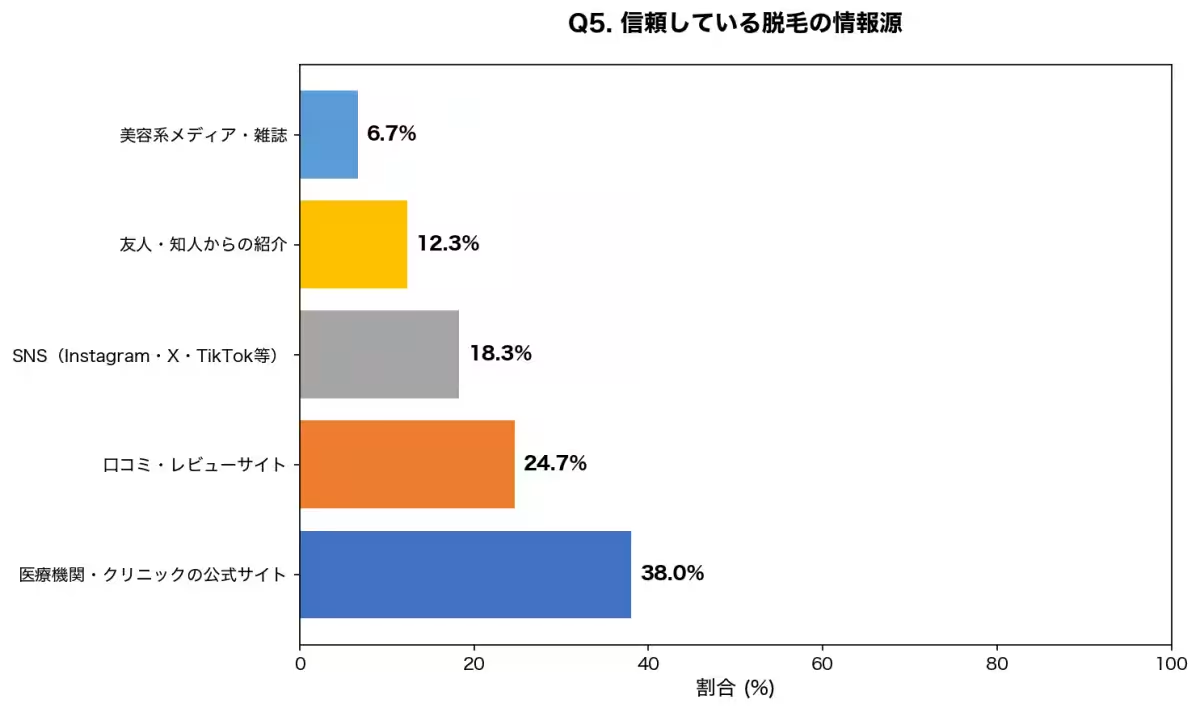
Changing consumer attitudes have revealed that people place great trust in professional medical sources over social media; 38% favor formal medical institutional guidance while regarding social media recommendations with skepticism. This demonstrates a critical need for accurate and trustworthy information about hair removal treatments.
Recommendations
To avoid regret in choosing hair removal methods, it is imperative to:
- - Recognize the exclusive permanence of medical procedures;
- - Thoroughly compare total costs and expected completion times;
- - Evaluate how skin complications will be managed;
- - Avoid falling for overly cheap advertising tricks; and
- - Clear doubts through consultations before committing to any treatment.
Dr. Kota Takakuwa's Advice: “Define your goals clearly. If permanent hair removal is the desired outcome, medical options are the sole way to achieve this, as mandated by law.”
Conclusion
The growing consumer trend indicates a need for greater awareness and understanding of the substantial differences between medical and beauty hair removal methods. Future decisions on hair removal should be made based on accurate knowledge about what each service can deliver, ultimately guiding individuals towards the most effective and satisfying treatment paths.
Topics Health)
【About Using Articles】
You can freely use the title and article content by linking to the page where the article is posted.
※ Images cannot be used.
【About Links】
Links are free to use.