


Strategic Support for Post-Disaster Administrative Reform in Ishikawa
Strategic Support for Post-Disaster Administrative Reform in Ishikawa
In response to the challenges arising from the 2024 Noto Peninsula Earthquake, Ishikawa Prefecture has taken a proactive approach to foster organizational transformation in its disaster-impacted municipalities—Wajima City, Tsubata Town, Shika Town, and Hodatsushimizu Town. The aim is to create sustainable solutions while addressing the pressing challenges of limited human resources that these areas face in rejuvenating both administrative services and disaster recovery efforts.
The Persol Group, particularly its subsidiaries, Persol Business Process Design Inc. and Persol Work Switch Consulting Inc., leveraging their extensive experience in providing support to local governments, have been entrusted with the "Disaster-Affected Municipality Business Reform (BPR) Support Project" by Governor Yoshiyuki Yamano of Ishikawa Prefecture. This initiative is designed to lay down a solid infrastructure for promoting Business Process Re-engineering (BPR) within these municipalities. The joint efforts are encapsulated by the mantra, "Let’s work and smile together."
Background of the Initiative
With the aftermath of the Noto Peninsula Earthquake, the local administration is tasked with managing ongoing operational activities alongside widespread recovery and restoration projects. This delicate balance has led to a chronic shortage of manpower and resources, presenting significant hurdles to maintaining effective governance. Given these circumstances, Ishikawa Prefecture approached Persol Business Process Design and Persol Work Switch Consulting—firms with a proven track record in supporting administrative entities—to go beyond mere digital transformation and initiate substantive organizational reform.
Through the BPR Support Project, which commenced in November 2025 and is expected to span until March 2026, the participating municipalities aim to develop a tangible reform plan that is actionable and replicable across the entire prefecture.
Objectives and Achievements of the Project
The overarching goal is to facilitate systematic organizational reform through a structured support framework. Key phases were identified and executed:
1. Vision Development
Rather than imposing a singular ideal, the initiative focused on identifying attainable reform areas within the constraints faced by each municipality following the disaster. The result was a practical vision for reform tailored to the current challenges.
2. Status Assessment
A thorough assessment was carried out, involving detailed audits of existing operations and stakeholder interviews to unearth both manifest and latent needs. This phase helped define the gap between the current state and the envisioned future. By structuring this information, priorities for reform were established.
3. Plan Formulation
Building on the assessment outcomes, a reform strategy was crafted to avoid planning failures. Each municipality's operational context was taken into account, paving the way for a self-sustaining reform model with clear objectives and expected outcomes.
4. Implementation Preparation
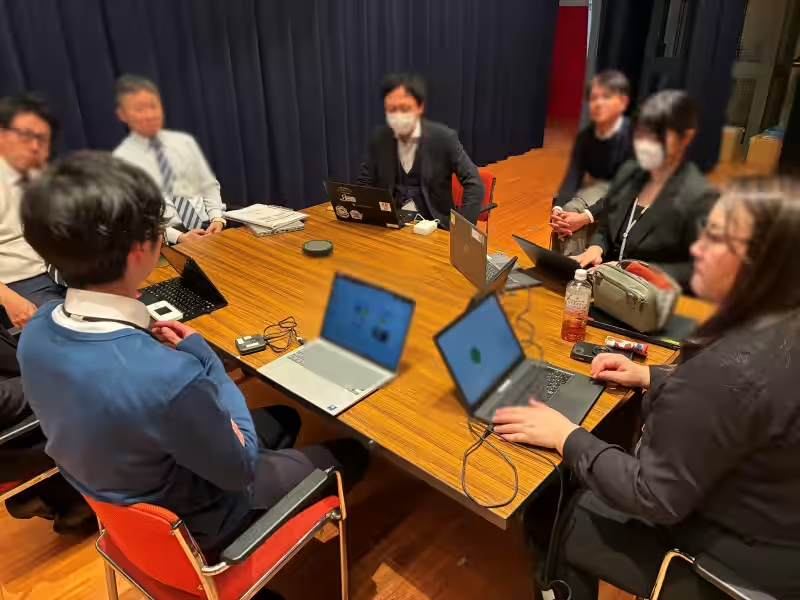
An actionable roadmap was created to help the relevant departments seamlessly transition into the improvement phase. This included task organization by phases and immediate support for pressing issues. Additionally, training sessions were convened across different hierarchical levels to foster collective readiness for BPR adoption.
Examples of Immediate Improvements
- - Fee Collection Department: Created a FAQ resource to standardize inquiries, enhancing knowledge retention.
- - Environmental Department: Automated the approval process, effectively halving processing times and encouraging a culture of innovation among staff.
- - Educational Administration Staff: Streamlined attendance monitoring utilizing an integrated management system, leading to significant labor reduction.
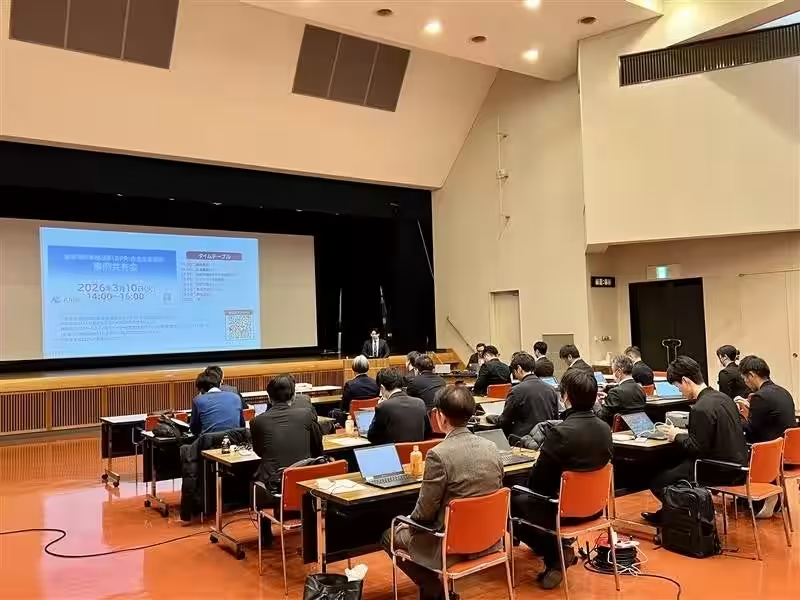
Furthermore, significant outreach was conducted to share BPR findings across the other municipalities, promoting collective engagement in the reform process.
Future Prospects
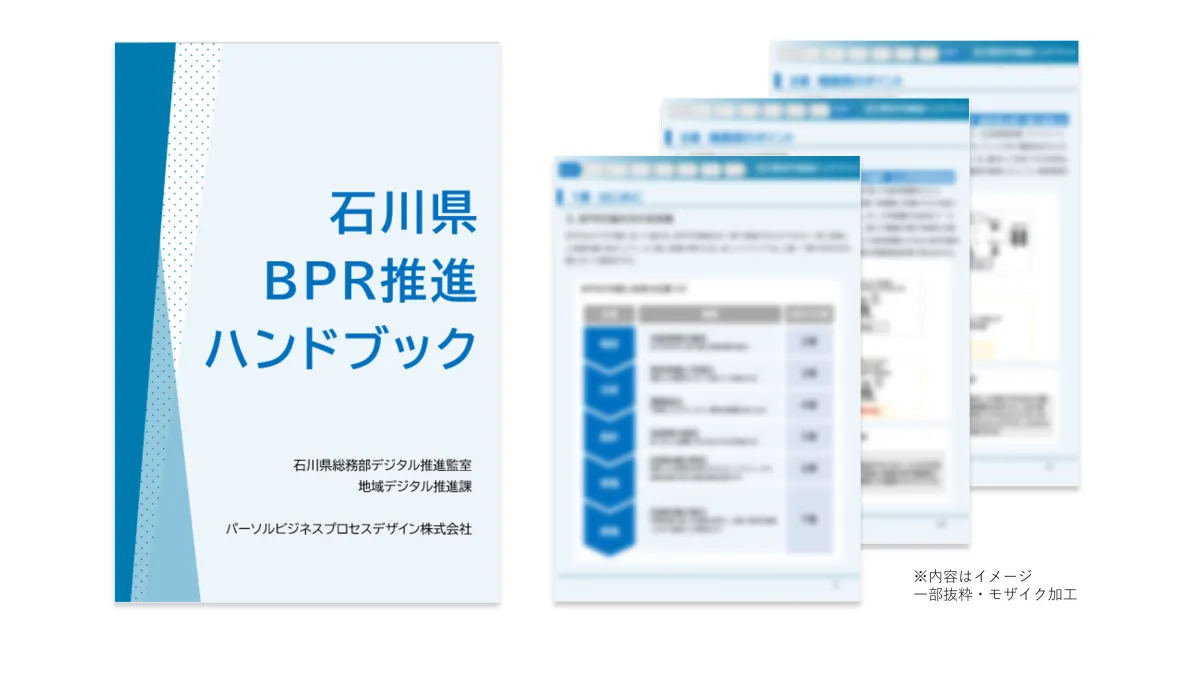
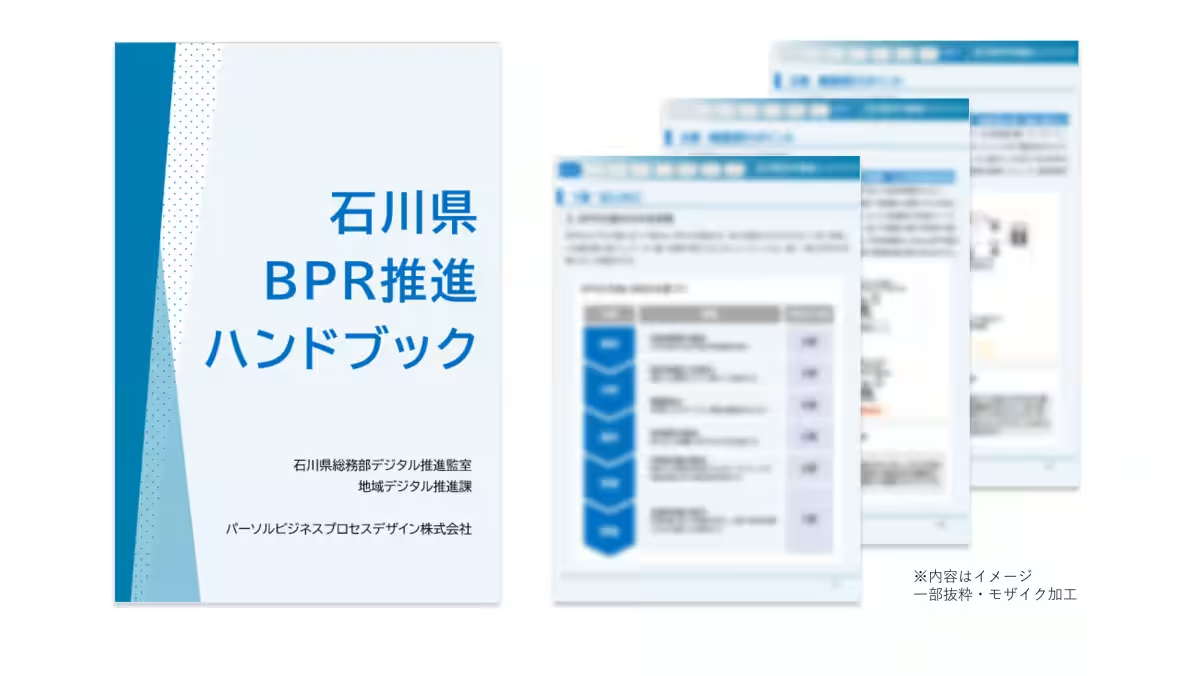
The "Ishikawa BPR Promotion Handbook," developed through the support project, is anticipated to serve as a shared foundation for ongoing administrative reform across all prefectural municipalities starting in 2026. The efforts demonstrated by Persol Business Process Design and Persol Work Switch Consulting are expected to play a crucial role in addressing municipal challenges not only locally but also in addressing potential nationwide concerns.
Conclusion
As Koji Shironoto, head of the Regional DX Promotion Group at Ishikawa's Digital Promotion Office, highlighted, innovative strategies grounded in BPR have paved the path for sustainable administrative practice while enhancing service delivery. The grassroots engagement and contributions observed signal a promising avenue for sustainable future governance in Ishikawa Prefecture.
The ongoing collaboration and lessons learned through this initiative emphasize the vital need for systemic support structuring, guaranteeing that these municipalities not only recover but thrive beyond the horizon of disaster response. Both Persol companies are committed to nurturing this ongoing journey, reinforcing the shared vision of a resilient community amid changing times.

Topics General Business)

【About Using Articles】
You can freely use the title and article content by linking to the page where the article is posted.
※ Images cannot be used.
【About Links】
Links are free to use.