



Enhancing Essential Emotional Intelligence for Students in the AI Era - A Workshop Recap
Workshop Recap: Bizme and Imajina's Collaborative Initiative
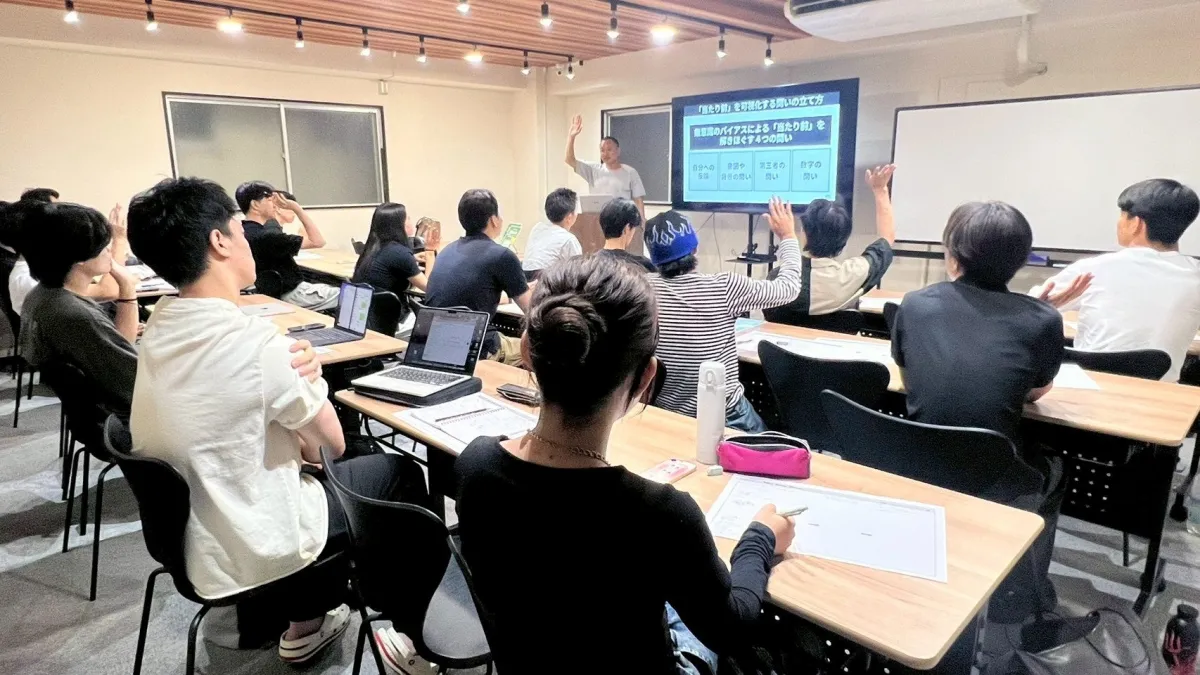
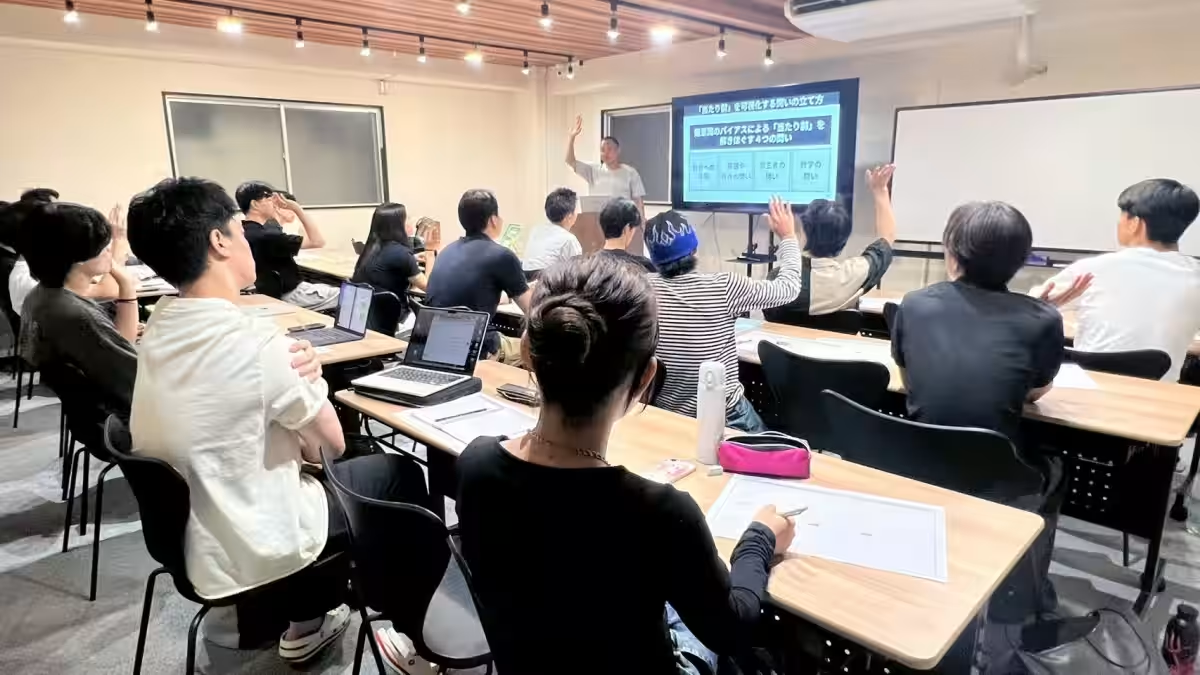
On July 9, 2026, Imajina Co., Ltd., a leading branding support company with over 3,000 successful projects, organized a special workshop titled “Enhancing Contributive EQ and Self-Understanding” for 17 members of the Bizme student association at Waseda University. The workshop, held in Tokyo, was aimed at fostering essential emotional intelligence (EQ) among students who will lead the next generation in a rapidly evolving job market shaped by AI technology.
The Importance of EQ in the AI Era
The workshop began by emphasizing the pivotal role of EQ in organizational success, referencing research by Harvard University professor Daniel Goleman, which indicates that 90% of success factors in a workplace can be attributed to emotional intelligence. The first segment delved into how individuals are often unconsciously affected by cognitive biases and misconceptions, encapsulated in Goleman’s research. Imajina’s president, Yoshiki Sekino, highlighted that the brain tends to prioritize “what it wants to see,” thus stressing the importance of self-reflection and understanding one’s emotions and thought processes. This sets the stage for EQ's four critical components: self-understanding, self-control, understanding others, and collaborative attitudes.
Media Literacy and Insightful Questioning
In today’s world, characterized by misinformation, media literacy has become increasingly essential. The workshop emphasized that discerning the truth is akin to a form of national defense. Students learned that developing a mindset aimed at improvement is rooted in intellectual humility – the acknowledgment of one’s knowledge limitations. The interactive component introduced four probing questions that challenge assumptions: 1) Counterarguments to oneself, 2) Questions about intent and context, 3) Questions from a third-party perspective, and 4) Number-driven inquiries to identify factual bases.
Cultivating Contributive Morality
Participating students were introduced to Lawrence Kohlberg’s theory of contributive morality, which is essential for overcoming a narrow focus on cost-efficiency and a passive approach in job-seeking behaviors. Understanding the first stage of moral development—the awareness of societal contributions—encourages individuals to move from a self-centered perspective to one that embraces their crucial role within the community. Participants explored the transformative idea of comparing their current selves not with peers but against their past selves to recognize and activate their unique potential.
Dynamic Dialogues and Student Feedback
The workshop was highly interactive, sparking compelling dialogues. When students inquired about Japan's lack of investment in EQ, Sekino responded candidly, providing insights into Japan's distinctive employment practices. Participants also examined the growing trend of delegating all decision-making processes to AI, recognizing that the nuances of emotional understanding cannot be replicated by machines. As a result, students reflected profoundly on their previously passive attitudes and recognized the necessity of being proactive in their learning journey.
Realizing the Impact of Leading Questions
Survey feedback from students underscored significant personal transformations:
- - One student expressed,
Topics People & Culture)
【About Using Articles】
You can freely use the title and article content by linking to the page where the article is posted.
※ Images cannot be used.
【About Links】
Links are free to use.