



Promoting Dam Management DX Through Securing Inspection with Secom's Technology
Advancing Dam Management through Technology
In recent years, Japan has faced increasing natural disasters, infrastructure aging, and a shortage of skilled technicians. Amid these challenges, effective and sustainable management of critical infrastructures like dams has become imperative. Secom Co., Ltd., headquartered in Shibuya, Tokyo, and its group company PASCO Corporation, located in Meguro, Tokyo, are actively engaged in advancing digital transformation (DX) in dam management through a collaborative initiative, the Chubu Dam DX Research Committee, led by Professor Yuki Toda from Nagoya University.
During the River Technology Symposium, one of the nation's most recognized platforms for discussing hydraulic engineering, the committee presented their findings, specifically focusing on the advanced inspection methodologies applied at the Osorikawa Dam. This study utilized autonomous flying drones for inspections, a pioneering move towards optimizing the efficiency and efficacy of dam management.
Autonomous Drone Technology in Action
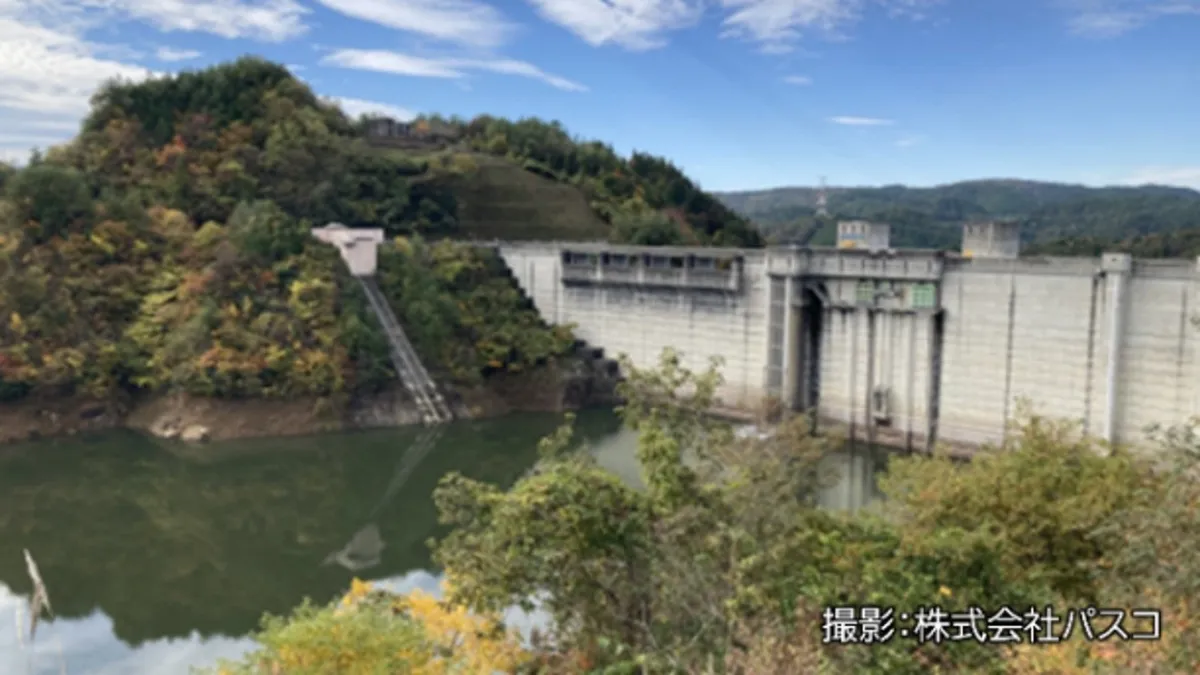
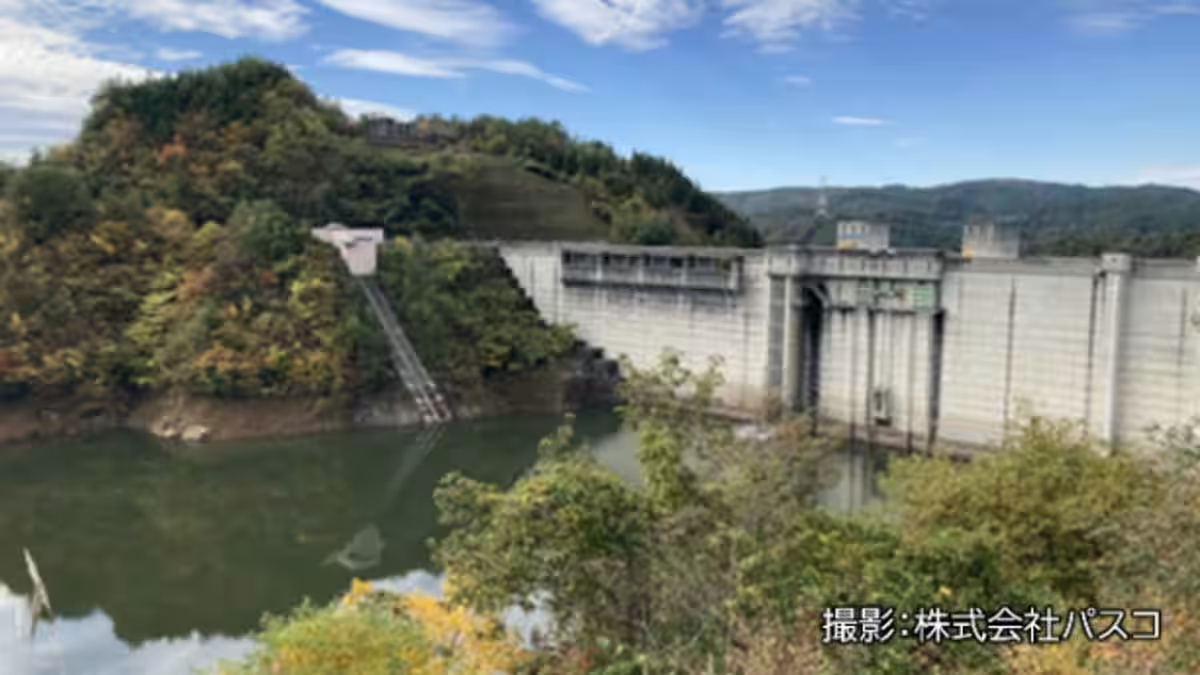
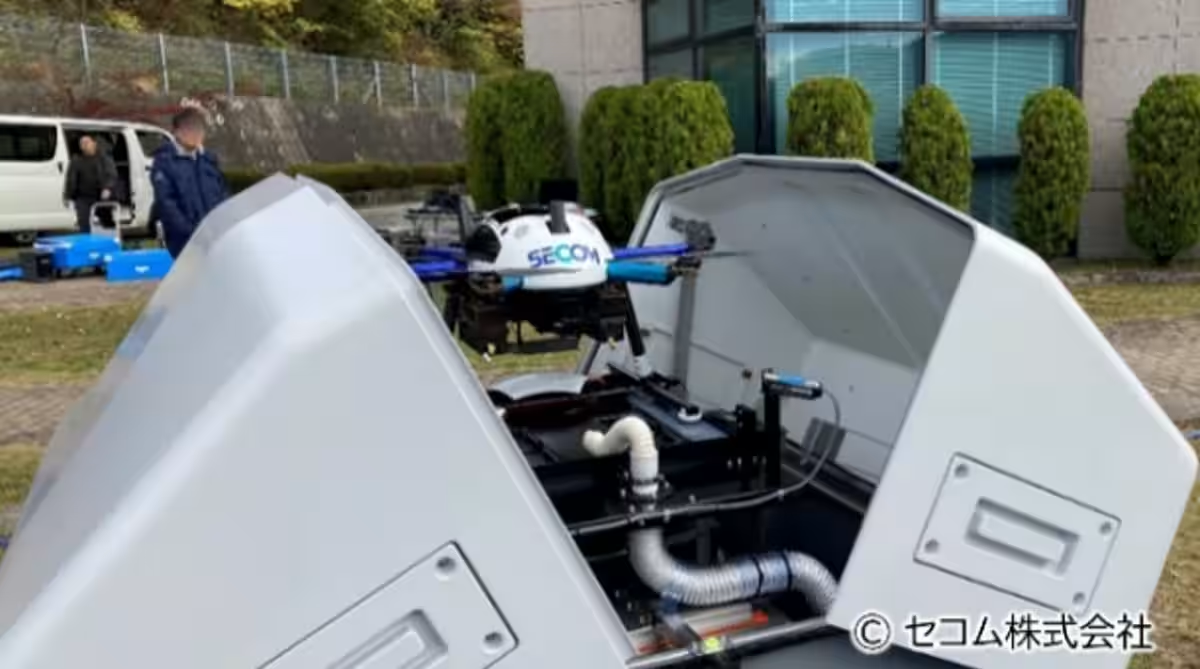
The Osorikawa Dam, overseen by the Ministry of Land, Infrastructure, Transport and Tourism's Chubu Regional Development Bureau, served as the testing grounds for this innovative project. The inspections utilized Secom's autonomous drone, known as the "Secom Drone XX," which is equipped with autonomous flight capabilities, remote monitoring features, and automated take-off and landing through coordination with drone ports. These technologies were pivotal in developing operational techniques aimed at automating dam inspections.
The data analysis, evaluation, 3D data processing, and operational model design were the responsibility of PASCO, renowned domestically for its top-tier spatial information technology. The results highlighted significant contributions toward standardizing a sustainable model for dam management that balances human resource optimization with technological advancement.
Challenges in Dam Management and the Need for DX
The increasing severity and frequency of disasters have heightened the urgency for proper infrastructure management. Traditional inspection methods involving visual checks or boats have proven inadequate, raising safety and efficiency concerns. To address this, the Chubu Dam DX Research Committee was formed in November 2025, bringing together academics from Nagoya University, Gifu University, Aichi Institute of Technology, and representatives from the government and private sectors, including Secom and PASCO.
The committee aims to leverage cutting-edge technologies such as autonomous drones, high-precision sensing, AI analysis, and cloud data management to revitalize dam management practices with a focus on safety, sustainability, and efficiency.
Future Initiatives for Social Implementation of Dam Management DX
The recent test flights demonstrated the effective application of technology in providing extensive situational awareness through direct overhead captures of the dam slopes. The stability of drone flying and the potential practical applications for the acquired data indicated a promising new methodology for dam inspections.
Looking ahead, goals include fully automating inspection processes by integrating flight, photography, data accumulation, and analysis into one cohesive system. Furthermore, efforts will focus on enhancing the detection technology using three-dimensional analysis and AI.
The advancements made in this project aim to establish a standard model of dam management DX, which could ideally see nationwide adoption based on the successful outcomes observed from the Osorikawa Dam. This initiative not only showcases the effective integration of technology into traditional infrastructure management but also significantly contributes to the longevity and safety of critical resources.
Conclusion
Through this innovative application of drone technology in dam management, Secom and PASCO are leading pivotal advancements toward a more sustainable and efficient framework for the future of infrastructure maintenance. The Chubu Dam DX research represents a significant leap forward in addressing the challenges faced by aging infrastructure, making this collaboration an exemplary model for future projects.
For further information regarding Secom's advancements, visit their official press release here.
Topics General Business)
【About Using Articles】
You can freely use the title and article content by linking to the page where the article is posted.
※ Images cannot be used.
【About Links】
Links are free to use.