



Investors Show Strong Intent to Use Winter Bonuses for Investment in 2025
Investor Intentions for Winter Bonuses in 2025
In a recent survey conducted by Funds Inc., which operates a fixed-return investment service, it was revealed that a significant proportion of investors plan to use their winter bonuses in 2025 primarily for investment purposes. The study surveyed 2,860 Funds subscribers from November 24 to 30, 2025, amidst increasing inflation and declining real wages in consumer markets.
Key Findings
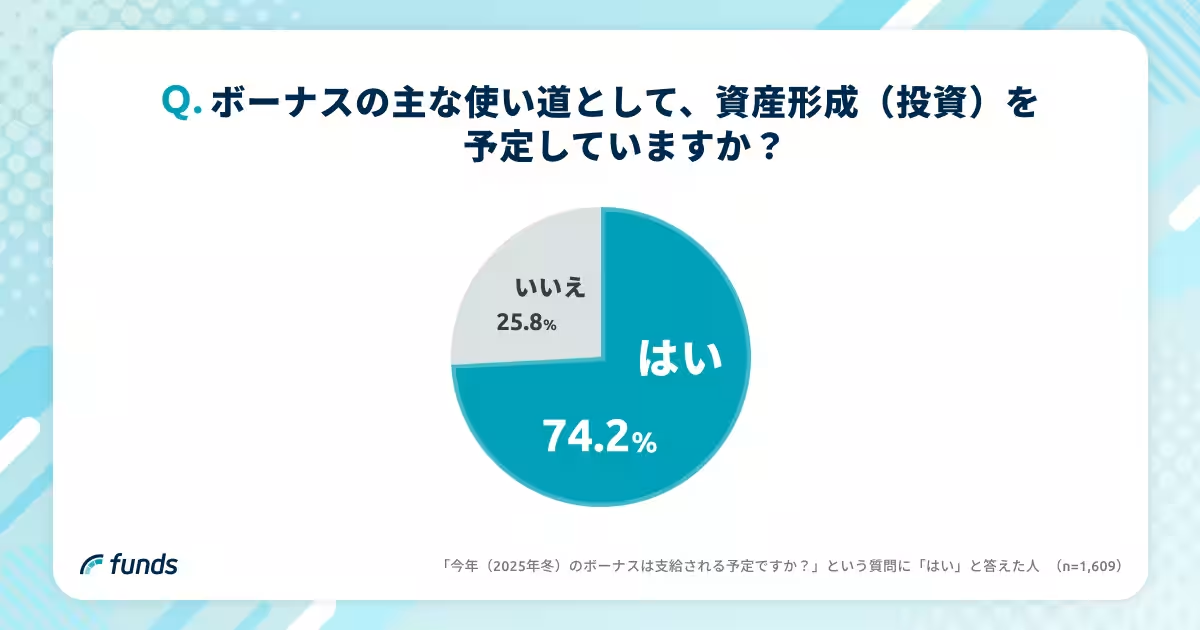
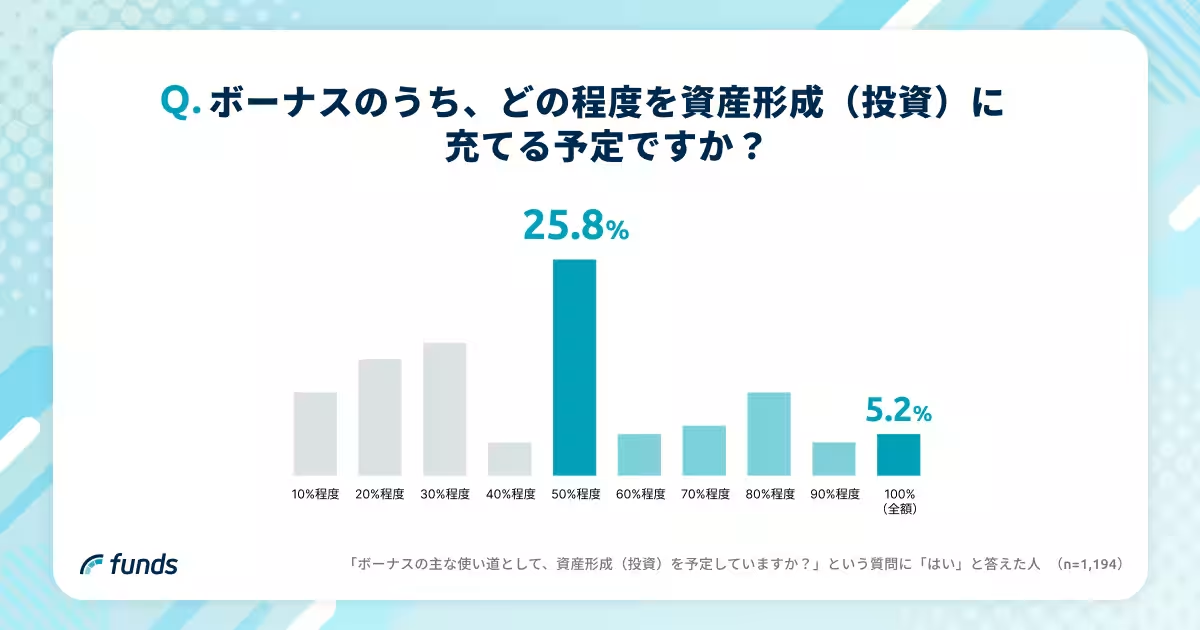
Approximately 75% of the surveyed investors indicated that they intend to allocate their bonuses primarily for asset formation or investment. Among these investors, nearly 25% plan to invest around 50% of their bonuses, highlighting a proactive approach towards wealth building. Additionally, about 5% of the respondents aim to invest their entire bonus, indicating a considerable commitment towards investment.
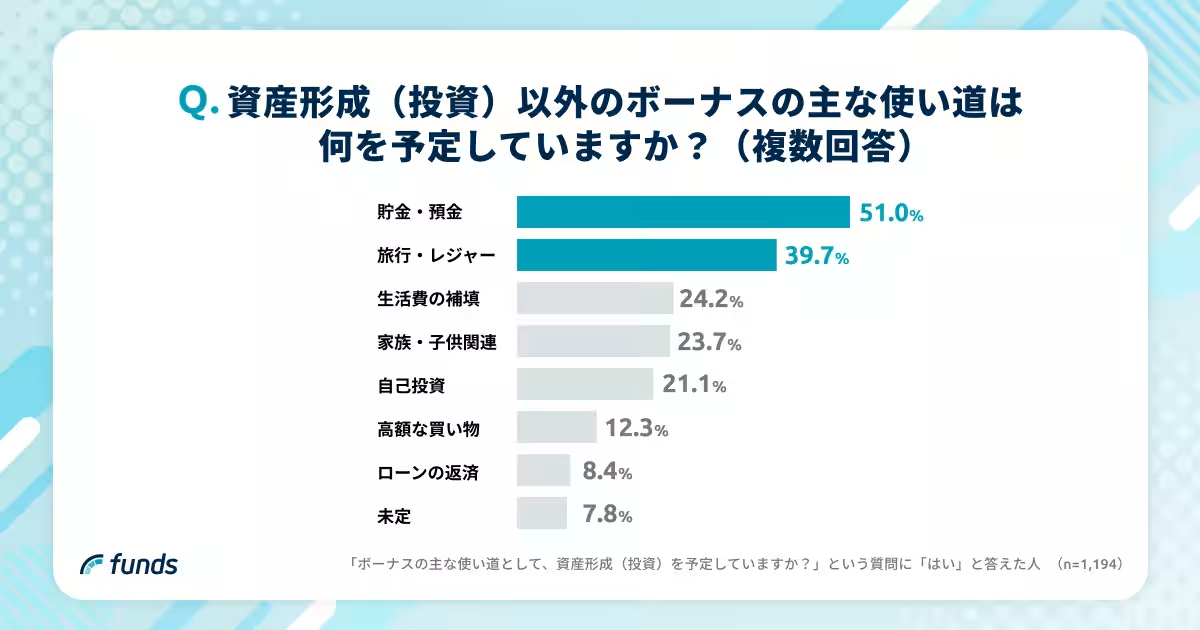
The survey also uncovered that 51% of respondents plan to save or deposit a portion of their bonuses, while 39.7% expressed intentions to spend on travel or leisure. This aligns with the broader trend of prioritizing savings and investments over consumer spending amidst rising living costs.
Demographic Insights
When analyzing investment intentions based on bonus amounts, it was noted that higher bonuses correspond with an increased likelihood of investment. For instance, 85.7% of those receiving bonuses over 5 million yen expressed their intent to invest, compared to only 61.8% of those expecting less than 500,000 yen.
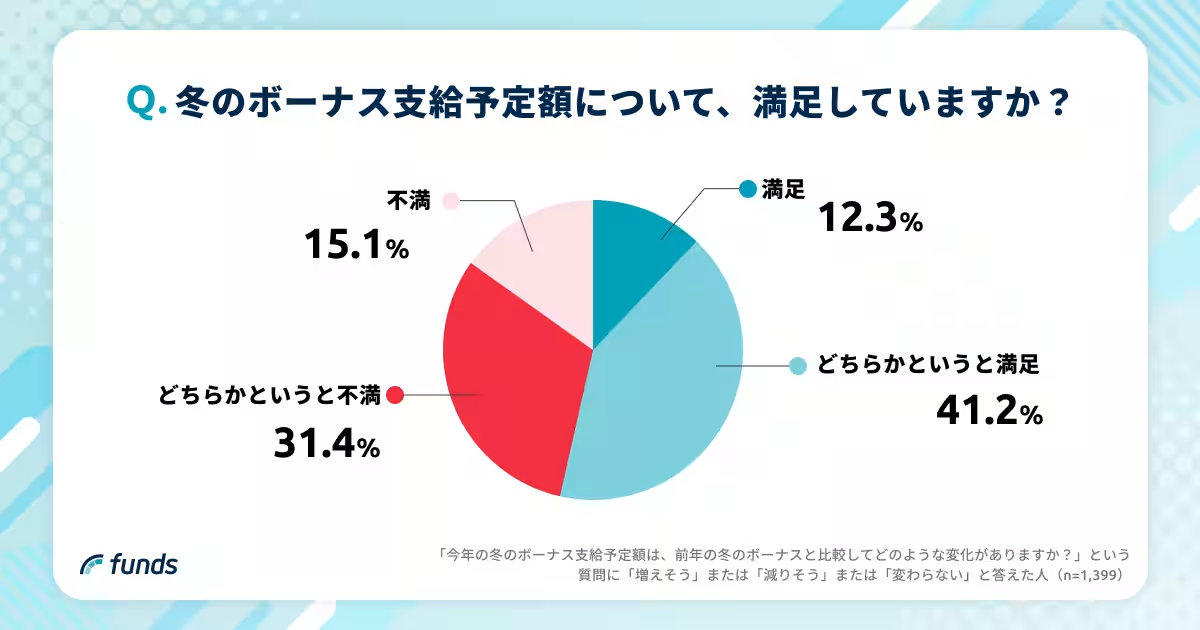
Age-wise, investors in their 50s exhibited the highest investment intent at 79.3%. This suggests that this demographic is particularly focused on preparing financially for retirement. Meanwhile, 49.3% of investors in their 30s expressed dissatisfaction with their bonus amounts, mainly due to inflation and increased tax burdens.
Unpacking Investor Dissatisfaction
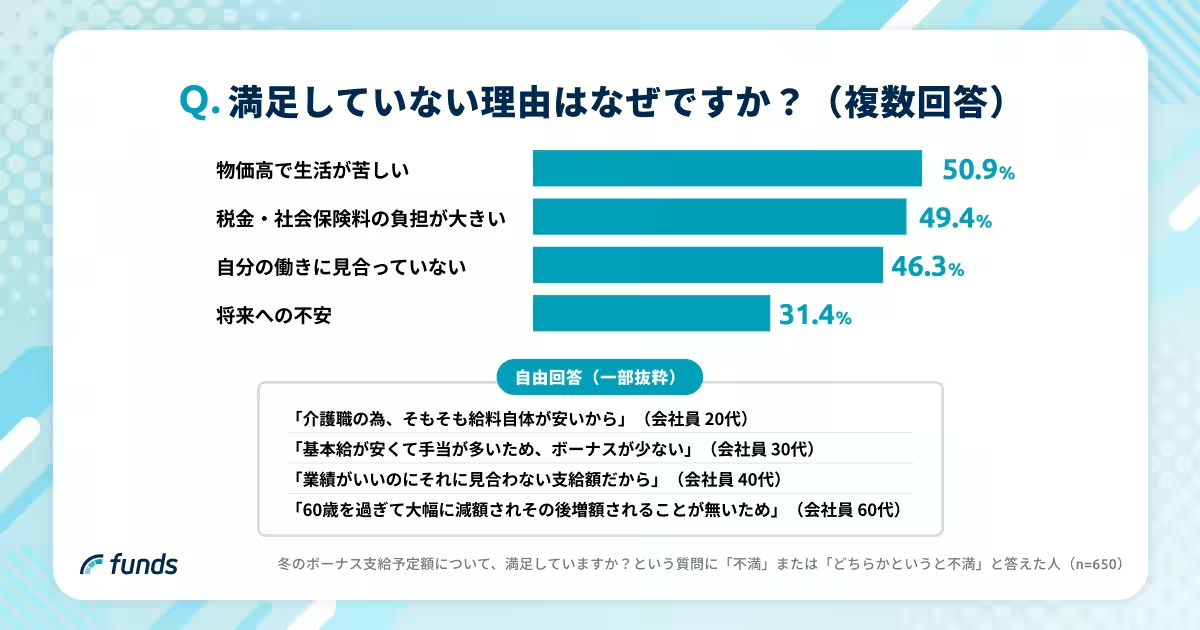
The dissatisfaction among 30-somethings is notable, with significant pressure from rising costs associated with mortgages and child-rearing. Over half of this age group (50.9%) reported that the consequences of inflation affect their satisfaction with bonus amounts. Their concerns reflect a broader sentiment among various age groups, emphasizing the economic pressures faced in today’s financial landscape.
Impact of Inflation on Bonus Allocation
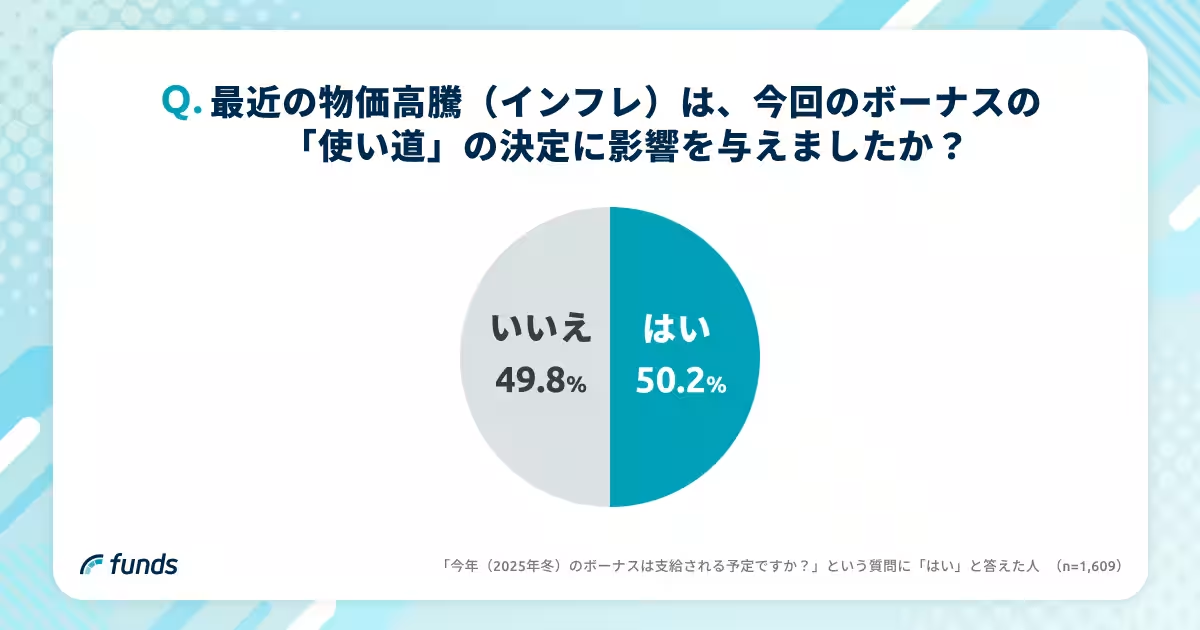
Notably, inflation has directly influenced how investors plan to utilize their bonuses. Approximately 50.2% of respondents confirmed that rising prices have shaped their spending decisions—opting for investments or savings rather than mere consumption. This trend illustrates a heightened awareness of maintaining financial stability in face of escalating living costs.
Interest in Funds | Flexibility and Security
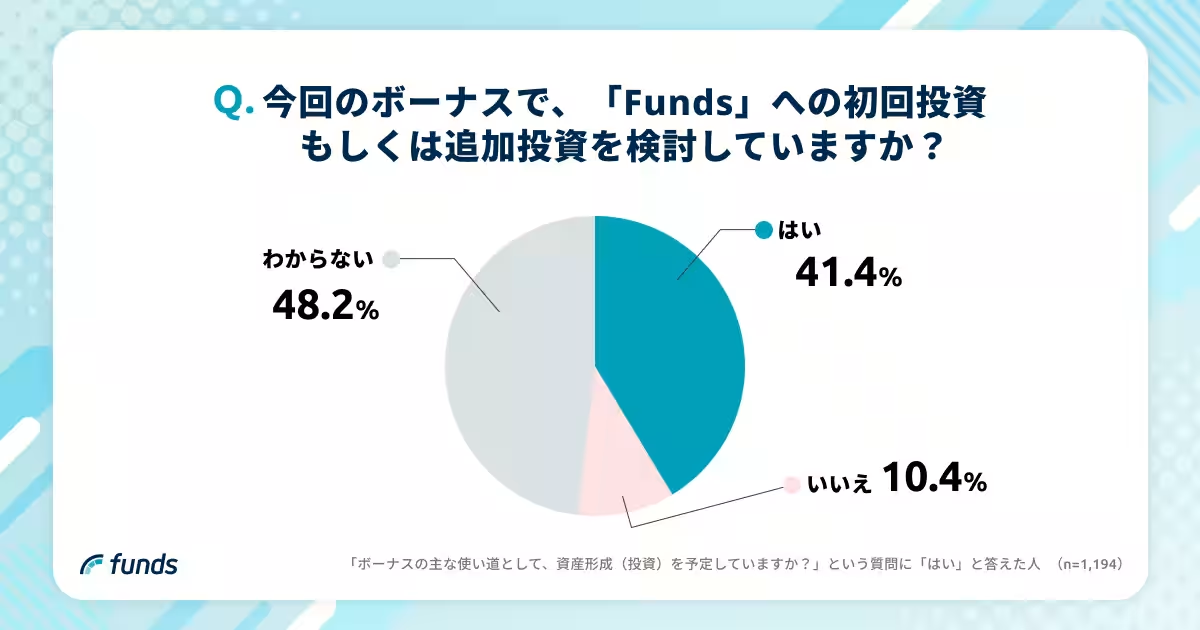
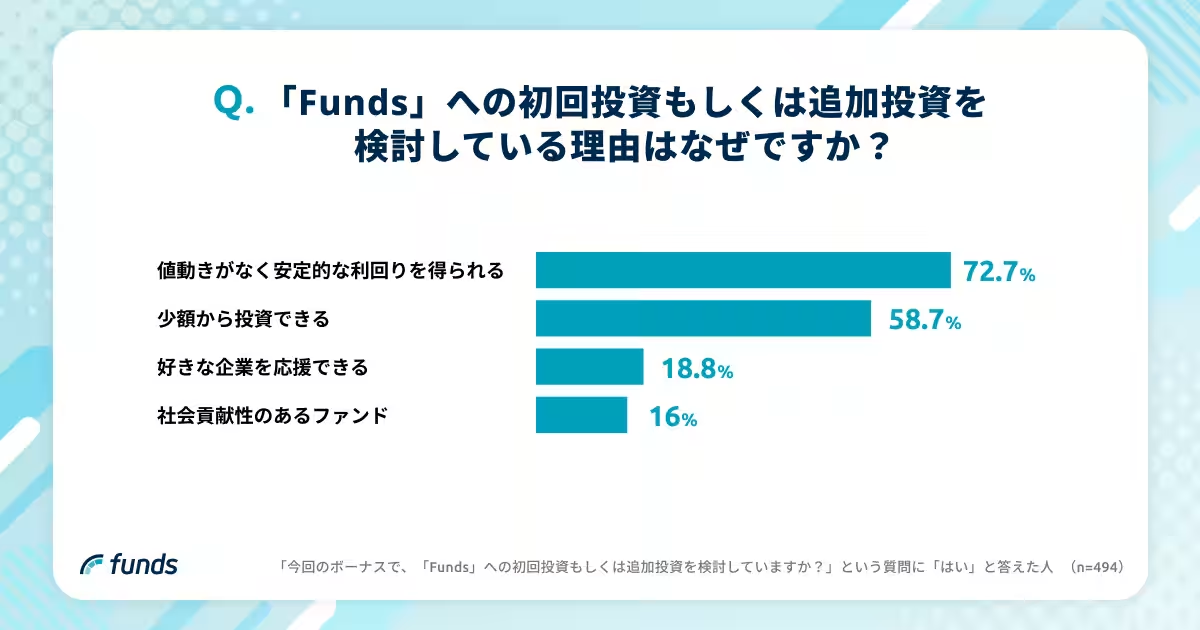
Interestingly, of those willing to invest, 41.4% considered using funds for initial or additional investments based on their bonuses. The appeal of Funds lies in its promise of stability along with ease of investment. The absence of market fluctuations allows investors to manage their finances with greater peace of mind. The option to invest from as little as 1 yen further lowers barriers to entry, making investing accessible to more individuals.
As income levels are under scrutiny due to economic uncertainty, this trend showcases a collective desire among investors to secure their assets through calculated financial moves. Funds Inc. remains committed to facilitating this investment approach, aiming to foster new connections and shared understanding between individual investors and businesses.
Conclusion
As the economic landscape continues to evolve, the insight gathered from Funds’ survey underscores a significant shift in investor behavior. With a strong inclination to prioritize investment amidst rising living costs and diminishing wage growth, 2025 could see a marked increase in proactive asset management strategies among a diverse demographic of investors. Investors appear resolute in transforming their bonuses into strategic financial opportunities, a trend that is not only reactive but also anticipatory of future economic challenges.
Topics Consumer Products & Retail)
【About Using Articles】
You can freely use the title and article content by linking to the page where the article is posted.
※ Images cannot be used.
【About Links】
Links are free to use.