



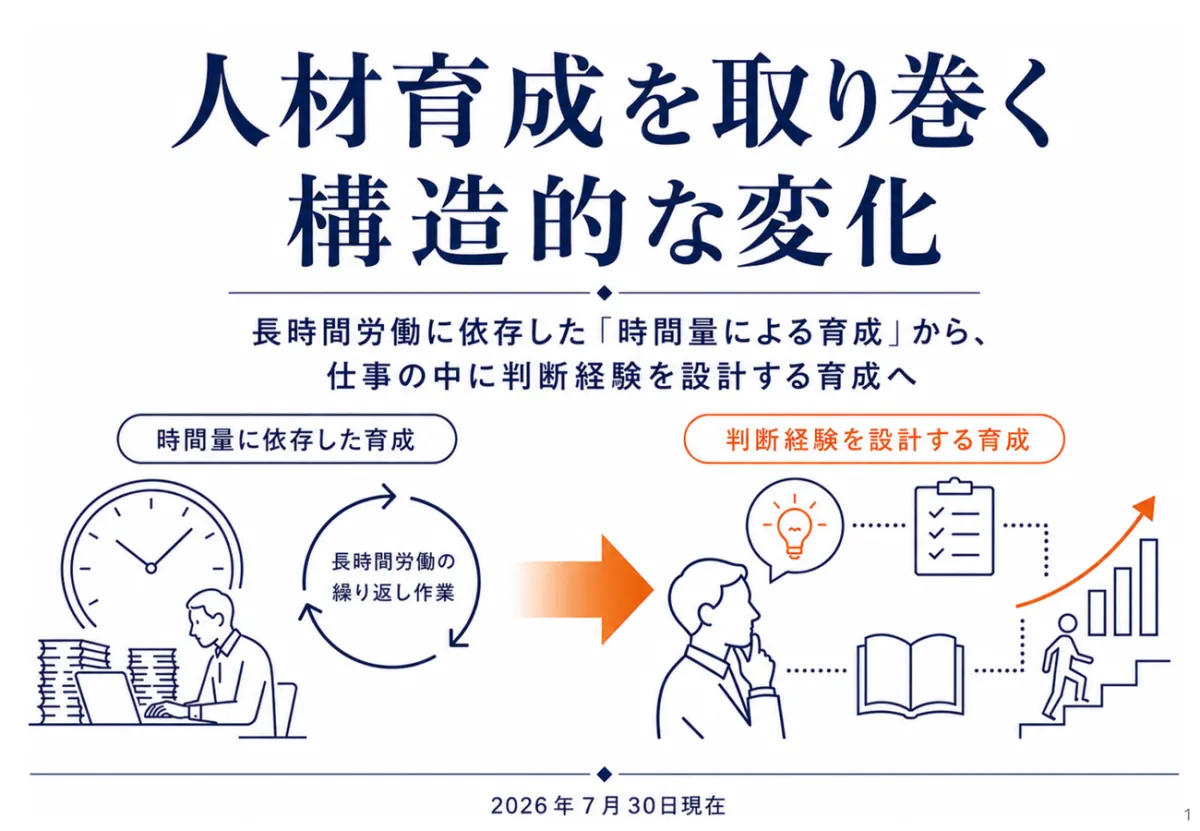
Redefining Human Resource Development in Japan's Workforce for Future Success
Redefining Human Resource Development
In Japan, a staggering 80% of businesses are grappling with significant challenges related to workforce development. This issue comes to the fore with the release of a report by Request Inc. on July 30, 2026, titled 'Structural Changes Surrounding Human Resource Development’. This six-page document elaborates on how the very foundations of employee training have evolved.
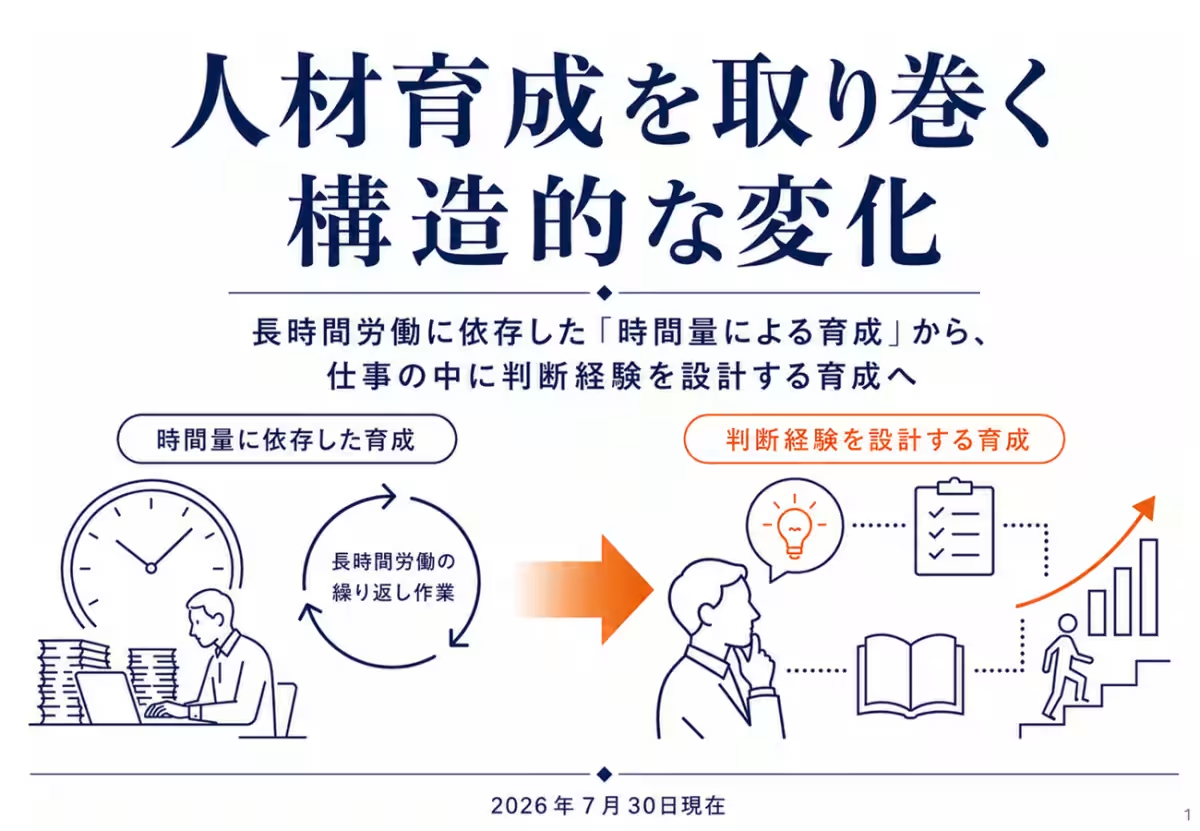
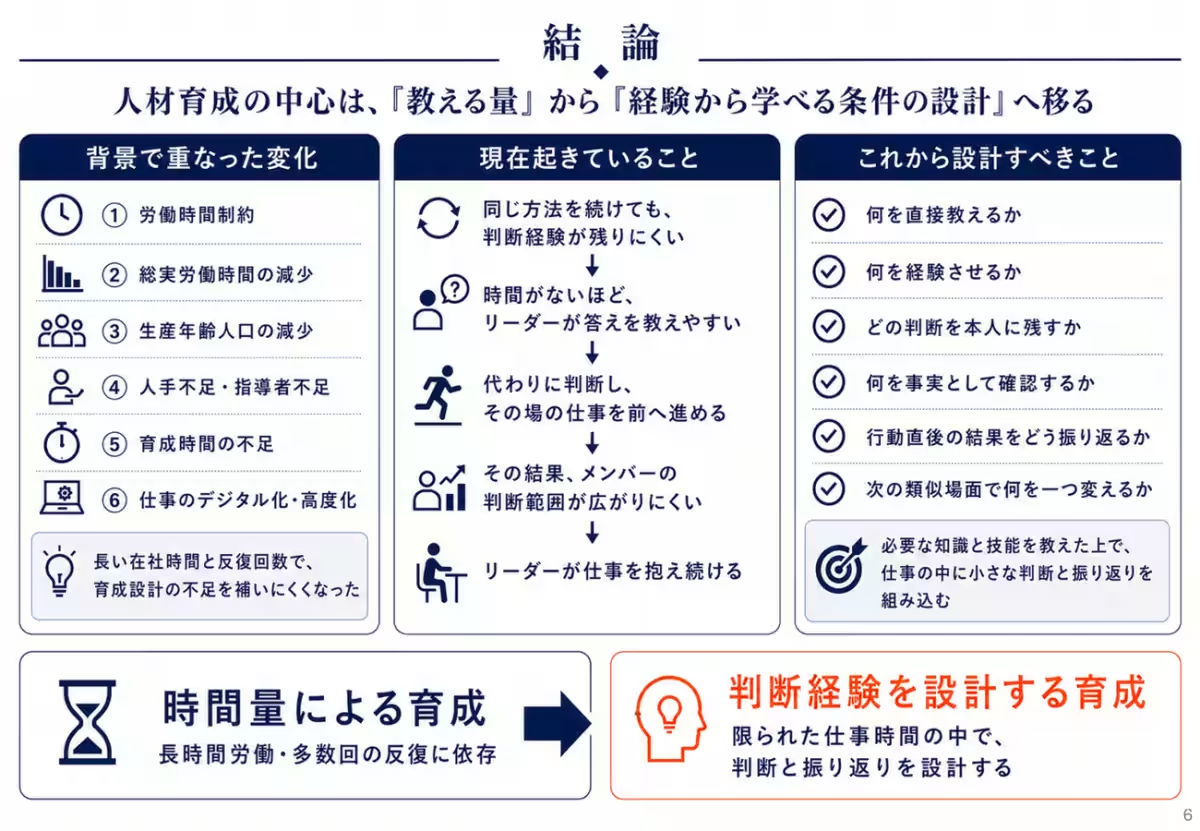
The report underscores the shift from traditional, time-intensive development approaches to a more nuanced design that emphasizes experiential learning and decision-making. With Japan's average annual working hours on a steady decline—from 2,092 hours in 1988 to an anticipated 1,617 hours by 2024—the need for effective training solutions has never been more critical.
The Shift in Work Hours and Its Implications
New regulations on overtime have altered the landscape of workplace hours, starting with large companies in April 2019 and extending to smaller enterprises by April 2020. Despite these changes, the Ministry of Health, Labour and Welfare's 12th Basic Plan for Skilled Worker Development revealed that approximately 80% of companies still struggle with effectively training employees. Common concerns include:
- - A shortage of qualified trainers (59.5%)
- - Employee turnover after training (54.7%)
- - Insufficient time to train (47.4%)
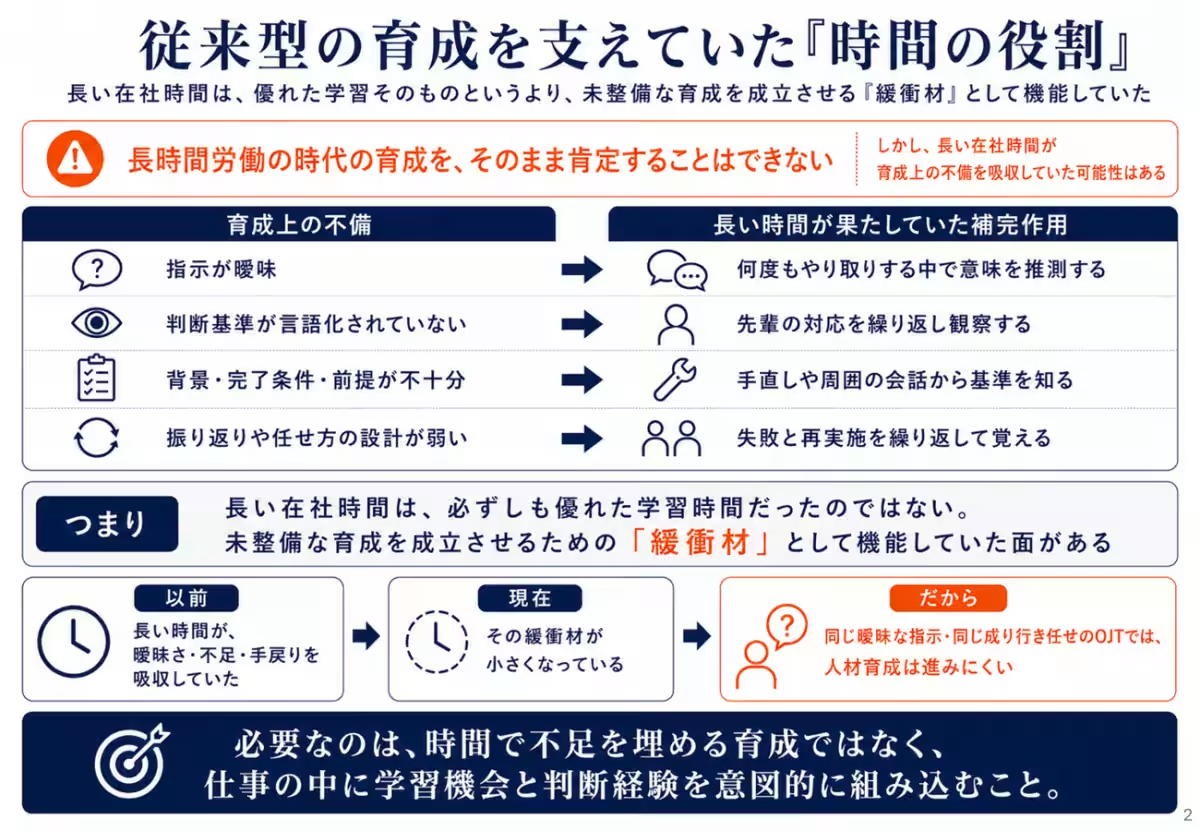
With less time available and an increase in responsibilities for trainers, merely adding more training hours or resources might not adequately fill the gaps in experiential learning opportunities that once occurred naturally in environments with longer hours.
Designing Work Experiences that Foster Learning
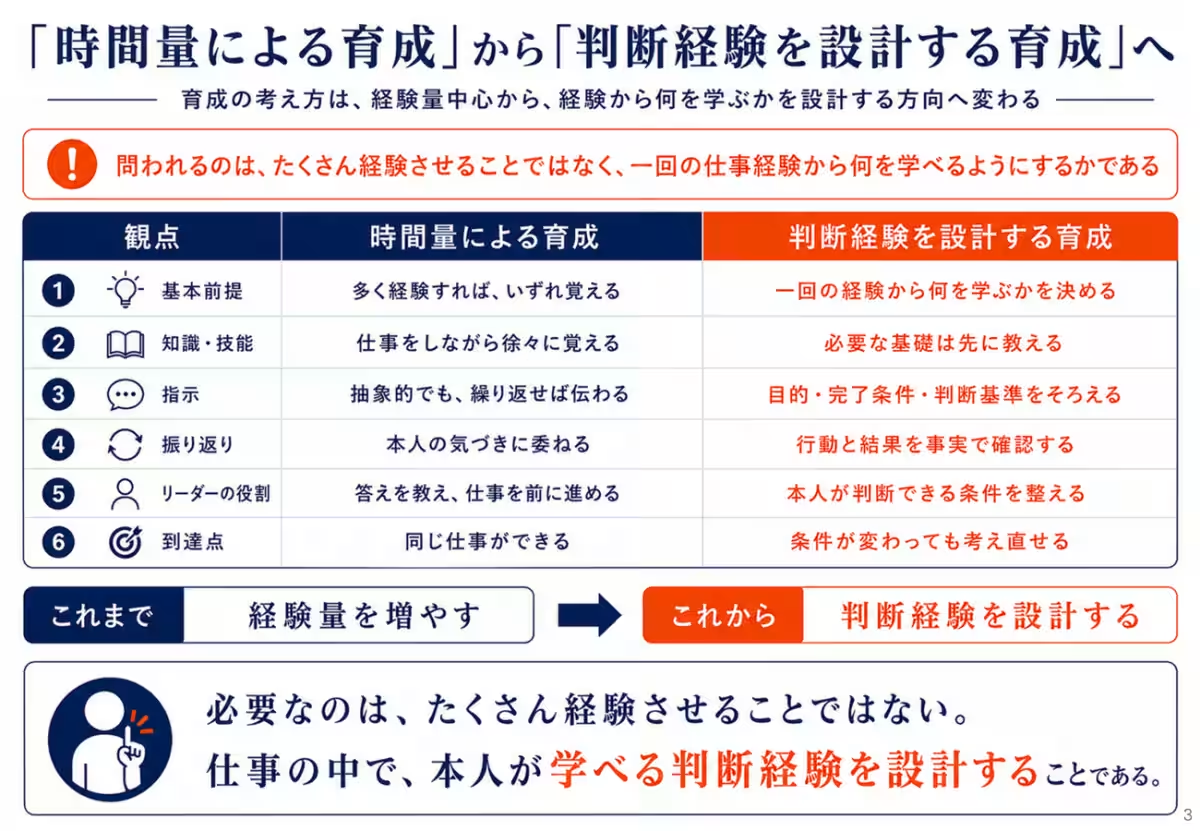
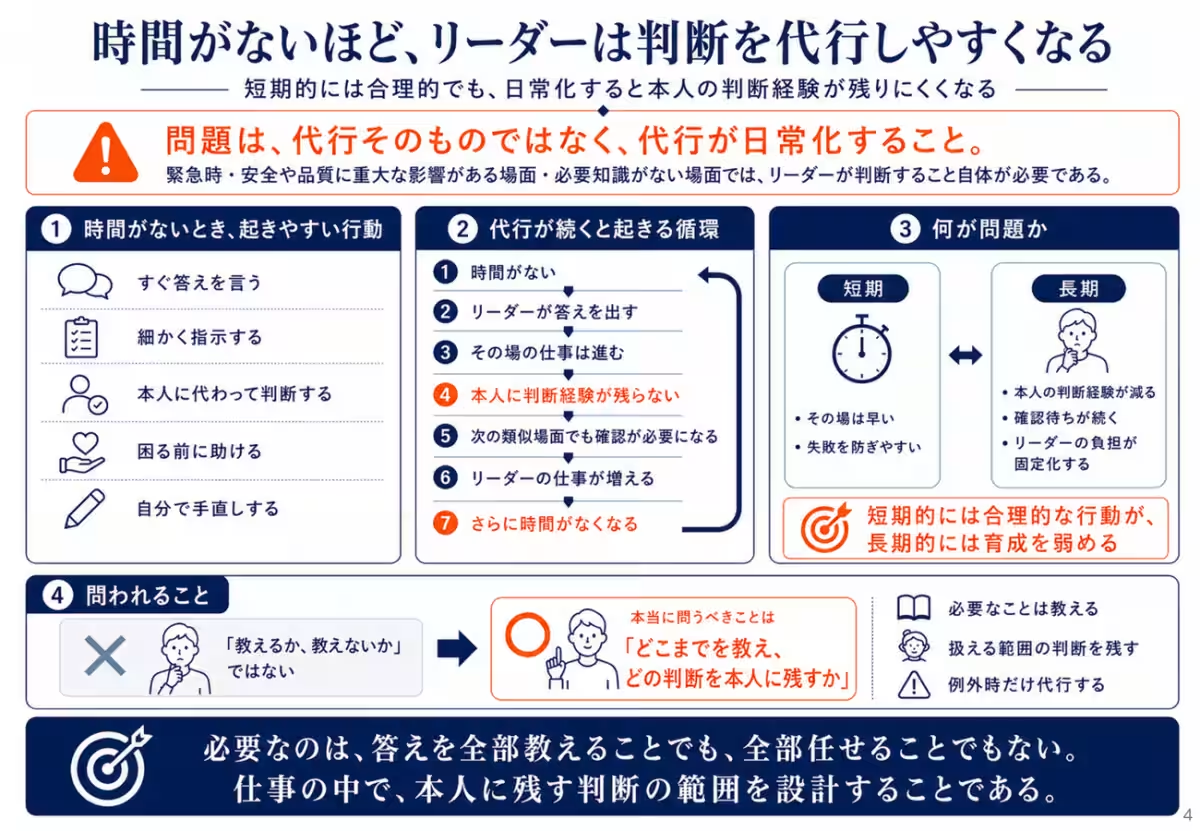
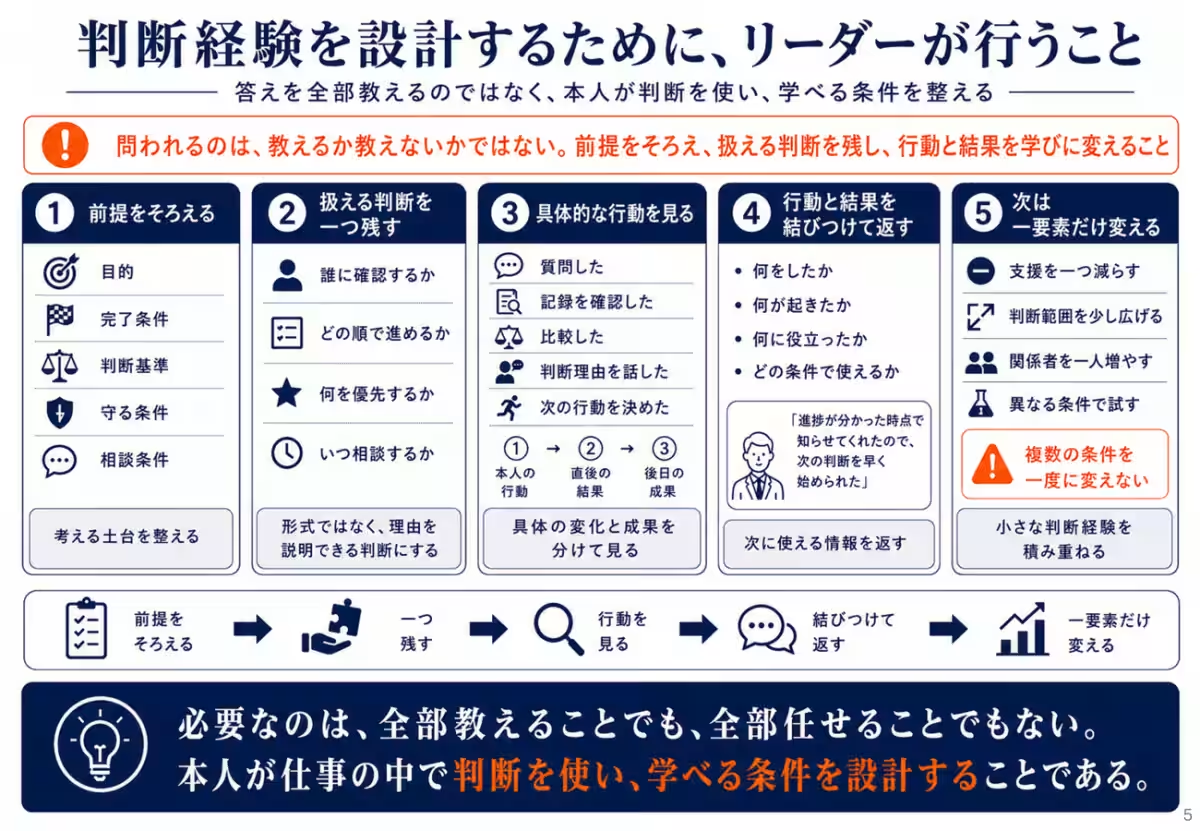
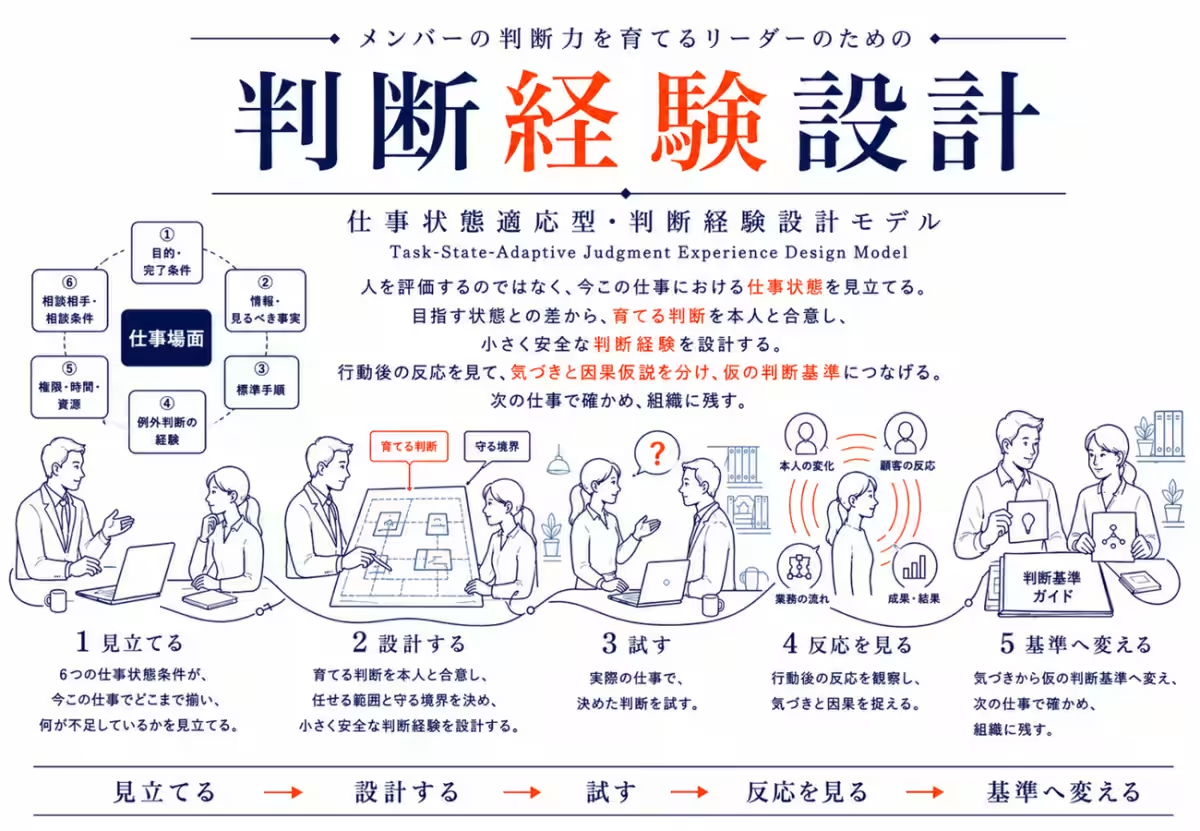
As working hours decrease, the challenge lies in strategically integrating learning opportunities into everyday tasks. Workforce development must not solely focus on the number of training sessions; it should also consider where in the workflow employees can exercise judgment and learn from their decisions. This requires a fundamental redesign of how we view and conduct training.
In addressing why all six pages of the report are made available, the intent is to showcase the comprehensive nature of these challenges. Focusing on only parts of the discussion could lead to an oversimplified interpretation, such as believing that long hours inherently foster development or suggesting that leaders ought not to teach.
This publication does not advocate for extended working hours or neglect the teaching of essential skills. Instead, it seeks to clarify the necessary moments in which knowledge should be imparted directly and where the responsibility for decision-making should be left to the employee, balancing guidance from leaders and individual autonomy.
Application Beyond HR Policies
While the human resources or talent development departments may create the training programs, it is crucial that the design of everyday tasks—including who makes what decisions—be a collective responsibility determined by the team structure and leadership engagement. To effectively transform workforce development, the initiatives surrounding training need to align seamlessly with workplace practices.
This report serves as a valuable discussion tool in situations such as:
- - Revisiting the workforce development policy among management and HR personnel
- - Evaluating if on-the-job training (OJT) has become merely a repetitive transfer of information
- - Analyzing workloads and assessing whether decision-making responsibilities are too centralized
- - Redesigning task allocations in the context of introducing AI and digital tools
Insights from the CEO
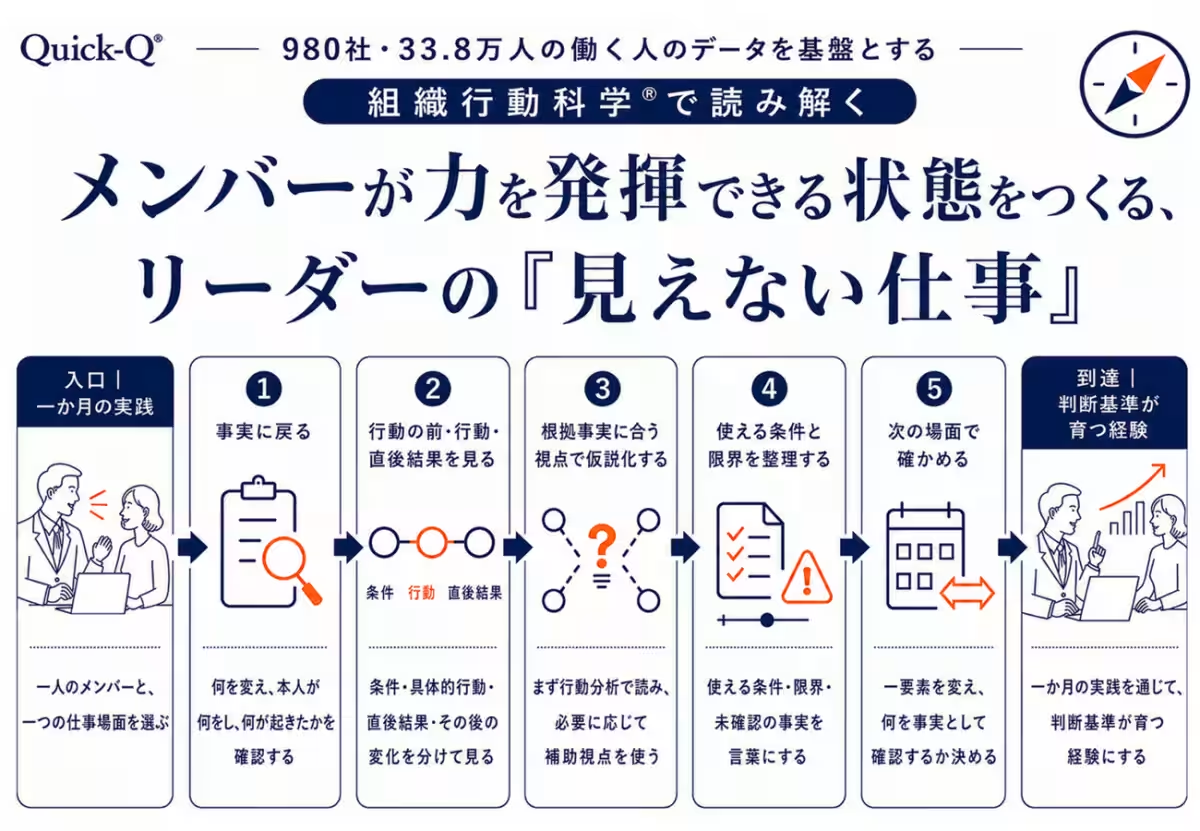
Tomoyasu Kohata, CEO of Request Inc., emphasizes the crucial distinction between reducing work hours and diminishing opportunities for employee growth. As organizations adapt to shorter hours, it is no longer enough to rely on the fortuitous overlap of time and repetition for learning. Instead, the focus shifts to meticulously designing work that fosters learning, enabling employees to verify facts, make informed choices, and reflect on outcomes.
This six-page report aspires to broaden the conversation beyond merely teaching in training programs to encompass the critical elements of decision-making employees should retain during their day-to-day tasks.
Conclusion
The publication, rooted in public statistical data alongside research from 980 companies and 338,000 employees, offers a practical framework for rethinking human resource development amidst an evolving labor landscape. It assesses how long-hours work correlates with employee development, advocating for a tailored approach dependent on specific job requirements, experiences, and safety regulations. By leveraging this report, organizations can synergize training strategies with real-world applications to better equip their workforce for the challenges ahead.
For further insights into workforce development and organizational behavior science, visit Request Inc.'s official site.



Topics People & Culture)
【About Using Articles】
You can freely use the title and article content by linking to the page where the article is posted.
※ Images cannot be used.
【About Links】
Links are free to use.