



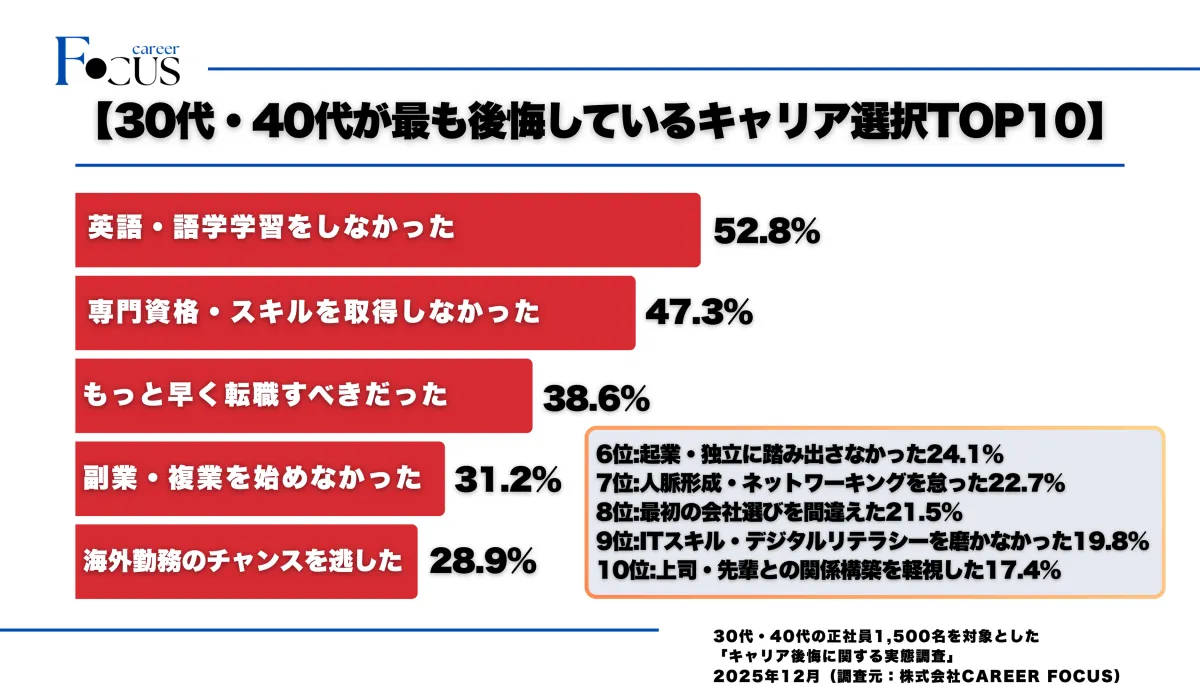
Top 10 Career Regrets for Workers in Their 30s and 40s Revealed
Analyzing Career Regrets Among Professionals
Recently, CAREER FOCUS conducted a comprehensive survey among 1,500 full-time employees in their 30s and 40s, aiming to uncover the reality behind career regrets. The findings reveal that an overwhelming 84.7% of respondents acknowledged some form of regret regarding their career choices. This regret can equate to a staggering potential income loss, averaging approximately 18.5 million yen, and in some cases, up to 42 million yen over their lifetime.
Background of the Study
In recent years, the job market has seen a revitalization, leading to a diversification in career opportunities. However, this has also heightened the importance of decision-making at significant life junctures. The survey highlights the growing number of professionals expressing regret over the paths they have chosen, with many echoing sentiments of “what if” regarding their past decisions.
Despite the rising incidence of regret among professionals, there is a lack of quantitative analysis on its impact, causes, and potential solutions. Therefore, this survey serves as a foundation for assisting the younger generation in their career planning while addressing strategies for companies on talent development.
Key Findings
1. Regret Is Widespread
When asked, 84.7% of respondents admitted to having regrets in their career decisions. The breakdown showed a higher percentage of regrets with age: 81.3% among 30-somethings and 88.2% among those in their 40s, indicating that as time passes, many begin to feel the weight of their irreversible choices.
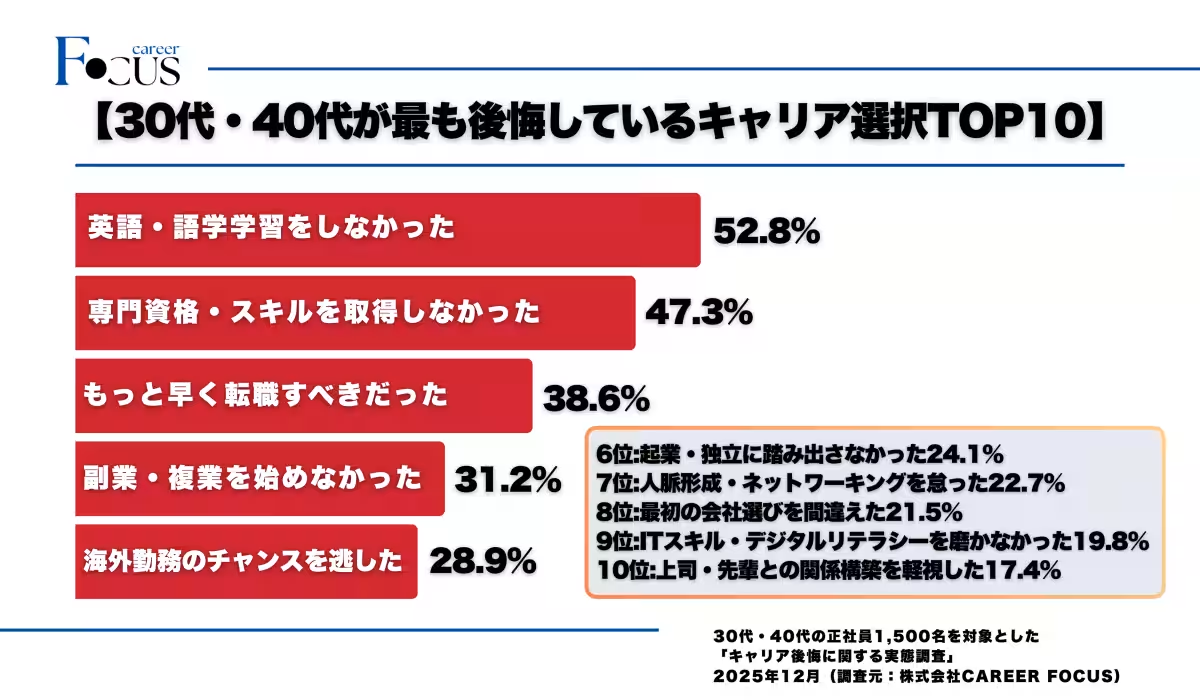
2. Top 10 Career Regrets
The survey identified the top 10 regrets among professionals in their 30s and 40s, allowing multiple answers.
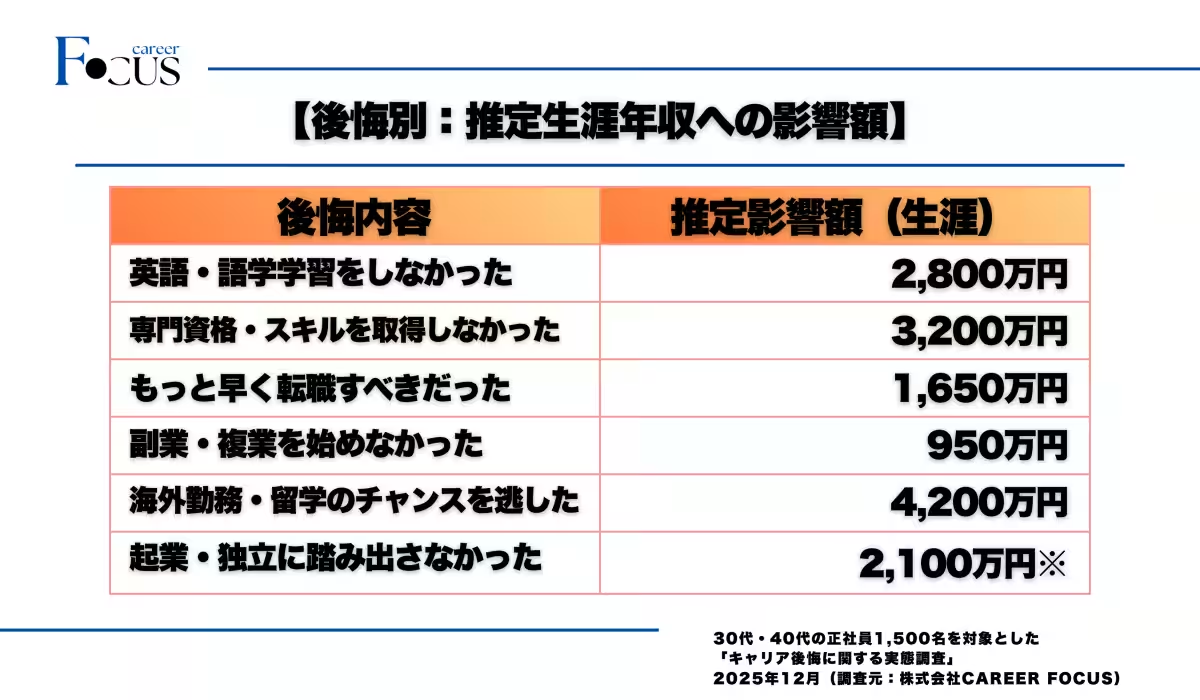
3. Impact on Lifetime Earnings
The research calculated the potential difference in lifetime earnings had individuals pursued their regrets. The average regret resulted in a 1.85 million yen deficit in lifetime earnings, with significant variables depending on the nature of the choices.
4. Key Ages for Noticing Regret
Participants indicated the ages when they first felt profound regret:
- - Around 28: 34.2% (noticing peer comparisons).
- - Around 32: 27.8% (balance achievements with life events like marriage and childbirth).
- - Around 35: 41.6% (realizing lost promotion opportunities and a decline in market value).
The age of 35 emerged as a critical point where many participants felt a sense of urgency in their career decisions.
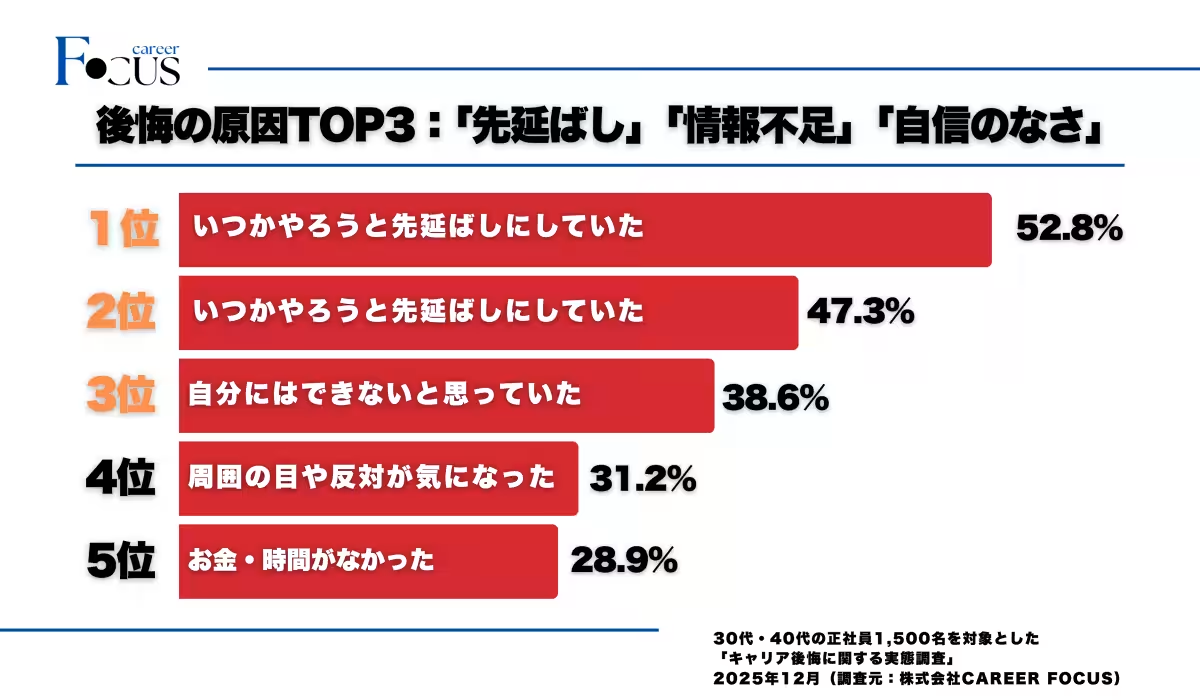
5. Major Causes of Regret
The survey explored why certain opportunities were not acted upon, with the top three reasons cited as:
- - Procrastination, indicating a lack of habit in addressing 'important but non-urgent' matters.
- - Lack of information and self-doubt also played significant roles.
6. Real Voices from Affected Individuals
The survey allowed participants to express their personal stories of regret. Some notable accounts include:
- - A 40-year-old man regretting his decision to decline an overseas position due to language barriers, contrasting his stagnant income with a peer who now earns 12 million yen abroad.
- - A 37-year-old woman feeling inadequate when her child asked her to teach English, realizing her limitations in guiding their academic journey.
7. Recovery Strategies.
Interestingly, some participants shared how they overcame their regrets through proactive actions:
One man began English learning at 35 and secured a global position by 38, increasing his salary from 4.5 million yen to 7.2 million yen. Another transitioned to freelance programming at age 40, achieving a monthly income of 600,000 yen within two years.
8. Generational Trends in Regrets
- - In Their 30s: Many experienced regrets that focused on acting sooner; often mixed with hope and anxiety over their choices.
- - In Their 40s: A strong sense of “it’s too late,” with significant awareness of familial responsibilities, focusing often on language skills, international experiences, and business ventures.
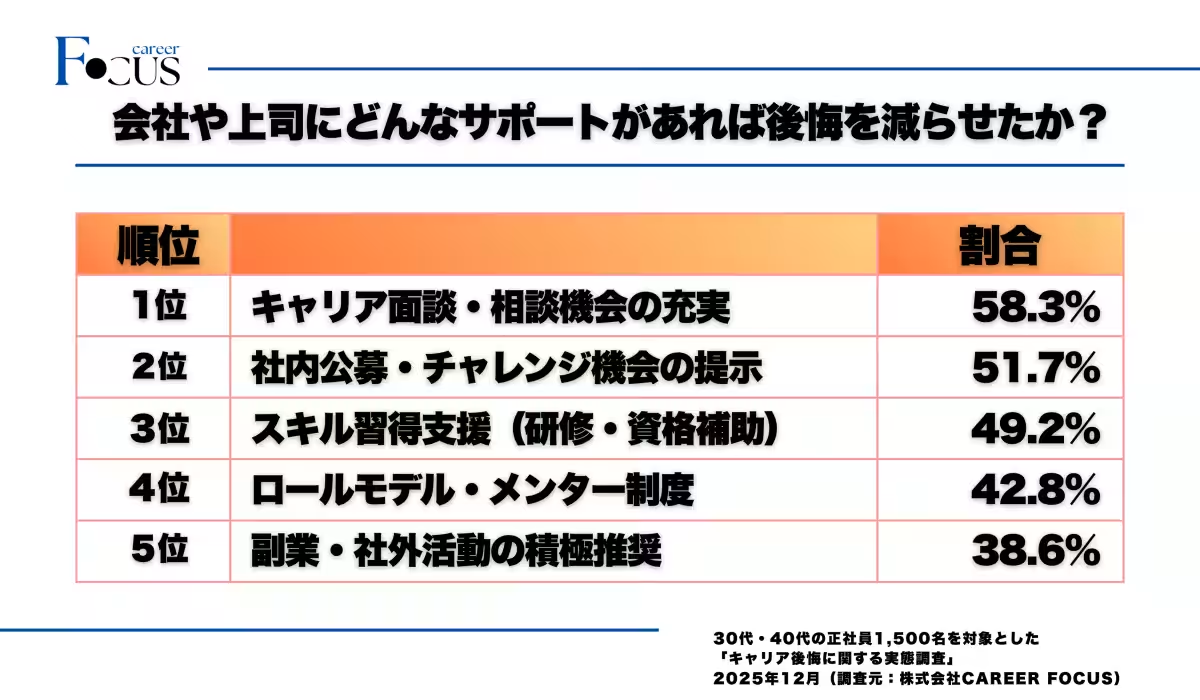
9. Hopes for Organizational Support
One common sentiment expressed was the desire for encouragement from employers or supervisors.
Conclusion
The survey's results illuminate significant underlying issues in Japan's career development landscape. Notably, procrastination emerged as a predominant cause for regret, reflecting a passive approach to career advancement often ingrained in the work culture.
CAREER FOCUS aims to emphasize the importance of proactive career planning, especially at pivotal ages, and encourages individuals and organizations alike to foster environments that facilitate informed career choices. It is never too late to seek change and growth in one’s professional journey.

Topics Business Technology)
【About Using Articles】
You can freely use the title and article content by linking to the page where the article is posted.
※ Images cannot be used.
【About Links】
Links are free to use.