



Innovative Lightweight Perovskite Solar Cells to be Tested at Defense Facilities
Introduction to Perovskite Solar Cells
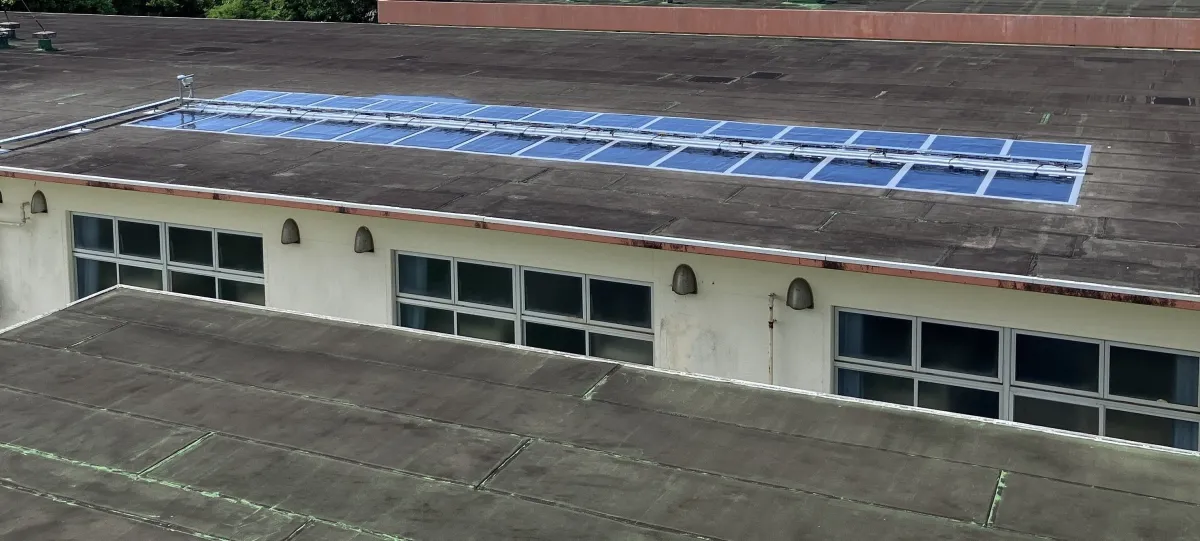
Sekisui Chemical Co., Ltd. and its subsidiary, Sekisui Solar Film, have officially started a significant demonstration project featuring film-type perovskite solar cells at a facility operated by Japan's Ministry of Defense. The project is set to begin on July 1, 2026, and represents a notable advancement towards adopting renewable energy technologies in challenging environments.
Backdrop of the Project
As the world gears towards achieving a carbon-neutral society by 2050, there is a pressing demand to escalate the use of renewable energy sources. Among these, solar energy is viewed as a key player. However, Japan faces geographical challenges due to its limited flat land area, restricting traditional silicon-based solar panels' deployment. Film-type perovskite solar cells offer a promising solution with their lightweight and flexible characteristics. This allows them to be installed in locations previously considered unsuitable, thus enhancing the potential for expanding renewable energy usage across the nation.
The Ministry of Defense acknowledges the advantages of these next-generation solar cells. They seek to leverage them not only for reducing electricity costs during peacetime but also as a reliable alternative power source in the event of commercial power outages. Their lightweight and flexible nature makes them suitable for installation on roofs and walls that cannot bear heavy loads, paving the way for innovative energy solutions.
Details of the Demonstration
Installation Location
- - Base: Japan Maritime Self-Defense Force (JMSDF) Okinawa Base
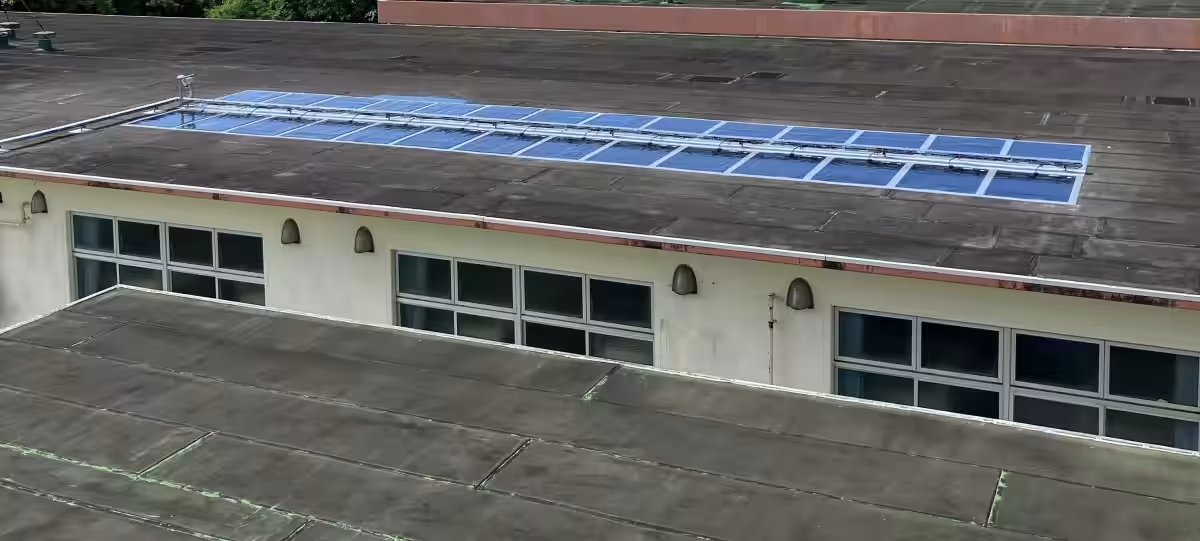
- - Scale: Installation of 28 film-type perovskite solar cells.
Duration of the Demonstration
The demonstration is anticipated to run for approximately nine months, commencing from July 1, 2026.
Objectives of the Demonstration
The main objectives are to evaluate the combination of waterproofing materials with film-type perovskite solar cells installed on roofs in a region exposed to harsh environmental conditions, such as wind and salt damage. This initiative will help ascertain the potential for deploying these innovative solar technologies in such setting.
Future Prospects
The results obtained from this demonstration will be crucial in refining installation methods and expanding the applications of film-type perovskite solar cells. Ultimately, this initiative aims to contribute substantially to the realization of a carbon-neutral society by harnessing advanced solar technologies effectively.
This demonstration is conducted under a subsidy project by the New Energy and Industrial Technology Development Organization (NEDO), a national research and development agency (Project Number: JPNP21016). For further information, you can refer to the ongoing releases from Sekisui Chemical regarding film-type perovskite solar cells here.
Topics Consumer Technology)
【About Using Articles】
You can freely use the title and article content by linking to the page where the article is posted.
※ Images cannot be used.
【About Links】
Links are free to use.