




Exploring the Shift to Self-Managed Background Music Among Stores
The Landscape of Background Music in Stores: Insights from Recent Research
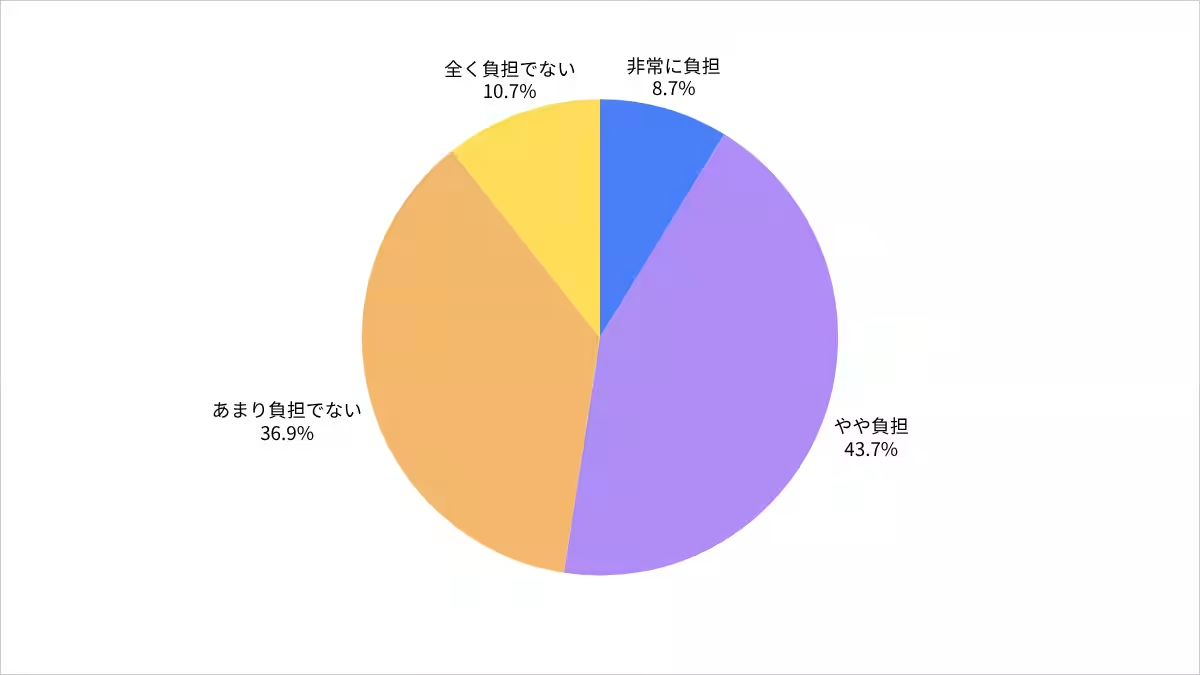
As the retail landscape continues to evolve, music plays a crucial role in shaping the customer experience. A recent survey conducted by CACTUS TOKYO, the company behind BGM House, sheds light on the current situation of background music (BGM) costs for store owners in Japan. According to the findings, a staggering 52% of store owners feel burdened by the monthly expenses associated with BGM and copyright fees. This increasingly pressing issue among small businesses has sparked a significant interest in innovative solutions, particularly in the form of self-managed BGM systems.
Understanding Self-Managed BGM
Self-managed BGM refers to a streaming service model that does not rely on JASRAC-managed music but instead focuses on tracks for which copyright rights have been duly sorted. This approach allows stores to manage their BGM more cost-effectively and with greater compliance ease. Many small business owners are turning to this model, looking to alleviate the financial strain they currently face.
In CACTUS TOKYO's survey, which captured the opinions of 206 respondents comprising both store owners and consumers, the challenges of adhering to copyright laws while maintaining an appealing in-store environment became starkly evident. The survey results highlighted a pressing need for alternative BGM solutions.
Key Findings from the Survey
1. Financial Burden of BGM: When questioned about the financial impact, 52% of store owners confessed to feeling that the monthly costs associated with BGM were too high. This financial strain is particularly troubling for independent shops that rely heavily on ambiance to attract customers.
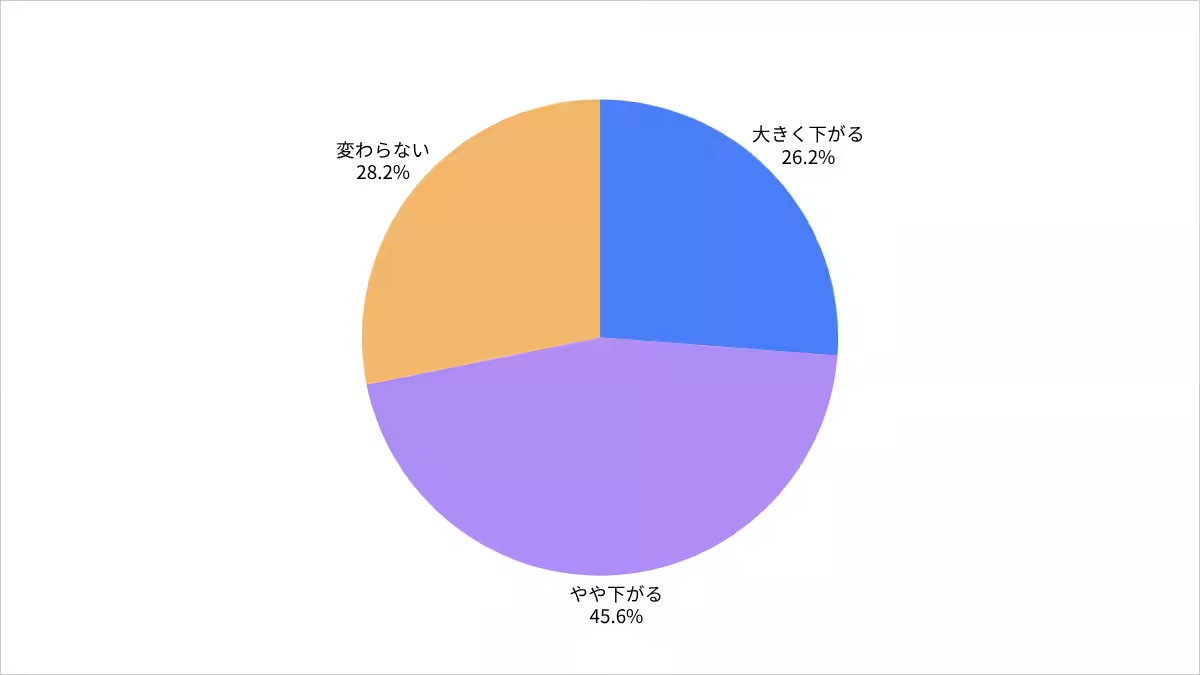
2. Consumer Awareness and Expectations: On the consumer side, responses revealed that 71% of individuals would likely lower their perception of a store if they discovered it was using music illegally. This points to an increasing consumer awareness regarding intellectual property and compliance, suggesting that consumers are more informed and discerning about the legitimacy of the services businesses offer.
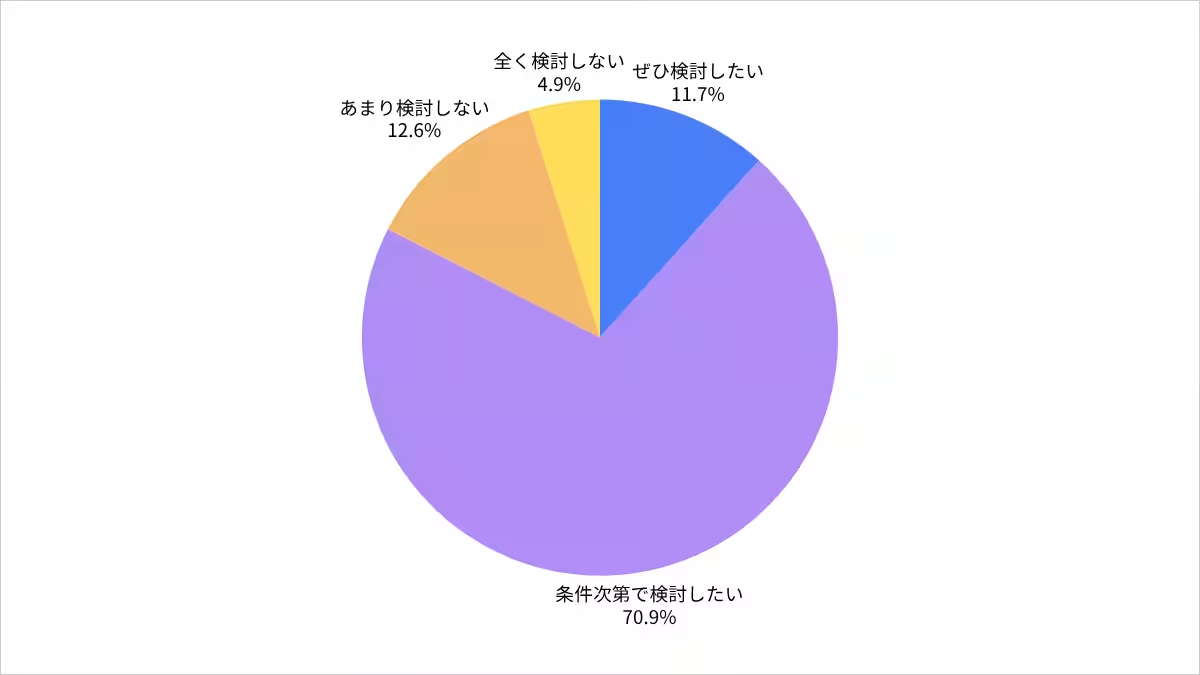
3. Demand for Self-Managed Solutions: An impressive 82% of store owners indicated a willingness to consider switching to a self-managed BGM model, which acknowledges the practicality of low-cost services that are compliant with copyright regulations. This demand signifies a robust shift in preferences, as business owners seek solutions that not only meet their aesthetic needs but also comfort their legal obligations.
The Importance of Choosing the Right BGM
Navigating the complexities of music licensing can be daunting for store owners. Many mistakenly believe they can use personal streaming applications, such as Spotify, for business purposes, risking copyright infringement. Contrarily, traditional business-centric broadcast services, while legal, often come with hefty price tags, making them less feasible for small operations. Finding an affordable yet compliant solution has become vital in today's climate.
The Self-Managed BGM Model Explained
The self-managed BGM service, such as BGM House, offers a solution that minimizes the compliance concerns previously faced by independent businesses. By using tracks whose rights have already been handled, store owners can avoid the cumbersome intricacies of managing multiple licenses. Additionally, these services come at a significantly lower cost, typically under $10 per month, providing much-needed relief to those burdened by lofty monthly fees.
Comparison of BGM Services
Here's a breakdown of the three primary models available to store owners considering BGM:
- - Individual Music Apps (Spotify, Apple Music): While cheap, these apps are not legally permitted for commercial use due to copyright restrictions.
- - Traditional Business BGM Services: These services are compliant but usually incur high costs ranging from $40 to $60 monthly, making them less accessible for small business owners.
- - Self-Managed BGM Models: Newer services like BGM House allow businesses to stream legally compliant music at a fraction of the price, often starting at around $9.90 per month.
Why BGM House is Gaining Popularity
BGM House has emerged as a top choice among small business owners, particularly in the food, beauty, and retail sectors. Its key advantages include:
- - Simplified Rights Management: Only providing music that does not require exhaustive copyright management.
- - Affordability: Starting at an easily digestible price point, contributing to the decrease of operational costs.
- - Accessible Technology: Users can simply tap on their mobile devices to select playlists that fit their store's atmosphere or time of day.
For further details, visit the BGM House website.
Conclusion
As we continue to navigate a shifting retail environment, the role of background music remains pivotal. Small business owners are increasingly opting for self-managed BGM solutions to reduce costs while adhering to copyright compliance. As consumer awareness rises, the call for ethical practices in music usage in public spaces grows stronger, making the move towards self-management not just a trend but a necessary evolution for many retailers seeking sustainability in their operations.

Topics Consumer Products & Retail)
【About Using Articles】
You can freely use the title and article content by linking to the page where the article is posted.
※ Images cannot be used.
【About Links】
Links are free to use.