



ZIGExN's Smocca Releases Average Rent Trends in Tokyo Areas
Introduction
ZIGExN, a company based in Minato-ku, Tokyo, has recently published a report through its rental property search portal, Smocca. The report presents a comprehensive ranking of average rent prices and price fluctuation rates across various districts in Tokyo. This analysis is particularly aimed at individuals contemplating a move or those wanting to compare their options in different neighborhoods.
Overview of the Report
The ranking compiled by Smocca is based on an extensive dataset that includes 65,540 rental properties from 63 designated areas within Tokyo's 23 wards. The data has been compared against previous reports released regarding family-friendly districts to provide a thorough understanding of current market trends. This initiative will aid those exploring their housing options by providing insights into average rent prices and the current trends affecting these prices across different regions. The data compilation dates are set for April 10, 2024, and April 10, 2025.
Categories of Properties
To better serve various living arrangements, the properties in this report have been categorized into three distinct groups based on their layout:
1. Single Occupancy: 1R, 1K, 1DK, 1SLDK, 2K, 2DK, 2LDK
2. Couple Occupancy: 1LDK, 2K, 2DK, 2LDK, 2SLDK, 3K, 3DK, 3LDK
3. Family Accommodation: 2LDK, 2SLDK, 3K, 3DK, 3LDK, 3SLDK, 4K, 4DK, 4LDK and above
Rental Trends
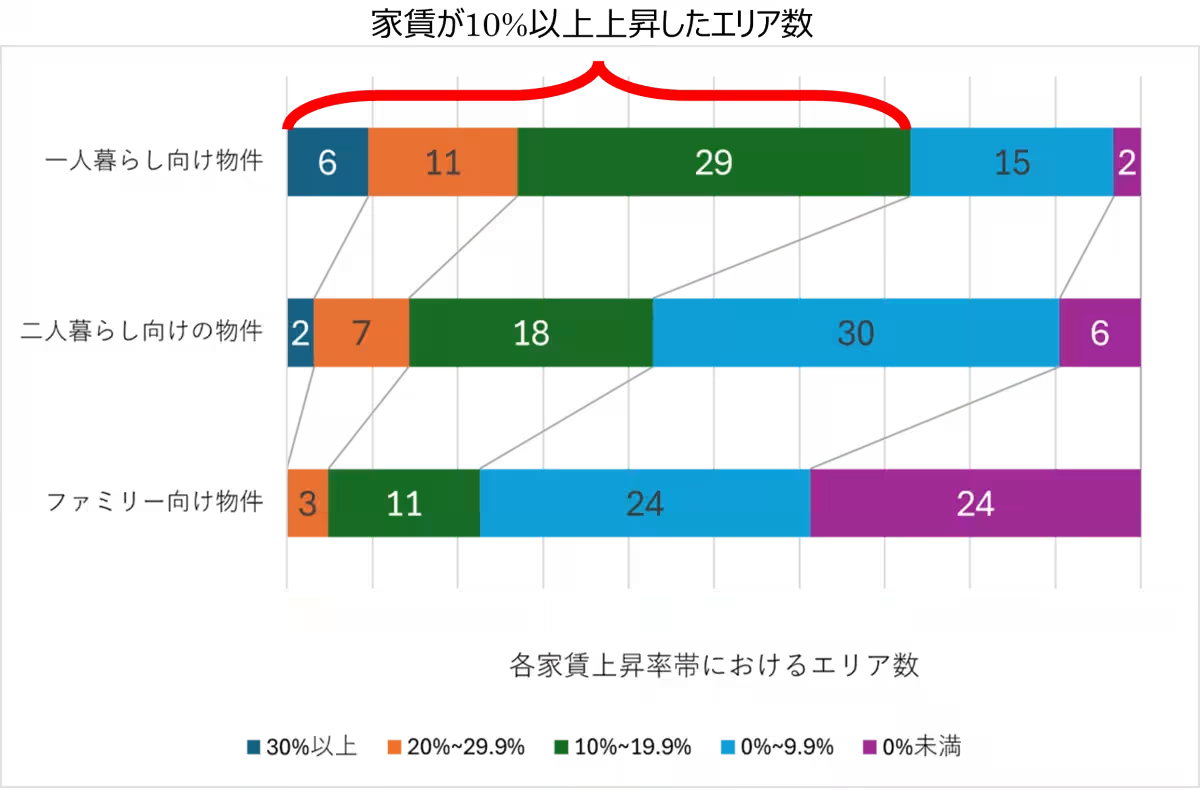
Analyzing these categories reveals some interesting trends. For single-occupancy properties, there has been an average rent increase of 15.8%. Notably, six specific areas recorded an astonishing increase of over 30%. In contrast, couples' accommodations showed a more modest increase of 9.2%. However, family-oriented properties saw a decrease in rent across 24 areas (about 30% of total areas), although overall, there was still an average increase of 2.8% in rent.
Top Areas for Each Category
The report highlights the top three areas experiencing the highest rent increase for each category:
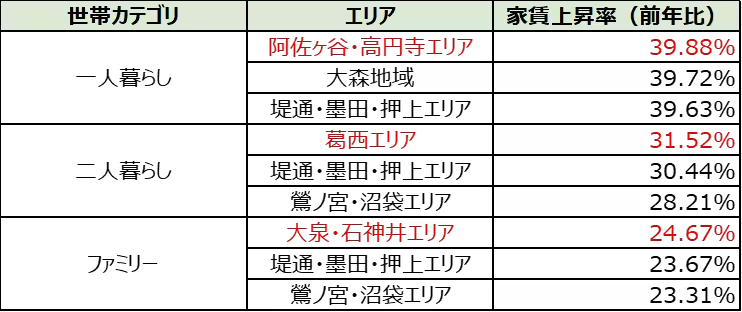
1. Asagaya & Koenji Area - This region benefits from continuous population growth, especially among single-person households. Rent prices, while relatively moderate overall, have risen sharply due to the area's desirable attributes, including great access to the city center and vibrant local culture, attracting more single residents. Smocca’s user-generated reviews score this area notably high at 4.14, hinting at increased demand leading to price hikes.
2. Kasai Area - Known for its excellent transport links to business hubs like Otemachi and Nihonbashi, combined with green spaces like Kasai Rinkai Park, this area attracts couples looking for affordable yet spacious homes. Rent rates here are competitive, positioning Kasai as a sought-after alternative for young couples amid rising city center rents.
3. Oizumi & Shakuji Area - Emphasizing a calm living environment surrounded by parks and good access to key city destinations, this area has become popular among families, particularly with the local government's strong support for child-rearing facilities. Persistent demand from families looking to rent has contributed to increased rental prices here.
Conclusion
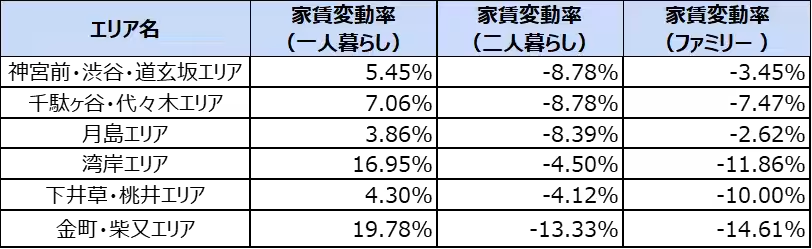
The overall rental situation in Tokyo indicates a rise across the city, driven by trends such as returning populations to the capital and new housing supply. Areas like Asagaya & Koenji for singles have seen substantial increases, while previously high-rent areas like Jingu-mae and Shibuya may be experiencing slight declines. The influence of development in areas like Tsukishima and the Bay Area shows how excessive supplies can influence price adjustments. This report provides valuable insights that enable potential renters to make informed decisions based on detailed area-level analysis. The goal is to empower individuals in their property search by offering data that reflects real-time living conditions and price sensitivity within the Tokyo market.


Topics Consumer Products & Retail)
【About Using Articles】
You can freely use the title and article content by linking to the page where the article is posted.
※ Images cannot be used.
【About Links】
Links are free to use.