



Salad Club Releases the Annual Salad White Paper 2025 on Veggie Consumption Trends
Salad White Paper 2025: Unpacking Consumer Trends in Salad and Vegetables
Salad Club, led by CEO Akihito Shintani and headquartered in Chofu, Tokyo, has recently unveiled its "Salad White Paper 2025" on August 31, coinciding with Japan's Vegetable Day. This annual study, which has been published since 2010, marks its sixteenth iteration this year. The primary objective of the survey is to analyze the evolving salad eating culture in Japan.
The latest survey included insights from 2,060 individuals aged 20 to 69, focusing on:
- - Eating habits regarding vegetables and salads
- - Consumer perceptions towards packaged salads
- - Awareness and attitudes towards the rising costs of cabbages and lettuces due to erratic weather from last autumn to this spring.
Key Highlights from the Survey
1. Increasing Awareness of Vegetable Deficiency
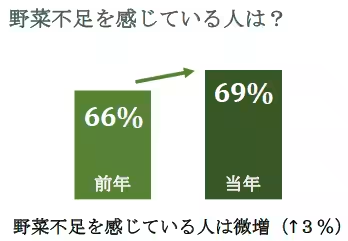
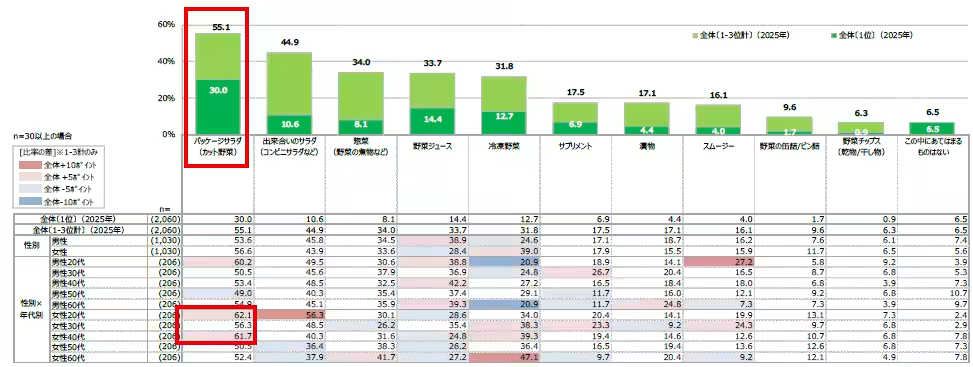
- The awareness of vegetable insufficiency has risen slightly from 66% to 69%. Four consecutive years, "packaged salads" have remained the top choice (55%) among products to alleviate vegetable deficiency.
2. Popularity of Packaged Salads
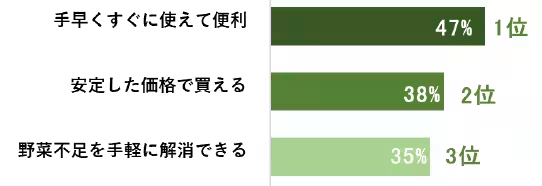
- Among respondents using packaged salads, the top three reasons were:
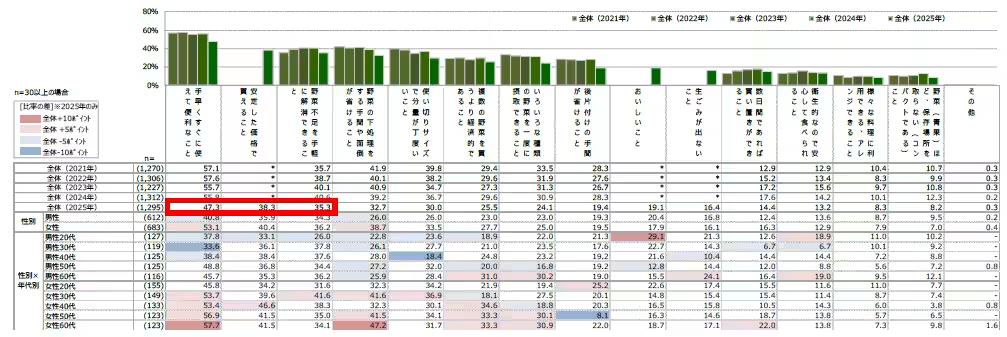
- Convenience (47%)
- Stable pricing (38%)
- Ease in resolving vegetable deficiency (35%)
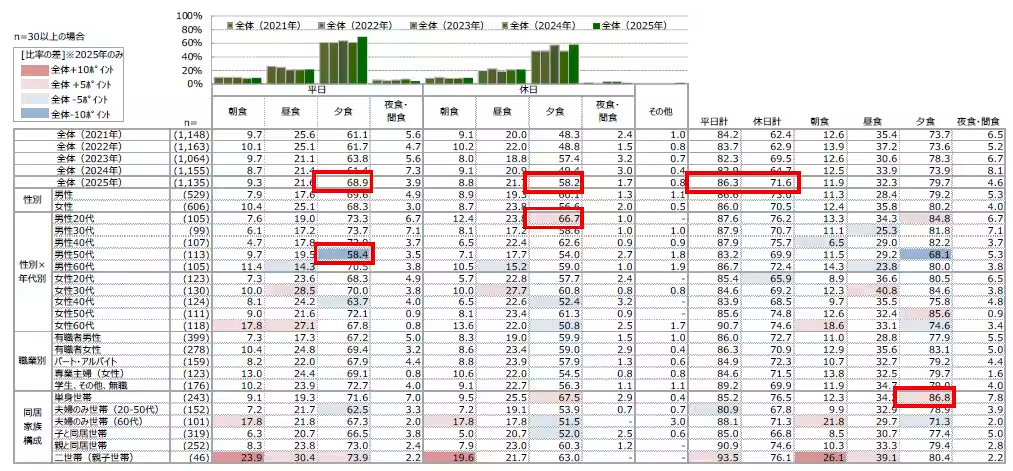
- Packaged salads are particularly popular for weekday dinners (69%) and weekend dinners (58%), indicating a primary consumption pattern.
3. Impact of Price Surge on Vegetable Choices
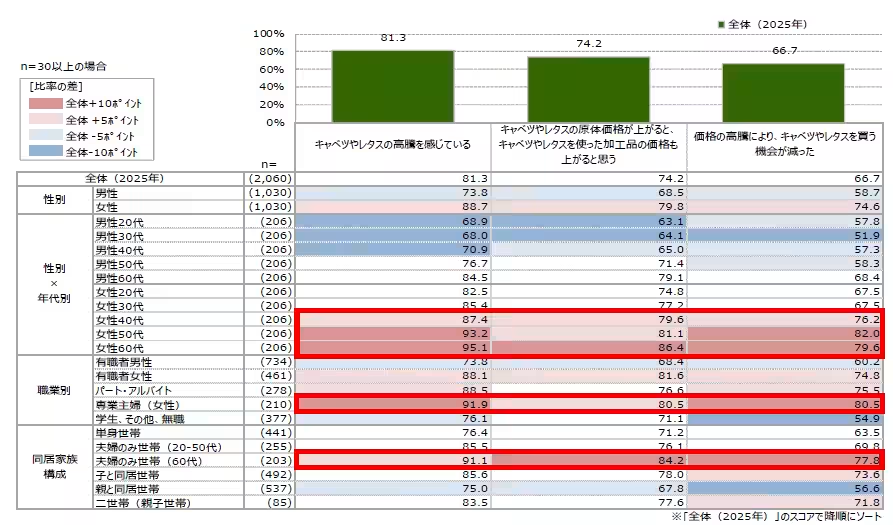
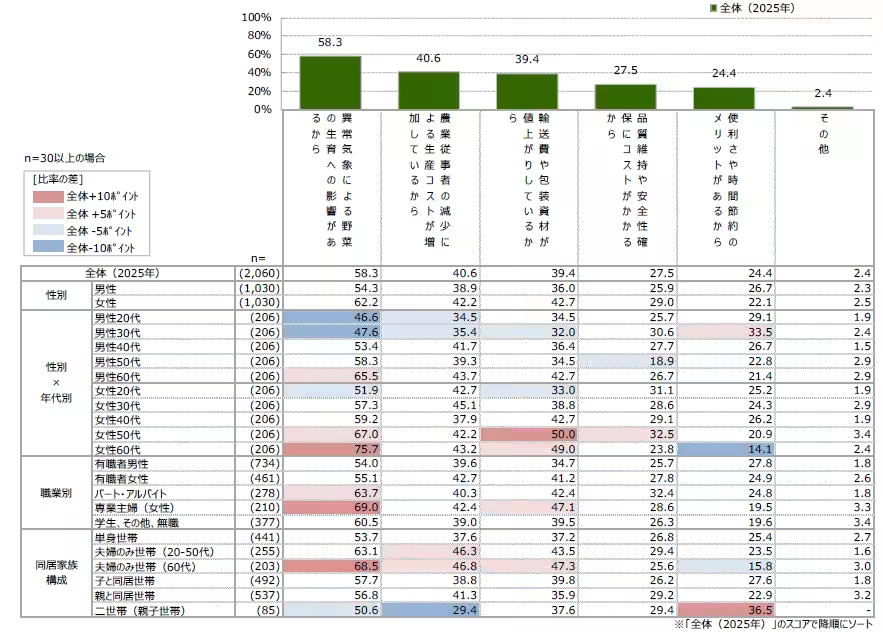
- A significant 81% of respondents have felt the impact of rising prices for cabbages and lettuces. When asked about acceptable reasons for increasing packaged salad prices, 58% cited "adverse weather affecting vegetable growth" as the main reason.
4. Declining Use of Packaged Salads for Breakfast
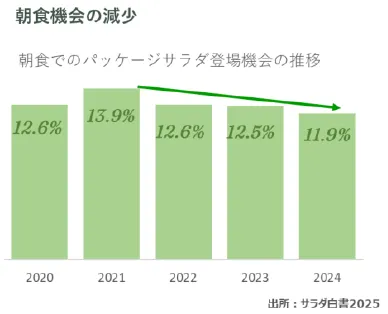
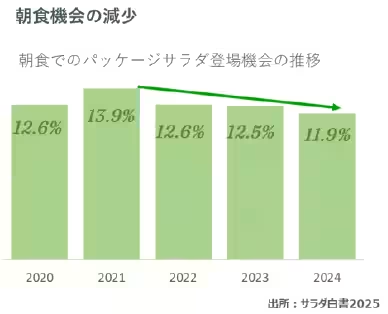
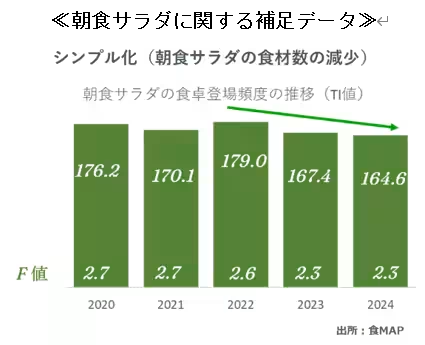
- The inclusion of packaged salads in breakfast meals has declined to 11.9%, particularly among the younger population post-COVID.
Survey Insights
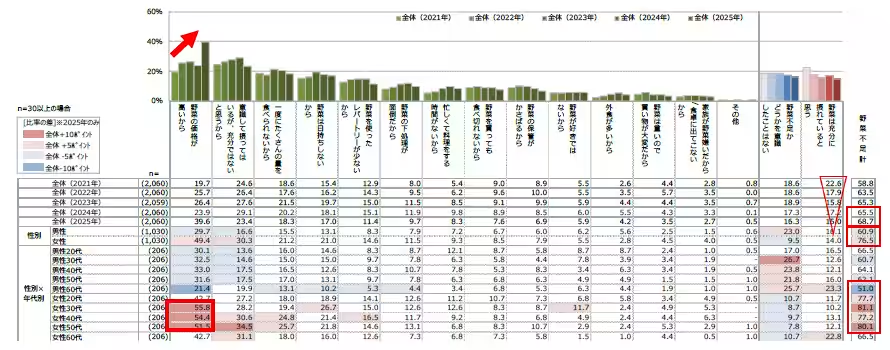
The survey results indicate a worrying trend: an increasing number of people feel they are not consuming enough vegetables. The data reveals that while 22% believed they were getting sufficient vegetables in 2021, this number has dropped to just 15% today. Women, especially those in their 20s to 50s, displayed a stronger awareness of vegetable shortages, with around 80% acknowledging a lack of adequate vegetable intake.
Products to Address Vegetable Shortage
When asked to identify products they would like to help alleviate their vegetable shortage, packaged salads topped the list, continuing their reign for the fourth consecutive year.
- - Cooking salads (45%) and side dishes (34%) followed as preferred choices.
Convenience as a Main Selling Point
The benefits of consuming packaged salads is apparent:
- - Convenience in preparation remains paramount for many consumers.
- - The steady pricing is another significant factor that influences purchasing behavior, which became a newly added consideration this year.
When digging deeper, weekday evening meals showed increased reliance on packaged salads, while younger males and single-person households leaned heavily toward purchasing these products for dinner, highlighting changing consumption patterns.
Effects of Rising Vegetable Prices
Acknowledging the rise in the prices of basic vegetables, a staggering percentage of 67% stated they had cut back on purchasing cabbages and lettuces. Additionally, a significant number believe the price increase for packaged salads is justified if tied to adverse weather conditions.
Morning Meal Trends
Despite the decline in breakfast salad consumption, it’s crucial to recognize that achieving the Japanese government’s target daily vegetable intake of 350 grams remains unobtained. Currently, the average intake is pegged at a mere 256.0 grams, highlighting the urgent need for dietary improvement.
About Salad Club
Established in 1999 through a partnership between Kewpie Corporation and Mitsubishi Corporation, Salad Club specializes in providing fresh, ready-to-eat packaged salads. They have achieved the largest market share in Japan, with over 18,380 retail locations by December 2024.
Commitment to Sustainability
Salad Club promotes sustainability by aiming to reduce food waste throughout the supply chain and implementing circular agricultural practices. They focus on maintaining stable partnerships with producers while continuously working towards minimizing agricultural waste and environmental impact.
For more information on Salad Club's sustainability efforts, you can check their detailed page here.
Topics Consumer Products & Retail)
【About Using Articles】
You can freely use the title and article content by linking to the page where the article is posted.
※ Images cannot be used.
【About Links】
Links are free to use.