



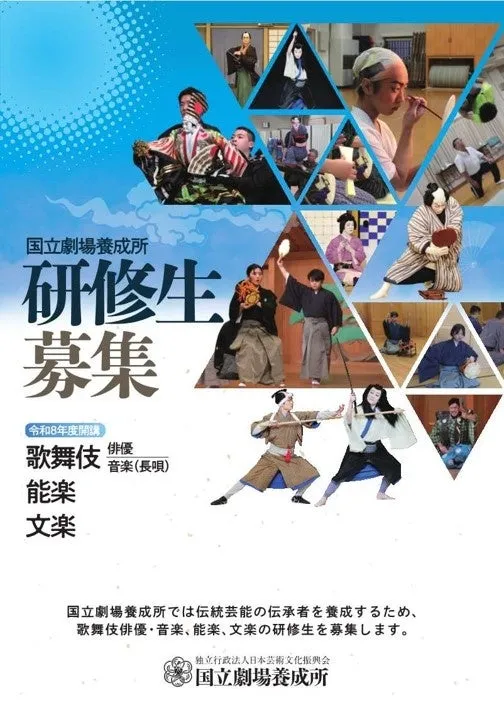
Application Opens for National Theatre Training Institute's 2023 Traditional Arts Program
National Theatre Training Institute's 2023 Program
The National Theatre Training Institute has officially begun accepting applications for its 2023 cohort of trainees. This esteemed institution is committed to preserving and promoting Japan's cultural treasures through the cultivation of skilled individuals capable of passing on traditional performing arts.
The program is set to host the 31st class of Kabuki actor trainees, the 11th class of Kabuki music (Noh) trainees, the 13th class of Noh actors, and the 35th class of Bunraku trainees. The goal is to continue the legacy of Japan's traditional arts into the future, and the institute is eagerly awaiting applicants who are motivated to embrace this heritage.
Kabuki Actor Training (31st Class)
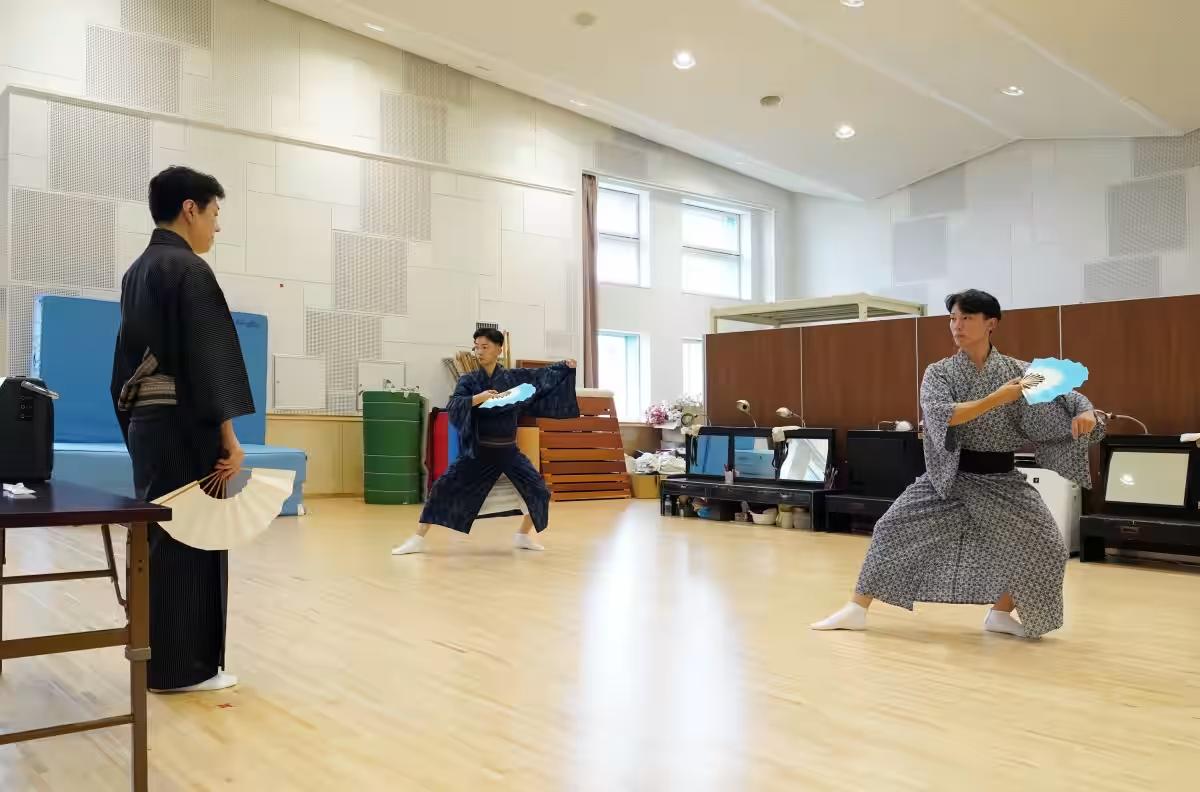
Kabuki is renowned as a quintessential form of Japanese theater. The training program focuses on the specific techniques unique to Kabuki performance, including acting, martial arts movements, and traditional Japanese dance. Participants will also have the opportunity to learn the fundamentals of various Kabuki musical styles, including Gidayū-bushi and Nagauta. The curriculum is designed to establish a solid foundation for aspiring Kabuki actors.
- - Eligibility: Males aged 23 or under with a minimum of middle school graduation.
- - Duration: April 2023 to March 2025 (2 years).
- - Location: National Olympic Memorial Youth Center, Shibuya, Tokyo.
- - Application Period: October 1, 2023, to January 30, 2024.
- - Selection Dates: February to March 2024 (tentative).
Kabuki Music Training (11th Class)
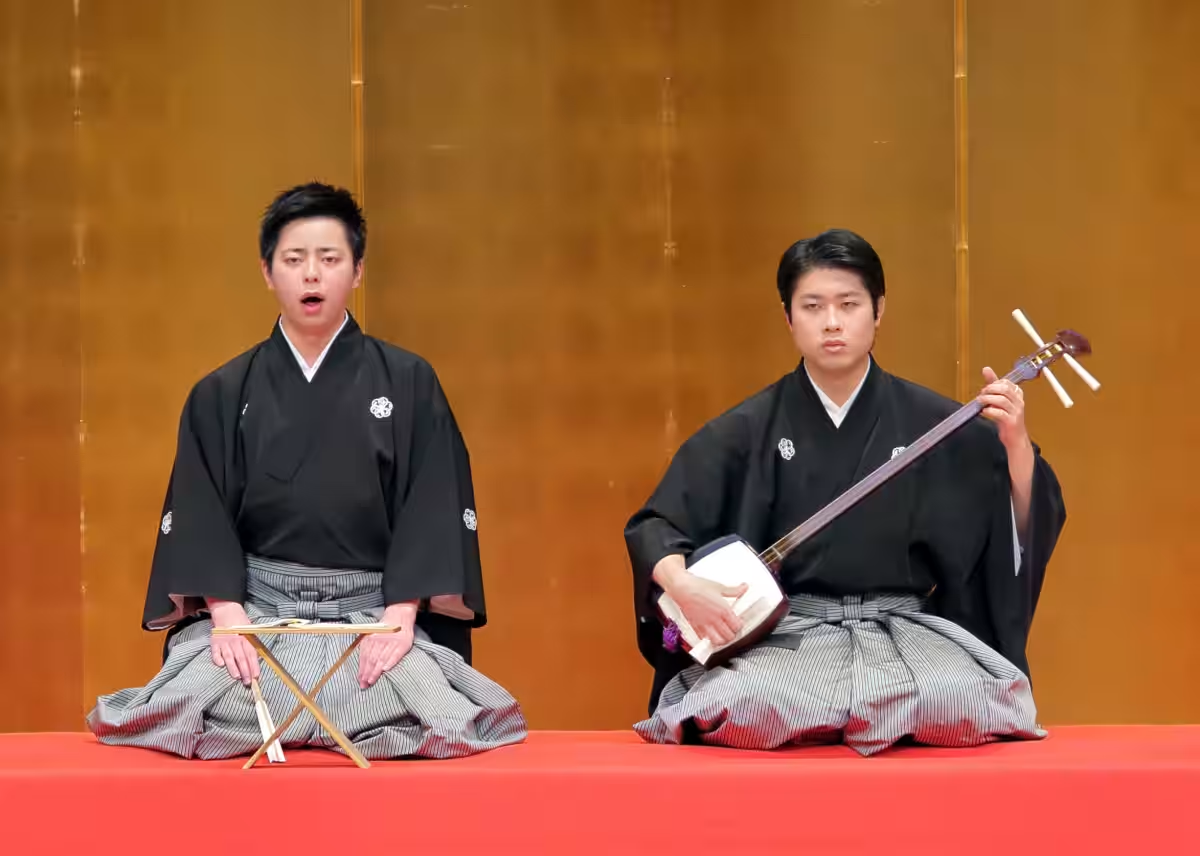
In Kabuki music, particularly Nagauta, performers use song and shamisen to convey psychological nuances and vivid imagery. The training program involves learning performance techniques for Nagauta and shamisen, focusing on essential skills required for becoming a Kabuki music performer.
- - Eligibility: Males aged 23 or under with a minimum of middle school graduation.
- - Duration: April 2023 to March 2026 (3 years).
- - Location: National Olympic Memorial Youth Center, Shibuya, Tokyo.
- - Application Period: October 1, 2023, to January 30, 2024.
- - Selection Dates: February to March 2024 (tentative).
Noh Training (13th Class)
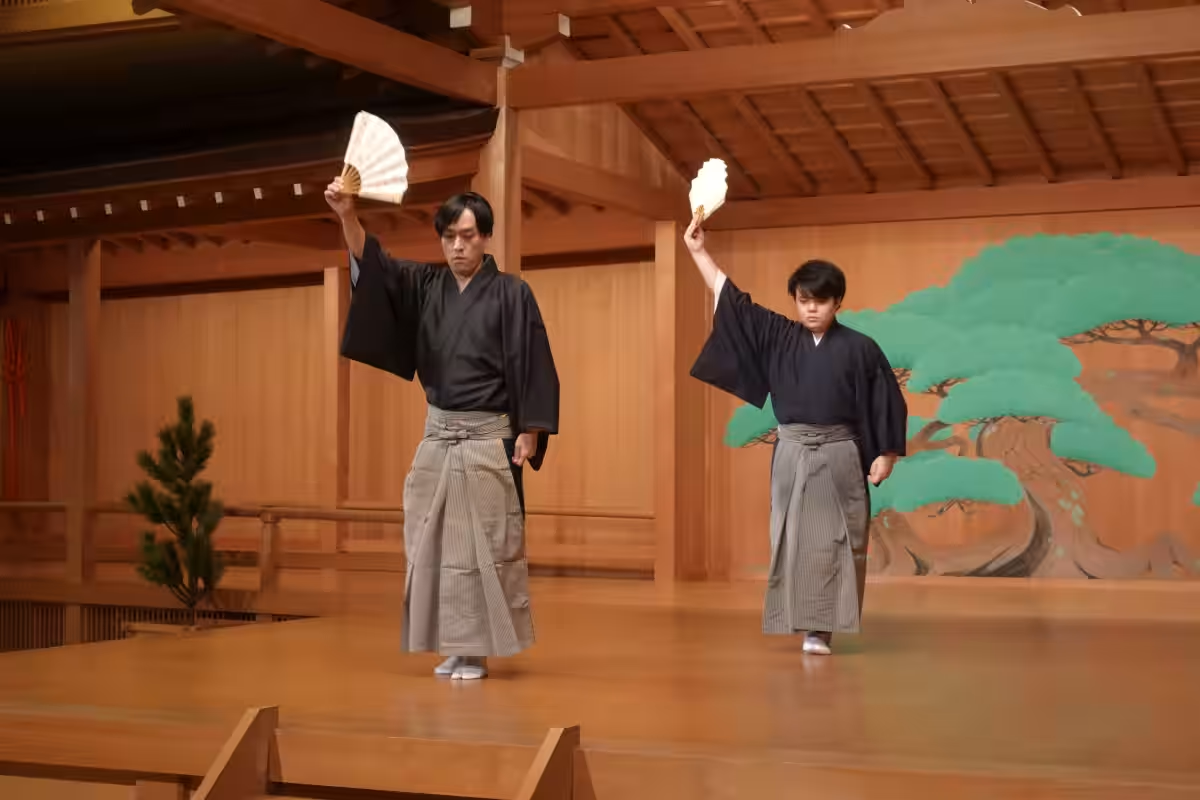
Noh represents a fusion of two major theatrical forms: Noh and Kyogen. Established during the Muromachi period, this genre has thrived for over 650 years. The training encompasses the three roles within Noh performances: the protagonist (Shite), the supporting role (Waki), and the musicians (Hayashi). The program includes foundational training and specialized courses for each role after aptitude assessments in the first year.
- - Eligibility: Males aged 23 or under with a minimum of middle school graduation.
- - Duration: April 2023 to March 2029 (6 years: 3 years foundational, 3 years advanced).
- - Location: National Noh Theatre, Shibuya, Tokyo.
- - Application Period: October 1, 2023, to January 30, 2024.
- - Selection Dates: February to March 2024 (tentative).
Bunraku Training (35th Class)
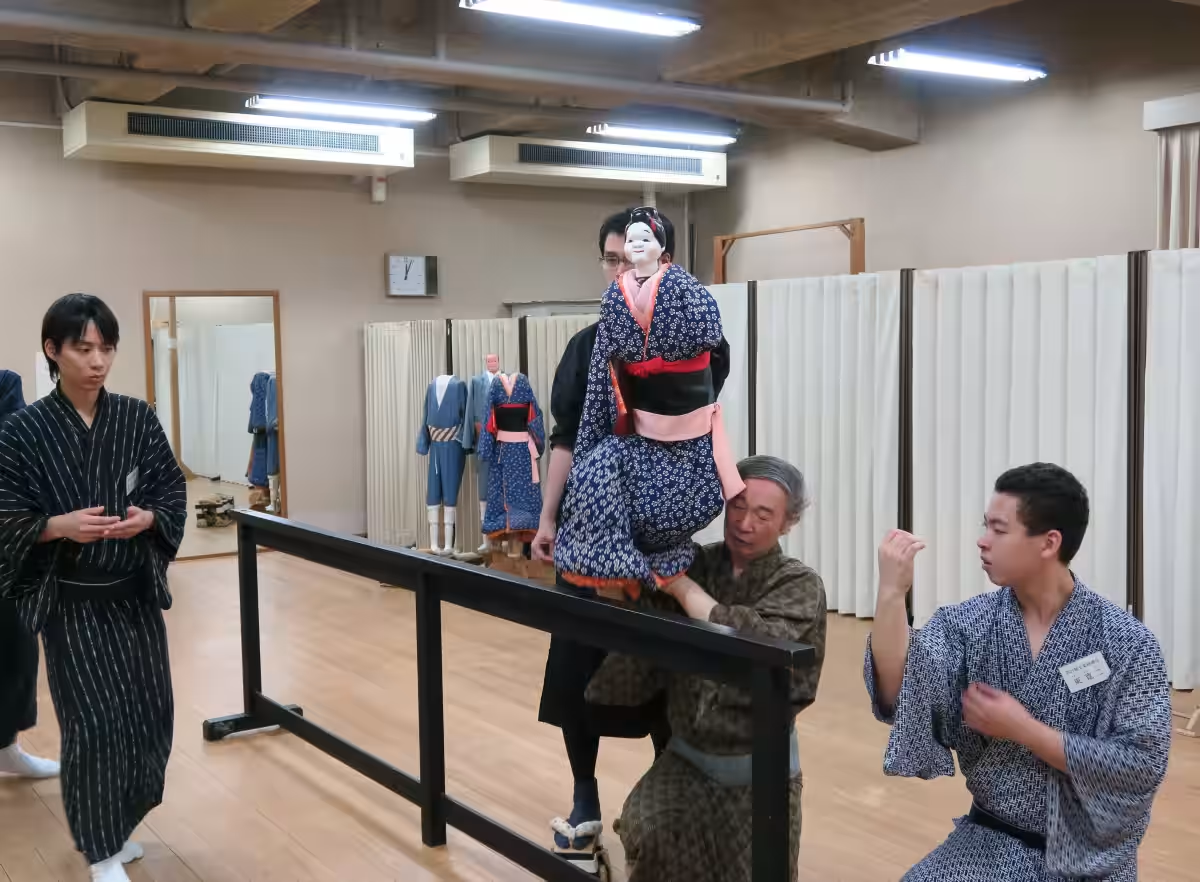
Bunraku is a complex theatrical art form that combines the narrator's voice, shamisen music, and intricate puppet manipulation to create compelling narratives. The training program begins with a comprehensive understanding of all three roles—narrator (Tayu), shamisen player, and puppeteer—which leads to specialization after aptitude evaluation.
- - Eligibility: Males aged 23 or under with a minimum of middle school graduation.
- - Duration: April 2023 to March 2025 (2 years).
- - Location: National Bunraku Theatre, Osaka (with training in Tokyo during performances).
- - Application Period: October 1, 2023, to January 16, 2024.
- - Selection Dates: Late January 2024 (tentative).
Application Process
Interested candidates should submit the following documents by the deadline:
1. Application form (signed)
2. Resume (with a recent photograph)
3. Consent form (with signature from a guarantor)
4. Resident certificate (dated within the last three months)
5. Health certificate (issued within the last three months)
6. Two recent photographs (3cm x 4cm)
For specific requirements and application documents, please visit National Theatre Training Institute’s website.
Contact Information
- - Kabuki Actor and Music Training: National Theatre Training Institute
- Phone: 03-3265-7105
- Email: [email protected]
- - Noh Training: National Theatre Training Institute
- Phone: 03-3423-1483
- Email: [email protected]
- - Bunraku Training: National Theatre Training Institute
- Phone: 06-6212-5529
- Email: [email protected]
National Theatre Training Institute Features
- - Free Tuition: There are no fees for the program, and all necessary materials are provided.
- - Expert Instructors: Students are taught by renowned professionals in their respective fields, benefiting from their extensive experience and knowledge.
- - Diverse Training Opportunities: The training includes external rehearsal programs, backstage internships, and a chance to perform on stage, honing professional attitudes and skillsets.
- - Monthly Support Grants: There are incentive grants available to assist trainees financially during their studies.
- - Housing for Trainees: Housing options are available for those coming from distant locations, with potential subsidies for housing costs if on-campus accommodation is unavailable.
Since its establishment in 1970, the National Theatre Training Institute has produced numerous talent in traditional performing arts, creating a supportive environment through expanded initiatives aimed at the stable cultivation of these arts. Please check the official website for further details.
Topics Entertainment & Media)
【About Using Articles】
You can freely use the title and article content by linking to the page where the article is posted.
※ Images cannot be used.
【About Links】
Links are free to use.