



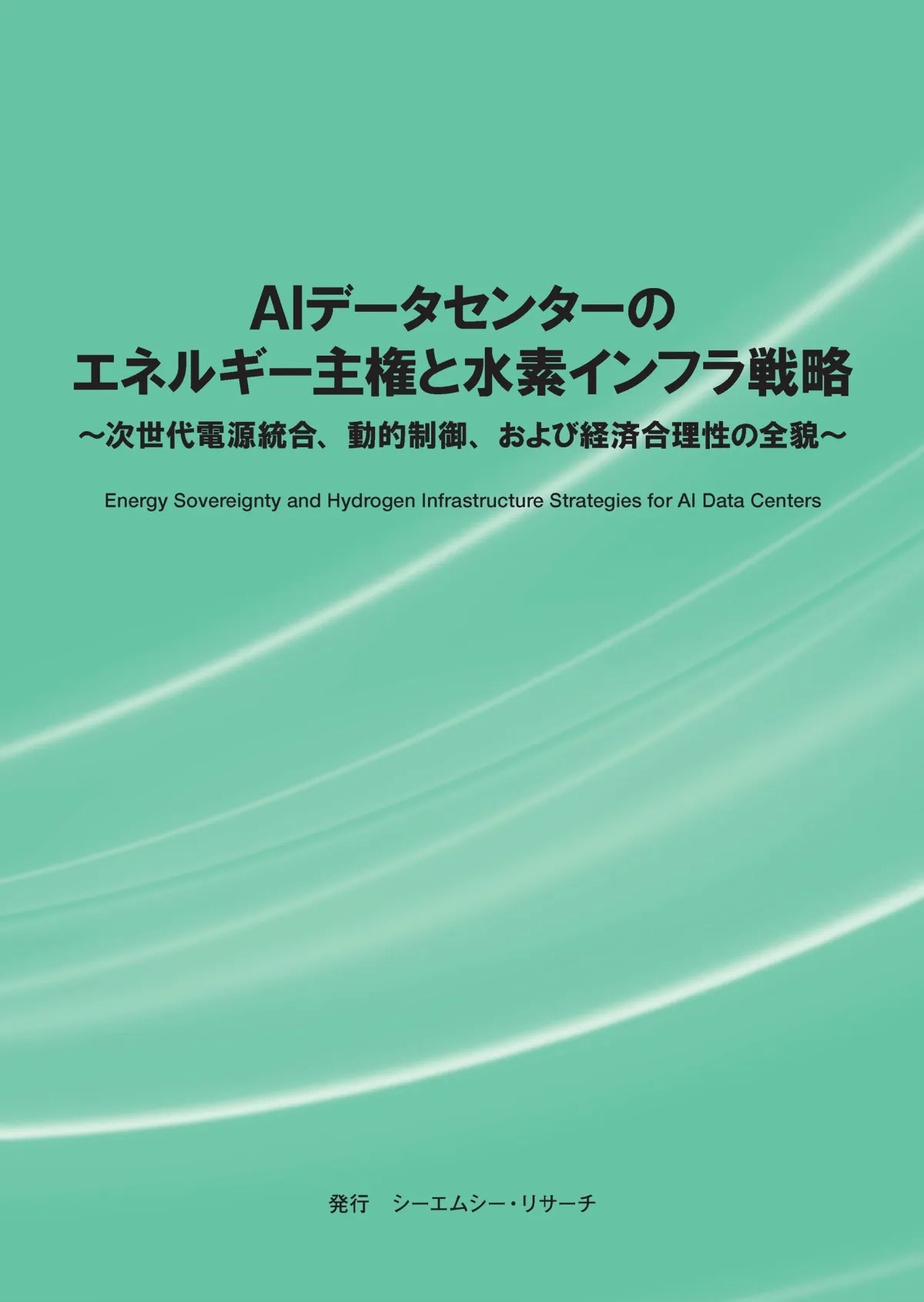
Exploring Energy Sovereignty and Hydrogen Infrastructure for AI Data Centers
Energy Sovereignty and Hydrogen Infrastructure for AI Data Centers
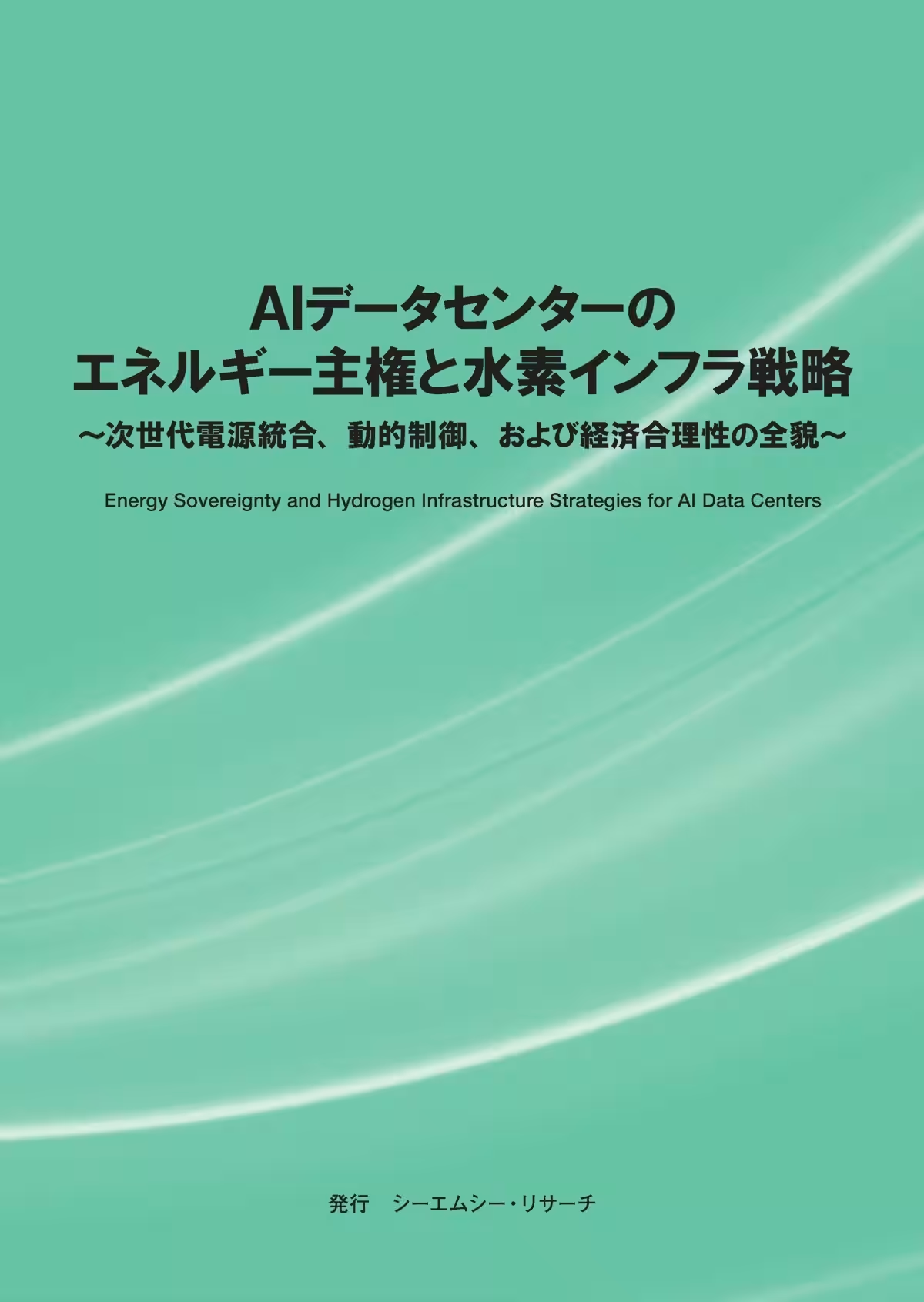
As the demand for AI capabilities surges, so does the reliance on data centers, creating significant challenges in power supply and energy efficiency. A groundbreaking report published by CMC Research outlines various strategies centered around hydrogen energy to tackle these pressing issues. This publication, titled Energy Sovereignty and Hydrogen Infrastructure Strategies for AI Data Centers, explores critical methodologies for integrating hydrogen energy systems into next-generation data centers.
Addressing Power Shortages with Hydrogen Strategies
The rapid growth in AI-driven workloads has led to increasing electrical demands that traditional power sources struggle to meet. The report emphasizes that hydrogen-based systems can surpass the limitations of battery energy storage systems (BESS) and renewable energy direct connections, particularly regarding energy density and storage scalability.
To support large-scale data center operations over extended periods, reliable and dynamic power management must address prolonged periods without sunlight and system blackouts. This hinges upon the need for robust dynamic control capabilities, responsive enough to handle instantaneous load fluctuations typical of AI workloads.
The Role of Hydrogen Energy Systems
Hydrogen energy systems, primarily through fuel cells and hydrogen turbines, offer an independent off-grid or microgrid power source that can ensure true energy autonomy. However, transitioning to hydrogen solutions isn't just about replacing existing backup diesel generators. It requires sophisticated integration architectures capable of optimizing the electrochemical reaction rates of fuel cells and the dynamic response of hydrogen supply valves to prevent voltage drops and system trips.
The report highlights the necessity of hybridizing these systems with supercapacitors and small battery systems. Coupled with real-time energy management systems (EMS) powered by AI predictions, this approach lays the groundwork for resilient and optimized energy supply.
Engineering Insights and Safety Considerations
In the second and third sections of the report, practical engineering insights are shared, covering not only the hardware integration of hydrogen systems but also their market alignment with VPP (Virtual Power Plants) and local microgrids. The authors delve into safety engineering associated with hydrogen's physical characteristics, addressing critical failure modes through stringent regulations and best practices, ensuring reliable and safe operation within AI data centers.
- ---
Key Takeaways
- - Hydrogen Energy as a Solution: The integration of hydrogen energy systems is critical for future AI data center operations, ensuring reliable power supply and resilience against disruptions.
- - Comprehensive Strategies: Requires multifaceted approaches including dynamic energy management systems and advanced safety measures to mitigate risks associated with hydrogen technology.
- - Market and Technological Prominence: The report also analyzes the strategic position of key players in the energy market and outlines investment roadmaps towards hydrogen energy adoption.
By presenting a detailed roadmap, this report acts as an essential guide for decision-makers focused on establishing energy sovereignty within AI infrastructure. The vision is not merely theoretical but is backed with practical designs and strategic methodologies to tackle the evolving energy demands driven by AI technologies.
As we move towards a more energy-efficient future, understanding and implementing hydrogen strategies will be pivotal for stakeholders in the data center industry.
For those interested in deepening their understanding of these technologies and strategies, the report is available for purchase, providing insights essential for navigating the complexities of energy sovereignty and infrastructure development in the age of AI.
Topics Consumer Technology)
【About Using Articles】
You can freely use the title and article content by linking to the page where the article is posted.
※ Images cannot be used.
【About Links】
Links are free to use.