




Exploring the Challenges of B2B Sales: How to Avoid Human Dependence
Exploring the Challenges of B2B Sales
Introduction
Sales is a crucial component of any business, particularly in the B2B sector where relationships and trust often dictate success. Recently, IDEATECH, a company based in Tokyo, Japan, released a guiding report titled "Can Sales Move Away from Being Person-Dependent?". This perfect guide addresses significant challenges that B2B sales teams face today, emphasizing the detrimental impact of dependencies on individual salespersons.
The Findings of the Survey
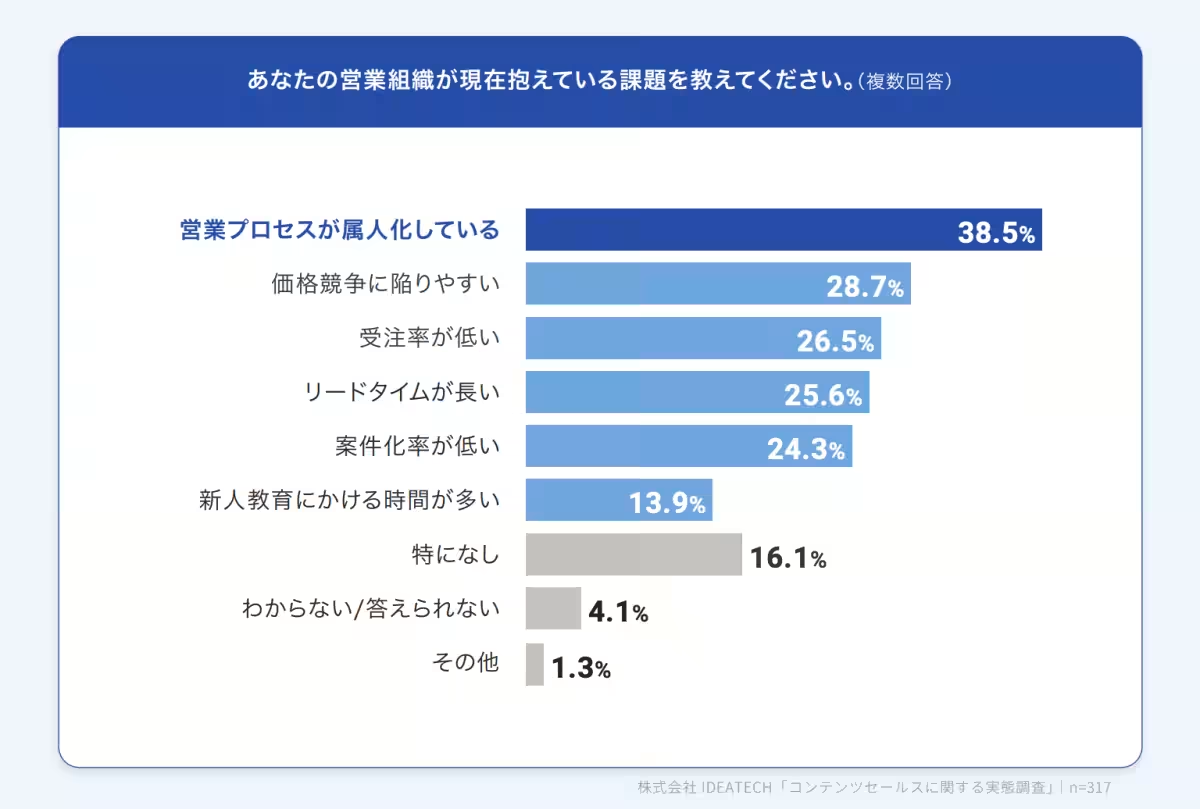
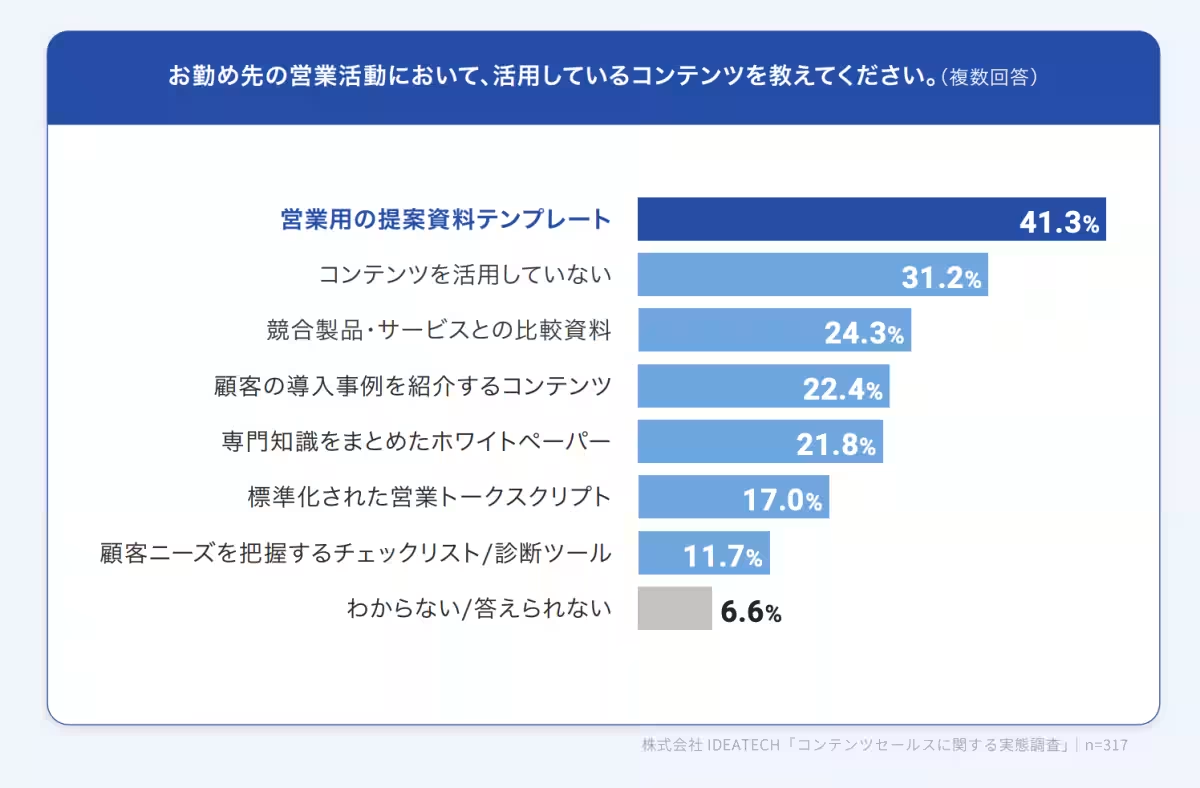
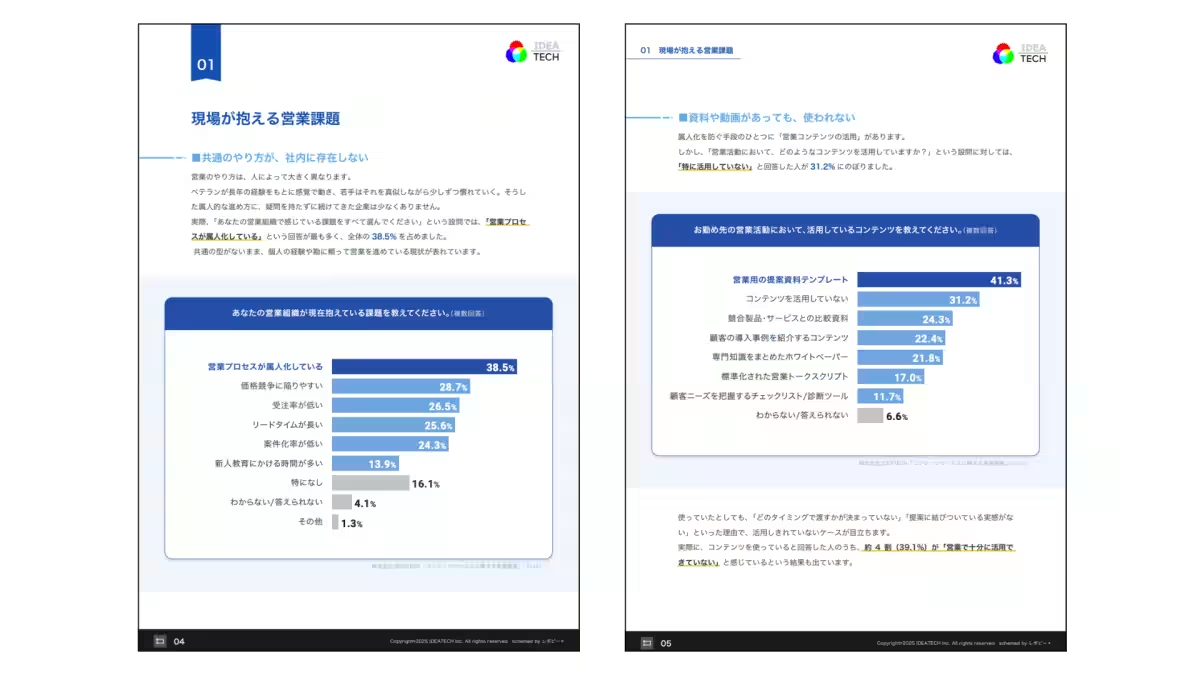
Through recent surveys, IDEATECH uncovered revealing statistics: 38.5% of enterprises reported that their sales processes were overly dependent on individuals. Substantial evidence suggests that many companies proceed with sales strategies based on personal experience and intuition rather than structured methodologies. Surprisingly, 31.2% of the respondents indicated they were not utilizing available sales content. Even among those who did use such resources, around 40% felt they were not maximizing the potential of these assets.
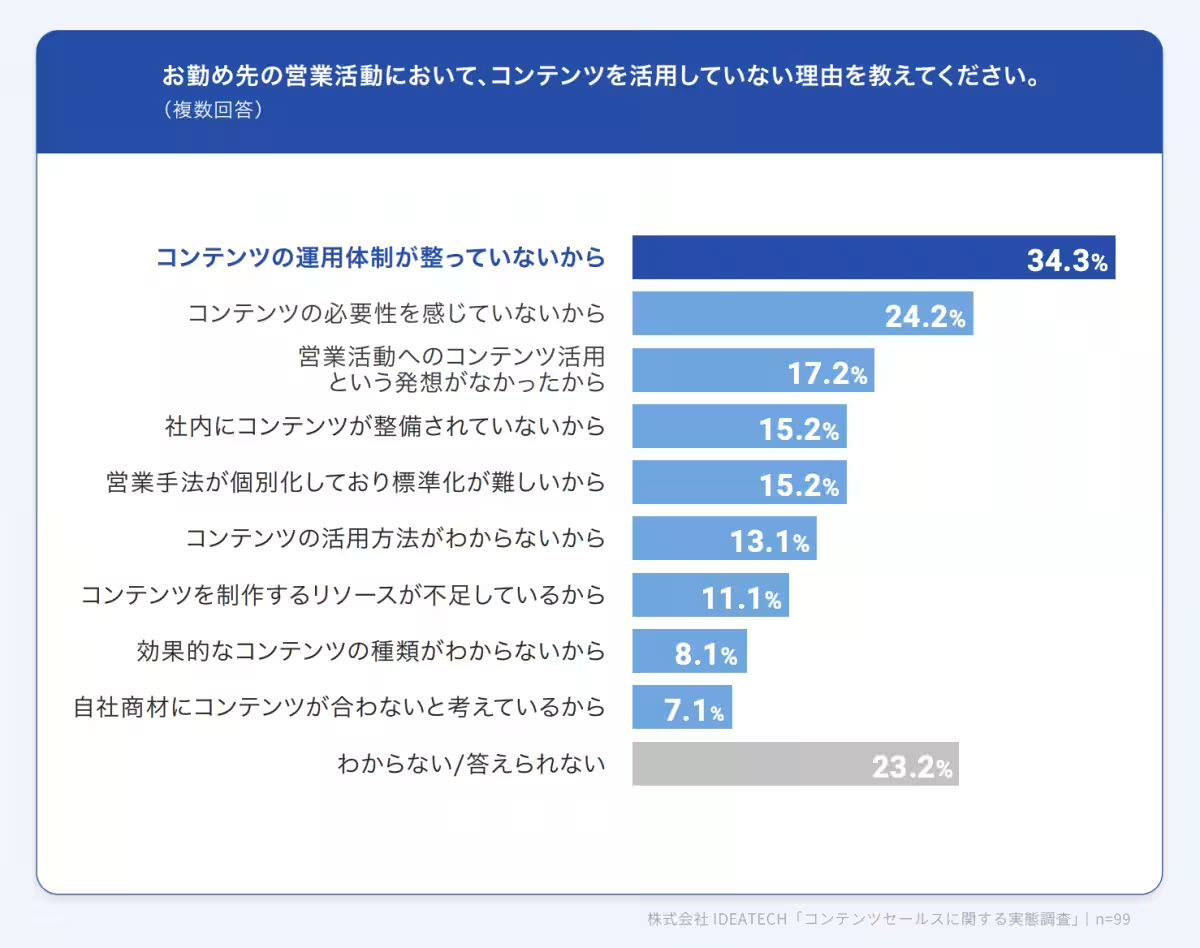
The leading concern hindering content utilization was the lack of operational systems to support effective implementation. The findings illustrate a need for structured frameworks that can integrate various sales resources. This highlights a shift from merely having content to designing systems that optimize its application.
The Concept of Content Sales
To tackle these issues, the concept of Content Sales has emerged. This innovative approach involves pre-designing how sales materials, including presentations, videos, and assessment tools, are used within sales processes. This means determining the timing, target audience, and objectives for each piece of content. By embedding these resources seamlessly into the sales process, businesses can prevent the issues associated with person-dependent sales practices.
The guide provides a deep understanding of these persistent challenges in sales environments and offers actionable insights that can assist in addressing them. For instance:
- - Sales efficiency improvements (55.7%)
- - Enhanced quality of negotiations (44.3%)
- - Increased visibility into prospective customers' interests (42.0%)
These insights confirm a clear demand for structured systems that provide more efficiency, accuracy, and transparency in sales efforts.
Desired Content for Future Sales
When participants were asked about content they would like to utilize in future sales activities, high-ranking options included:
- - Cost-effectiveness simulations
- - Roadmaps to implementation
- - Problem-solving guides and FAQs
Addressing Real Challenges in B2B Sales
The guide serves as a crucial resource for sales managers and marketing professionals who recognize the problems stemming from person-dependence in B2B sales processes. Inside, readers will find:
- - An overview of authentic challenges faced in B2B sales environments.
- - Strategies for altering sales content into effective systems that support operational management needs.
- - Recommendations for establishing a sustainable framework for Content Sales.
- - Guidelines for setting KPIs that effectively measure success and results.
Conclusion
For professionals battling the challenges of dependence on individual experiences in sales, IDEATECH's guide is a vital resource. By adopting a systematic approach to using sales content, organizations can not only improve their sales efficacy but also build a more resilient and successful sales model. The full guide can be downloaded for free from this link, paving the way for a transformative future in B2B sales.
FAQ on Content Sales
Q: What is Content Sales?
A: It is a structured approach to using sales materials that defines when, with whom, and for what purpose the content is utilized. This strategic implementation helps prevent dependency on individual salespeople and enhances the overall quality of sales engagements.
Q: Why do we need a system for utilizing sales materials?
A: Many companies struggle to use sales content effectively due to a lack of operational systems. Without knowing where resources are located or how to interpret their effectiveness, sales content often goes underutilized.
Q: What benefits can we expect from adopting Content Sales?
A: Expectations from utilizing a structured Content Sales approach include increased efficiency in sales processes, improved negotiation quality, and higher visibility of customer interests.
Q: What should we do if our created content isn’t being used?
A: The primary issue usually lies in inadequate systems for operational management. Integrating content into the sales process will enhance its practical utility and relevance.
Q: How can we start utilizing sales materials effectively?
A: Begin by creating a successful template through pilot projects before a wider rollout throughout the organization. Addressing a single case of success can effectively illustrate the potential and benefits of the approach.


Topics Business Technology)

【About Using Articles】
You can freely use the title and article content by linking to the page where the article is posted.
※ Images cannot be used.
【About Links】
Links are free to use.