



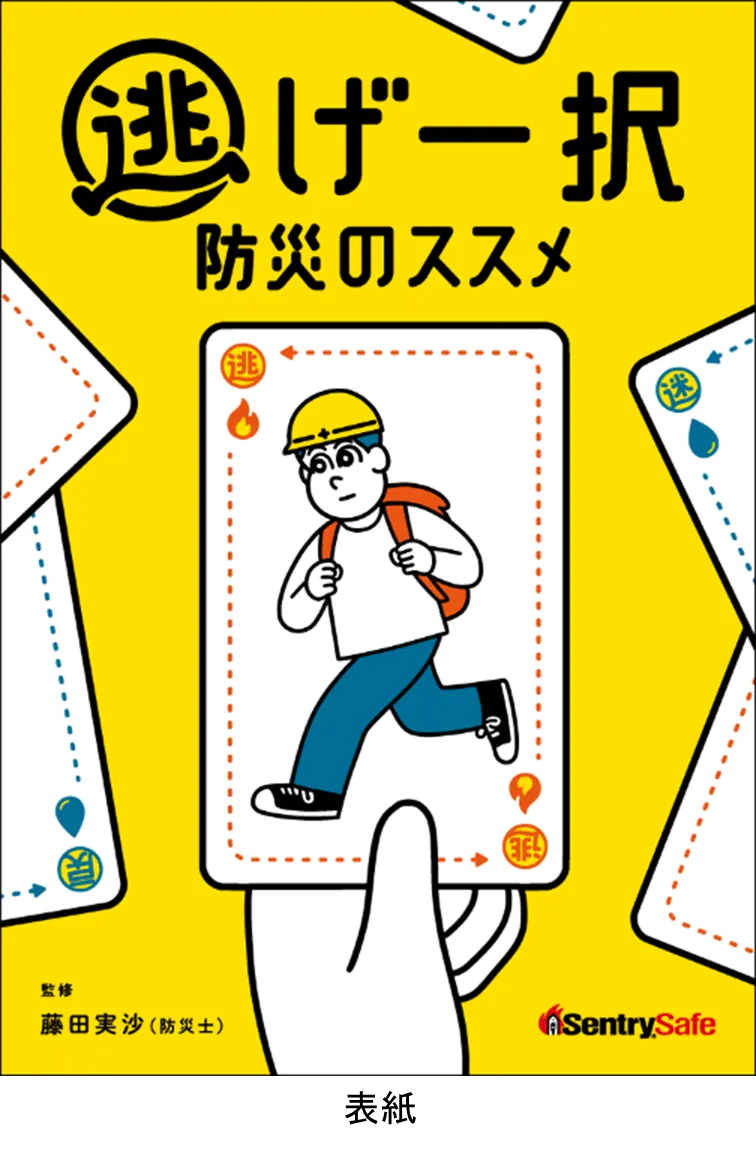
Innovative Disaster Preparedness Concept for Quick Evacuation Using Lockboxes Introduced
Introduction
In light of the increasing natural disaster risks, a novel approach to disaster preparedness called 'Escape-Only Disaster Response' has been proposed. This concept prioritizes rapid evacuation, suggesting that individuals should leave their homes quickly without the temptation to collect valuables that could delay their escape. By utilizing secure lockboxes, people can protect their important belongings and focus solely on ensuring safety during emergencies.
The Need for Quick Evacuation
The necessity for immediate evacuation became starkly evident during the Great East Japan Earthquake. Reports from survivors highlighted tragic experiences where individuals returned home to retrieve valuables and ultimately lost their lives. Lessons emerged from these incidents, emphasizing that immediate evacuation to higher grounds is crucial and that returning for belongings should be avoided at all costs. The need to rethink disaster response strategies in light of these lessons is ongoing.
The New 'Escape-Only Disaster Response' Philosophy
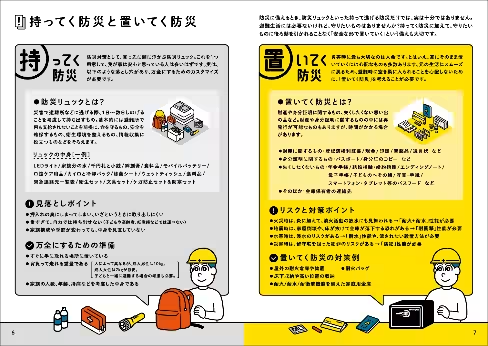
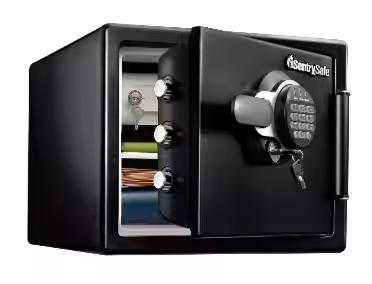
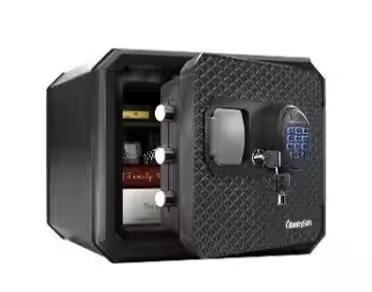
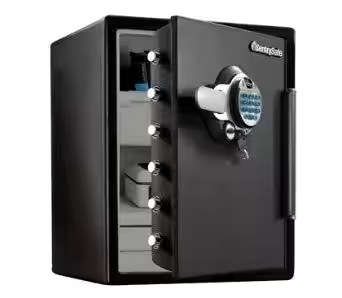
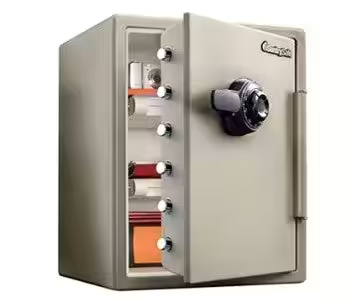
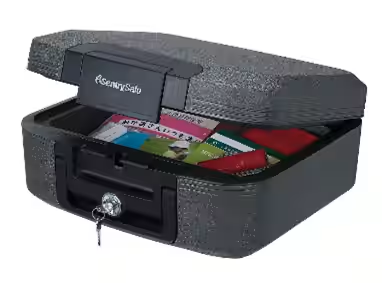
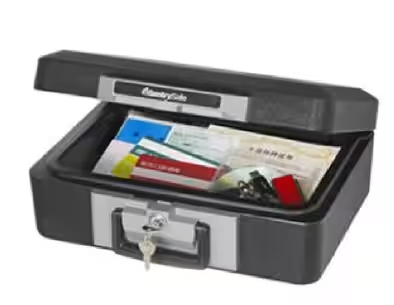
Master Lock Sentry Japan, headquartered in Shinagawa, Tokyo, advocates for this approach through its promotion of secure lockboxes with fire and water-resistant capabilities. This strategy is not about carrying emergency backpacks ('Bring-It Disaster') but rather about leaving crucial physical items in a safe manner while ensuring that evacuating is the sole option.
This new framework is defined as 'Leaving-It Disaster', aiming to remove hesitation and confusion during critical moments. It empowers individuals to secure important personal items within lockboxes at home, allowing them to evacuate without distractions.
The 'Escape-Only Disaster Response' Handbook
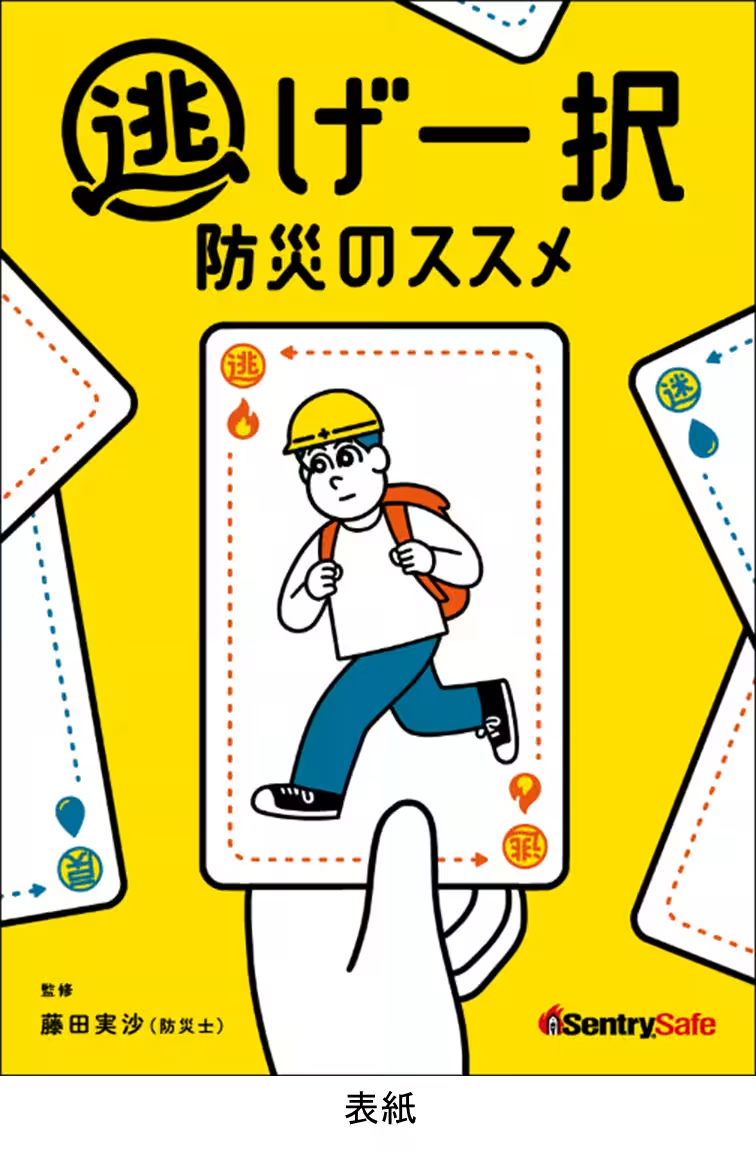
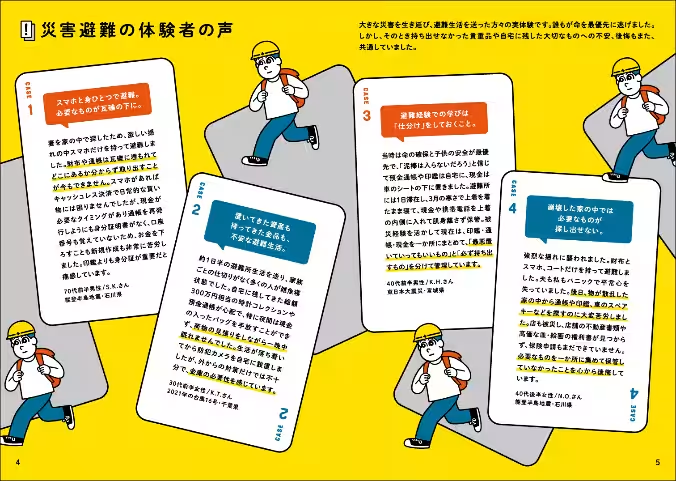
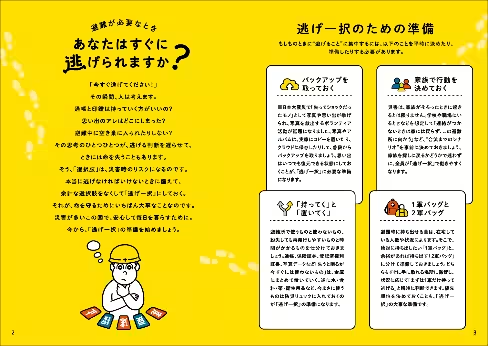
To facilitate this mindset, Master Lock Sentry Japan is distributing a disaster preparedness book, 'The Escape-Only Disaster Response Handbook.' Set to be freely available at major home centers and electronics retailers from March 7, 2026, the book offers comprehensive insights into preparations for effective evacuation and includes testimonies from disaster survivors. These narratives convey valuable lessons learned, such as the importance of pre-arranging emergency plans and distinguishing between items that can be left behind and those that must be taken.
For instance, K.H., a survivor of the East Japan Earthquake, shared how their focus was on securing their well-being and that of their children. They learned to categorize items into 'essential to take' and 'can be left behind', a lesson echoed by others with similar experiences.
Practical Tips for Implementing the Strategy
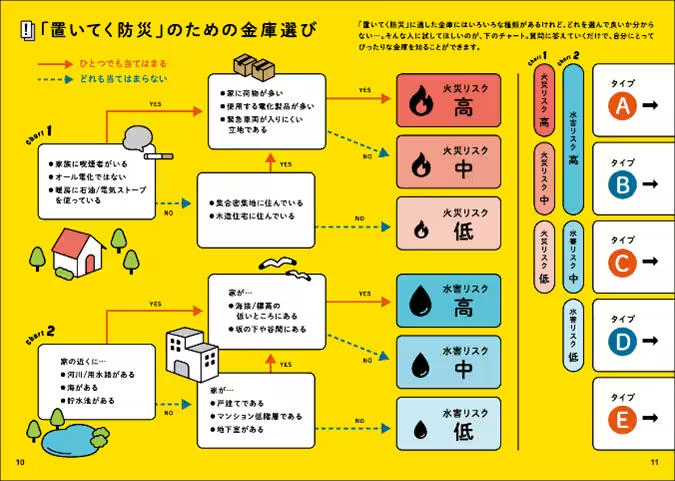
The distribution of the handbook will be an asset for individuals looking to prepare effectively. It includes a section on risk assessment at home and guides for choosing the right lockbox based on various disaster scenarios. Important information such as the following highlights will be covered:
- - Fire Risks: The handbook advises on the necessity for fire-resistant and water-resistant features. Given that fire damage can occur both from flames and firefighting efforts, selecting a lockbox with high specifications is crucial.
- - Earthquake Risks: In the event of an earthquake, securing items against falling debris is essential, which makes durable construction vital.
- - Flood Risks: During floods, the handbook emphasizes securing lockboxes in ways that prevent them from being swept away.
- - Security: With the increase in risks, the need for a lockbox that is not only fire and water-resistant but also tamper-proof is critically noted.
Conclusion
As Japan commemorates significant anniversaries of natural disasters in 2026, heightened awareness and preparedness are paramount. The growing public interest in disaster readiness reflects a collective resolve to learn from past mistakes and safeguard lives in the face of impending risks.
Through its proactive measures, Master Lock Sentry Japan aims to enhance public awareness about securing valuables while fostering a culture of quick, decisive evacuation in times of disaster. By equipping individuals with the right tools and knowledge, the company plays a vital role in supporting community safety in an increasingly disaster-prone environment.
Topics Other)
【About Using Articles】
You can freely use the title and article content by linking to the page where the article is posted.
※ Images cannot be used.
【About Links】
Links are free to use.