



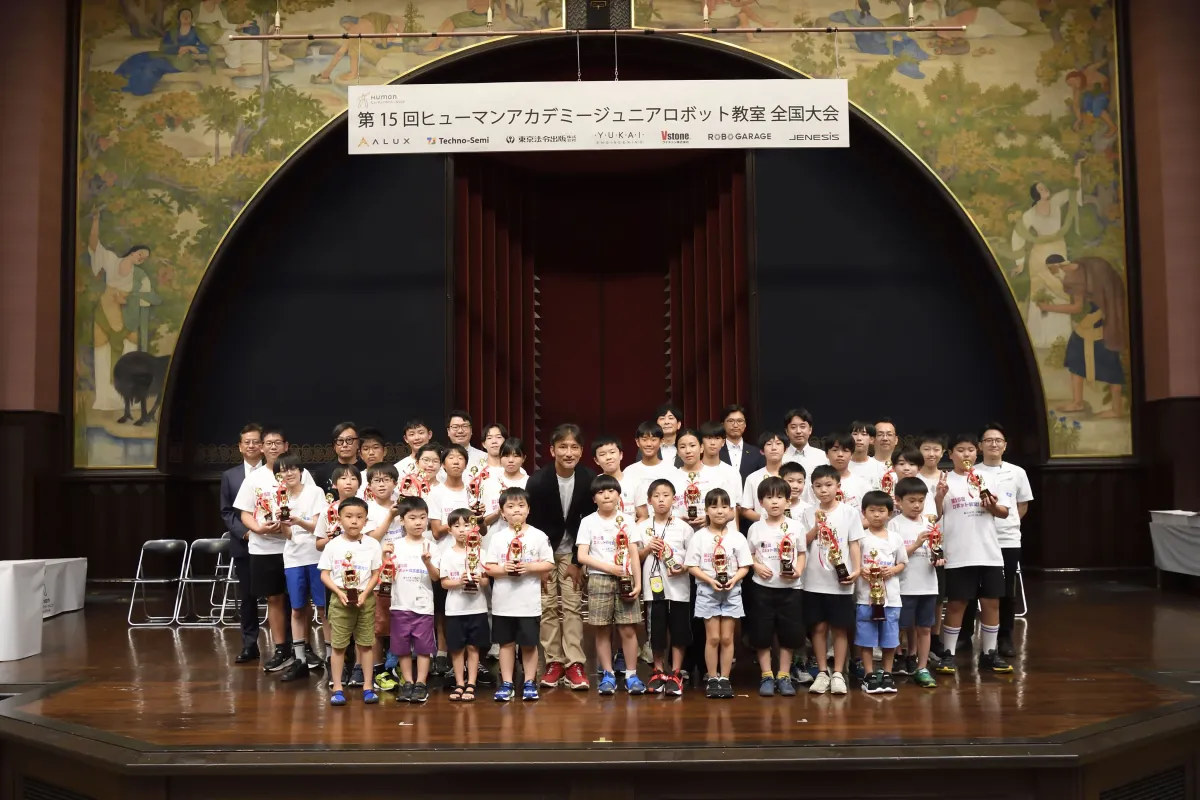
The 15th Human Academy Junior Robot Classroom National Competition: Sparkling Creativity in a Tech-Driven Era
The 15th Human Academy Junior Robot Classroom National Competition: A Showcase of Future Robotics Talent
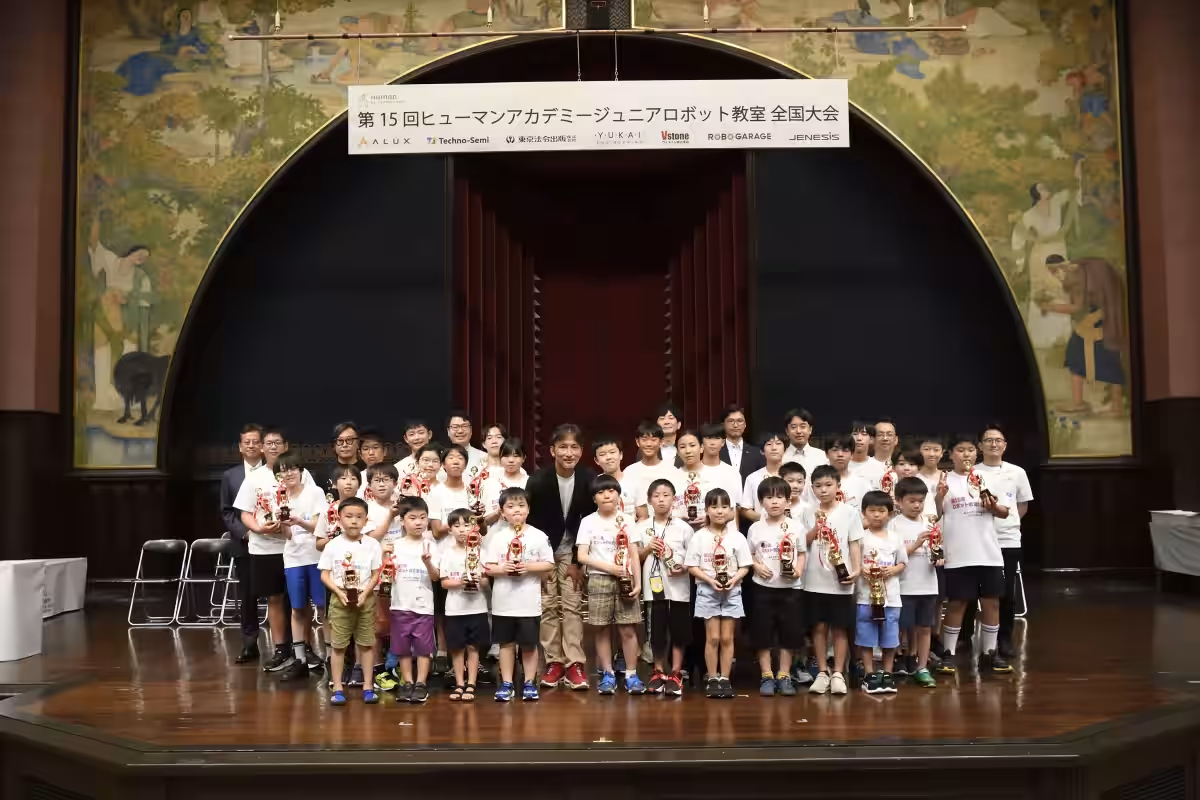
On August 23, 2025, the 15th Human Academy Junior Robot Classroom National Competition brought together 30 exceptional young contestants from over 27,000 students nationwide. Hosted at the prestigious Yasuda Auditorium at the University of Tokyo, this event marked a celebration of creativity and technical skills in the AI-driven era.
Event Highlights
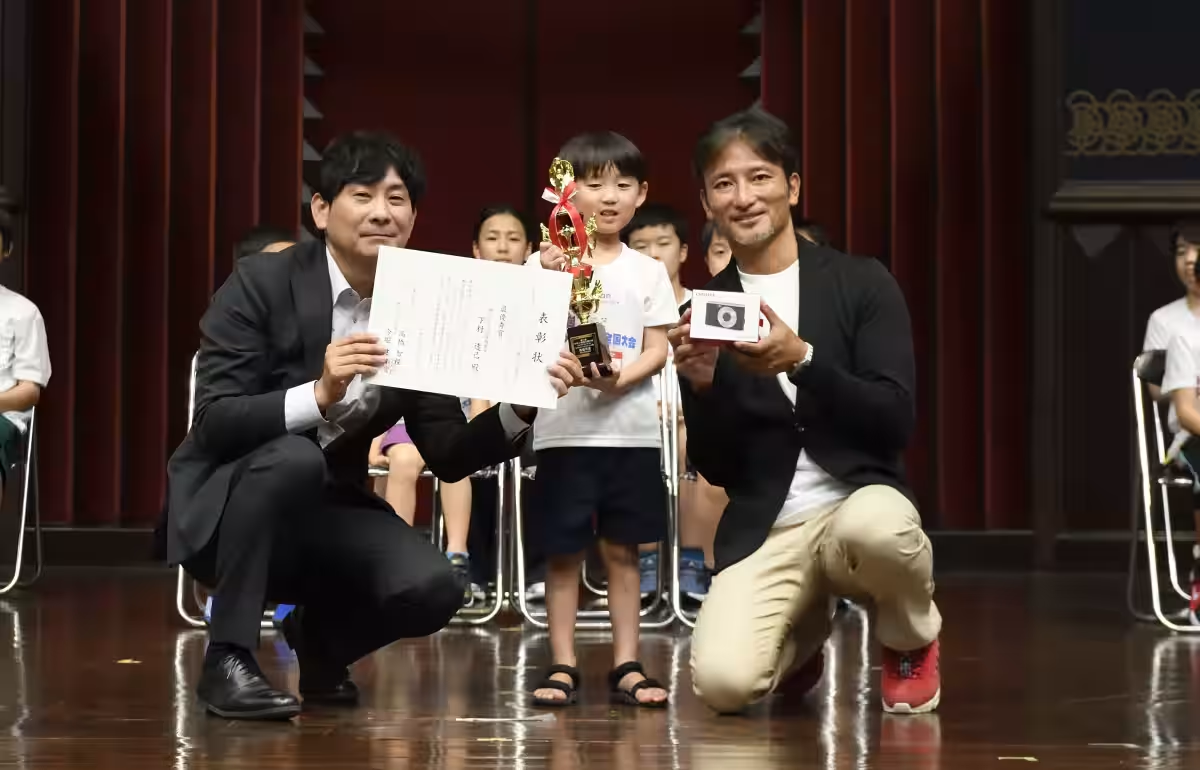
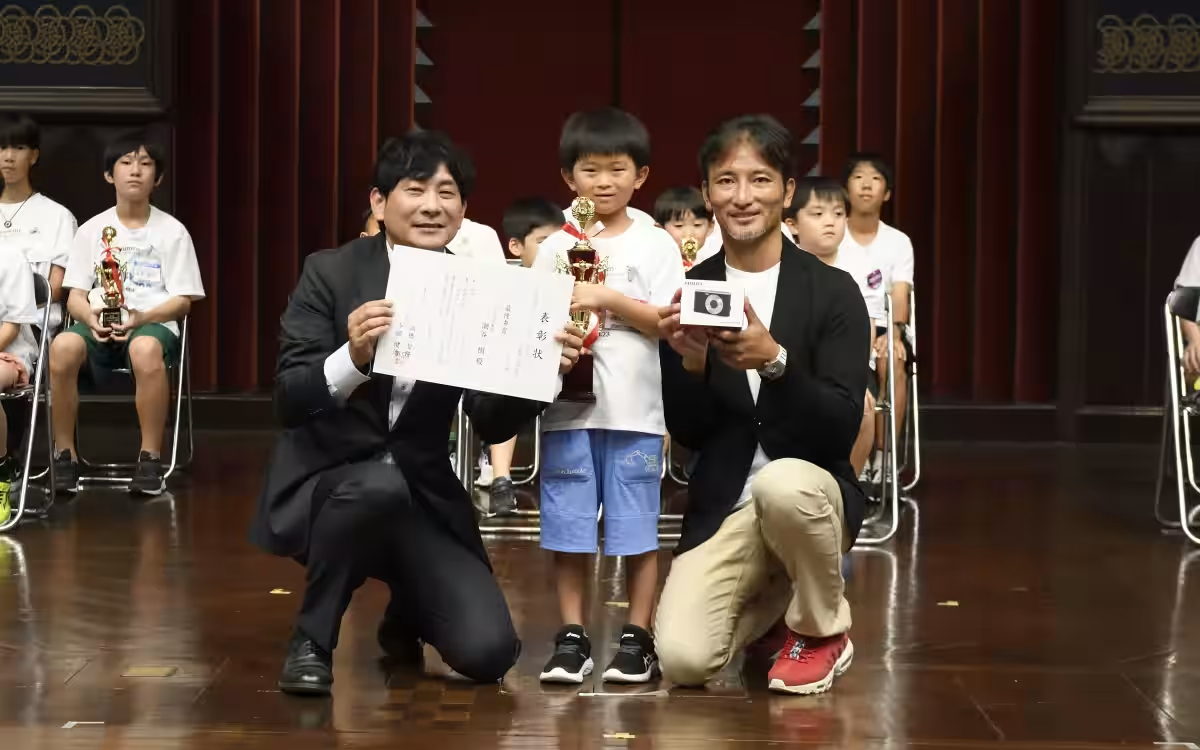
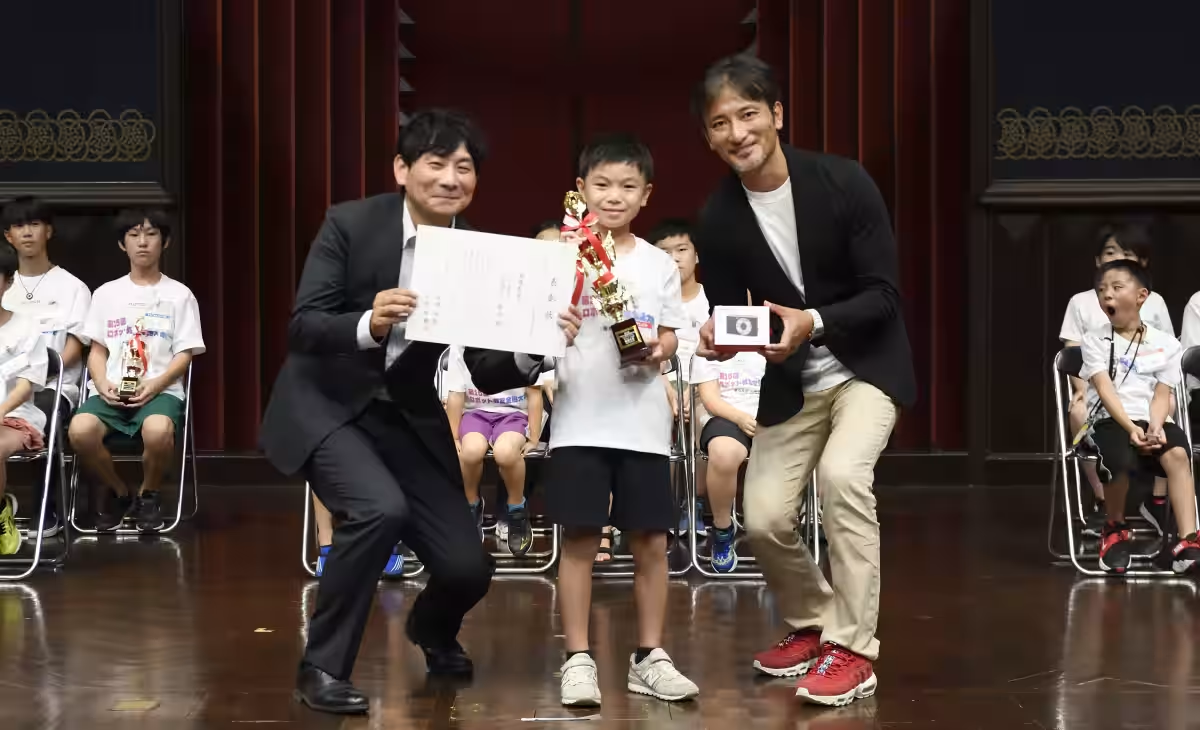
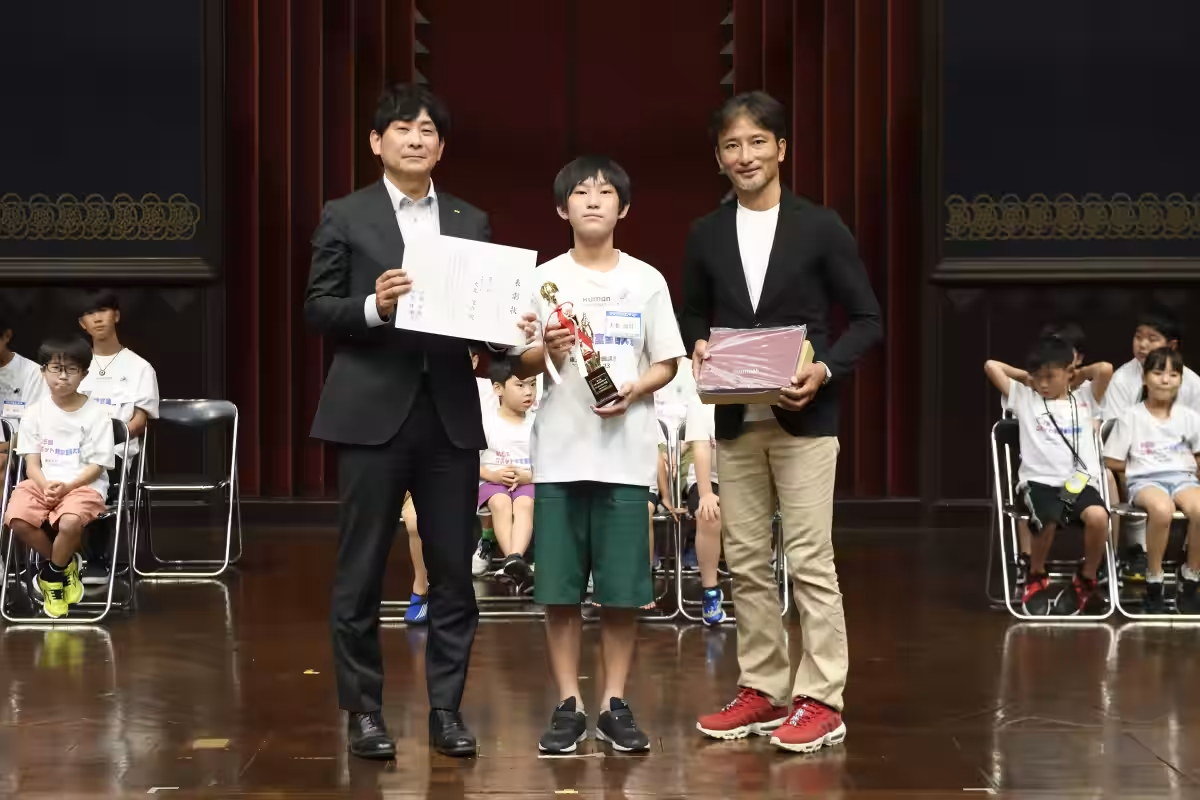
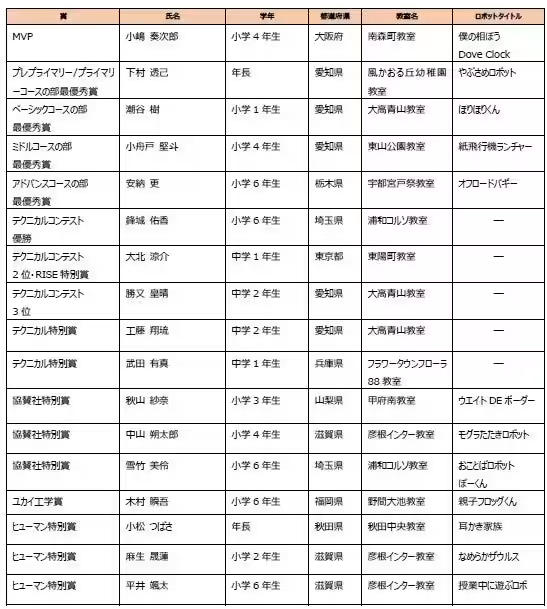
Students from preschool to middle school who had excelled in preliminary rounds gathered to present their robotic creations. Participants engaged in the Idea Contest, showcasing original concepts, and the Technical Contest, where precision and technical skills were put to the test. This year, the competition not only highlighted the students' abilities but also promoted invaluable exchanges of knowledge and ideas among participants.
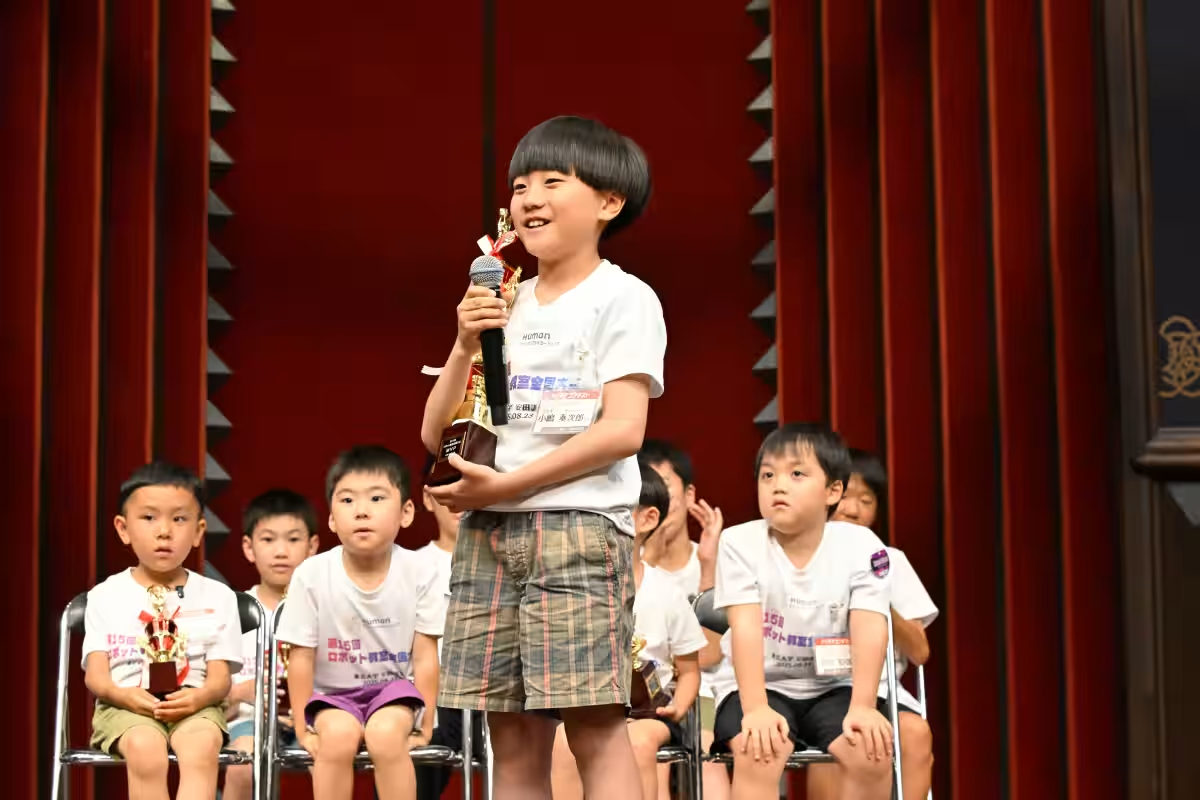
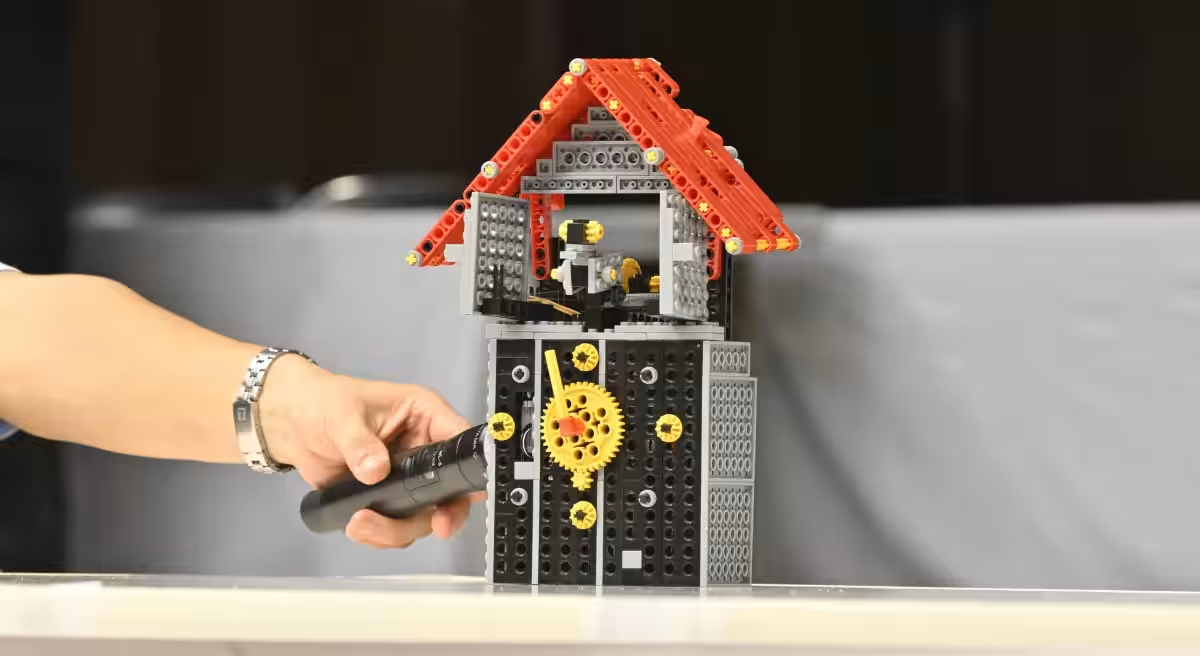
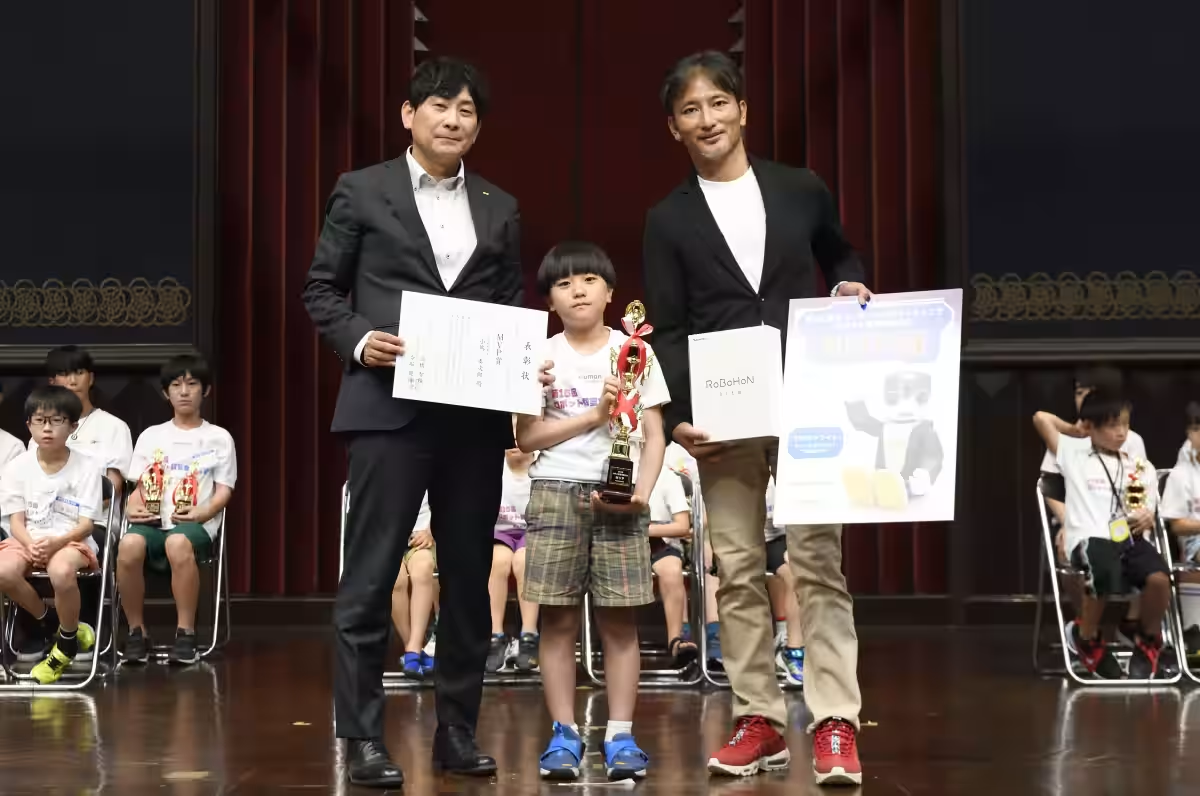
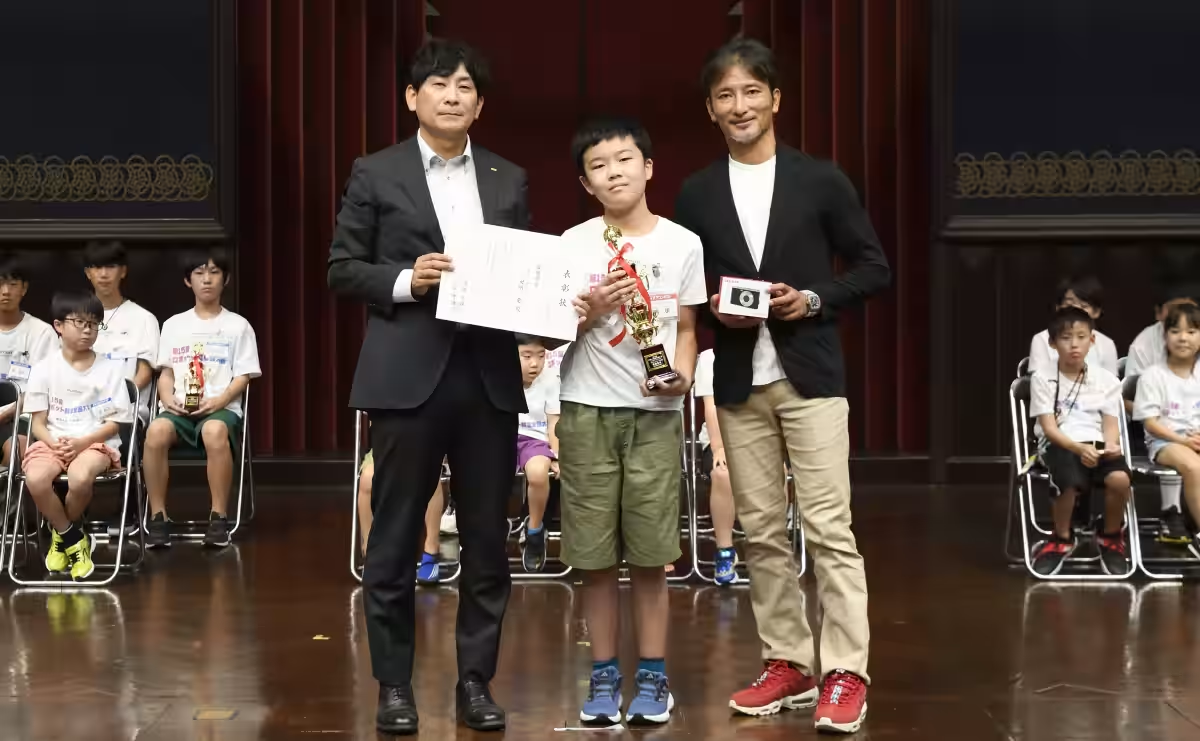
In a thrilling display of innovation, the Most Valuable Player (MVP) award went to Seiji Kojima (4th grader) for his remarkable robot project titled Dove Clock. Inspired by his personal struggle to wake up early, his robot mimics a traditional cuckoo clock, featuring a miniature dove that emerges when it’s time to wake up, accompanied by delightful music. Judges were impressed by its design and functionality, emphasizing the high level of craftsmanship.
A Milestone for Girls in Robotics
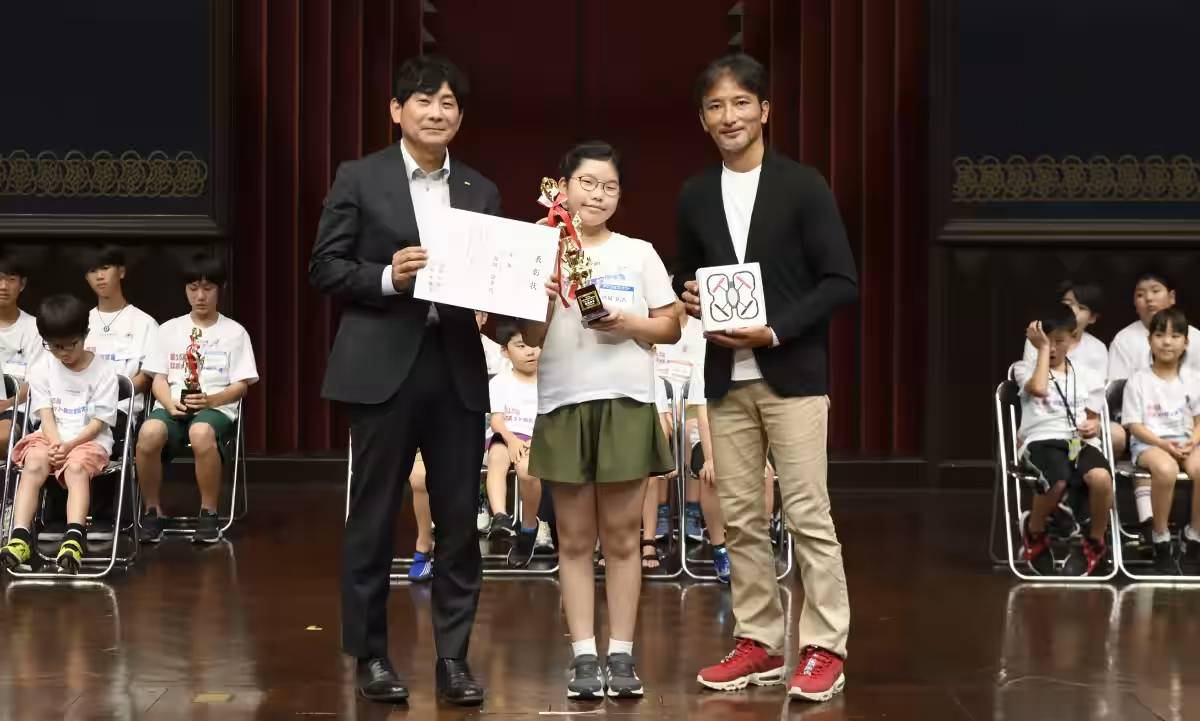
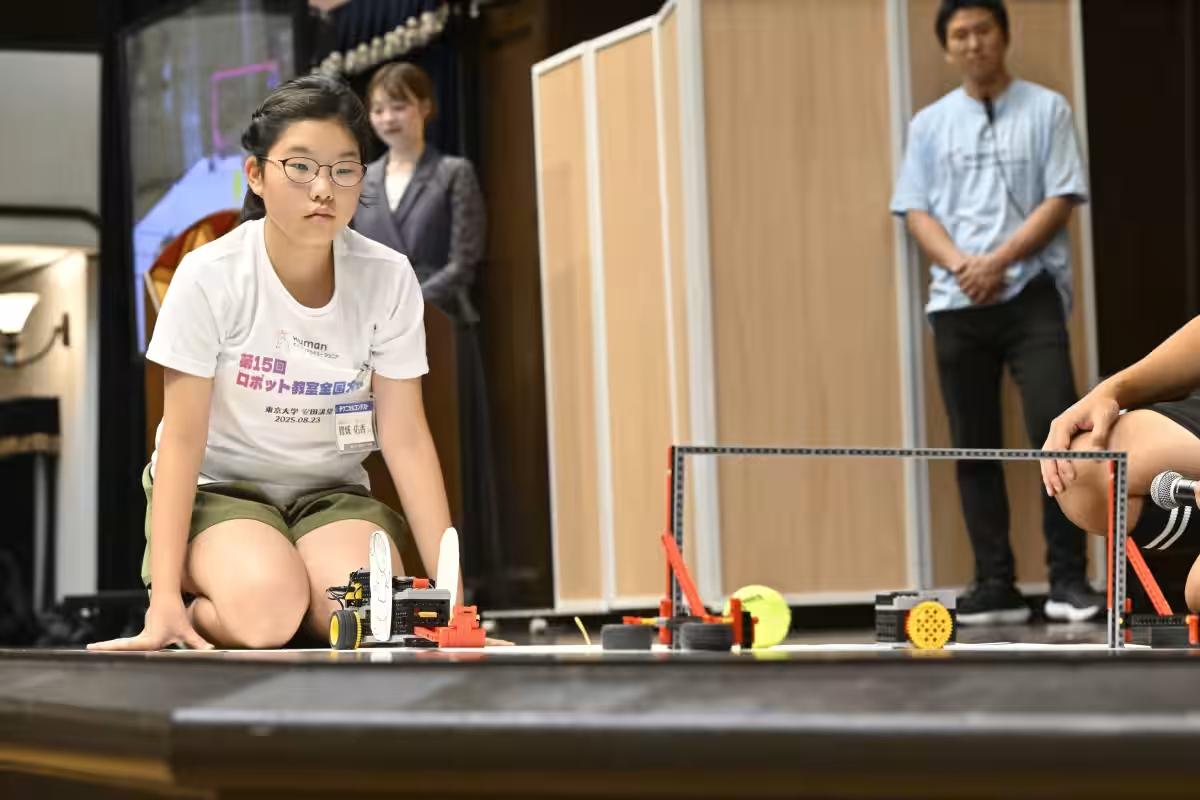
This year’s competition also made history as Yuka Hoshikawa (6th grader) became the first female winner of the Technical Contest. Her performance, which involved a nail-biting showdown that reached sudden death, showcased her advanced programming and engineering skills. This rising trend of female participants reflects a positive shift in the field of robotics, inspiring young girls to pursue their interests in technology.
Educational Impact of the Competition
Since its inception in 2011, the competition has served as an essential platform for children to express their learning outcomes in robotics. Each year, it aims to ignite an interest in science and engineering among young minds, encouraging them to innovate and challenge themselves. The event fosters a spirit of friendly competition where students can learn from one another and enhance their problem-solving and presentation skills.
Through their engagement in robotics, participants are not only nurturing their talent in programming and engineering but also preparing themselves for future challenges in a rapidly changing world. The experiences gained from such competitions are believed to be instrumental in broadening their horizons and paving the way for more opportunities in STEM fields.
The Future of Robotics Education
The Human Academy Junior Robot Classroom, guided by advisor Takahiro Takahashi, has grown tremendously since its founding in June 2009. With over 2,000 classrooms and 27,000 enrolled students, this program provides various courses tailored for children aged 5 to middle school, ensuring hands-on learning and creativity. Through these initiatives, children design and create robots, gaining insights into mechanisms and programming with state-of-the-art tools.
The competition culminated with an exhibition featuring presentations by instructors and alumni, robot demonstrations by sponsoring companies, and interactive audience participation, ultimately creating a vibrant atmosphere of collaboration and enthusiasm.
Looking forward, the Human Academy aims to expand further and continue nurturing the next generation of innovators. With a commitment to educational excellence, they will persist in utilizing cutting-edge technologies, allowing children not only to dream but also to realize their aspirations in the realm of robotics.
For more information, you can visit the official website: Human Academy Junior Robot Classroom




Topics Other)
【About Using Articles】
You can freely use the title and article content by linking to the page where the article is posted.
※ Images cannot be used.
【About Links】
Links are free to use.