



Understanding the Formation of Vaccine Conspiracy Theories: A Five-Year Study from Japan
Exploring Vaccine Conspiracy Theories in Japan
A research team led by Professor Hitoshi Yamamoto from Ryutsu Keizai University has recently unveiled findings from a comprehensive five-year panel study, examining the nuanced relationship between beliefs in vaccine conspiracies and media distrust in Japan. The results of the study, which was conducted from 2020 to 2024, were published in the scientific journal Scientific Reports, a part of the Nature Publishing Group, on August 3, 2026.
The study utilizes longitudinal data gathered annually over the five years to analyze how media consumption, distrust, subjective media literacy, and other facets influence conspiracy theories regarding the COVID-19 vaccine.
Key Findings
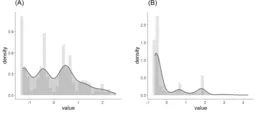
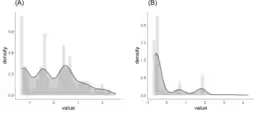
The research uncovered a stark difference between two types of vaccine-related conspiracy beliefs: one that stems from institutional distrust—evidenced by beliefs that the government or pharmaceutical companies are concealing information—and another that reflects extreme and unrealistic notions, like the idea that vaccines contain microchips. While the former belief was widespread, involving suspicion about institutions, the latter attracted a much smaller following.
The analysis revealed that those who displayed a significant skepticism towards mainstream media—especially those whose distrust intensified throughout the pandemic years—were more likely to endorse institutional conspiracy theories about vaccines. In contrast, support for more extreme conspiracy theories, such as the microchip theory, remained limited.
The authors pointed out that, particularly on social media, extreme conspiracy claims tend to gain disproportionate visibility, making them appear more prevalent than they truly are. Furthermore, the study emphasizes an important point regarding the relatively moderate political divide in Japan compared to Western nations; it demonstrates that significant conspiracy beliefs can still develop even in environments lacking stark political polarization.
Professor Yamamoto's Insights
Professor Yamamoto noted that conspiracy beliefs are often associated with extreme views. However, this study emphasizes the pervasiveness of a more generalized and persistent distrust toward both society and media. He stated, “When considering measures against misinformation, it is crucial to look beyond merely the correctness of information. Understanding how individuals navigate their information environments and form distrust is essential.”
This study contributes valuable insights into the dynamics of media distrust and conspiracy theory belief formation, shedding light on how societal influences and media interactions can lead to widespread beliefs in conspiracy theories, even in regions traditionally marked by stable media narratives.
Research Information
- - Published in: Scientific Reports
- - Title: Longitudinal predictors of vaccine conspiracy beliefs: findings from a five-wave panel study in Japan
- - Authors: Yamamoto, H., Suzuki, T., Ogawa, Y., & Umetani, R.
- - Publication Date: August 3, 2026
- - DOI: 10.1038/s41598-026-57049-5
This research signals a need for a deeper understanding of the factors that contribute to conspiracy theory belief formation and the implications for public trust in healthcare communications.

Topics People & Culture)

【About Using Articles】
You can freely use the title and article content by linking to the page where the article is posted.
※ Images cannot be used.
【About Links】
Links are free to use.