



Understanding Heat Rash in Children: Care Tips and Expert Advice
Understanding Heat Rash in Children
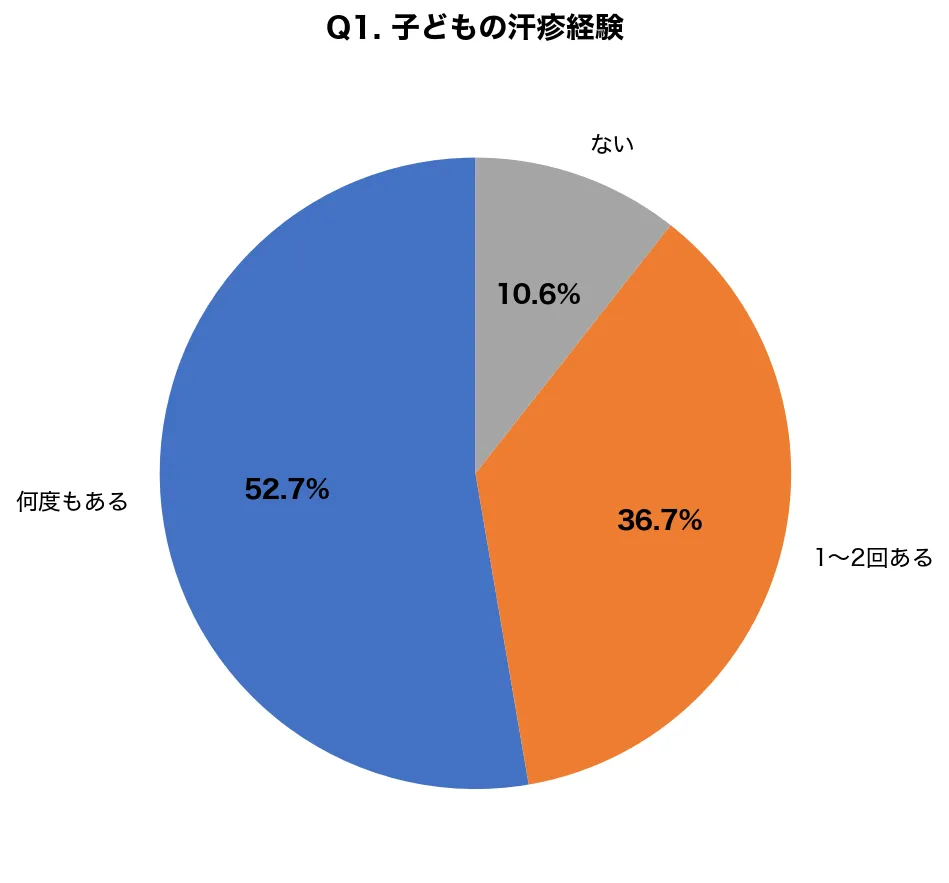
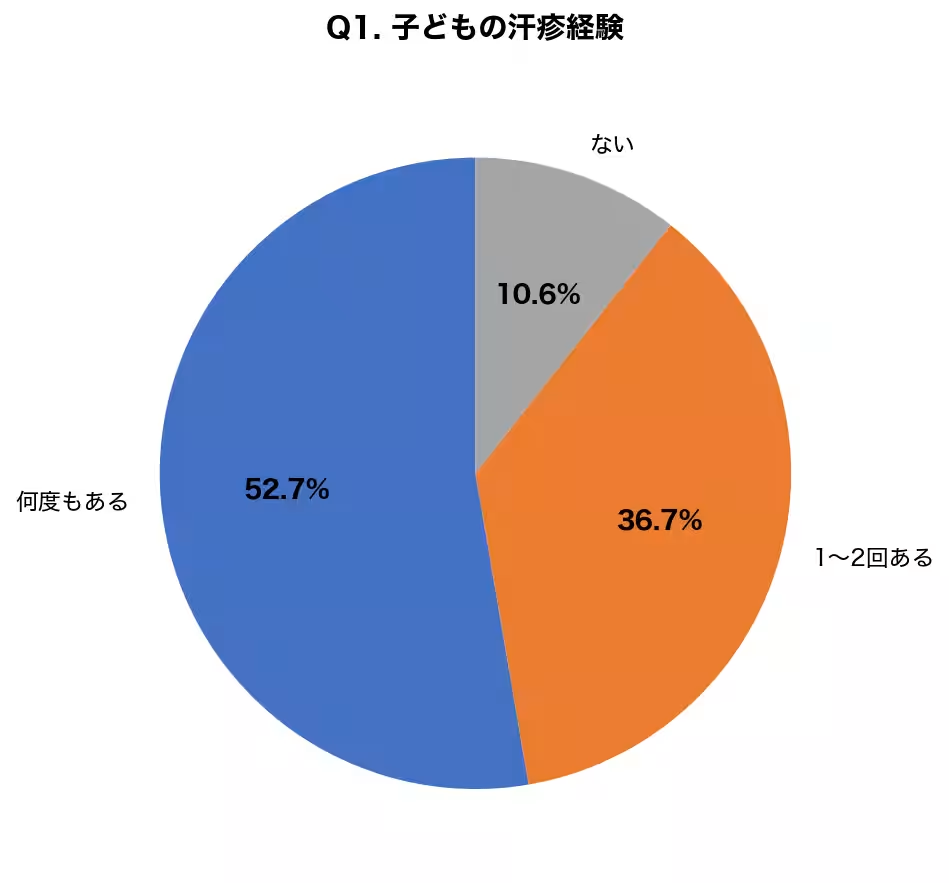
With the arrival of the rainy season in Japan, parents of young children face a common issue: heat rash, or "asemo". A recent survey conducted by the IC Clinic has highlighted that an alarming 89.4% of parents with infants (aged 0-6) have encountered this skin condition. Despite its prevalence, many parents are unaware of the best care practices, leading to potential complications.
What is Heat Rash?
Heat rash occurs when sweat glands become clogged, causing sweat to accumulate under the skin. This results in red bumps or blisters, which can be particularly problematic for infants due to their underdeveloped sweat glands. While mild cases can typically be resolved with proper cooling and cleanliness, there is a risk of secondary infections, particularly impetigo or "tobihi"—a contagious skin infection.
Survey Highlights
The survey was conducted between May 18 and May 27, 2026, and included 300 participants. Here are some key findings:
- - Significant Experience with Heat Rash: The statistics show that not only is heat rash very common among infants, but over half of parents reported that their child had experienced it multiple times. This highlights the need for awareness and knowledge on how to manage this condition effectively.
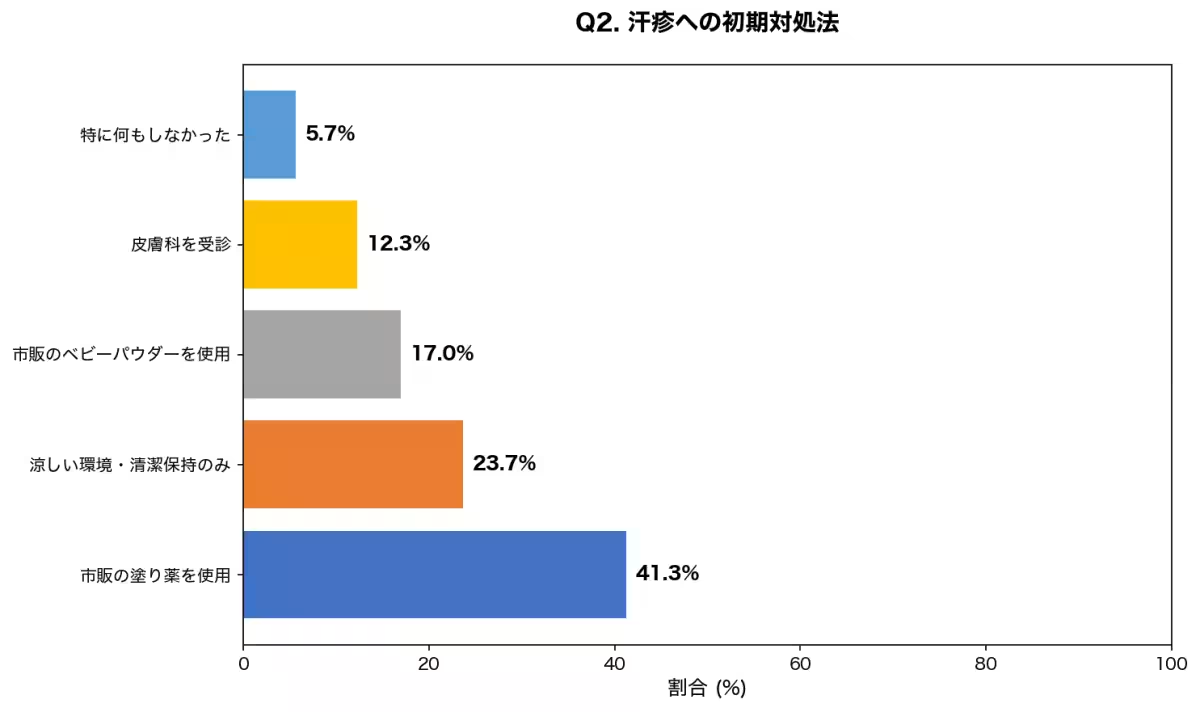
- - Usage of Over-the-Counter Remedies: More than 60% of parents resorted to over-the-counter treatments, with 41.3% applying topical creams. However, 17% employed baby powder, a method now deemed inappropriate as it can potentially worsen the condition.
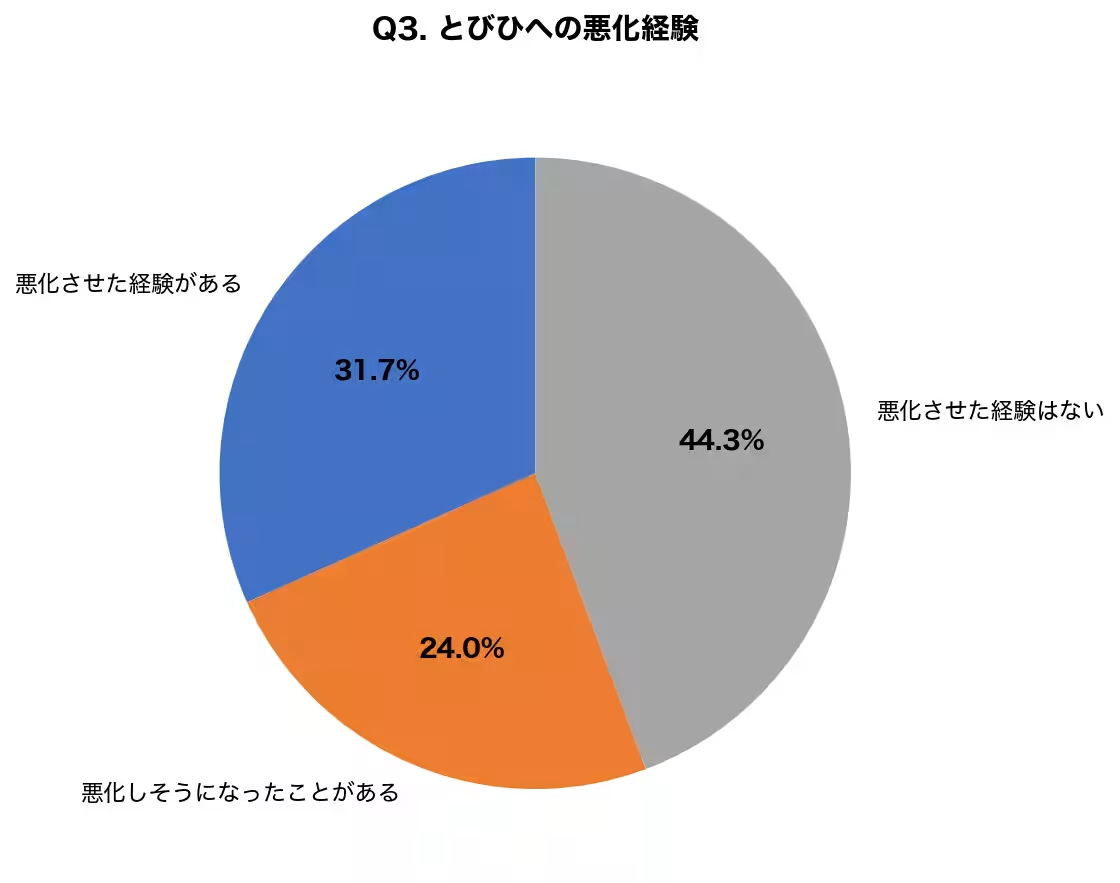
- - Awareness of Complications: Concern arises from the fact that 31.7% of parents reported that their child's heat rash escalated to impetigo, with 55.7% acknowledging they were close to a similar outcome. Given the contagious nature of impetigo, especially in daycare settings, timely intervention is critical.
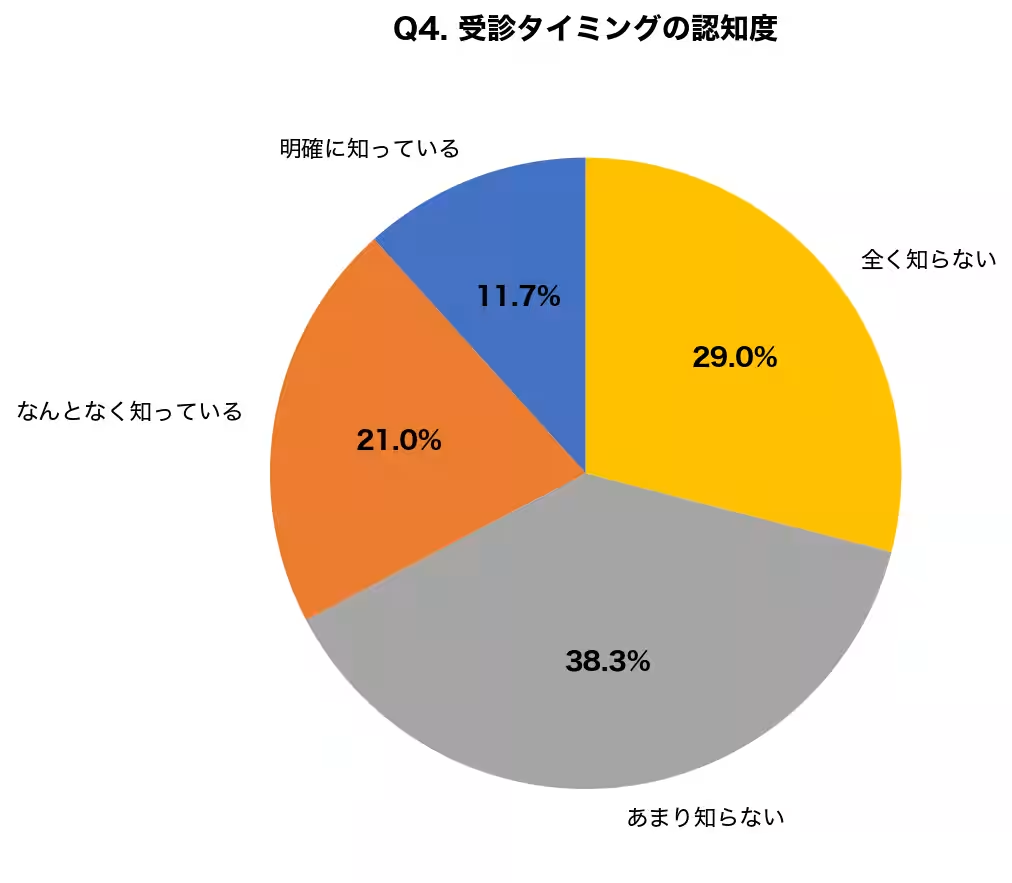
- - Need for Education on Consultation: Alarmingly, 67.3% of parents were unaware of when to seek dermatological help, emphasizing a significant gap in knowledge regarding skin health during crucial developmental years.
Care Guidelines for Heat Rash
When addressing heat rash at home, the following guidelines can help manage symptoms effectively:
1. Maintain a Cool Environment: Keep the room temperature between 25-27°C with 50-60% humidity to prevent excessive sweating.
2. Regular Cleansing: After sweating, it’s important to cleanse the skin gently with water to remove sweat and keep the area clean and dry.
3. Select Appropriate Clothing: Choose breathable cotton fabrics for your child’s clothing and change them often to avoid moisture accumulation.
4. Avoid Baby Powder: The use of talcum powder is discouraged as it can contribute to sweat gland blockage.
5. Prevent Scratching: Keep nails trimmed short and consider using mittens during sleep to discourage scratching, which can lead to secondary infections.
When to Consult a Dermatologist
It’s critical for parents to recognize when home care is insufficient. Seek professional help if:
- - The rash spreads widely beyond localized areas like the neck or back.
- - The child experiences severe itching that disrupts sleep.
- - Symptoms persist for more than three days without improvement.
- - Signs of secondary infection appear, such as yellow pus or blisters.
- - The child exhibits other symptoms like fever or irritability.
Expert Opinion
Dr. Kouta Takakuwa of IC Clinic, who specializes in dermatology, emphasizes that while many cases of heat rash can be managed at home, watching for warnings signs is essential to prevent complications. He also points out that early intervention can significantly reduce treatment time and the risk of spreading infections.
In conclusion, while heat rash is common among infants, parents must become equipped with proper knowledge and awareness to manage it effectively. Keeping the lines of communication open with healthcare providers and staying informed about best practices are critical steps in ensuring the health and comfort of young children during the hot and humid months.
Topics Health)

【About Using Articles】
You can freely use the title and article content by linking to the page where the article is posted.
※ Images cannot be used.
【About Links】
Links are free to use.