




Okayama University Staff Present on Population Decline Initiatives at Toyota Foundation Workshop
Overview of the Workshop
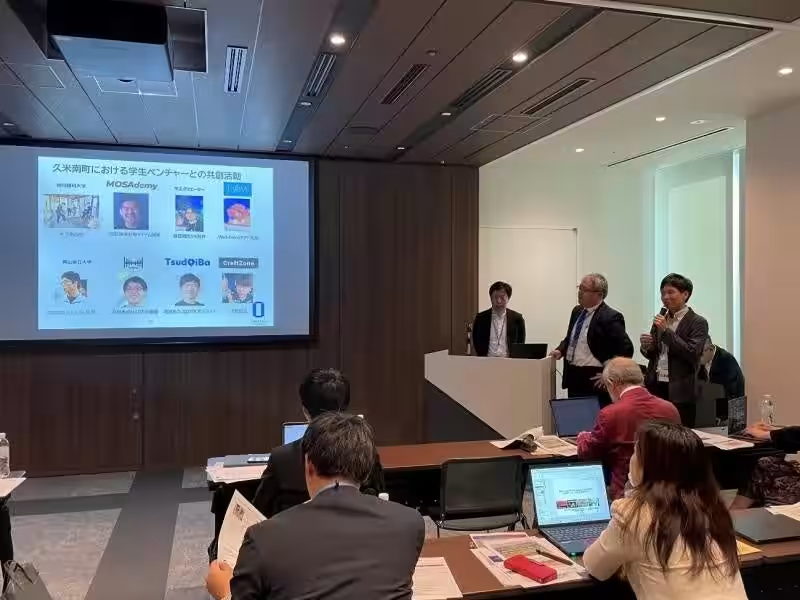
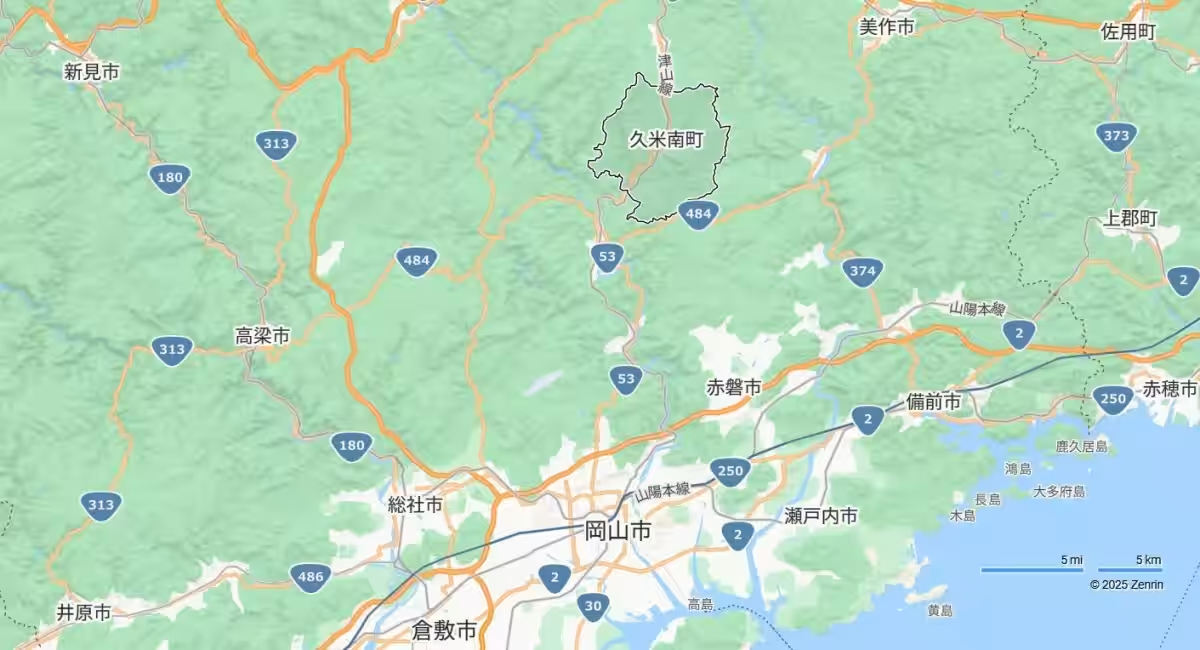
On April 16, 2026, a team from Okayama University, led by Associate Professor Katsutoshi Onaka from the Faculty of Global Education, participated in a workshop organized by the Toyota Foundation in Tokyo. The event focused on population decline in Japan, where they provided a mid-term report on a project centered around Kumenan Town in Okayama Prefecture. The team also included Associate Professors Hisashi Dadadai, Masahiko Yoshida, and Takao Funakura, all contributing their expertise.
The project, titled "Building New Business Models to Support Population Decline Regions through Collaboration between Local Young Practitioners and Academic Researchers - Kumenan Town Vibrancy 100-Year Vision Collaboration Team," aims to address the challenges of declining populations and aging in mountainous regions. It seeks to develop new business models tailored to local needs. The report highlighted key initiatives undertaken by the team, including CSV (Creating Shared Value) research among farmers and investigations into local resource management.
One significant outcome presented was the collaboration between various student ventures initiated from Okayama University and local stakeholders. The projects ranged from monitoring systems for agricultural ponds to development of wildlife damage prevention items and the creation of virtual reality content for terraced rice field tourism. These prototyping initiatives serve as a "boundary object," bridging the university and the community and enhancing the potential for cultivating future local business operators.
The committee praised the balanced composition of the team and the positive involvement of municipal staff during discussions. They offered practical advice, suggesting they could strengthen the project by integrating local financial mechanisms, as seen in benchmarks from places like Mitoyo City in Kagawa Prefecture.
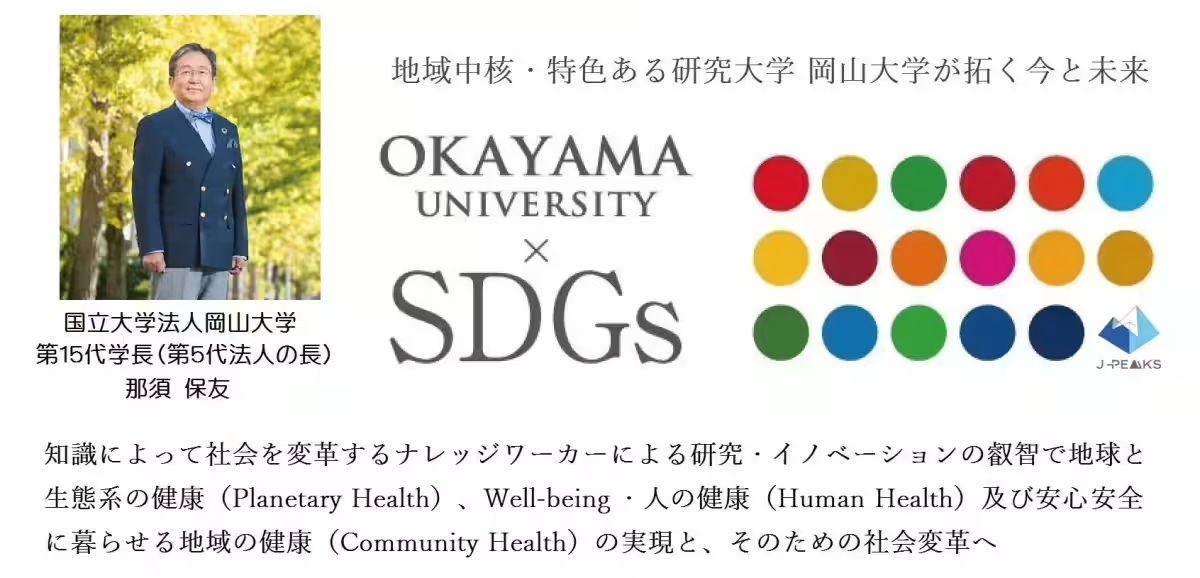
Okayama University aims to leverage the feedback from this event to foster collaboration with Kumenan Town and local practitioners, continuing to address challenges in mountainous areas and implement sustainable business models. The university is committed to its vision of being an open, core, and distinctive research institution.
Project Impact and Future Directions
The findings discussed in the workshop underscore the importance of cooperation between education and local communities in fostering sustainable developments. The university's role is vital, as it acts as a catalyst for innovation and development tailored specifically to address regional issues.
In closing the report, the team expressed a strong commitment to ongoing collaboration, emphasizing that future actions would build upon the extensive groundwork established thus far. The continued focus will be on not just responding to local needs but also anticipating future challenges and preparing effective, innovative solutions. As a leading institution for research and development, Okayama University encourages active participation and contribution from the community, demonstrating a model of shared growth and development for regions facing demographic changes.
As Okayama University advances its initiatives and partnerships with Kumenan Town and local stakeholders, they invite interest and support from all sectors—academic, governmental, and local communities. Their ultimate goal remains clear: to help create sustainable models of business that can thrive amid Japan's demographic challenges, bringing innovation and revitalization where it's most needed.





Topics Other)
【About Using Articles】
You can freely use the title and article content by linking to the page where the article is posted.
※ Images cannot be used.
【About Links】
Links are free to use.